Mice in Crawl Space What to Do: Denver Home Guide
Mice in crawl space what to do: learn how to spot activity, clean safely, limit damage, seal entry points, and choose professional help in Denver.
A crawl space can hide mouse activity until you notice scratching overhead, a stale odor, droppings, or disturbed insulation. Acting early helps you protect your home without turning a tight, contaminated space into a risky DIY project.
Call Beeline Pest Control at 303-586-5231
Before deciding whether a trap, cleanup, or professional treatment is the right next step, it helps to understand how mice reach this hidden part of a Denver-area home.
What to Do When You Find Mice in a Crawl Space
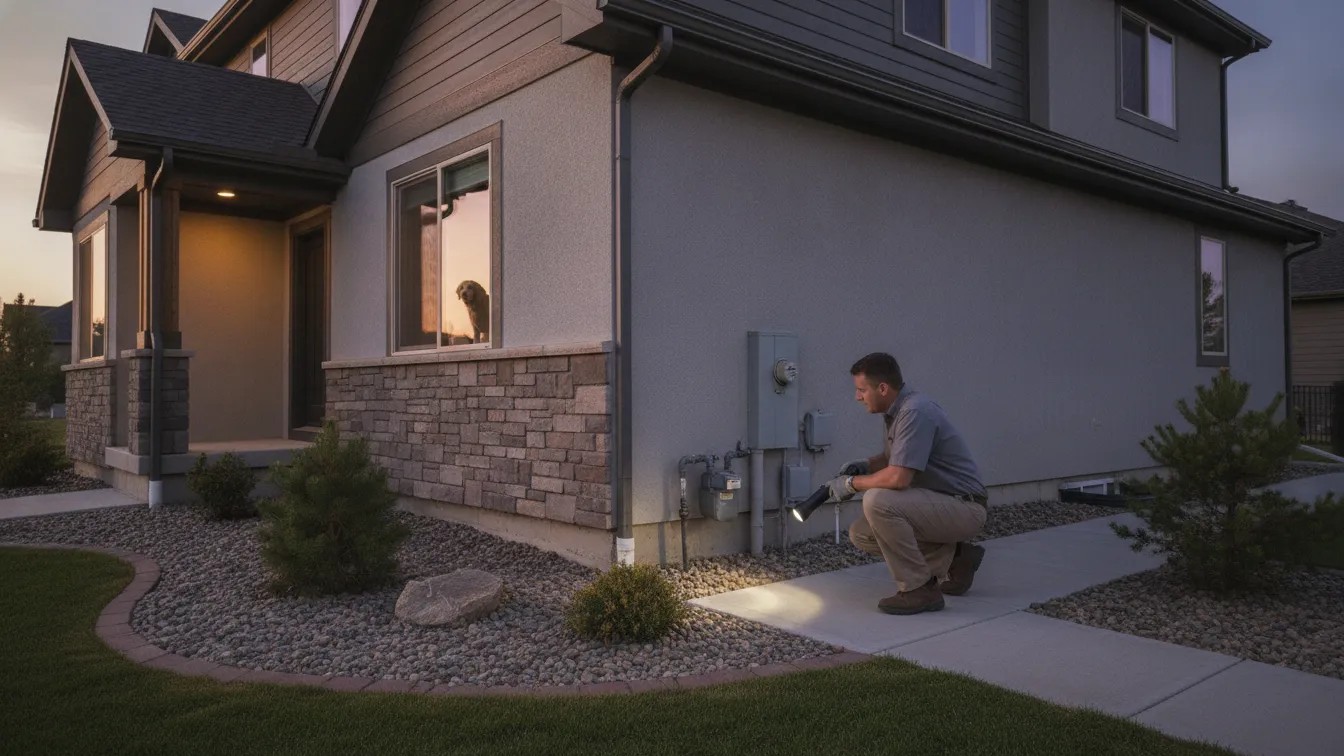
Mice usually enter a crawl space through a gap that is easy for a homeowner to overlook. The opening may be along the foundation, beneath a door, around a pipe or cable, or where a vent screen has loosened. According to the CDC's rodent exclusion guidance, a mouse can squeeze through a hole about one-quarter inch wide, roughly the width of a pencil. That makes even a narrow crack a possible access point.
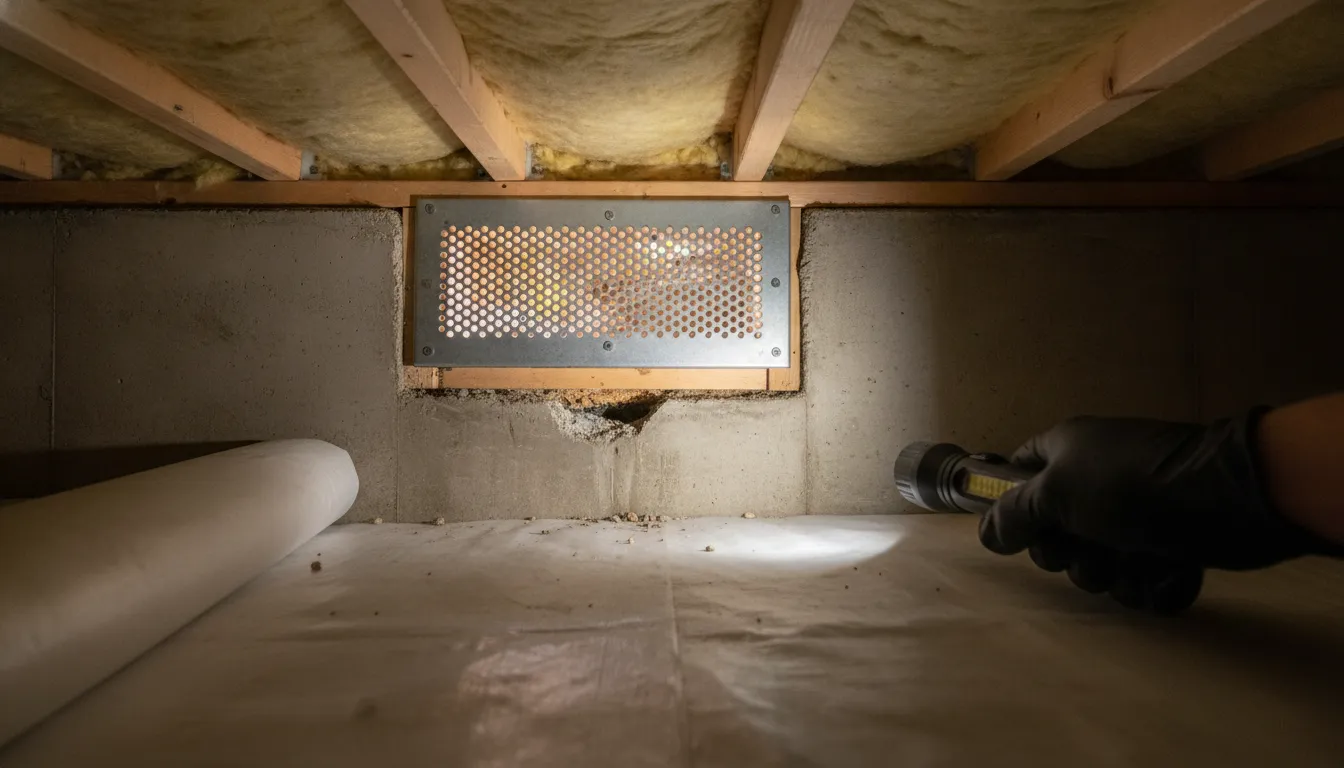
Common routes into the space below your home
- Crawl-space vents: Damaged screens, gaps around the frame, and openings left where vents meet the foundation can allow mice inside. Inspect crawl-space vents, attic vents, eaves, and soffits for gaps.
- Utility penetrations: Plumbing lines, electrical conduit, ducts, and other services often pass through foundation walls or framing. The space around them may be large enough for a mouse to use as a doorway.
- Foundation and framing gaps: Small cracks, deteriorated mortar, and openings around doors or access panels can connect the outside to the crawl space.
- Improvised repairs: A torn screen or a patch made from weak material may keep out larger animals but still leave a mouse-sized opening.
Entry is only part of the problem. Mice are drawn to dependable food and water, along with quiet places where they can build nests. A crawl space offers shelter from weather and household activity, especially when it remains dark and undisturbed. Food left near the home, accessible garbage, pet food, or moisture around plumbing and drainage can make the surrounding area more attractive. Once mice find a route that works, they may continue using it until the opening is sealed.
Seasonal conditions matter in Denver and across the Front Range. As temperatures fall in autumn and winter, rodents may look for warmer, protected areas such as crawl spaces, wall voids, and other sheltered parts of a home. That is why scratching sounds or fresh droppings below the house can become noticeable after the first cold weather, even if the gap has existed for months.
For long-term control, sealing the route matters as much as addressing the mice already inside. The EPA identifies sanitation and exclusion, meaning sealing entry points, as the foundation of rodent control. Small holes may be filled with steel wool secured with caulk or spray foam, while larger openings may require metal, cement, or hardware cloth. If access is difficult or activity is ongoing, an inspection can help identify every entry point before repairs begin.
What Are the Signs of Mice in a Crawl Space?
Mice often leave several clues before you see one. In a crawl space, check for small dark droppings, a stale or musky odor, shredded nesting material, scratching after dark, and new damage to insulation or wiring. One clue does not always prove an active infestation, especially in an older home, but multiple signs close together deserve a careful inspection.
Droppings, odor, and nesting material
Mouse droppings may appear along crawl-space edges, near pipes, around foundation penetrations, or beside insulation. Look for repeated deposits rather than a single pellet. A persistent musty or urine-like odor can point to activity in an enclosed area, although moisture, mold, or other animals can create similar smells.
Nests may be made from shredded paper, fabric, cardboard, insulation, or other soft material. Quiet, undisturbed spaces can attract rodents looking for shelter, and a crawl space may provide that kind of protected environment. Disturbed insulation, flattened pathways, or a small pocket cleared around a nest can make activity easier to spot.
Sounds and physical damage
Scratching, rustling, or quick movement overhead is more likely to be noticed at night because rodents are most active then. Listen for recurring sounds rather than assuming every noise is a mouse. Heating and cooling systems, pipes, and larger wildlife can also make sounds in floors or ceilings.
Gnaw marks on wood, wires, plastic, or other materials are a meaningful clue. Rodents gnaw on hard objects to wear down their continuously growing teeth, and the CDC lists gnaw marks as a common sign of rodent activity: CDC rodent entry and activity guidance. Chewed insulation, torn vapor-barrier material, and openings around utilities should be documented without reaching blindly into a dark space.
Clues inside the home
Crawl-space activity may show up upstairs or in adjoining rooms. Check along baseboards, inside lower cabinets, behind appliances, around pantry storage, and near floor or plumbing penetrations. Droppings or gnawing near food and pet-food storage can indicate that mice are moving between the crawl space and living areas. Because droppings can contaminate food and surfaces, avoid sweeping or vacuuming them. The CDC recommends following its rodent cleanup guidance instead: CDC rodent cleanup instructions.
If you find several signs, note their locations and whether they appear fresh. A professional inspection can trace entry points and distinguish current mouse activity from old evidence before treatment or cleanup begins.
What Damage Can Crawl Space Mice Cause?
Crawl space mice do more than create noise beneath the floor. Their nesting and gnawing can affect insulation, wiring, moisture-control materials, plumbing penetrations, and the cleanliness of the space. The extent of the problem depends on how long the mice have been active. How accessible the crawl space is, and whether moisture or other entry-point issues are already present.
Rodents gnaw on hard materials because their teeth continue growing throughout life, according to the EPA. That behavior can leave marks on wood, wires, and other materials. A professional inspection helps distinguish active damage from older wear and identifies the openings that allowed mice inside.
Common crawl space mouse damage and appropriate next steps
| Issue | Clues | Why it matters | Next step |
|---|---|---|---|
| Insulation damage | Flattened, pulled-apart, or displaced insulation; nesting material nearby | Damaged insulation may no longer perform as intended, and heavily contaminated material may need removal and replacement. | Have the insulation and surrounding area inspected before disturbing it. |
| Wiring damage | Chew marks, exposed sections, or shredded covering around cables | Damaged electrical coverings can create a safety concern and require evaluation by a qualified professional. | Document the location and arrange prompt inspection. Do not handle damaged wiring. |
| Vapor barrier or moisture-area concerns | Torn or disturbed barrier material, nesting in damp areas, or unusual odors | Damage can make it harder to assess moisture conditions and may leave a less protected area for future activity. | Ask for a crawl space assessment that considers both mouse activity and moisture conditions. |
| Pipes and penetrations | Gnaw marks near plumbing, gaps around utility lines, or disturbed material at openings | Openings can serve as routes between the crawl space and the home, while damaged components may need trade-specific repair. | Have entry points documented and seal them only after the active infestation is addressed. |
| Droppings and nesting contamination | Droppings, urine odor, shredded paper or fabric, and concentrated activity near nests | Rodent waste can contaminate surfaces. The CDC advises against sweeping or vacuuming droppings or nesting materials because particles can become airborne. | Keep children and pets away, and follow CDC cleanup guidance or use trained help. |
Not every damaged-looking material needs immediate replacement, and not every crawl space requires the same treatment. Beeline Pest Control starts with an inspection, then recommends targeted treatment and exclusion based on what is actually present. Sealing entry points is essential for long-term control, but sealing too early can leave mice trapped inside or conceal the route that needs attention.
Call Beeline Pest Control at 303-586-5231 for a free crawl space mouse inspection.
What Should You Do First if You Find Mice?
Finding mouse activity near a crawl space can be unsettling, but you do not need to enter the area or start removing materials immediately. Begin by limiting exposure, preserving useful clues, and addressing the conditions that may be attracting mice. A crawl space can contain tight access points, wiring, insulation, plumbing, and contaminated nesting material, so work from a safe location whenever possible.
- Protect children and pets. Keep them away from the crawl-space entrance, droppings, nesting material, traps, and any products already placed in the area. Close or restrict access to the room, hatch, or vent where activity was noticed. Do not reach into dark gaps or move insulation to investigate.
- Do not sweep or vacuum droppings. The CDC advises against sweeping or vacuuming rodent urine, droppings, or nesting materials because the action can put contaminated droplets into the air. See the CDC rodent cleanup guidance before cleaning. If you have questions about a specific exposure or cleanup situation, the CDC recommends contacting your local health department.
- Use careful cleanup procedures only when the area is safe to access. For a small, accessible amount of contamination, the CDC recommends wetting the material thoroughly with disinfectant. Allowing it to sit, then wiping it up while wearing rubber or plastic gloves. A bleach solution can be made fresh at a ratio of one part bleach to nine parts water. Follow the complete CDC cleanup instructions, and do not attempt heavy cleanup or insulation removal on your own. Hantavirus pulmonary syndrome is a serious, sometimes fatal respiratory disease associated with hantaviruses found in some rodents. But the presence of mice does not mean you will develop it. For general health information, see the Mayo Clinic overview of hantavirus pulmonary syndrome.
- Remove accessible food and water attractants. Store pantry goods and pet food in sealed containers. Put pet food away after use, and do not leave food or water bowls out overnight. Secure garbage and clean crumbs or spills. These steps can reduce available resources, but they will not address mice already nesting in a crawl space.
- Document clues without entering unsafe areas. From a safe position, note when you hear scratching, where you see droppings, and whether you notice odors, gnaw marks, or movement near vents and utility openings. Take photographs only if you can do so safely. Do not crawl beneath the home to follow a trail or disturb suspected nests.
- Arrange an inspection. A licensed pest professional can assess the accessible parts of the structure. Identify likely entry points, and determine whether the problem involves active mice, old evidence, or another pest. Share your observations and any cleanup already attempted. That information helps guide a targeted plan while avoiding unnecessary exposure or disruption.
These first steps help you manage the immediate situation without turning a suspected mouse problem into an unsafe cleanup project. Leave inaccessible spaces, contaminated insulation, and entry-point decisions to an inspection that accounts for the condition of the crawl space and the rest of the home.
Can You Remove Crawl Space Mice Yourself?
Sometimes homeowners can handle limited prevention themselves, especially when there are no signs of an established infestation. Start by inspecting accessible areas around crawl space vents, utility openings, foundation joints, and doors. Mice can fit through gaps about one-quarter inch wide, so even a small opening deserves attention. The CDC recommends sealing small holes with steel wool held in place with caulk or spray foam. Larger openings may require hardware cloth, metal, cement, or another durable repair.
Reduce the reasons mice may want to stay. Keep garbage in containers with tight-fitting lids, remove food promptly, and do not leave pet food or water bowls out overnight. Moisture control can also help make a crawl space less appealing, although a dehumidifier does not address entry points or an active nest. These steps support exclusion and sanitation, which the EPA identifies as central to preventing rodent infestations.
Where DIY removal becomes more complicated
Traps or bait may be considered in a small, accessible area, but neither approach answers every question. You still need to know where mice are entering, whether more than one mouse is present, and what happens if a rodent dies in a concealed location. Crawl spaces can be cramped, poorly lit, and difficult to inspect safely. Moving insulation or reaching around wiring and pipes can also create risks unrelated to the trap itself. Avoid placing any product where children or pets could reach it, and follow the product label carefully.
Active signs call for a closer assessment rather than repeated trial and error. Multiple fresh droppings, nesting material, persistent odor, scratching at night, or new gnaw marks may indicate that mice are using the crawl space regularly. Mice can damage insulation and wiring, and heavy contamination may require specialized cleanup or removal of affected insulation. A professional inspection can locate entry points, assess the extent of activity, and determine whether targeted treatment, cleanup, or exclusion should come first.
If you find droppings or nesting material, do not sweep or vacuum them. The CDC advises wetting rodent waste with disinfectant before cleanup and using appropriate protective gloves. If the area is heavily affected, difficult to access, or close to electrical systems, pause the DIY work and arrange an inspection. The goal is not to make every crawl space project a professional job. It is to recognize when prevention is manageable and when a complete plan is safer and more likely to keep mice from returning.
How Beeline Handles Mice in a Crawl Space
When homeowners ask, "mice in crawl space what to do," the right answer depends on more than placing a few traps. A crawl space can have hidden entry points, difficult access, and conditions that allow mice to move between the foundation, insulation, wall voids, and living areas. Beeline Pest Control starts by identifying how the activity is occurring so the response fits the property instead of relying on a one-size-fits-all treatment.
1. Inspect the crawl space and assess activity
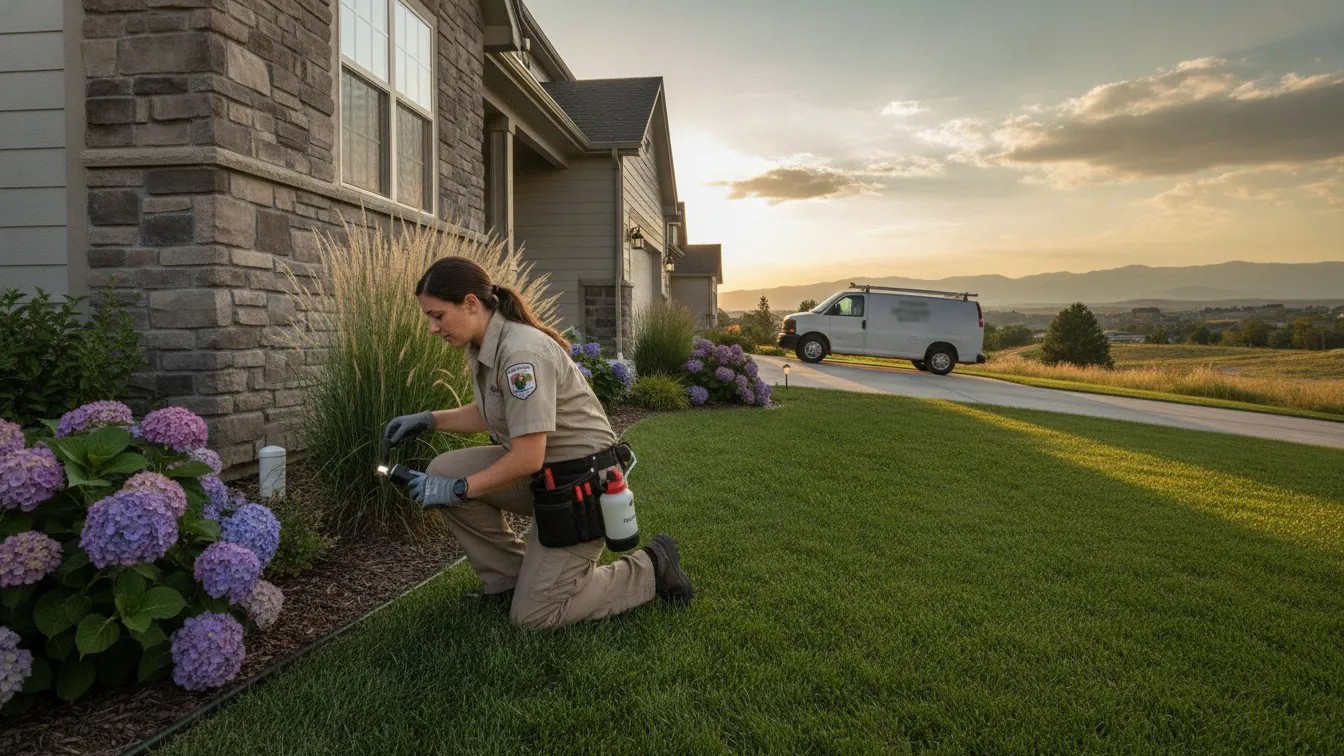
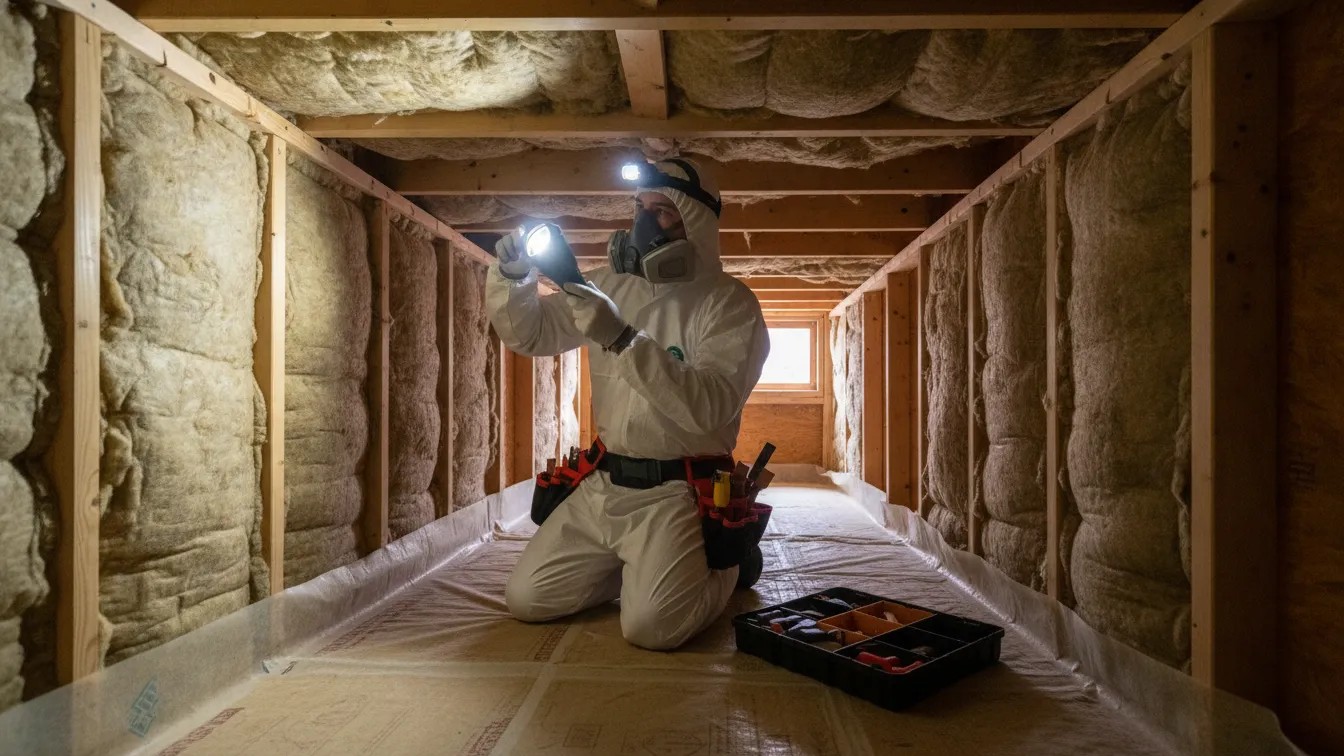
A licensed Beeline professional examines accessible areas for droppings, nesting, gnawing, odor, disturbed insulation, and other signs of current or past activity. The inspection also looks at likely travel routes and conditions that may be attracting rodents. Technicians assess the foundation, vents, doors, utility penetrations, and other openings where mice may enter. Seasonal shelter-seeking is common in Colorado, especially as temperatures fall, so finding the entry route is an important part of preventing a repeat problem.
The inspection helps determine whether the activity appears active, where treatment should be focused, and whether the crawl space connects to areas of concern elsewhere in the home. It also gives the homeowner a clearer understanding of the work recommended and why it is needed.
2. Use targeted treatment with safety in mind
Beeline uses targeted treatment rather than applying products indiscriminately. Professional, tamper-resistant exterior bait stations can address rodent activity around the structure while helping limit access by children and pets. Interior solutions may be used when the inspection indicates that mice are already inside the crawl space or connected areas. Product placement and application are selected for the situation, with family, pet, and environmental safety treated as priorities.
No pest treatment should be described as risk-free or chemical-free. The goal is controlled, purposeful application by trained professionals, combined with practical steps that reduce the chance of continued activity. Homeowners can review the recommended approach and ask questions before work begins.
3. Exclude mice and provide ongoing protection
Treatment addresses the immediate infestation, but exclusion is what helps keep new mice from getting back inside. Beeline identifies feasible openings and recommends sealing or securing entry points as part of a longer-term plan. Depending on the property, this may include gaps around vents, doors, foundation areas, or utility lines. Removing access to shelter is especially important when a crawl space offers a protected route into the home.
Beeline's three-part rodent process combines inspection, targeted treatment, and ongoing protection through exclusion and follow-up. Homeowners can learn more about Beeline rodent control and the approach used for residential properties. Beeline also backs its service with a 100% satisfaction guarantee and free re-treatment when a customer is not satisfied. This gives families a clear path forward after the initial visit.
How Much Does Crawl Space Rodent Removal Cost in Colorado?
There is no single price for crawl space rodent removal in Colorado. Every property presents a different access, activity, and repair challenge. A small, open crawl space with clear signs of recent activity may require a simpler response than a tight area with damaged insulation. Several entry points, or evidence that rodents have been present for an extended period. A reliable estimate should be based on an inspection, not a guess from a phone description.
Inspection scope and crawl space access
The first cost factor is the amount of work required to inspect the space properly. A technician may need to evaluate the crawl space itself, vents, foundation edges, utility penetrations, connected wall voids, and exterior areas where rodents can enter. Limited clearance, blocked access, moisture, debris, or difficult terrain can make that inspection more involved. Denver metro and Front Range homes also vary widely in construction, from older foundations with multiple gaps to newer homes with more complex utility penetrations.
Cleanup, contamination, and damaged materials
Rodent activity can leave droppings, urine, nesting material, odor, and disturbed insulation behind. The estimate should distinguish pest control from cleanup or restoration. Light debris may require one level of handling, while extensive contamination may call for removal and replacement of affected insulation or other materials. These tasks should be explained clearly, including who performs them and whether they are included in the proposed scope.
Entry-point repairs and treatment
Removing mice without addressing how they entered can leave the problem ready to return. Exclusion work may include repairing crawl space vents, sealing foundation gaps, and closing openings around pipes, ducts, cables, or other penetrations. The materials and number of openings affect the work involved. The estimate should list the locations to be sealed, the repair method, and any areas that cannot be safely reached.
Treatment is another variable. Depending on the inspection, a professional plan may include targeted traps or baiting, interior solutions where appropriate, tamper-resistant exterior stations, or a combination of methods. Follow-up visits can be important when activity is ongoing, access is difficult, or exclusion repairs need to be checked and adjusted.
Before approving work, ask for a written explanation of the inspection findings, treatment approach, exclusion repairs, cleanup responsibilities, follow-up schedule, and any conditions that could change the scope. Clear documentation helps Colorado homeowners compare complete solutions rather than comparing incomplete estimates that cover different work.
For related guidance, review Beeline's residential pest control services and learn more about the company's local approach and satisfaction guarantee. You can also read about signs of mice in the home when activity may extend beyond the crawl space.
Call Beeline Pest Control at 303-586-5231 before the problem gets worse.
Frequently Asked Questions
How quickly can mice in a crawl space become a bigger problem?
A small mouse problem can expand if food, water, shelter, and open entry points remain available. Rodents reproduce quickly, so prompt inspection, sanitation, and exclusion are more dependable than waiting for the activity to stop on its own. The EPA recommends sanitation and sealing entry points as core parts of rodent prevention.
Should I place traps in my crawl space?
Traps may help with limited activity, but placement, access, and follow-up matter. A professional can identify travel routes, check for additional entry points, and choose an approach that avoids leaving a rodent in an inaccessible area. Traps alone do not prevent new mice from entering.
Is it safe to clean mouse droppings myself?
Use caution, especially when droppings or nesting material are extensive. Do not sweep or vacuum them, because that can put contaminated particles into the air. Wear rubber or plastic gloves, wet the material with disinfectant, and follow CDC cleanup guidance. Contact a local health department or professional if you are unsure how to handle the area.
What should a crawl space mouse inspection include?
An inspection should look for droppings, nesting, gnaw marks, damaged insulation or wiring, moisture, and openings around vents and utility penetrations. It should also identify how mice are moving between the crawl space and living areas. The treatment plan may include targeted control, exclusion, and follow-up protection rather than a one-time trap placement.
How can I keep mice from returning after removal?
Seal openings around crawl space vents, foundations, pipes, and wiring, then keep garbage, pet food, and other attractants secured. Mice can fit through openings about one-quarter inch wide, according to the CDC. Repairs should use materials suited to the size and location of each gap so exclusion lasts.
Ready to Address Mice in Your Crawl Space?
A professional inspection can help identify how mice are getting in and clarify the safest next steps for your home. Beeline Pest Control provides local, consultative rodent service for Denver metro and Front Range homeowners, with family and pet safety in mind. Call Beeline Pest Control at 303-586-5231 to request a free crawl-space rodent inspection or estimate.
Free Pest Control Quote in Aurora, CO
Dealing with unwelcome pests in your Aurora, Colorado home? From ants and spiders to rodents and more, Beeline Pest Control is your trusted local expert. Fill out our quick form below to tell us about your pest problem. Our friendly team will call you back promptly with a free, no-obligation quote designed to deliver effective and lasting pest solutions for your home. Get started on a pest-free life today!
More Blogs
Some other blogs you might be interested in