How to Get Rid of Carpenter Ants: A Simple Guide
Find out how to get rid of carpenter ants with clear steps for identifying, treating, and preventing infestations in your home.
If you have a carpenter ant problem, you almost certainly have a moisture problem. These ants are specifically drawn to wood that has been softened by water damage, as it’s much easier for them to excavate. Simply spraying the ants without fixing the leaky pipe under the sink or the poor drainage outside is only a temporary fix. A new colony will eventually find that same damp wood. This guide explains how to get rid of carpenter ants by tackling the root cause, helping you create a long-term solution that protects your home from future infestations. If you are a homeowner dealing with recurring infestations, working with pest control expert in Denver can help address both the ants and the underlying conditions that attract them.
Key Takeaways
- Fix water issues to stop ants at the source: A carpenter ant infestation is almost always a sign of a moisture problem. The most effective way to get rid of them for good is to find and repair any leaks, drainage issues, or damp wood that attracted them.
- Focus on the nest, not just the foragers: Spraying the ants you see is only a temporary fix because the queen will continue to produce more. To eliminate the infestation, you must destroy the entire colony by using slow-acting baits or applying treatment directly to the nest.
- Prevent their return by sealing entry points and clearing your yard: Make your home a no-go zone for future ants by caulking cracks in the foundation and around pipes. Also, remove potential outdoor nesting sites like woodpiles and trim back any branches touching your house.
What Are Carpenter Ants (And How Are They Different)?
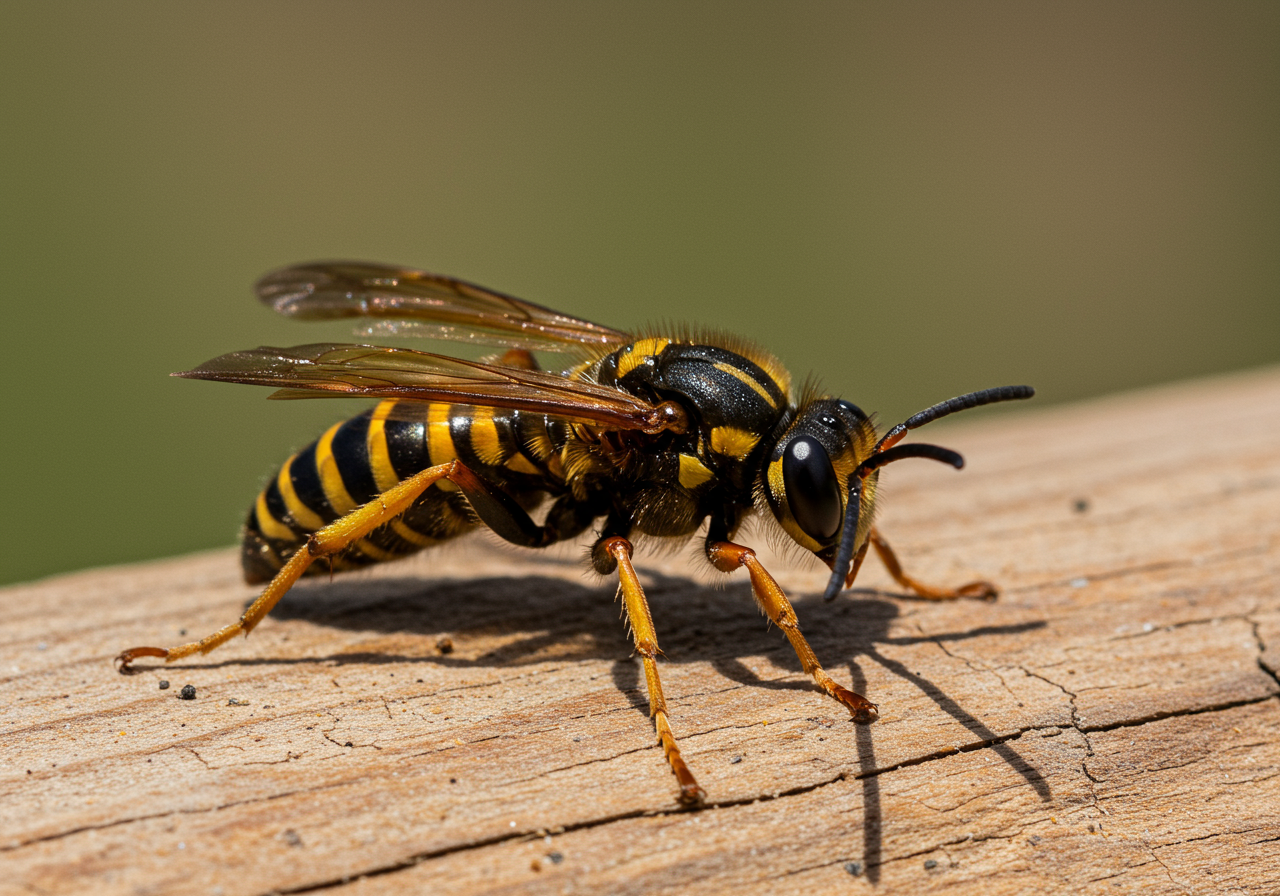
Before you can get rid of carpenter ants, you need to be sure that’s what you’re dealing with. They are often mistaken for termites because both can cause significant damage to the wooden structures of your home. The main difference is that termites eat wood, while carpenter ants do not. Instead, they tunnel through wood to create nests, pushing out sawdust-like shavings called frass.
Understanding what makes these pests tick is the first step toward showing them the door. They are more than just a nuisance; they are tiny excavators that can compromise your home’s integrity over time. Identifying them correctly will help you choose the right elimination method and protect your property from further harm. Let's look at a few of their defining characteristics.
Key physical traits
One of the most noticeable things about carpenter ants is their size. They are some of the biggest ants in the U.S., typically ranging from 1/8 to 1/2 inch long. If you spot an ant that’s unusually large, there’s a good chance it’s a carpenter ant. The queens are even larger and can grow up to one inch long.
Their primary activity is building nests, not finding food. They cause serious damage to homes and other buildings by digging tunnels, also known as galleries, inside wooden beams, walls, and floors. They don't eat the wood for nutrition; they simply chew it up and spit it out to create space for their colonies.
Common colors and body shapes
While most carpenter ants are black, their color can vary. Some species are reddish, yellowish, or a combination of red and black, so don't rule them out based on color alone.
Their bodies have three distinct segments: a head, a rounded thorax, and an abdomen with a single, small node connecting it to the thorax. They also have a noticeably narrow or "pinched" waist, which is a key feature that distinguishes them from termites, which have a broader, more uniform body shape. Observing these details can help you confirm you’re dealing with ants and not a different kind of wood-destroying pest.
Unique nesting habits
Carpenter ants are particular about where they build their homes. They prefer to create nests in wood that is damp, damaged by decay, or already hollow. This makes areas with moisture problems, like leaky pipes, clogged gutters, or poorly sealed windows, prime real estate for an infestation.
They often establish two types of nests: a main parent colony, where the queen lays her eggs, and smaller satellite colonies, which house workers and older larvae. Even if you find one nest, others could be hidden nearby. That’s why simply spraying the ants you see isn't enough. Finding and removing their nest is the most important step to getting rid of them for good.
Signs of a Carpenter Ant Infestation
Spotting a carpenter ant problem early can save you a lot of headaches and potential damage to your home. These ants are sneaky, but they leave behind some telltale clues. If you know what to look for, you can catch an infestation before it gets out of hand. Pay attention to these four key signs that carpenter ants may have moved in.
Piles of wood shavings (frass)
One of the most definitive signs of carpenter ants is finding small, unexplained piles of what looks like sawdust. This material is called "frass," and it’s the byproduct of their nest-building. As they chew through wood to create tunnels and galleries, they push the debris out of small openings. This frass consists of fine wood shavings, but if you look closely, you might also see parts of dead ants mixed in. You’ll typically find these piles beneath nest openings, like under window sills, along baseboards, or in crawl spaces. Unlike termites, carpenter ants keep their tunnels very clean and smooth, almost like they've been sandpapered, so you won't see any mud or soil in their excavated material.
Hollow-sounding or damaged wood
Carpenter ants are drawn to wood that is damp, decaying, or already damaged, as it’s much easier for them to excavate. This is why infestations often start in areas with moisture problems, such as around leaky pipes, under sinks, or in poorly ventilated attics and crawl spaces. A great way to check for their presence is to tap on wooden surfaces you suspect might be infested. If you hear a hollow or papery sound, it’s a strong indicator that ants have been tunneling inside. Pay close attention to door frames, support beams, and porch columns. Any wood that feels soft or spongy is also a red flag for both moisture damage and a potential ant nest.
Faint rustling sounds in your walls
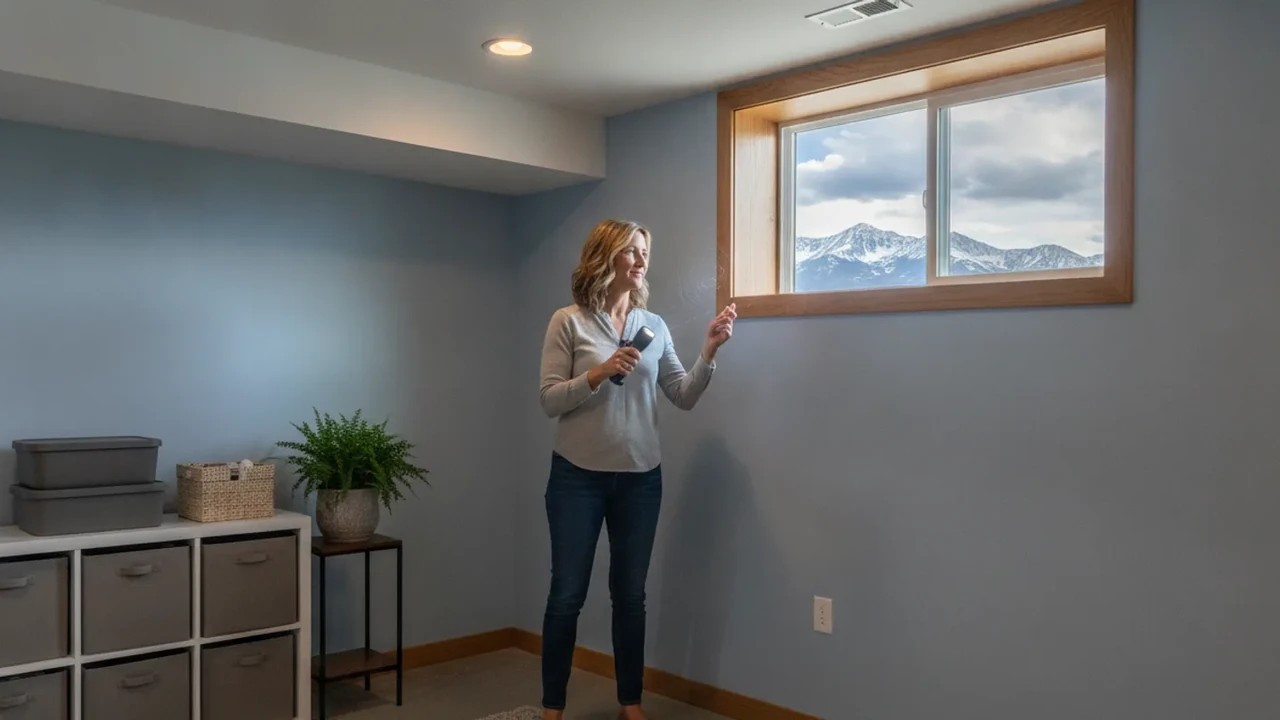
This sign might sound a little unsettling, but it’s a very real indicator of a large, active colony. If you have a significant carpenter ant infestation inside a wall void, you may actually be able to hear them. In a quiet room, press your ear against the wall and listen for faint rustling or crackling sounds. It can sound like crinkling cellophane or a soft, dry scratching. This is the sound of thousands of ants moving around and chewing through the wood to expand their nest. You’re most likely to hear this activity at night when the house is still. These faint sounds are a clear signal that the nest is located right inside that wall.
Trails of live or dead ants
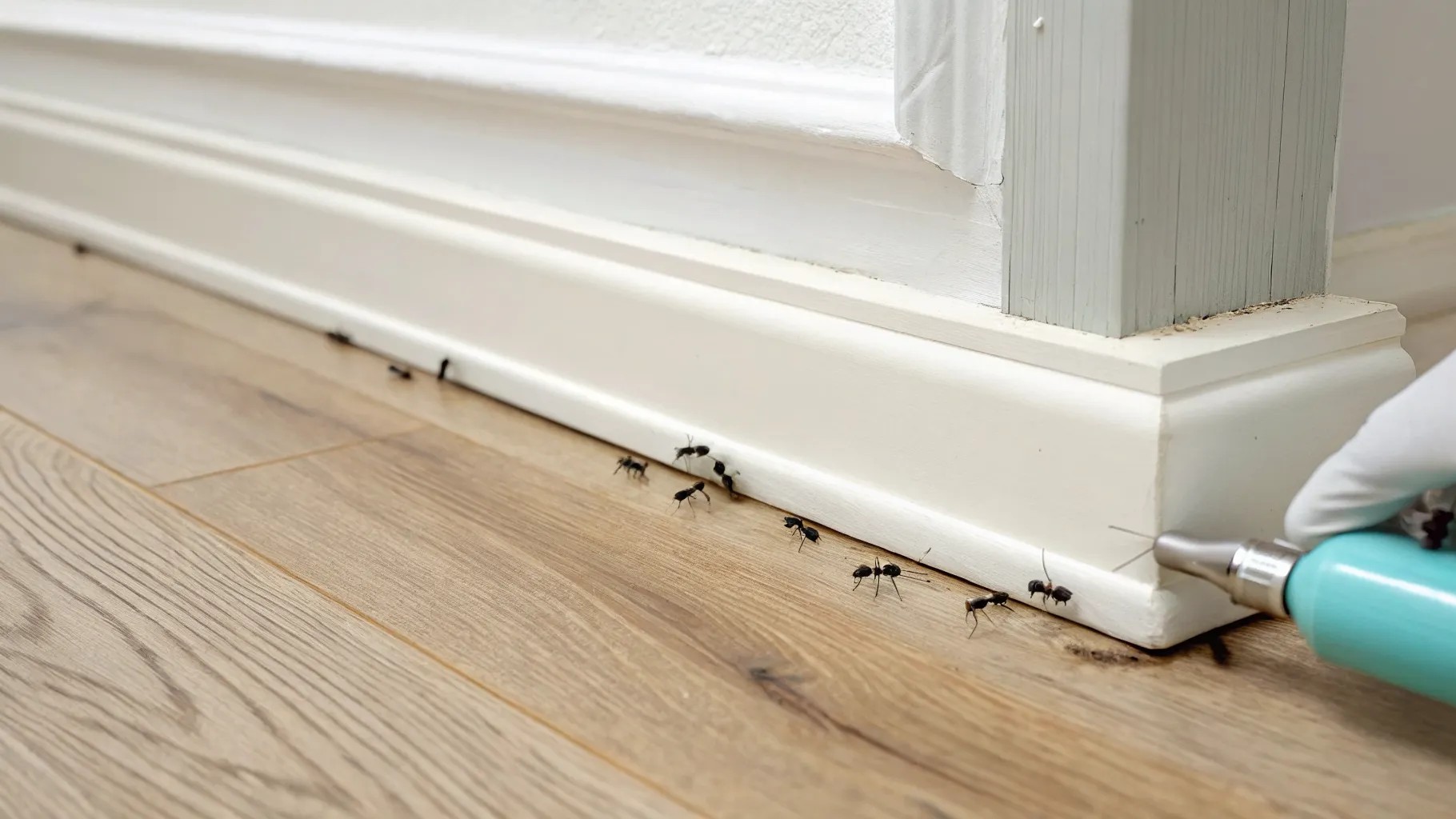
While a single ant wandering across your counter isn't cause for alarm, seeing consistent trails of them is a different story. Carpenter ants are foragers, and they create well-defined trails between their nest and sources of food and water. If you see a steady line of large, black ants marching along your foundation or kitchen baseboards, you likely have a nest nearby. Another major clue is finding a large number of dead ants, especially near windowsills or in basements. Finding dozens of dead ants over a few days suggests a large, established colony is living inside your home. These ant trails are a direct invitation to follow them back to their source.
How to Find the Carpenter Ant Nest
Finding the source of your ant problem is the most important step. Simply spraying the ants you see marching across your floor won't solve the issue because the queen and the colony are hidden away, producing more ants. To truly get rid of them, you have to locate and treat the nest directly. Think of yourself as a detective. With a little patience and observation, you can track these pests back to their home base. Here are four straightforward methods to pinpoint exactly where the carpenter ant nest is hiding in your home.
Follow the ant trail
This feels like a classic detective move for a reason: it works. Carpenter ants need to forage for food, creating a trail between their nest and their food source. You can use this to your advantage. To make the trail easier to see, place a small amount of bait, like a dab of honey, jelly, or even some dog food, where you frequently spot ants. Wait a few hours, then come back with a flashlight (they are often more active at night) and follow their trail back to the nest. It might lead you to a crack in the wall, a floorboard, or a window frame. Be patient, as it can take some time to trace their path.
Listen for activity in the walls
This might sound strange, but you can often hear a carpenter ant infestation. If a colony is large enough and nesting inside your walls, you might hear faint rustling or crackling sounds. It’s the sound of thousands of ants chewing through wood to expand their galleries. In a quiet house, press your ear against the wall in areas where you suspect they might be. You can also use a stethoscope or a glass to amplify the sound. If you hear rustling sounds inside your walls, you’ve likely found the general location of the nest. This is a clear sign that the colony is well-established.
Check for damp or damaged wood
Carpenter ants are not just looking for any wood; they are looking for the right kind of wood. They almost always prefer to build their nests in wood that is damp, decaying, or has been damaged by moisture. This is because soft, wet wood is much easier for them to excavate. Start your search in areas prone to moisture problems. Check under sinks, around bathtubs and showers, near leaky pipes, and around window and door frames. Don’t forget to inspect your attic, crawl space, and any wood that is in direct contact with the ground. If you find soft or discolored wood, you may have found their nesting site.
Look for sawdust and entry points
As carpenter ants tunnel through wood, they don’t eat it. Instead, they push the debris out of their nests. This creates small piles of what looks like fine wood shavings or sawdust. This material, called frass, is a telltale sign of a nest. Look for these little piles of sawdust near baseboards, in crawl spaces, or on windowsills. You might also find parts of dead ants mixed in. Once you spot frass, look directly above it for a small crack or hole. This is likely the "kick-out" hole where they dispose of debris and a direct entry point to their nest. Finding these signs is one of the most effective ways to locate their home base.
The Best Ways to Eliminate Carpenter Ants
Once you’ve confirmed you have carpenter ants, it’s time to get them out of your home. There are several effective ways to handle an infestation, and the right one for you depends on the size of the problem and your comfort level with different products. You can use targeted baits that let the ants do the work for you, apply dusts in hidden areas, or go straight for the nest if you’ve found it. For those who prefer a gentler approach, natural methods can also help disrupt ant activity and keep them at bay. Let's walk through the best options so you can choose the right plan of action for your home.
Use bait stations and gel baits
Baits are a smart and effective way to eliminate an entire colony without having to find the nest yourself. The strategy is simple: you place a slow-acting poison, disguised as a tasty food source, directly in the ants' path. Foraging worker ants find the bait, eat it, and carry it back to share with the rest of the colony, including the queen.
You can find gel baits that you apply in small dabs along ant trails, near cracks, or wherever you see activity. Because ants' dietary needs can change, it's a good idea to use both a sweet-based and a protein-based bait to see which one they prefer. This method requires a little patience, but it’s one of the most thorough ways to ensure you get rid of the entire nest.
Apply insecticide dust
For hard-to-reach places where you suspect ants are traveling, insecticide dust is an excellent tool. Products like boric acid or food-grade diatomaceous earth can be applied into wall voids, behind electrical outlets, and inside small cracks and crevices. The fine powder clings to the ants' bodies as they walk through it, and they carry it back to the nest, spreading it to other ants.
To apply it effectively, use a small duster to puff the powder into these hidden areas. This ensures the dust gets deep into the spaces where ants live and travel, creating a deadly barrier. It’s a targeted approach that works well for treating the unseen pathways ants use to move through your home.
Treat the nest directly
If you’ve successfully located the carpenter ant nest, you can take a direct approach to destroy it. This is the fastest way to eliminate the problem, but it depends entirely on finding the source. Once you’ve pinpointed the nest, you can use a specialized insecticide spray formulated for carpenter ants and apply it directly into the nest cavity.
For a less chemical-heavy option, a simple mixture of soap and water can also be effective when sprayed directly into the nest, as it breaks down the ants' exoskeletons. Remember that carpenter ants often have a main nest outdoors and smaller satellite nests indoors, so be sure you’re treating the right one to solve the problem for good.
Try natural elimination methods
If you prefer to avoid harsh chemicals, several natural methods can help manage carpenter ants. A solution of one part white vinegar and one part water can be sprayed directly on ants and along their trails. Vinegar doesn't kill the whole colony, but it does kill ants on contact and erases the invisible pheromone trails they use to communicate and find food.
Essential oils are another popular deterrent. Ants dislike strong scents, so you can use oils like peppermint, tea tree, or citrus. Mix a few drops with water in a spray bottle and apply it around baseboards, windows, and door frames. While these natural repellents are great for discouraging ants, they are typically best for smaller issues or as a preventive measure, not for eliminating a large, established infestation.
If DIY methods don’t fully resolve the issue, our comprehensive pest control solutions in Denver are designed to eliminate entire colonies and prevent future infestations.
How to Destroy the Nest
Once you’ve located the carpenter ant nest, your next step is to eliminate it directly. This is the most effective way to solve your ant problem for good, as it targets the queen and the entire colony at its source. Simply spraying the ants you see foraging in your kitchen won't stop the infestation. You have to go after their home base. There are a few reliable methods for destroying the nest, depending on its location and your comfort level with using insecticides.
Apply a direct spray
For nests that are visible or easily accessible, a direct spray can be a quick and effective solution. You can use a simple mixture of soap and water or a specialized insecticide designed for carpenter ants. The key is to spray the treatment directly into the nest to ensure it reaches the queen and larvae. If the nest is inside a wall void, you may need to drill a small, discreet hole to get the spray inside. Saturate the area thoroughly to make sure you’ve treated the entire colony. This method works fast and can wipe out the nest in a single application if done correctly.
Use an insecticidal dust
If the nest is hidden deep within wall voids or other hard-to-reach spaces, an insecticidal dust is an excellent choice. Products like boric acid or diatomaceous earth can be applied into cracks, crevices, and electrical outlets using a small puffer or duster. The fine powder coats the inside of the void, and ants track it through the nest. Boric acid is a slow-acting stomach poison, while diatomaceous earth works by drying out the ants’ exoskeletons. This method provides long-lasting control as the dust remains effective as long as it stays dry.
Take safety precautions
Whenever you’re working with insecticides, your safety should be the top priority. Always read the product label carefully before you begin. When mixing a liquid pesticide, a good rule of thumb is to put the pesticide in the sprayer first, then add water. This helps it mix properly without you having to shake it vigorously, which can prevent accidental splashes. It’s also smart to wear protective gear like gloves, safety glasses, and a mask. Make sure the area is well-ventilated, and keep children and pets away until the treatment has completely dried.
When to Call a Professional
Tackling a pest problem on your own can be satisfying, but there are times when it’s best to call for backup. Carpenter ants, in particular, can cause issues that go beyond a simple nuisance. If you’re dealing with a stubborn or widespread infestation, a professional pest control service has the tools and expertise to solve the problem for good. Here are three clear signs that it’s time to pick up the phone.
The infestation is large
Seeing one or two ants is one thing, but finding trails of them marching through your kitchen is another. A large, visible ant population usually means there’s a well-established colony hiding somewhere nearby. At this stage, store-bought baits and sprays often aren’t enough to eliminate the entire nest, including the queen. When an infestation has grown beyond a few stray ants, professional help is usually needed to ensure the problem is completely resolved. Experts can track down the main nest and any satellite colonies you might have missed.
You suspect structural damage
This is the most serious sign. Carpenter ants create tunnels and galleries inside wood to build their nests, which can weaken the structural integrity of your home over time. If you notice wood that sounds hollow, see sagging floors or ceilings, or find that windows and doors are suddenly sticking, don't wait. These are red flags for potential damage. Because these pests can compromise your home's framework, it's critical to get a professional assessment as soon as you suspect a problem. The cost of an inspection is minor compared to fixing major structural issues down the line.
Your DIY treatments have failed
It’s frustrating when you’ve tried every spray, trap, and home remedy with no success. If the ants keep coming back, it’s not a reflection on your efforts. It’s a sign that the infestation is more complex than a DIY approach can handle. Pest control professionals can develop a specific plan for your home. They have access to more effective, commercial-grade treatments and know exactly where to apply them to wipe out the nest for good. Instead of spending more time and money on solutions that aren't working, let an expert take over. Learn more about our approach and experience by visiting our about page and see how we handle complex infestations.
How to Prevent Carpenter Ants from Coming Back
Once you’ve dealt with an infestation, the last thing you want is a repeat performance. Taking a few preventative steps can make your home much less appealing to future carpenter ant colonies. The key is to think about what attracted them in the first place: moisture, easy access, and potential nesting sites. By addressing these areas, you can create a long-term defense against these wood-destroying pests. It’s all about making your home and yard a place where carpenter ants simply don’t want to be.
Control moisture and fix leaks
Carpenter ants are drawn to damp, decaying wood, so controlling moisture is your most important preventative task. A small leak can create the perfect environment for a new colony to move in. Regularly inspect your home for any signs of water damage, especially under sinks, around tubs, and near appliances. Also check that your roof and gutters are clear and directing water away from your foundation. Fixing any moisture problems is the best way to tell these ants they aren’t welcome.
Seal cracks and entry points
Ants can squeeze through the smallest openings, so you need to seal up their entryways. Walk around the exterior of your home and look for cracks in the foundation, gaps around windows, and openings where utility pipes enter the house. A tube of silicone caulk is your best friend for this job. Sealing these gaps not only keeps ants out but can also help with your energy bills. It’s a simple project that provides a strong barrier against pests.
Clear away outdoor attractants
Your yard can act as a bridge for carpenter ants. To prevent this, start by removing potential nesting sites. Get rid of old tree stumps and clear away woodpiles, or at least store them far from your house. Trim back any tree branches or shrubs that are touching your home, as ants will use these as highways to get to your siding. Keeping the area around your foundation clear removes the hiding spots and travel routes that carpenter ants rely on.
Store food properly and keep clean
While carpenter ants tunnel through wood, they don’t eat it. They forage for food just like other ants, often making their way to your kitchen. Keep your counters and floors free of crumbs and sticky spills. Store sweet foods like sugar and syrup in airtight containers, and don’t leave pet food sitting out for long periods. Wiping down surfaces and cleaning up messes right away removes the food sources that attract scout ants. A clean kitchen is a simple way to prevent pests at home.
Common Treatment Mistakes to Avoid
When you’re dealing with carpenter ants, it’s easy to make a few missteps that can prolong the problem. Simply spraying the ants you see marching across your floor won’t solve the underlying issue. To get rid of them for good, you need to think like an ant and attack the problem at its source. Avoiding these common mistakes will save you time, money, and a lot of frustration. By understanding what doesn't work, you can focus your efforts on what does.
Using the wrong type of product
Grabbing a generic can of ant spray from the store might feel productive, but it’s one of the biggest mistakes you can make. These contact killers only eliminate the worker ants you can see, which are just a tiny fraction of the colony. The main nest, along with the queen, remains safe and sound inside your walls, continuing to produce more ants. Many DIY methods fall short because they fail to wipe out the entire colony, allowing the infestation to rebound. While some baits can be effective, you need a slow-acting formula designed for carpenter ants, which workers will carry back to share with the nest.
Ignoring the root moisture problem
Carpenter ants don’t eat wood; they excavate it to build their nests. And they specifically seek out wood that has been softened by moisture. If you have a carpenter ant problem, you almost certainly have a moisture problem, too. Spraying insecticide without addressing the leak under your sink or the poor drainage against your foundation is a temporary fix at best. The damp wood will just attract a new colony. The most important step for permanent removal is to find and fix any water problems in your home. Check for leaky pipes, clogged gutters, and condensation issues in basements or attics.
Focusing on the ants, not the nest
Seeing a trail of ants and spraying it is a reactive approach. A successful treatment plan is proactive and targets the heart of the colony: the nest. As long as the queen is alive and laying eggs, the ant population will continue to grow. Your primary goal should always be to locate and destroy the nest. This is why simply killing foragers is ineffective. Instead, you need to follow their trails back to their entry points, listen for activity in the walls, and look for piles of frass. Once you find their nest, you can treat it directly with an insecticidal dust or bait, ensuring you eliminate the source of the infestation for good.
Related Articles
- How to Get Rid of Carpenter Ants: 10 Natural Tips
- Carpenter Ants: Signs, Prevention, and Removal
- How to Tell if You Have Carpenter Ants or Termites
- A Brief Guide to Mold, Moisture, and Your Home
- Ant Trails and How to Follow Them
Frequently Asked Questions
I only saw one or two big ants inside. Should I be worried? Seeing a single large ant, especially in the spring, isn't necessarily a sign of a full-blown infestation. It could just be a scout looking for food or a new place to nest. However, you should treat it as a warning sign. Keep an eye out for more ants and look for other clues, like small piles of wood shavings. If you start seeing them regularly, it’s time to investigate further.
What's the quickest way to tell if I have carpenter ants or termites? The easiest way to tell them apart is by looking at their bodies and what they leave behind. Carpenter ants have a distinctly narrow, pinched waist, while termites have a thick, uniform body shape. Also, carpenter ants push out clean, sawdust-like shavings (frass) from their nests. Termites, on the other hand, often create muddy-looking tubes and their tunnels will be gritty, not smooth.
Why are carpenter ants in my house if they don't eat wood? This is a great question because it gets to the heart of their behavior. They aren't looking for a meal; they're looking for a home. Carpenter ants tunnel through wood to create safe, protected galleries where they can raise their colony. They are particularly attracted to wood that has been softened by moisture because it’s much easier for them to excavate.
How long will it take for baits to actually work? Patience is key when using baits. They are designed to be slow-acting so the worker ants have enough time to carry the poison back to the nest and share it with the entire colony, including the queen. You might see an increase in ant activity for a few days as they swarm the bait. It can take a few weeks to see a significant drop in their numbers as the bait works its way through the population.
Is it possible to have more than one nest in my home? Yes, it's very common. Carpenter ants often establish a main parent colony, which is usually located outdoors in a tree stump or woodpile, and then create smaller satellite nests inside your home. These satellite nests are often found in areas with moisture damage. This is why just treating one nest you find might not solve the problem completely.
Get Your Free Pest Control Quote – Aurora, CO
Ready to get rid of unwanted pests? Fill out our quick form to receive a free, no-obligation quote for effective pest control services right here in Aurora, Colorado. We'll call you back to discuss your needs and help protect your home from bugs and rodents. Get started today!
More Blogs
Some other blogs you might be interested in