How to Handle Bee Hive Removal Safely & Humanely
Get practical tips for safe, humane bee hive removal. Learn how to identify hives, avoid risks, and protect both your home and local pollinators.
A bee hive on your property is more than just a buzzing nuisance; it’s a potential threat to your home’s integrity. While the bees themselves are the most obvious issue, the hive they build inside your walls or attic can cause serious, hidden damage. Leaking honey can rot wood, stain drywall, and attract other pests like ants and rodents, creating a much bigger problem down the line. This guide explains why a complete and professional bee hive removal is essential for protecting your property. For homeowners dealing with infestations, working with a trusted provider of bee hive removal services in Denver ensures the problem is handled safely and completely. In this guide, we’ll cover the steps needed to not only remove the bees but also clean and seal the area to prevent future infestations.
Key Takeaways
- Identify Your Insect Before Acting: The first step is always observation. Knowing whether you have fuzzy honey bees or sleek wasps determines your next move, as honey bees require relocation by a beekeeper while wasps often need a pest control expert.
- Avoid DIY Removal to Prevent Damage: Attempting to remove a hive yourself is risky and often leads to bigger issues. An incomplete removal can leave behind honey and comb that rots inside your walls, causing structural damage and attracting other pests.
- Hire an Expert for a Safe, Lasting Solution: Calling a professional is the safest choice for you and the most humane option for the bees. An expert will remove the entire hive, clean the area to prevent future swarms, and seal entry points for a permanent fix.
How to Spot a Bee Hive on Your Property
Finding a bee hive on your property can feel a little overwhelming, but knowing what to look for is the first step toward handling it safely. Bees often give off subtle clues that they’ve moved in. By paying attention to a few key signs, you can identify a potential hive early and figure out your next steps. Catching it sooner rather than later makes the removal process much simpler for both you and the bees.
An Increase in Bee Activity
One of the most obvious signs of a nearby hive is a sudden increase in bee traffic. If you notice a steady stream of bees flying to and from a specific spot on your house or in your yard, they’re likely following a path to their home. This is especially common in the spring when bee swarms are looking for a new place to live. A swarm itself, which looks like a large, buzzing cluster of bees, is a definite sign that a colony is establishing a new hive. While it might look intimidating, the bees are usually just resting while scouts search for a permanent home.
Buzzing Sounds and Visible Nests
Sometimes you can hear a hive before you see it. If you notice a consistent, low buzzing sound coming from a wall, chimney, or attic, it’s a strong indicator that a colony is inside. Bees love to build their homes in protected, enclosed spaces. Take a walk around your property and look closely at the edges of your roof (the soffits and eaves), vents, and any cracks in your siding. These are common entry points. A visible nest is the clearest sign, but they can be well hidden, so trusting your ears is just as important as using your eyes when doing a bee inspection.
Finding Honeycomb or Wax Residue
Discovering honeycomb or waxy residue is concrete proof of bee activity, whether the hive is currently active or abandoned. You might find these remnants in a wall void during a renovation or see dark, waxy stains on your siding. An old, abandoned hive can cause problems, too. If a colony is gone but the honeycomb remains, the leftover honey can ferment and leak, causing structural damage and attracting other pests. Finding honeycomb means you’ll need a professional to properly remove the hive and all its components to prevent future issues.
Identify the Bees on Your Property
Before you can decide on a removal plan, you need to play detective and figure out exactly who your new neighbors are. Not all buzzing insects are the same, and knowing whether you have honey bees, bumblebees, or wasps is the most important first step. This will determine who you call for help and how the nest is handled, ensuring a safe and effective outcome for both you and the insects.
Honey Bees, Bumblebees, or Wasps?
At a glance, these insects can look similar, but they have some clear differences. Honey bees have fuzzy, compact bodies that are perfect for collecting pollen. Bumblebees are their larger, rounder, and even fuzzier cousins. Wasps, on the other hand, are a different story. They have smooth, slender bodies with a distinctly narrow waist. Understanding these distinctive traits is your first clue. If the insects on your property look more sleek and shiny than fuzzy, you are likely dealing with wasps, not bees.
Key Differences in Appearance and Behavior
Let’s look closer at their appearance and how they act. Honey bees typically have golden-brown and black stripes. As vital pollinators, they are generally quite docile and prefer to keep to themselves unless their hive is threatened. Bumblebees are also peaceful pollinators. Wasps are often more brightly colored, and their behavior is a major giveaway. They tend to be much more aggressive than bees and can sting multiple times without provocation, which is something bees cannot do. This difference in temperament is a critical factor when planning for removal.
Why Identification Is Key for Safe Removal
Properly identifying the insects is essential for a safe and humane process. If you have beneficial honey bees, the goal is to relocate them, not exterminate them. You would call a beekeeper to rescue the colony. For wasps, you would contact a pest control professional. It’s also important to know that simply killing a honey bee colony inside a wall is a bad idea. The leftover honey and comb can cause significant structural damage and attract other pests. For this reason, it's best to leave the removal of honey bee swarms and established hives to experts who can do it correctly.
The Risks of DIY Bee Hive Removal
When you discover a bee hive on your property, your first instinct might be to handle it yourself. While the DIY spirit is admirable for many home projects, bee removal isn't one of them. Attempting to remove a hive without professional training comes with serious risks that can affect your health, your home, and your wallet. The potential consequences often far outweigh any money you might save. Before you reach for a can of insecticide, let’s walk through exactly why calling an expert is the safest and smartest choice for both you and the bees.
The Danger of Stings and Allergic Reactions
When you disturb a bee hive, you’re not just dealing with one or two bees; you’re provoking an entire colony that will defend its home aggressively. This can easily result in dozens or even hundreds of painful stings. For most people, this means intense pain, swelling, and discomfort that can last for days. But for individuals with a bee venom allergy, the situation is far more critical. A single sting can trigger a severe, life-threatening allergic reaction known as anaphylaxis. Without immediate medical attention, this can be fatal. It’s a significant risk that simply isn’t worth taking when safe, professional options are available.
Potential Damage to Your Property
The trouble doesn't stop with the stings. An established bee hive can cause significant, hidden damage to your home. Bees often build their nests inside walls, softening drywall and other materials to make space for their growing colony. If you try to solve the problem by spraying pesticides and killing the bees, you create an even bigger mess. The abandoned hive, full of honey and larvae, will begin to rot. The honey will ferment and can leak through your walls and ceilings, creating a foul odor, attracting other pests like ants and rodents, and causing permanent stains and structural damage. The cost of repairing this damage is often much higher than the cost of professional hive removal. This is why many homeowners turn to comprehensive pest control in Denver that address both the hive and any secondary infestations.
Legal and Environmental Concerns
Beyond the immediate risks to you and your home, there are also important legal and environmental factors to consider. Honey bees are essential pollinators for our ecosystem and food supply. Because of their declining populations, they are protected by law in many regions. Killing a honey bee colony without the proper permits can result in fines. Using pesticides is particularly problematic, as it not only leads to the rotting hive issues we just discussed but also harms the environment. A professional bee removal service understands local regulations and has the expertise to relocate the colony humanely, ensuring the bees can continue their vital work somewhere safe.
How to Safely Remove a Bee Hive
Finding a bee hive on your property can be alarming, but handling it doesn't have to be a stressful experience. The key is to approach the situation with a clear plan that prioritizes safety for both you and the bees. A proper removal is a careful process that involves knowing who to call, using the right equipment, and understanding bee behavior. Here’s a look at how professionals handle bee hive removal safely and humanely.
Beekeeper vs. Pest Control: Who to Call
When you find a hive, your first instinct might be to call an exterminator, but a local beekeeper is often the better choice. Beekeepers specialize in the live removal and relocation of honey bees, which is crucial for these important pollinators. Many local beekeepers will even remove swarms for a small fee or sometimes for free, as they can add the colony to their apiary. Pest control services, on the other hand, may use methods that kill the bees. Since honey bee swarms are generally not aggressive (they don't have a home to defend yet), letting an expert safely move them is the most responsible and humane option for everyone involved.
Using the Right Safety Gear
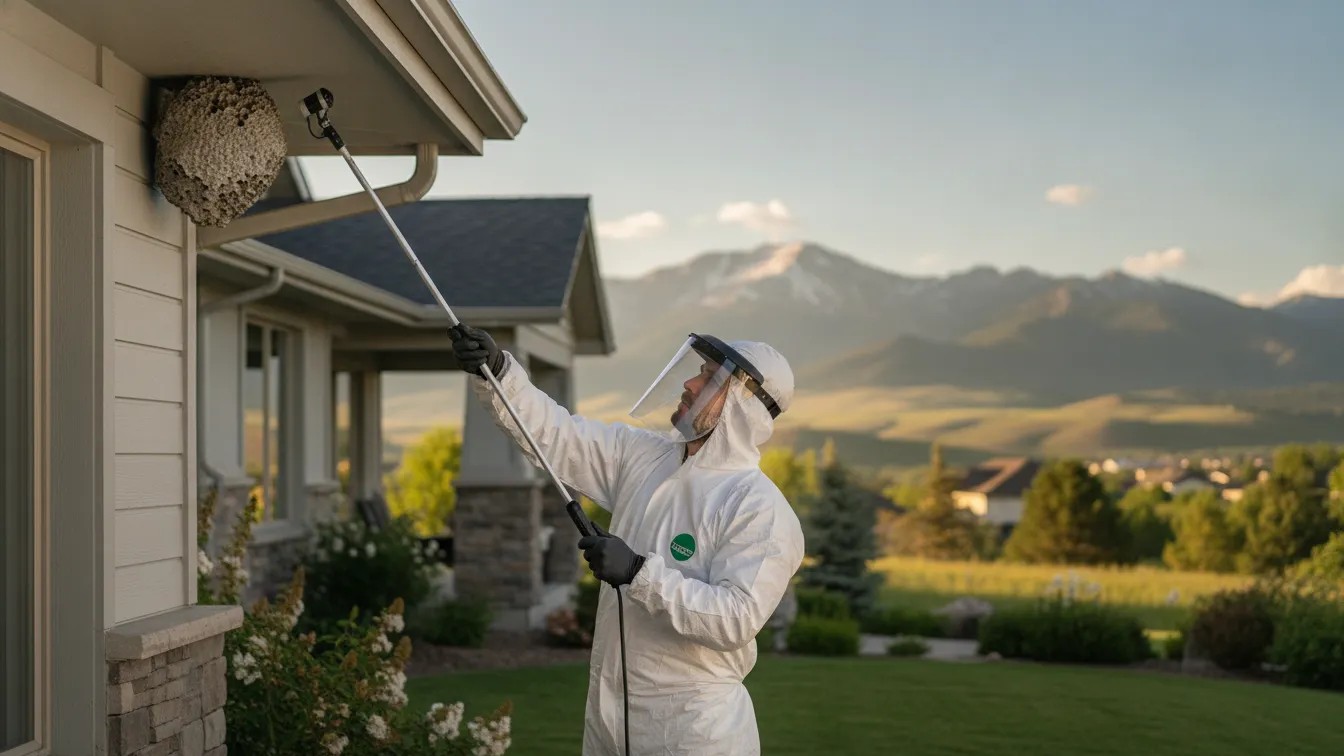
Attempting to remove a bee hive without the proper gear is incredibly dangerous. Professionals arrive with a full arsenal of specialized equipment designed to protect them from stings and handle the bees gently. This isn't just a pair of thick gloves; it includes a full bee suit with a veil, sting-resistant boots, and a bee smoker to help calm the colony. They also use specific tools like low-pressure bee vacuums to safely collect the bees without harming them and a hive box to transport the colony to its new home. The need for this extensive and expensive safety equipment is a major reason why DIY removal is not recommended.
Choosing the Best Time for Removal
Timing is everything when it comes to removing a bee hive. A professional will schedule the removal strategically to ensure the highest chance of success and the least amount of stress for the bees. The best time of day is typically at dawn or dusk, when most of the bees are back inside the hive for the night. This ensures the entire colony can be collected and relocated together. Seasonally, early spring is often the ideal time for a removal. The colony is usually smaller, and they haven't had the chance to produce large amounts of sticky honey, which makes the process cleaner and less disruptive for your property.
A Step-by-Step Guide to Humane Removal
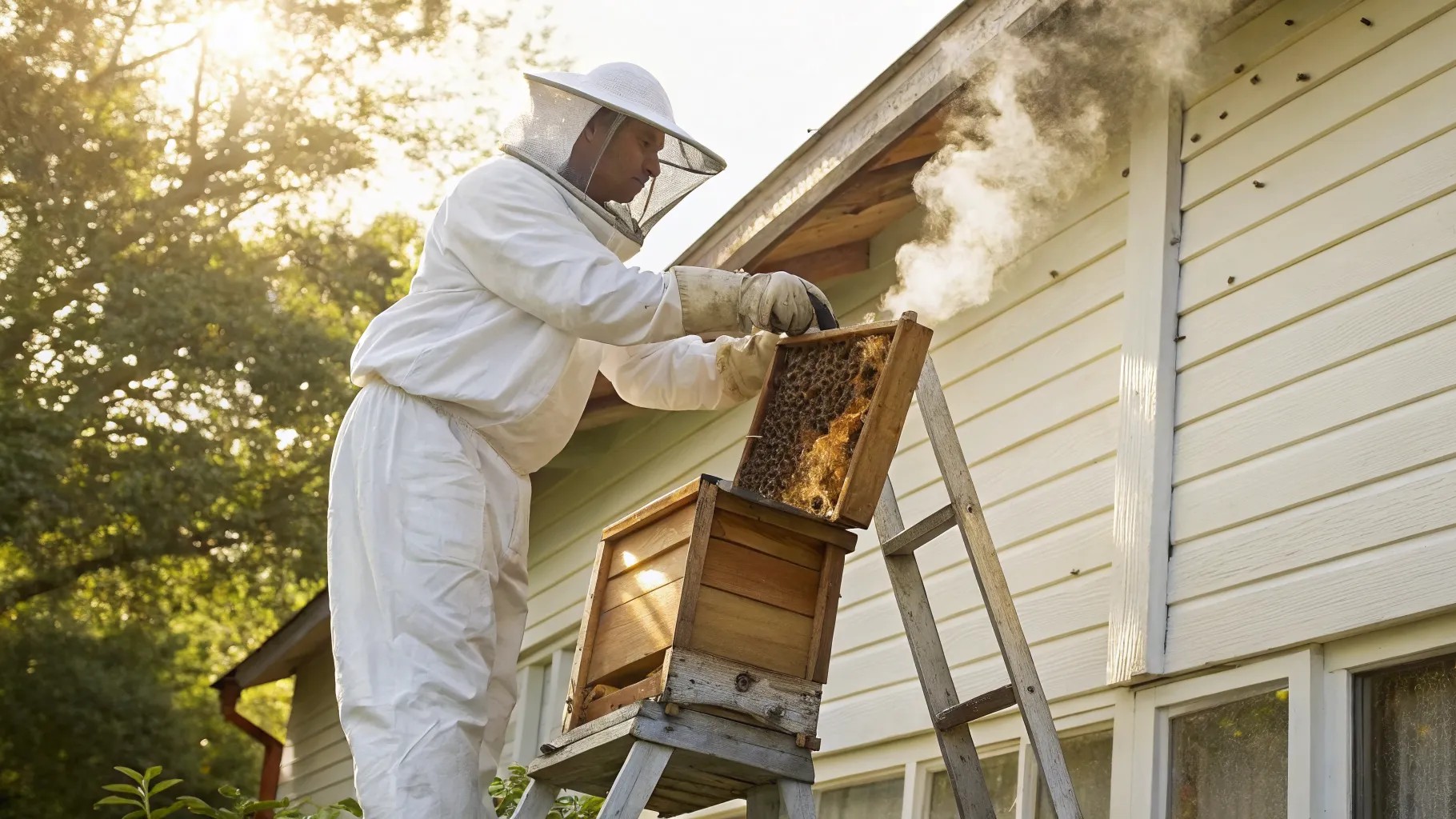
A humane bee removal is a delicate operation. A professional will begin by using a smoker to calm the bees, which masks the alarm pheromones they release. Then, they will carefully expose the hive and begin removing the honeycomb, piece by piece. The bees are gently brushed or vacuumed into a special transport box. The goal is to remove the bees and their combs without killing them. Once the bees and comb are gone, the expert will scrape the area clean of any remaining wax and honey. This final step is critical, as the scent can attract a new swarm to the same spot in the future.
What to Do After Removing the Hive
Getting a bee hive removed from your property is a huge relief, but the work isn’t quite finished. Once the bees and their hive are gone, you’re left with the remnants: honeycomb, honey, and powerful pheromones that act like a "vacancy" sign for future swarms. Failing to properly clean and seal the area can lead to a new colony moving in, or worse, cause structural damage and attract other pests like ants and rodents.
Think of this final stage as securing your home against a future invasion. It involves three key steps: a thorough cleaning of the site, removing every last bit of honey and comb, and sealing up any potential entry points. Taking the time to do this right ensures the removal was a permanent solution, not just a temporary fix. It protects your property and gives you peace of mind, knowing you won't have to deal with another buzzing infestation anytime soon. These follow-up actions are just as important as the removal itself.
Clean and Sanitize the Area
After the bulk of the comb has been removed, your first job is to get rid of any lingering materials and scents. Start by scraping away all leftover beeswax and propolis (a resin-like mixture bees create). For any remaining bees, a bee brush or a special, gentle bee vacuum can help collect them without harm. Once the physical debris is gone, it’s time to sanitize. A simple cleaning solution can work well to break down the remaining residue. The goal is to eliminate the distinct smells that attract other bees to the newly vacant spot. For an extra layer of protection, consider applying a fresh coat of paint over the area to completely seal in any residual odors.
Remove Leftover Honey and Comb
Leaving behind honey and comb is an invitation for trouble. If a hive was located inside a wall, any leftover honey can melt and seep into your home’s structure. This sticky mess can stain drywall, damage insulation, and create a serious mess. Over time, the honey will begin to ferment, producing a foul odor and attracting a whole host of other pests, including ants, cockroaches, and mice. A professional removal service should handle this, but it’s crucial to double-check that every piece of the hive has been taken out. A thorough hive removal prevents future headaches and costly repairs from secondary infestations or structural damage.
Seal All Entry Points
Bees are resourceful and can squeeze through surprisingly small openings. The lingering scent of a previous hive makes your property a prime target for scouting bees looking for a new home. To prevent a new colony from moving in, you need to seal every possible entry point. Carefully inspect the area and caulk any cracks or holes that are the size of a pencil or larger. For bigger gaps, like vents or soffits, install a fine-gauge screen to block access without impeding airflow. If the hive was in a large, empty space like a wall cavity, filling it with expandable foam can make the area unsuitable for future nesting.
How to Prevent Future Bee Hives
Once you’ve had a hive removed, the last thing you want is a new colony moving in. Bees leave behind pheromones that can attract future swarms to the same spot, so taking preventive measures is a crucial final step. Making your home less attractive to scout bees looking for a new home is much easier than dealing with another full-blown hive. A little proactive maintenance can save you a lot of time, money, and stress down the road.
The best prevention strategy involves three key parts: regularly checking your property for vulnerabilities, sealing up potential entry points, and encouraging bees to thrive in a part of your yard that’s safely away from your house. By taking these steps, you can create a less inviting environment for bees to build a hive in your home while still supporting these vital pollinators in your local ecosystem. It’s about setting clear boundaries so you and the bees can coexist peacefully. This isn't about declaring war on bees; it's about being a responsible homeowner and a good neighbor to nature. Think of it as gently guiding them to a more suitable location where they can do their important work without causing you any trouble.
Inspect Your Property Regularly
Making a habit of inspecting your home’s exterior a few times a year, especially in the spring, can help you spot trouble before it starts. Walk around your property and look for any new cracks or holes that have appeared over the seasons. Pay close attention to areas like roof eaves, vents, the foundation, and spots where utility lines enter the house.
Keep an eye out for an unusual amount of bee activity in one specific area. According to the University of California's integrated pest management program, a cluster of bees that seems to be shrinking is a major red flag, as it often means they are moving inside a wall or opening. Catching these signs early allows you to take action before a colony becomes fully established.
Maintain Common Nesting Spots
Once you’ve identified potential entry points, the next step is to seal them up. Bees can get through surprisingly small openings, so a good rule of thumb is to seal any hole that’s the size of a pencil or larger. For smaller cracks in siding or around window frames, a quality exterior caulk works well.
For larger gaps, like those around pipes or in vents, you can use fine-mesh screen or steel wool, which bees can’t chew through. If you have large, empty spaces in walls or other structures, filling them with expandable foam can make them unsuitable for nesting. Focus your efforts on common nesting spots like wall voids, chimneys, attics, and sheds to make your home as uninviting as possible for a prospecting swarm.
Create a Bee-Friendly Yard (Away From Your House)
Preventing bees from nesting in your home doesn’t mean you have to get rid of them entirely. Honey bees are incredibly important for our environment and food systems, so we should do what we can to protect them. A great way to do this is by creating a bee-friendly habitat in your yard, but at a safe distance from your house.
Consider planting a patch of native wildflowers or a pollinator garden in a back corner of your property. This gives bees a reliable food source and encourages them to forage far away from your doors and windows. By providing a better alternative, you can redirect their attention from your home. If you do find a swarm, you can often find local bee rescuers who will safely relocate the colony instead of exterminating it.
Why You Should Call a Professional
When you find a bee hive on your property, your first instinct might be to figure out how to handle it yourself. While the DIY spirit is admirable, bee removal is one of those jobs best left to people with specific training and equipment. Professionals not only know how to get the job done safely, but they also understand the importance of protecting these vital pollinators whenever possible. Calling in an expert provides a solution that is safer for you, better for your home, and often more humane for the bees. It’s about getting the job done right the first time, without putting anyone or anything at unnecessary risk.
Experts Understand Bee Behavior
A key reason to call a professional is their deep understanding of bee behavior. They can quickly and accurately determine if you're dealing with honey bees, bumblebees, or a more aggressive species like wasps. This identification is crucial, as the removal method depends entirely on the insect. For instance, a honey bee swarm might seem intimidating, but the bees are often docile because they aren't defending a hive. Still, an expert knows how to approach them without causing alarm. A professional bee rescuer has the knowledge to manage the situation calmly and effectively, ensuring the bees are handled properly and relocated safely.
Comparing the Cost and Long-Term Value
You might think a DIY removal will save you money, but it can often lead to more significant expenses down the road. A failed attempt could result in property damage or the bees simply returning. Professional beekeepers sometimes remove accessible swarms for a small fee or even for free. For more complex removals, like a hive inside a wall, there will be a cost, but it’s an investment in a permanent solution. While some pest control companies handle bees, they may not specialize in live removal and often resort to extermination. A professional ensures the entire hive and honeycomb are removed, preventing future pest problems and structural damage.
Guaranteed Safety and Peace of Mind
Above all, hiring a professional guarantees your safety. Attempting to remove a hive yourself without the right gear or knowledge can be incredibly dangerous. Agitating a colony can trigger a defensive response, leading to painful stings that can be life-threatening for anyone with an allergy. Professionals arrive with protective suits, specialized tools, and a proven process to safely remove and relocate bees. Handing the job over to an expert gives you complete peace of mind, knowing that your family is safe and the problem is being handled by someone who knows exactly what they’re doing.
Learn more about our team and our approach to humane bee hive removal.
Frequently Asked Questions
What’s the difference between a bee swarm and an established hive? A swarm is essentially a traveling group of bees that has split off from a larger colony to find a new home. It looks like a large, buzzing cluster of bees hanging from a tree branch or fence post. They are usually quite calm since they don't have a home to defend yet. A hive, on the other hand, is the permanent, established nest where bees live, raise their young, and store honey. Bees will be much more protective of an established hive.
Is it ever okay to just leave a bee hive alone? This really depends on where the hive is located. If a colony has built its home high up in a tree in a far corner of your yard where it won't be disturbed, leaving it alone can be a perfectly fine option. However, if the hive is in or on your house, or in a high-traffic area like near a deck or a child's play structure, it poses a safety risk and should be professionally removed.
What are the quickest ways to tell if I have bees or wasps? The easiest way to tell the difference is by looking at their bodies and behavior. Bees, like honey bees and bumblebees, are fuzzy and robust. Wasps are smooth and slender with a very distinct, pinched waist. Wasps also tend to be more aggressive and are often interested in your picnic food, while bees are typically focused on flowers and will only bother you if they feel their hive is threatened.
Why can't I just use a spray to kill a hive inside my wall? Using a pesticide creates a much bigger problem than it solves. While it may kill the bees, it leaves the entire hive structure, including honey and larvae, to rot inside your wall. The fermenting honey can leak through your drywall, causing foul odors, permanent stains, and serious structural damage. This decaying mess also becomes a magnet for other pests like ants, cockroaches, and rodents.
Who should I call first, a beekeeper or a pest control company? If you have confirmed you have honey bees, your first call should be to a local beekeeper or a professional bee removal service. Their goal is to save the colony by relocating it safely. If you are dealing with wasps, yellow jackets, or hornets, then a pest control company is the appropriate contact. If you're unsure what you have, a specialized bee removal expert can help you identify the insects and determine the best plan.
Get Your Free Aurora Pest Control Quote
Tired of pests invading your home in Aurora, Colorado? Let Beeline Pest Control help! Fill out this quick form with your details, and our local experts will swiftly get back to you with a free, no-obligation quote. Protect your family and home from unwanted pests with our trusted services. Get started today!
More Blogs
Some other blogs you might be interested in