Heat Treatment for Bed Bugs: Pros, Cons & Costs
Are tiny invaders stealing your peaceful sleep in Fort Collins? Discover Beeline Pest Control's proven solutions for effective bed bug removal. Our expert team helps you eliminate these irritating pests, so you can finally enjoy restful nights and wake up refreshed. Say goodbye to bites and hello to comfort!
When you’re fighting bed bugs, you need a strategy that gets into every hidden crack and crevice where they hide. These pests are notoriously difficult to eliminate because their eggs can survive many common treatments, leading to a frustrating cycle of re-infestation. The solution is to use their own biology against them. Bed bugs simply cannot survive high temperatures. A professional heat treatment for bed bugs turns this weakness into a powerful weapon. By raising the temperature of a room to a lethal level, we can ensure that no bug, nymph, or egg survives, no matter where it’s hiding. This guide breaks down the science behind the method and shows why it’s so effective.
Key Takeaways
- Heat treatment is a one-day solution: It uses high temperatures, not chemicals, to kill bed bugs at every life stage, including their resilient eggs. This makes it a safe and fast option for getting your home back to normal.
- Success depends on the technician: A professional treatment works because a trained expert constantly monitors temperatures and manages airflow to eliminate cold spots. This hands-on approach is what guarantees a complete kill.
- Your prep work makes a difference: To ensure the treatment is effective, you need to prepare your home by removing heat-sensitive items and reducing clutter. After the treatment, simple steps like using mattress encasements can help prevent a future problem.
What Is Bed Bug Heat Treatment?
Bed bug heat treatment is a professional pest control method that uses high temperatures to eliminate bed bugs from your home. Think of it as a safe, chemical-free solution that gets the job done right, usually in a single visit. Unlike chemical treatments that can leave eggs behind to hatch later, heat is effective against all stages of the bed bug life cycle. It gets the adults, the nymphs, and the eggs, which is crucial for stopping the infestation for good.
This process involves using special equipment to slowly raise the temperature in an infested area to a level that is lethal for bed bugs but safe for your home and belongings. Because it doesn't rely on harsh pesticides, it’s an excellent choice for families with children, pets, or anyone with chemical sensitivities. It provides peace of mind knowing you're getting rid of the problem without introducing unnecessary chemicals into your living space. It’s one of the most thorough and reliable pest control services available for tackling a bed bug infestation head-on and letting you get back to normal.
How Does It Work?
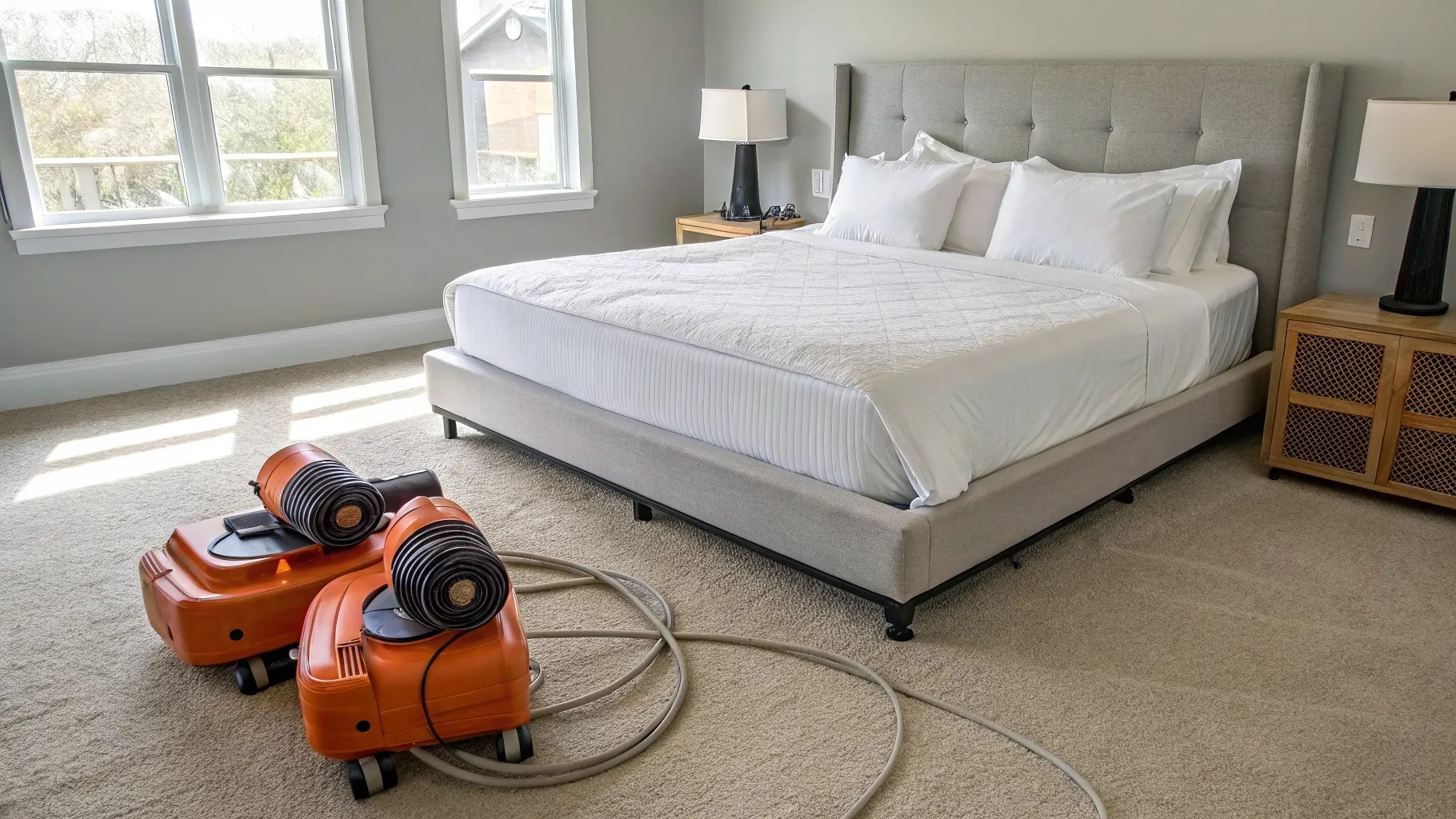
The easiest way to understand how heat treatment works is to imagine your room is being turned into a large convection oven. Our technicians bring in specialized, powerful heaters that gradually increase the air temperature. At the same time, we place high-velocity fans strategically around the room. These fans are crucial because they circulate the hot air, ensuring it penetrates every possible hiding spot. The hot air gets into cracks in the walls, deep inside your mattress and box spring, behind baseboards, and within the frames of your furniture, leaving no place for bed bugs to hide. This comprehensive approach is what makes heat an effective, non-toxic method for complete eradication.
The Right Temperature and Time
Getting the temperature and timing just right is key to a successful treatment. The lethal temperature for bed bugs starts around 118°F for adults and 122°F for their eggs. However, to ensure every last bug is eliminated, professional technicians aim for a higher ambient temperature, typically between 135°F and 145°F. This higher heat ensures that even the most insulated hiding spots reach the necessary temperature. The heat isn’t just a quick blast; it’s held at this high temperature for several hours, usually between four and eight, depending on the size and clutter in the room. This sustained heat guarantees a complete kill.
Heat Treatment vs. Other Methods: A Comparison
When you discover bed bugs, you want them gone fast. But with different treatment options available, how do you choose the right one? Heat treatment is a popular and powerful method, but it’s helpful to compare it to other approaches, like traditional chemical treatments, to see what fits your home and situation best. Each method has its own set of benefits and drawbacks.
Chemical treatments, for example, often require multiple visits and can leave behind residues that some families prefer to avoid. They work by applying insecticides to cracks and crevices where bed bugs hide. While effective, they may not kill all the eggs in the first round, leading to a longer treatment cycle. Heat, on the other hand, tackles the entire infestation at once. It’s a completely different strategy that uses specialized equipment to raise the temperature of a room to a level that is lethal for bed bugs at every stage of life. This process penetrates deep into walls, furniture, and other hard-to-reach places where bed bugs love to hide. Understanding these key differences will help you make an informed decision to protect your home and family. Let's break down the pros, cons, and costs of using heat.
The Pros of Using Heat
One of the biggest advantages of heat treatment is its effectiveness. The process raises the temperature in your home to a level that kills all life stages of bed bugs, from eggs to adults, usually in a single treatment. This means you can often solve your bed bug problem in just one day. Because it penetrates furniture, mattresses, and walls, there’s nowhere for the pests to hide. Another major plus is that it’s a non-toxic, chemical-free solution. For families with children, pets, or anyone with respiratory concerns, this provides incredible peace of mind. You won’t have to worry about lingering chemical residues on your belongings, making it one of the safest and most reliable home pest control services available.
The Cons of Using Heat
While heat treatment is highly effective, it’s not a magic wand. The main drawback is that it offers no residual protection. The heat kills all the bed bugs present on treatment day, but it doesn’t leave behind any substance to kill any new bugs that might be introduced to your home later. You also have to do some prep work. Certain items can’t withstand high temperatures, so you’ll need to remove things like aerosol cans, candles, vinyl records, and some electronics. If the treatment isn’t performed correctly by a trained professional, it can fail, which is why it’s so important to work with a family-owned and operated business you can trust to get it right.
Comparing the Costs
Let’s talk about the budget. Heat treatment is generally more expensive upfront than traditional chemical treatments. The cost can range significantly depending on the size of your home and the scale of the infestation. However, it’s important to look at the overall value. While chemical treatments might have a lower initial price, they often require multiple follow-up visits to fully eradicate the problem, especially since eggs can hatch after the first spray. Those repeat visits can add up. With heat, you’re often paying for a single, comprehensive treatment that resolves the issue in one shot. This makes it a cost-effective choice for anyone looking for fast, definitive results from their pest control solutions.
How Hot Does It Need to Be to Kill Bed Bugs?
When you’re dealing with a bed bug infestation, you want them gone for good. That’s where heat treatment comes in, but it’s not as simple as just cranking up the thermostat. There’s a specific science to using temperature to eliminate these pests. The key is to get the entire space hot enough for long enough to kill not only the adult bugs but also their incredibly resilient eggs.
While the technical lethal temperature for bed bugs is around 122°F, professional pest control services don't take any chances. We aim for a much higher temperature range, typically between 135°F and 145°F. This higher heat ensures that warmth penetrates every possible hiding spot, from deep inside your mattress to the cracks in your baseboards. Simply reaching the minimum temperature isn’t enough; maintaining that intense heat is what guarantees a successful treatment and gives you back your peace of mind.
The "Kill Zone" for Bed Bugs and Eggs
To effectively wipe out an infestation, you have to target bed bugs at every stage of their life cycle. Adult bed bugs and their younger versions, called nymphs, will die when exposed to a temperature of 118°F. However, their eggs are tougher and require a slightly higher temperature of 122°F to be destroyed. This small difference is critical. If the treatment doesn't eliminate the eggs, you could be facing a whole new generation of pests in just a few weeks. That’s why professionals create a "kill zone" with temperatures well above this threshold, ensuring every last bug and egg is eliminated.
How Long the Treatment Takes
Getting rid of bed bugs with heat isn't a quick process. The treatment needs to last long enough for the high temperatures to saturate everything in the room. Think about how long it takes for a thick roast to cook all the way through; the same principle applies here. The heat needs time to work its way into furniture, walls, and clutter. Typically, the high temperature is maintained for four to eight hours. The exact duration depends on the size of your home, the extent of the infestation, and the type of furniture you have. This sustained heat is what makes the treatment so effective.
Why Professional Monitoring Is Crucial
This is not a set-it-and-forget-it solution. Throughout the treatment, a trained technician must constantly monitor the temperature in various spots, especially hard-to-reach areas where bed bugs love to hide. Using specialized sensors, they check for cold spots and strategically move heaters and fans to ensure even heat distribution. Without this careful management, some areas might not get hot enough, allowing bugs to survive. If a few pests are found alive after a treatment, it’s not the resident’s fault. It simply highlights how essential professional oversight is for a successful outcome, which is why our home pest control services include a satisfaction guarantee.
How to Prep Your Home for Heat Treatment
Proper preparation is key to a successful bed bug heat treatment. Think of it as teamwork between you and your pest control professional. When you take a few simple steps to get your home ready, you help the hot air reach every corner where bed bugs could be hiding. This ensures the treatment is as effective as possible, getting you back to a comfortable, pest-free home faster. It might seem like a bit of work upfront, but this prep makes a huge difference in achieving a complete and lasting solution. We’ll walk you through exactly what you need to do to get your space ready for treatment day, ensuring our professional pest control services can work their magic.
What to Remove Before Treatment
High heat is tough on bed bugs, but it can also be tough on some of your belongings. Before the treatment begins, you’ll need to remove certain items from your home to prevent damage. Make sure to find a temporary, safe spot for all pets, including fish in tanks. Houseplants should also be moved out, as they won't survive the high temperatures. Go through your rooms and gather any candles, wax-based items, aerosol cans, and fire extinguishers, as these can melt or even explode. It’s also a good idea to remove sensitive electronics, medications, food items, photographs, and musical instruments to keep them safe from the heat.
Getting Your Rooms and Furniture Ready
To make sure the heat penetrates everywhere, you’ll want to reduce clutter and open things up. Start by opening all closet doors, cabinet doors, and furniture drawers. This exposes hidden areas where bed bugs love to hide. Our technicians will need to move furniture around to ensure heat reaches every surface, so try to clear a path for them. If you have boxes or bags stacked on the floor or against walls, move them toward the center of the room. This allows the heat to properly treat the floors and walls. The goal is to create as much airflow as possible so there are no cool spots left for bed bugs to retreat to.
Your Pre-Treatment Checklist
Before we arrive, running through a final checklist can give you peace of mind. First, confirm you’ve removed all the heat-sensitive items mentioned above. Next, take a moment to assess the situation and make a note of all the areas where you’ve seen bed bug activity. This helps our team focus on problem spots. Finally, feel free to ask us any last-minute questions. We’re happy to explain how our heating system works and how we monitor temperatures to ensure a successful treatment. As a family-owned business, we want you to feel completely comfortable and confident in the process from start to finish.
What to Expect on Treatment Day
Knowing what happens on treatment day can help you feel prepared and confident in the process. When our professional team arrives, our goal is to handle the entire treatment efficiently and thoroughly, so you can return to a pest-free home. We manage the heavy lifting, from setting up specialized equipment to monitoring the entire process, ensuring every corner of the treated area reaches the temperature needed to eliminate bed bugs for good. The entire treatment is a carefully managed process designed for maximum effectiveness and your peace of mind.
Setting Up the Equipment
The first step on treatment day is setting up the equipment, which usually takes about an hour. Our technicians will bring in commercial-grade heaters, high-powered fans, and flexible ducting. The heaters are the core of the operation, designed to raise the room's temperature to a level that is lethal for bed bugs. The fans are just as important; they circulate the hot air throughout the space, making sure it penetrates deep into walls, furniture, and mattresses where bed bugs love to hide. We use special flexible tubes to direct the hot air precisely, ensuring even heat distribution from floor to ceiling.
A Step-by-Step Look at the Process
Once the equipment is in place, the heat-up begins. First, we bring the room to the target temperature of around 140°F, which typically takes about an hour and a half. We then hold the space at this temperature for about four hours. This sustained heat is crucial for penetrating all potential hiding spots. During this time, our technicians are actively working. They will move mattresses, open drawers, and shift couch cushions to expose any hidden bed bugs to the heat. They also constantly monitor temperatures with sensors and adjust the fans and heaters every 15-20 minutes to eliminate cold spots and ensure a successful treatment.
Key Safety Measures for Your Home
Your family's safety is our top priority. Before we begin, it’s essential to remove any heat-sensitive items from the treatment area. This includes things like pets, houseplants, aerosol cans, candles, medications, and certain electronics or delicate wooden instruments. These precautions prevent damage and ensure the treatment runs smoothly. As a certified and experienced pest control company, we follow strict safety protocols throughout the day. We handle all the equipment and monitor the process carefully, so you can feel secure knowing your home is in capable hands.
How Effective Is Heat Treatment, Really?
When you’re dealing with bed bugs, you want a solution that works completely and gives you your peace of mind back. Heat treatment is one of the most powerful methods available, but its success isn't automatic. The effectiveness really comes down to how the treatment is performed. When done correctly by a professional team, it’s an incredibly reliable way to get rid of bed bugs in a single visit.
The science behind it is simple: bed bugs, from eggs to adults, can't survive high temperatures. The goal is to heat every inch of your home to a lethal level and hold it there long enough to ensure no pests survive. Unlike chemical treatments that can miss bugs hiding in cracks, heat penetrates everything, including furniture, walls, and clutter. But several factors, like the quality of the equipment and the technician's expertise, play a huge role in whether the treatment is a true success.
Understanding the Success Rate
Heat treatment is highly effective because it targets every life stage of a bed bug. By raising the temperature in a room to between 120°F and 140°F, the process kills adults, nymphs, and even the incredibly resilient eggs. This is a major advantage over some chemical sprays that may not affect the eggs, leading to a re-infestation down the road.
Because heat is so thorough, it offers a comprehensive, one-day solution. You don’t have to wait for eggs to hatch and then treat again. When a professional pest control service manages the process, you can expect a very high success rate. The key is ensuring that the lethal temperature reaches every possible hiding spot, from deep inside your mattress to behind baseboards and picture frames.
Why Some Bed Bugs Might Survive
It’s frustrating to think about, but sometimes heat treatments can fail. This usually happens when the process is rushed or not managed correctly. If the temperature doesn't stay in the kill zone long enough, or if cool spots are missed, some bed bugs can survive the treatment. These survivors might be hiding in a cluttered area that blocked airflow or deep within a wall void that didn't get hot enough.
Another common issue is thinking of it as a simple, hands-off solution. A successful treatment requires constant monitoring and adjustment. If a technician just sets up the heaters and leaves, there’s a much higher chance of failure. That’s why it’s so important to work with a company that is diligent and thorough, ensuring every corner of your home is treated properly.
What Makes a Treatment Successful?
A successful heat treatment depends almost entirely on the skill and attention of the technician. While the equipment matters, it’s the person running it who makes the difference. A trained professional knows how to manage airflow, place sensors in hard-to-reach spots, and move furniture around to eliminate any potential cool spots where bed bugs could hide.
According to university research, adult bed bugs die at 118°F and their eggs die at 122°F. A skilled technician will aim for temperatures well above this to ensure every bug is eliminated. Their constant attention and willingness to check temperatures in multiple locations is what separates a guaranteed success from a disappointing failure. This hands-on approach is what truly makes professional heat treatment a reliable solution for your family.
What to Do After the Treatment Is Over
Once the heat treatment is complete and the technicians have packed up, your work isn't quite finished. Taking a few key steps right after the service can make all the difference in keeping your home bed bug-free for the long haul. Think of it as the final, crucial phase of reclaiming your space. This is your chance to verify the treatment's success and set up a strong defense against any future intruders. By being proactive, you can ensure the investment you made in a professional treatment truly pays off, giving you and your family lasting peace of mind.
Your Post-Treatment Action Plan
After a heat treatment, you should feel confident that the problem is solved. A professional pest control company will help you confirm this. Ask your technician for documentation showing that all treated areas reached the lethal temperature for bed bugs. This might include temperature readings or photos. It’s also a great idea to schedule a follow-up inspection within a week. This allows a professional to check for any signs of activity and confirm the treatment was a success. At Beeline, we believe in transparency and stand by our work, ensuring you have total confidence that your home is protected.
Dealing with Any Lingering Pests
Don't panic if you spot a stray bed bug after the treatment. It’s fairly common for a few resilient pests to survive, especially in hard-to-heat spots, and it’s not a reflection on your preparation. To handle these survivors, you can ask your pest management professional to apply a long-lasting insecticidal dust, like silica aerogel, in cracks, crevices, and wall voids. This residual treatment acts as a backup, targeting any bugs that may have found a cool hiding spot during the heat treatment. This one-two punch is a key part of a comprehensive rodent and pest control strategy.
How to Keep Bed Bugs Away for Good
Vigilance is your best tool for preventing a reinfestation. Continue to check for bed bugs and their signs at least once a week, paying close attention to any traps you’ve set. This helps you catch any newly hatched eggs before they can mature. For extra protection, consider using zippered encasements for your mattress and box spring. These covers trap any remaining bugs and prevent new ones from finding a home in your bed. Combining these simple, proactive steps with professional home pest control services creates a powerful barrier that keeps your home safe and comfortable.
Is Heat Treatment the Right Choice for You?
Deciding on the best way to handle a bed bug problem can feel overwhelming. With different methods available, it’s tough to know which one will work best for your home and family. Heat treatment is a powerful option, but it’s not a one-size-fits-all solution. The right choice depends on the size of your infestation, your timeline, and your family’s specific needs.
Think about your priorities. Are you looking for a chemical-free solution because you have young children or pets? Do you need to resolve the problem as quickly as possible with minimal disruption? Or is your main concern ensuring every last egg is eliminated to prevent a future infestation? Answering these questions will help you determine if heat treatment aligns with your goals. Let’s walk through the key factors to consider so you can make a confident decision.
When to Choose Heat Treatment
Heat treatment is an excellent choice for widespread or stubborn infestations. Because the heat penetrates walls, furniture, and other hard-to-reach areas, it’s incredibly effective at killing bed bugs at every life stage, from egg to adult. If you’ve tried other methods without success or want to be sure you’re getting everything in one go, heat is a reliable option. It’s also great for treating delicate items that can’t be sprayed with chemicals. For smaller-scale issues, you can even use your dryer on high heat for things like bedding and clothing, but for a whole-room solution, a professional treatment is the way to go.
Is It Safe for Your Family and Pets?
Absolutely. One of the biggest advantages of heat treatment is that it’s completely non-toxic. There are no chemicals used and no residues left behind, which is a huge relief for parents and pet owners. You won’t have to worry about your kids or furry friends coming into contact with harmful substances. While the process is safe, it does require some preparation. You’ll need to remove items that can’t withstand high temperatures, such as aerosol cans, candles, vinyl records, and certain electronics. A professional team will give you a clear checklist to follow, ensuring the treatment is safe and effective for your home.
When You Need Fast, Effective Results
If you need to get rid of bed bugs quickly, heat treatment is one of the fastest methods available. The entire process is typically completed in a single day, allowing you and your family to return to a pest-free home that same evening. This is a major benefit compared to some chemical treatments that may require multiple applications and force you to be out of the house for longer periods. Because heat kills bugs and eggs on contact, the results are immediate. It’s a thorough and efficient solution for anyone who wants to resolve a bed bug problem with minimal downtime and get back to their normal routine right away.
Frequently Asked Questions
Is the heat treatment safe for my house and belongings? Yes, when performed by trained professionals, the process is very safe for your home's structure. We carefully monitor the temperature to ensure it stays within a range that is lethal for bed bugs but safe for drywall, paint, and flooring. However, the heat can damage certain personal items. That's why we provide a detailed checklist of things to remove beforehand, like aerosol cans, vinyl records, candles, and some sensitive electronics, to prevent any issues.
How long will the treatment take, and when can I come back home? The entire process is usually completed in a single day. A typical treatment lasts between six and eight hours, which includes the time it takes to set up, heat the space, hold the temperature, and then cool everything down. In most cases, you and your family can safely return to your home the very same evening.
Can I just turn up my thermostat or use space heaters to kill bed bugs? Unfortunately, no. A home furnace cannot reach the high temperatures needed to kill bed bugs, which is typically between 135°F and 145°F. Likewise, standard space heaters are not powerful enough and lack the high-velocity fans required to circulate hot air into every crack and crevice. Attempting a DIY heat treatment is not only ineffective but can also be a significant fire hazard.
What if I find a bed bug after the treatment is done? Don't panic. While heat treatment has a very high success rate, it's possible for a few bugs to survive in a rare, hard-to-heat spot. This is not a sign that the treatment failed completely. Contact us right away. A follow-up inspection can confirm the situation, and we can use targeted applications, like insecticidal dust, to handle any stragglers and ensure the problem is fully resolved.
Does heat treatment leave any lasting protection against future bed bugs? Heat treatment does not provide any residual or lasting chemical barrier. Its power lies in its ability to eliminate the entire existing infestation, including eggs, in a single visit. To prevent a new infestation, it's important to be vigilant. Using mattress and box spring encasements and performing regular checks of your home are great ways to protect yourself moving forward.
Get Your Free Pest Control Quote Today!
Ready to reclaim your home from unwanted pests? Simply fill out the form below with your details, and our friendly team at Beeline Pest Control will call you back promptly with a free, no-obligation quote. We offer top-rated, reliable pest control services designed specifically for homeowners in Aurora, Colorado, and nearby communities. Let us help you enjoy a pest-free home!
More Blogs
Some other blogs you might be interested in