When to Use Emergency Pest Control Services
Learn when to call emergency pest control services, how to spot urgent infestations, and what steps to take to keep your home and family safe.
When pests show up uninvited, misinformation can cause you to hesitate when you should be taking action. You might think a store-bought spray will solve the problem, or worry that professional treatments aren't safe for your kids and pets. These common myths often make a bad situation worse. This guide is here to give you the facts. We’ll clear up the confusion about what really constitutes an emergency, the safety protocols that professionals follow, and why DIY solutions often fall short. Let’s get you the right information so you can confidently call for emergency pest control services and get your home back.
Before calling, check if we serve your area — Beeline responds within 48 hours across Denver, Aurora, Boulder, Littleton, Castle Rock, and more.
Key Takeaways
- Know when to make the emergency call: A pest problem requires immediate action if it poses a direct threat to your health, safety, or home's structure. Aggressive insects, disease-carrying rodents, or signs of rapid property damage are clear signals to call a professional right away.
- Prioritize safety while you find the right help: Your first move should always be to secure the area, keeping children and pets at a safe distance. Use the time before help arrives to find a licensed company that offers service guarantees and provides clear, upfront pricing.
- Focus on long-term prevention: The best way to handle a pest emergency is to stop the next one before it starts. Seal cracks where pests can enter, eliminate food and water sources, and partner with a professional for regular inspections to keep your home protected.
Is It a Real Pest Emergency?
Finding pests in your home is always unsettling, but it’s not always a five-alarm fire. So, how do you know if you have a minor nuisance or a genuine crisis on your hands? A true pest emergency is any situation that poses an immediate threat to your health, your family’s safety, or the structure of your home. It’s the difference between spotting a lone spider in the corner and discovering a swarm of wasps building a nest by your front door.
Understanding what qualifies as an emergency helps you act quickly and appropriately. Some pests can spread disease or trigger severe allergic reactions, while others can cause thousands of dollars in damage in a surprisingly short amount of time. If you feel overwhelmed, unsafe, or see signs of a rapidly growing infestation, it’s better to treat it as an urgent matter. Trust your instincts. If a pest problem feels like it’s spiraling out of control, it’s time to call for professional help right away.
Signs you need an exterminator now
Certain situations leave no room for doubt. If you’re facing a sudden and large-scale invasion of pests, especially those that can bite or sting, you need immediate assistance. For example, discovering a swarm of angry wasps, hornets, or fire ants in or around your home is a clear emergency. These pests can be aggressive and pose a direct danger to you, your family, and your pets.
The same urgency applies to a sudden, massive infestation of other pests, like finding dozens of cockroaches scattering when you turn on a light or seeing multiple rodents in your living spaces. These are signs that a hidden population has grown too large to stay out of sight. Don’t wait to see if it gets worse; these are clear signals to call an exterminator immediately.
Health risks vs. property damage
Pest emergencies generally fall into two categories: those that threaten your health and those that threaten your home. Health risks are often the most urgent. Pests like rodents and cockroaches are known to carry bacteria and spread diseases, contaminating your food and surfaces. Stinging insects like bees and wasps can cause severe allergic reactions, including anaphylaxis, which requires immediate medical attention.
On the other hand, some pests pose a serious threat to your property. While a termite infestation often develops over time, discovering extensive, active damage can be an emergency. The same goes for carpenter ants that are actively chewing through wooden structures in your home. When pests are compromising the integrity of your house, a swift response is necessary to prevent further costly repairs.
When to call for help (and when it can wait)
It’s easy to feel panicked by any pest, but not every situation requires an after-hours call. Seeing a few ants on your kitchen counter or a single spider in the basement are issues you should address, but they typically aren’t emergencies. These are often problems you can handle with some DIY methods or a scheduled pest control visit.
The time to call for emergency help is when the problem feels unmanageable or dangerous. Ask yourself: Is this pest aggressive? Is the infestation growing rapidly? Does it pose an immediate health risk? A wasp nest on your porch is an emergency. A few ants in the pantry can probably wait until morning. Many people are unsure what warrants a professional, so if you’re genuinely concerned for your safety, it’s always best to get an expert opinion.
Which Pests Warrant an Emergency Call?
Figuring out if you have a true pest emergency can be stressful. A single spider might not be cause for panic, but some situations require immediate professional help. The key is knowing the difference. Certain pests pose direct risks to your health or home, while others can multiply so quickly that a small problem becomes a massive infestation overnight. Let's look at the types of pests that should have you picking up the phone right away.
Pests that pose a health risk
Your family's safety always comes first. Any pest that can directly harm you, your kids, or your pets is an emergency. This includes a sudden swarm of stinging insects like wasps or fire ants invading your living space. Multiple stings can be dangerous, especially for anyone with allergies. The same urgency applies to venomous spiders found in high-traffic areas. Rodents also fall into this category, as they can carry and spread serious diseases through their droppings and bites. If you're facing pests that can bite, sting, or make you sick, don't wait to call for help.
Pests that cause rapid structural damage
Some pests work silently, causing major damage to your home before you even know they're there. Termites are the most well-known culprits, capable of chewing through wood structures 24/7. A sudden termite swarm or discovering mud tubes along your foundation is a clear signal to act fast. Carpenter ants and powderpost beetles can also tunnel through wood, compromising your home's integrity. Because this damage happens out of sight, any visible evidence means the problem is likely advanced. Getting professional termite treatments can protect your biggest investment from these destructive invaders.
Infestations that get out of hand fast
Sometimes, the emergency isn't about a single pest but the speed at which they multiply. Pests like cockroaches, bed bugs, and rodents are notorious for their rapid reproductive cycles. Seeing one cockroach often means hundreds are hiding in the walls. A small delay in treatment allows these pests to spread throughout your home, making them much harder to eliminate. Misunderstandings about the severity can lead to delays that allow pests to spread and cause more damage. If you spot signs of a fast-breeding pest, calling an emergency service can stop the infestation before it completely takes over.
What to Do While You Wait for the Pros
You’ve made the call, and help is on the way. That feeling of panic can start to fade, but you might be wondering what to do next. Waiting for a pest control technician can feel a little helpless, but there are a few simple, proactive steps you can take. Your goals right now are to keep everyone safe, prevent the problem from getting worse, and gather useful information for the pros. Taking these actions will not only help your pest control team work more efficiently but will also give you a sense of control over the situation.
Keep your family and pets safe
Your first priority is always safety. If you’re dealing with a pest that could be dangerous, like wasps, bees, or certain spiders, it’s crucial to keep a safe distance. Make sure children and pets are kept far away from the affected area. You can close the door to a room or use baby gates to block off a hallway.
If you suspect you’ve seen a potentially harmful pest, like a brown recluse spider, do not try to touch it or capture it yourself. Their bites can be dangerous, so it’s a situation best left to a trained professional. The best thing you can do is move your family to another part of the house and wait for your technician to arrive and safely handle the problem.
How to temporarily contain the problem
While you should never try to handle a serious infestation on your own, you can take small steps to keep things from escalating. For example, if you have a wasp or bee nest, don't disturb it, especially during the day when they are most active. Trying to remove a large or hard-to-reach nest is a job that requires professional equipment and expertise.
Instead, focus on making your home less inviting. You can start by cleaning up any food crumbs or spills in the kitchen and storing all food in airtight containers. Take a quick look for and seal any obvious cracks or holes in your walls or foundation where pests might be getting in. These simple actions can help manage the situation without putting you at risk.
Information to give your pest control team
You can be a huge help to your pest control team by acting as a detective before they arrive. The more details you can provide, the faster they can identify the pest and create an effective treatment plan. Pay attention to any specific signs of pest activity you’ve noticed.
Make a mental note or jot down things like where you’ve seen droppings, if you’ve heard scratching sounds in the walls, or if you’ve found chewed-up items like food bags or wires. It’s also helpful to note where you saw the pests, what time of day they seem most active, and roughly how many you’ve seen. Having this information ready will help your technician get right to the source of the problem.
How Fast Will Help Arrive?
When you’re dealing with a swarm of wasps or a mouse in the kitchen, every second counts. You’ve made the call, and now you’re watching the clock, wondering when help will actually show up. The term "emergency" implies speed, but what does that really mean in the world of pest control? While you won't get an instant response like you would from the fire department, a good emergency pest control service is built for speed and will prioritize your call over routine appointments. Their entire model is based on being available when you need them most, whether that's at 2 p.m. or 2 a.m.
Understanding the typical timelines and potential delays can help you manage your stress while you wait for the professionals to take over. Most companies aim to get to you as quickly as possible, because they know that fast action is crucial for both your peace of mind and for containing the problem before it gets worse. A few hours can make a big difference when you're facing aggressive pests or rapid property damage. So, while you wait, it's helpful to know what to expect and what factors might affect that arrival window. This isn't just about convenience; it's about stopping a serious problem in its tracks.
Understanding 24/7 service and response times
Most emergency pest control companies advertise 24/7 service, which means you can call them anytime, day or night, and someone will be there to help. But what does that mean for their arrival time? Generally, if you live in a metropolitan area, you can expect a technician to arrive within two to four hours. For those in more rural or remote locations, the wait might be closer to six to eight hours, simply because there are fewer technicians spread across a larger area. These response times are industry standards, designed to get a professional to your door quickly enough to handle urgent situations before they escalate.
What can slow down a technician's arrival?
Even with the best intentions, a few things can delay a technician. Your geographic location is the biggest factor; living far from a company's home base will naturally add to the travel time. The time of day you call also matters. A call during peak business hours or late on a weekend night might mean technicians are already handling other emergencies, creating a queue. Finally, don't forget about Mother Nature. Severe weather conditions, like heavy rain, snow, or flooding, can make travel difficult and slow down arrival times for everyone. A good company will communicate any expected delays with you when you call.
What to Expect During an Emergency Visit
When a pest control technician arrives for an emergency call, their goal is to assess the situation quickly, solve the immediate problem, and make your home safe again. Knowing what the process looks like can help ease some of the stress you’re feeling. The technician will walk you through every step, from identifying the pest to explaining the treatment plan. They are there to help, so don't hesitate to ask questions. The visit typically follows three main steps: a thorough inspection, a targeted treatment, and a clear explanation of all safety measures.
The initial inspection and pest ID
The first thing the technician will do is talk with you about what you’ve seen, where you’ve seen it, and for how long. Then, they’ll get to work on a detailed inspection. They’re looking for the type of pest, the size of the infestation, and any entry points the pests might be using to get inside. This step is critical because a correct identification determines the entire treatment plan. Professional pest control services have the tools and expertise to pinpoint the exact nature of your problem, ensuring the right solution is used from the start.
How they'll treat and contain the pests
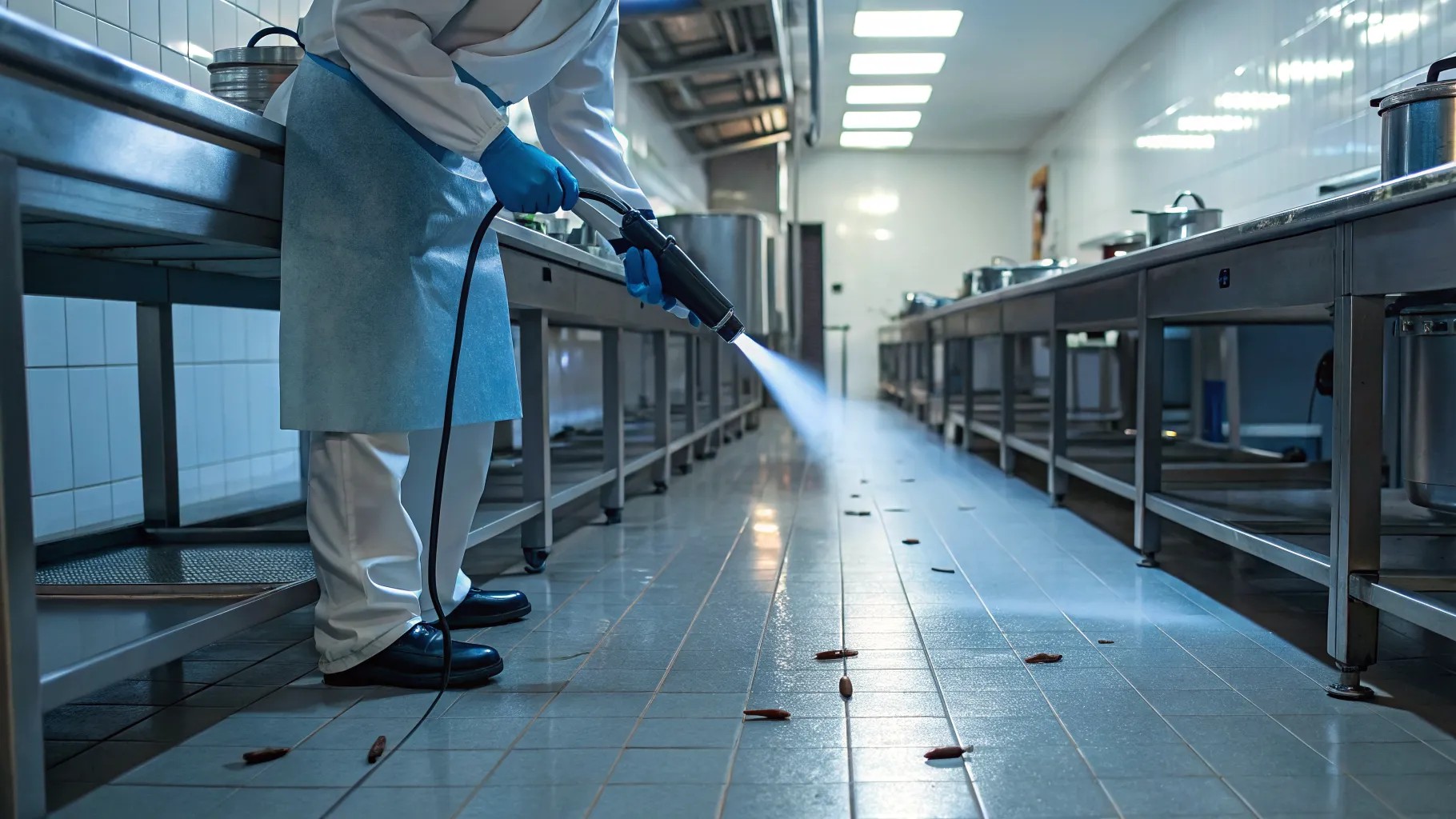
After the inspection, the technician will explain their recommended treatment plan. They’ll tell you what methods and products they’ll use and why they are the most effective for your specific situation. The immediate goal is to eliminate the pests causing the emergency, but they also focus on containment to stop the problem from spreading to other areas of your home. Remember, effective pest management is about creating long-term protection for your home, not just a quick fix. Once you approve the plan, they will begin the treatment right away.
Safety protocols for your family and pets
It’s completely normal to worry about the safety of your family and pets during a pest treatment. There’s a common misconception that all pesticides are inherently dangerous. This belief can lead people to avoid professional pest control, but licensed technicians are trained to apply treatments safely and responsibly. They use products precisely and follow strict protocols to protect everyone in your home. Your technician will give you clear instructions, such as whether you need to leave the house for a short time or keep pets out of a specific area. They prioritize your family’s well-being and will answer any questions you have about the products they use.
How to Choose the Right Emergency Service
When you’re dealing with a pest emergency, it’s tempting to call the first number you find. But taking a few minutes to vet your options can save you a lot of headaches later. You want a company that is fast, effective, and trustworthy. A true professional service has the right tools and training to handle the infestation safely and prevent it from happening again. Look for a company with a solid local reputation, positive customer reviews, and clear communication. A reliable service will be upfront about their process, giving you peace of mind when you need it most.
Check for licenses and certifications
Before you let anyone into your home, confirm they are properly licensed and certified. These credentials aren't just formalities; they prove the technicians have the right training to handle chemical treatments safely and effectively. A licensed professional understands pest biology and knows how to apply the right solutions without putting your family or pets at risk. This expertise is crucial for identifying the root of the problem and ensuring it’s handled correctly the first time. Don't be afraid to ask for proof of licensing; a reputable company will be happy to provide it.
Look for service guarantees and warranties
What happens if the pests come back a week after the treatment? This is where a service guarantee or warranty becomes incredibly important. A company that stands by its work will offer some form of assurance, like a free follow-up visit if the problem isn't resolved. This shows they are confident in their methods and committed to providing a real solution. Effective pest management is about long-term protection, not just a one-time spray. A guarantee ensures you have a partner in keeping your home pest-free.
Ask about pricing and availability
In an emergency, you need to know two things right away: how much it will cost and how soon help can arrive. Reputable companies should give you a price range over the phone and a more precise estimate after an inspection. Be wary of vague answers or quotes that seem too good to be true. Ask about potential extra fees for after-hours or weekend service, and get a clear estimated time of arrival. Knowing this upfront helps you make an informed decision and protect your home without any unwelcome financial surprises.
What Does Emergency Pest Control Cost?
When you’re dealing with a sudden pest invasion, the last thing you want is a surprise bill. While it’s tough to give a single price tag for emergency services, it helps to know what to expect. The cost for an urgent visit will naturally be higher than a scheduled appointment, often starting with a call-out fee for the immediate response.
Think of it like this: you’re paying for speed, expertise, and peace of mind, right when you need it most. The final cost depends on several things, from the type of pest crashing your party to the size of your home. A professional will always provide a clear quote after an initial inspection, so you’ll know the full price before they begin the treatment.
What affects the final price?
Several key factors influence the final price of an emergency pest control visit. First is the type of pest involved. Treating a line of ants in your kitchen is a much different process than handling a bed bug infestation or a termite swarm, which require more intensive and specialized solutions.
The severity of the infestation also plays a huge role. A small, contained problem is simpler and less expensive to resolve than a widespread issue that has taken over multiple rooms. Similarly, the size of your home matters; a larger space provides more hiding spots for pests and requires more time and product to treat thoroughly. The specific treatment method chosen by the technician will also impact the final cost.
Will insurance cover it?
This is one of the most common questions, and unfortunately, the answer is usually no. Most standard homeowners' insurance policies view pest control as part of regular home maintenance, not a sudden, unexpected event. Because of this, they typically don't cover the costs of extermination, whether it's for a routine visit or an emergency call.
However, there can be exceptions. If the pest problem is a direct result of a separate incident that is covered by your policy, you might have a case. For example, if a storm damages your roof, leading to water damage that attracts termites, your insurance might cover the termite treatment. The best course of action is to review your insurance policy or call your agent directly to understand exactly what’s covered.
Common Myths About Emergency Pest Control
When you're faced with a sudden pest problem, it's easy to let misinformation guide your next steps. Panic can set in, and you might turn to old advice that does more harm than good. Let's clear up a few common myths about emergency pest control so you can act quickly and effectively when you need to. Understanding the truth helps you protect your home and family without hesitation. From the effectiveness of DIY solutions to the safety of professional treatments, getting the facts straight is the first step toward a pest-free home.
Myth: DIY is just as good as a pro
It’s tempting to run to the store for a spray or trap, thinking you can handle a pest problem yourself. While that might work for a single spider, it’s rarely enough for a true infestation. Many homeowners believe they can solve the issue with over-the-counter products, but these are often just a temporary fix. Professional pest control services have the right tools and training to identify the source of the infestation and prevent them from coming back. They apply targeted treatments you simply can’t buy at a hardware store.
Myth: Emergency treatments aren't safe
The thought of spraying chemicals in your home, especially with children or pets around, is understandably concerning. A common misconception is that all pesticides are dangerously toxic, leading some people to avoid professional help even when it's necessary. The reality is that licensed pest control technicians are highly trained in applying treatments safely and effectively. They use products regulated by the EPA and follow strict guidelines to protect your family and pets. A professional treatment is often safer than attempting to use store-bought chemicals on your own, which can be easily misused.
Myth: It's never a "real" emergency
Seeing one or two ants on the counter might not seem like a big deal, but it's easy to underestimate how quickly a small problem can become a full-blown infestation. Many people don't realize the urgency of a pest issue until it's already out of control. In fact, more than half of Americans admit they’ve been wrong about their pest control beliefs in the past. Pests are experts at hiding, so the few you see could represent a much larger colony. Waiting to call for help can lead to significant property damage and health risks.
How to Prevent Your Next Pest Emergency
Dealing with a pest emergency is stressful, expensive, and something no one wants to go through twice. The good news is that you can take control and significantly reduce the chances of another crisis. The best defense is a good offense, and that means being proactive about pest management. It’s about creating a home environment that’s welcoming to you but a total turn-off for pests. Think of it as a long-term strategy, not a one-time fix. By combining professional expertise with some smart habits at home, you can keep pests from making your home their own and avoid those frantic, late-night calls for help. These simple, consistent steps will protect your home, your family, and your peace of mind.
Schedule regular professional inspections
Leaving your home’s pest defense entirely to chance is a risky game. Instead, think of a pest control professional as a partner in protecting your home. Regular pest control treatments throughout the year are one of the most effective ways to guard against seasonal infestations and catch potential problems before they spiral out of control. A trained technician can spot vulnerabilities you might miss, like a tiny crack in the foundation or early signs of termite activity. They can create a customized prevention plan tailored to your home’s specific needs and the common pests in your area. This consistent monitoring provides a powerful shield, ensuring that even if a few pests find their way in, they won’t have time to establish a full-blown colony.
Seal up entry points and remove temptations
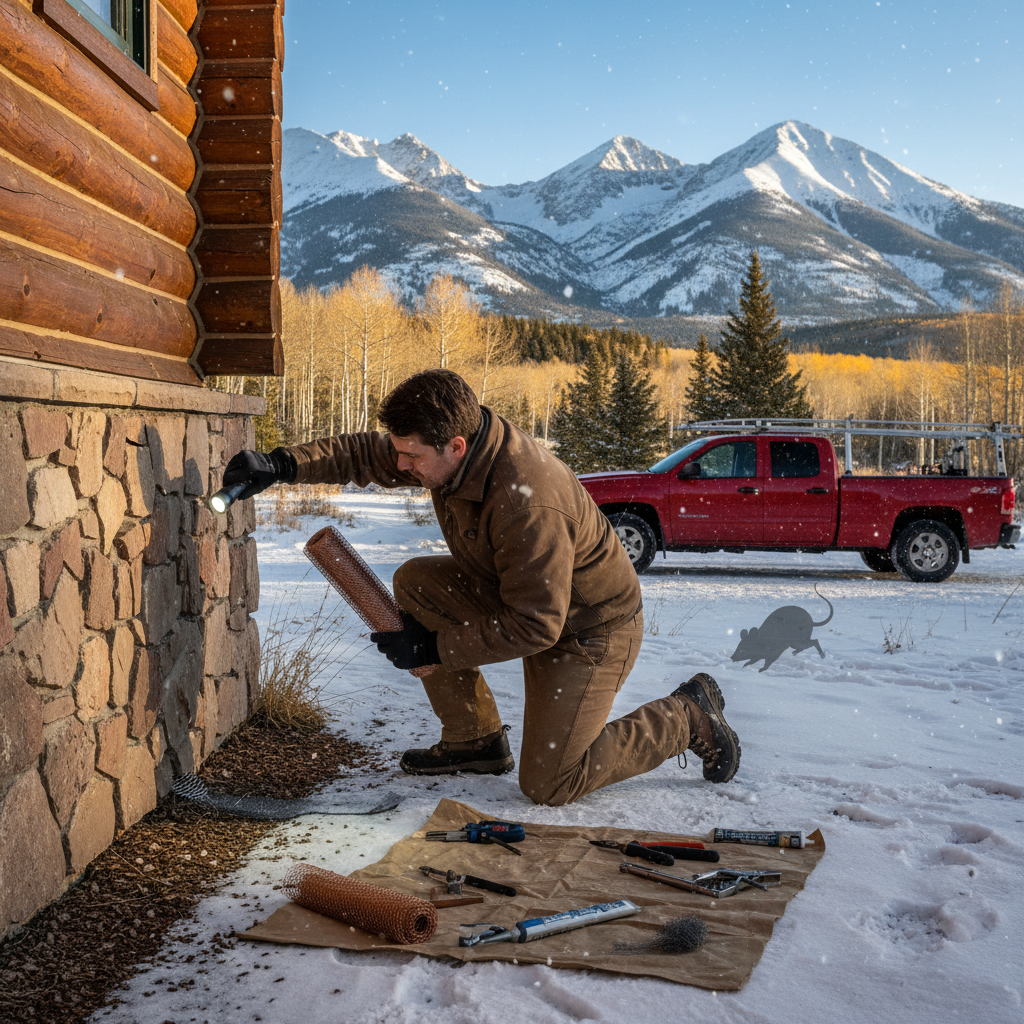
Your home might as well have a welcome mat out for pests if it has easy entry points and a free buffet. A crucial part of prevention is making your home as uninviting as possible. Start by doing a thorough walk-through of your property. Look for and seal any cracks in the foundation, gaps around pipes and utility lines, and torn window screens. Inside, focus on removing food sources. Store pantry items in airtight containers, clean up crumbs and spills immediately, and take out the trash regularly. Remember, effective pest management is a partnership between you and your pest expert. By removing these temptations, you make your home a much less attractive target for hungry pests.
Know the early warning signs
You are the first line of defense for your home, so knowing what to look for is key. Many homeowners have misconceptions about pests, which can lead them to ignore red flags. Being informed about the early signs of infestations helps you take action before a small issue becomes an emergency. Keep an eye out for things like droppings in cupboards or along baseboards, gnaw marks on furniture or wiring, strange musty odors, or shed skins from insects like cockroaches. You might also hear scratching or scurrying sounds in the walls or attic at night. If you spot any of these signs, don't wait for the problem to get worse. Addressing it early is always easier and less costly than dealing with a deeply entrenched infestation later.
Frequently Asked Questions
How can I be sure my pest problem is a real emergency? A true emergency involves an immediate threat. Ask yourself if the pest poses a direct danger to your family, like a swarm of wasps near your door, or if you're seeing signs of a massive, fast-growing infestation, like dozens of cockroaches. If the situation feels unsafe or is causing you significant stress, it's always better to treat it as urgent and call for professional help. Trust your instincts.
I found one cockroach (or mouse). Is that an emergency? While a single pest might not require a middle-of-the-night call, it does demand immediate attention. Pests like cockroaches and rodents are rarely alone. Seeing one is often a sign of a much larger, hidden population. You should schedule a professional inspection right away to address the problem before it has a chance to multiply and become a full-blown crisis.
Are the treatments used in an emergency visit safe for my family and pets? Absolutely. Licensed pest control technicians are trained to apply treatments in a way that is both effective against pests and safe for your household. They use products precisely and follow strict safety protocols. Your technician will always give you clear instructions, such as whether you need to keep pets out of a treated area for a short time, to ensure everyone's well-being.
How much more does an emergency service typically cost than a scheduled appointment? You can expect to pay more for an emergency visit because you are paying for an immediate, often after-hours, response. The final cost depends on factors like the type of pest, the size of your home, and how severe the infestation is. A reputable company will always provide a clear quote after their initial inspection, so you will know the full price before any work begins.
The emergency is over. What's the most important thing I can do to prevent another one? The best way to avoid another pest crisis is to be proactive. Start by sealing any cracks or gaps around your home where pests could get in. Then, schedule regular inspections with a professional pest control service. A technician can spot and solve potential issues before they become emergencies, creating a long-term defense for your home.
Bugs Bugging You in Aurora? Get Your Free Pest Control Quote Today!
Don't let pests disrupt your peace of mind! Whether you're dealing with ants, spiders, rodents, or any other unwelcome guests, Beeline Pest Control in Aurora, Colorado, is ready to help. Simply fill out our easy form below, and one of our friendly local experts will quickly get back to you with a personalized, no-obligation quote. Discover affordable and effective solutions to keep your home pest-free. Get started on a pest-free home today!
More Blogs
Some other blogs you might be interested in