Mouse-Proof Your Colorado Home Before Winter: Essential Tips
Don't let cold Colorado weather bring unwanted mice indoors! Learn how to effectively mouse-proof your home with Beeline Pest Control's easy-to-follow guide and keep your family safe this winter.
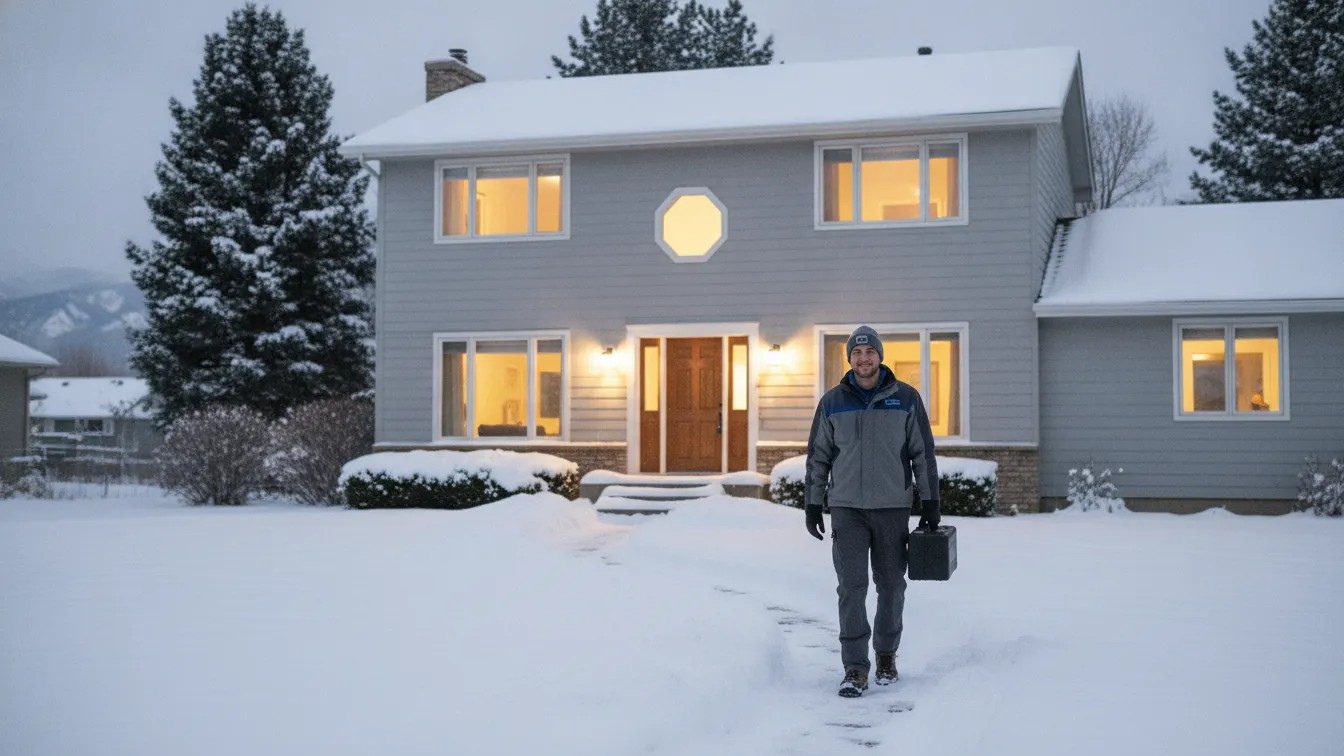
When a Colorado cold front moves in, mice do not wait for the first heavy snow. They start testing the warmest, quietest parts of your home, including garage corners, utility openings, crawl spaces, and gaps around the foundation. A hole that looks too small to matter may be wide enough for a mouse: the CDC notes that mice can squeeze through an opening about 1/4 inch wide. Roughly the width of a pencil.
How to mouse-proof your home colorado? Inspect the foundation, roofline, vents, doors, garages, and utility penetrations. Then seal small gaps with steel wool secured by caulk or spray foam and cover larger openings with durable metal or hardware cloth. Store food securely, remove outdoor food sources, and arrange a professional inspection if you hear activity or find signs in walls, attics, or other hard-to-reach areas.
Start outside and work inward before the next temperature drop. Look for gaps where the foundation meets the soil, around pipes and cables, beneath doors, and near attic or crawl-space vents. Inside, check behind appliances, under cabinets, and in closets for droppings, gnaw marks, nesting material, or a stale odor. If you are unsure what you are seeing, our guide to signs you have mice can help you assess the situation.
Call Beeline Pest Control at 303-586-5231 for a free inspection.
Sealing a home is most effective when you understand why fall and winter conditions make Colorado houses especially appealing to mice. That seasonal pattern is the first part of a practical prevention plan.
Why Colorado Homes Attract Mice in Fall and Winter
When temperatures drop along the Front Range, mice start looking for three basics: warmth, shelter, and dependable food. A heated home offers all three, especially around garages, crawl spaces, wall voids, attics, and basements. Cold weather does not create a mouse problem by itself, but it can push mice to investigate small openings they ignored during warmer months.
Colorado homes also have many connected spaces that make good hiding places. Mice may move from an attached garage into wall cavities, follow utility lines, or settle near stored belongings in an attic or crawl space. The Centers for Disease Control and Prevention advises sealing holes before winter and checking likely gaps around the foundation, vents, and utility penetrations. Review the CDC's rodent-proofing guidance for its inspection recommendations.
Food and shelter make a home worth entering
Mice are opportunistic. Accessible pantry items, crumbs, pet food, birdseed, and water can make a property more appealing, while insulation and undisturbed storage provide places to nest. Rodents are drawn to food, water, and convenient nesting locations, which is why reducing both access and attraction matters. Keeping attractants contained helps, but sanitation alone cannot compensate for an opening in the structure.
That opening may be smaller than most homeowners expect. A mouse can fit through a gap about one-quarter inch wide, roughly the diameter of a pencil. In an older Colorado home, seasonal movement, settling, weather damage, or worn door seals can gradually create access points around the exterior.
Call Beeline Pest Control at 303-586-5231 for a free mouse inspection.
Why early action matters
Once mice find a protected space with food nearby, they can remain active through winter rather than leaving when the weather changes. Their rapid breeding potential means a small early intrusion can become a larger cleanup and exclusion problem if ignored. That does not mean every winter sighting signals a severe infestation. It does mean fresh droppings, scratching sounds, nesting material, or repeated sightings deserve prompt attention.
Start by checking and sealing likely gaps, then remove accessible food sources. If activity continues or mice have reached areas you cannot safely reach, rodent control services can help identify the route, remove the current problem, and reduce the chance of repeat entry.
The Entry Points Mice Use Most Often
A mouse does not need a large opening to get inside. According to the CDC's rodent exclusion guidance, a gap about 1/4 inch wide, roughly the width of a pencil, may be enough. During a Colorado home inspection, look beyond obvious holes and check where building materials, vents, pipes, and doors meet.
- Foundation-to-ground junctions: Walk the full perimeter and inspect where the foundation meets soil, concrete, siding, or flashing. Small cracks, uneven seams, and gaps around the base of the home can provide an easy route indoors. Check garages, outbuildings, and other attached or nearby structures as well.
- Attic and crawl space vents: Vents need airflow, but they should also have secure screening. Inspect the edges of attic vents, crawl space vents, and vent covers for torn mesh, loose framing, or openings around the installation. These higher and lower access points are easy to miss from inside the living area.
- Utility-line penetrations: Examine both sides of the wall around plumbing, electrical, cable, and gas lines. The opening may be hidden behind siding outdoors or inside a cabinet, utility room, or finished wall. Never disturb a gas or electrical connection. If sealing requires moving a line or opening a wall, use the appropriate qualified professional.
- Doors and windows without tight weather stripping: Check the bottom corners and edges of exterior doors, basement windows, garage doors, and older window frames. Light, drafts, or visible daylight around a closed opening can indicate a gap. Replace worn weather stripping and make sure door sweeps meet the threshold evenly.
- Roofs, gables, eaves, and soffits: Inspect roofline transitions, gable vents, soffits, and areas around rafters for openings that lead into the attic. Use a safe viewing method from the ground when possible. Roof access can be hazardous, especially in cold or icy conditions.
- Under sinks and around appliances: Look beneath kitchen and bathroom sinks, behind dishwashers, behind refrigerators, and around washing machines. The CDC specifically recommends checking around pipes under sinks and washing machines, plus pipes leading to water heaters and furnaces. These concealed gaps can connect wall cavities to warm indoor spaces.
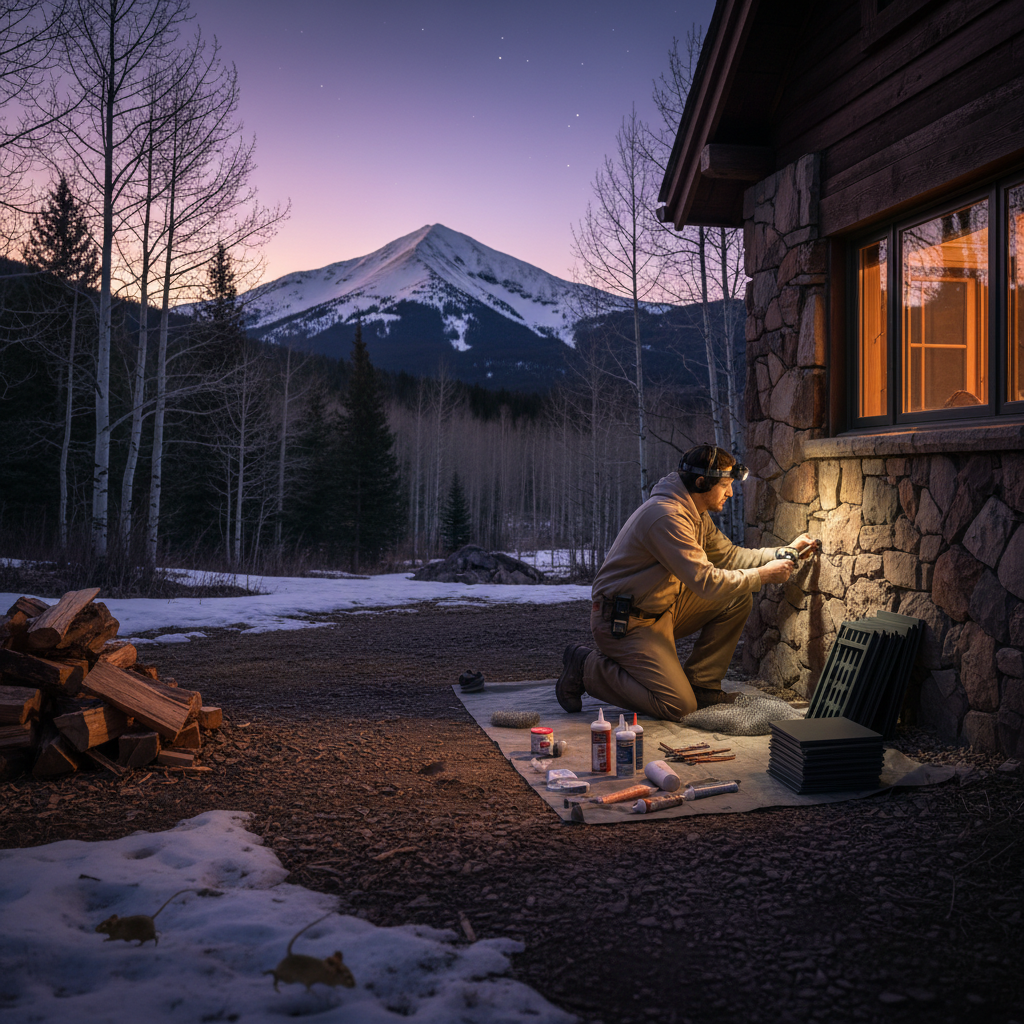
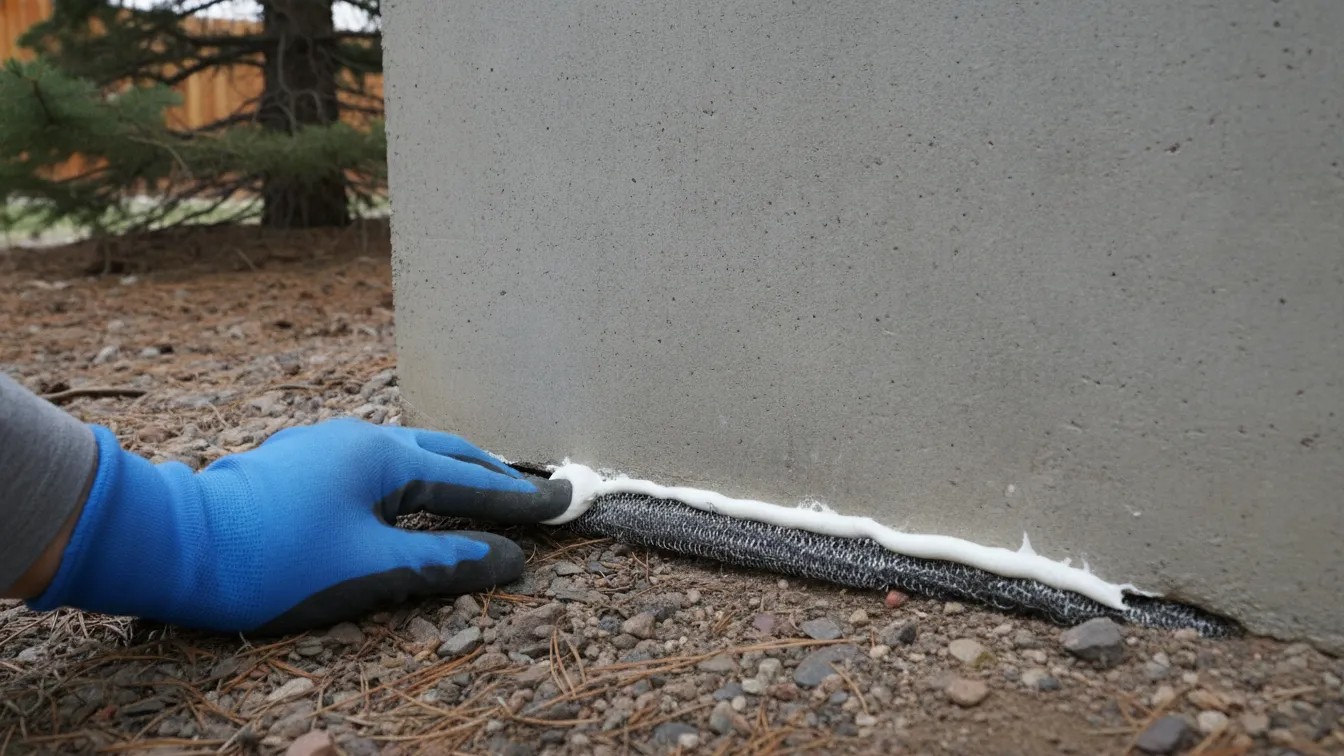
For small openings, the CDC recommends steel wool secured with caulk or spray foam. Larger holes need a more durable barrier, such as hardware cloth, metal, cement, or metal sheeting. The goal is not simply to cover a visible hole, but to trace the route and close the connected gaps around it.
Call Beeline Pest Control at 303-586-5231 for help finding mouse entry points.
How to Mouse-Proof Your Colorado Home with Simple DIY Steps
A thorough mouse-proofing routine combines exclusion with simple sanitation. Work from the outside in, and treat every pencil-width opening as a possible entry point. The CDC notes that mice can squeeze through a hole about 1/4 inch wide, so small gaps deserve the same attention as obvious cracks.
Inspect the perimeter and foundation
Walk around the foundation-ground junction and look closely at flashing, siding transitions, garage edges, and outbuildings. Check attic and crawl-space vents, plus openings where plumbing, electrical, cable, and gas lines pass through walls. Inside, inspect behind appliances, under cabinets, along the wall-floor junction, and around pipes beneath sinks or near furnaces and water heaters. A flashlight and a careful, low-angle view can reveal gaps that are easy to miss from standing height.Seal small gaps with the right materials
For openings around 1/4 inch or smaller, pack steel wool firmly into the gap, then secure it with caulk or spray foam. The filler should be held tightly in place rather than loosely stuffed where it can be pulled out. Pay special attention to utility penetrations and corners where different building materials meet. Recheck these repairs after heavy weather or any exterior work.Block larger holes with durable barriers
Do not rely on caulk alone for a larger opening. Use lath screen, hardware cloth, metal sheeting, or cement, depending on the location and surface. Fasten mesh securely so rodents cannot push behind it. Screen vents without restricting necessary airflow, and repair gaps around garages, sheds, and other outbuildings as part of the same project.Weather-strip doors and windows
Close the gap beneath exterior doors and replace worn weather stripping around doors and windows. Check that screens, sweeps, and frames sit tightly when closed. Even a narrow, flexible gap can become an easy route indoors, especially when temperatures drop along the Colorado Front Range.Remove food and water incentives
Store pantry goods, birdseed, and pet food in thick plastic, metal, or glass containers with tight lids. Clean spills immediately, wash dishes promptly, and wipe crumbs from floors and counters. Put pet food away after use, and avoid leaving food or water bowls out overnight.Manage trash, compost, and the yard
Keep outdoor garbage in thick plastic or metal cans with tight, intact lids. Clean residue from containers and dispose of waste regularly. Keep compost and outdoor cooking areas clean, and place compost away from the home when possible. Finally, trim vegetation back from the foundation and remove dense clutter that can provide cover near walls, doors, or sheds.
These steps reduce opportunities for new mice to enter, but they may not resolve activity already established inside walls, attics, or crawl spaces. For practical winter rodent control guidance, or help with a recurring problem, review Beeline's rodent control services.
When Mouse-Proofing Requires a Professional
DIY sealing is a useful first step, but it is not always enough to solve a mouse problem. If you hear scratching inside a wall, see droppings near an attic access. Or notice activity in a crawl space, the rodents may be moving through areas you cannot safely reach. The CDC recommends contacting a pest control specialist when rodents have entered areas that cannot be reached for cleaning.
This is especially important when signs continue after you have sealed the obvious gaps. Mice can use more than one route into a home, including openings around utility lines, attic or crawl-space vents, roof edges, and the foundation. A patch that looks complete from the living room may leave a hidden connection open behind insulation, cabinets, or siding. A professional inspection can trace the pattern instead of treating only the latest visible sign.
Know when a gap is beyond a simple repair
Small openings can often be filled with steel wool secured by caulk or spray foam. Larger gaps may require hardware cloth, metal sheeting, cement, or another durable repair material. If the opening is high on a roofline, located near electrical or gas utilities. Or requires entering a tight crawl space, do not put yourself at risk to reach it. Structural repairs also need to be sturdy enough to withstand weather and continued rodent pressure.
Repeated intrusions are another clear reason to call. Fresh droppings, new scratching sounds, or sightings after your first round of sealing suggest that an entry point, nesting area, or food source remains unresolved. A local technician can inspect the structure, identify likely access points, and recommend safe, professionally applied steps for removal and exclusion. If you have serious concerns about a rodent infestation on your property, the CDC also advises contacting your local or state health department.
Make sure you are addressing the right rodent
Not every small rodent sighting in Colorado involves a house mouse. Colorado has eight species of voles, which are often called meadow, field, or pine mice. Voles typically live outdoors, so correctly identifying the animal helps determine whether the priority is landscape management, exterior exclusion, or indoor rodent control. When you are unsure, save a clear photo if possible and let a professional assess the evidence rather than guessing.
Beeline Pest Control provides free inspections for homeowners across the Denver metro area and Front Range. Our licensed local technicians use safe, EPA-approved methods and practical exclusion recommendations, with the personal accountability of a family-owned Colorado company. If DIY mouse-proofing has not stopped the problem, a professional inspection can give you a clear next step.
| DIY Mouse-Proofing | Professional Exclusion |
|---|---|
| Good for catching small, visible gaps around the foundation, doors, and vents. | Best for tracing hidden routes behind walls, attics, and crawl spaces. |
| Uses supplies you buy yourself, like steel wool, caulk, and spray foam. | Uses durable, rodent-resistant materials chosen and installed by a licensed technician. |
| Leaves removal of mice already inside to you. | Includes safe removal plus closing the routes they used. |
| No inspection needed, but you may miss the real entry point. | Starts with a whole-property inspection to find every opening. |
Call Beeline Pest Control at 303-586-5231 for a free inspection.
What Wildlife Exclusion Service Includes
Professional wildlife exclusion is more than placing traps where you notice a mouse. It is a property-wide plan that finds how rodents are getting inside, removes the current problem safely, and closes the routes they could use again. That matters in Colorado homes, where a small gap can become an active entry point as temperatures fall.
A whole-property inspection
A licensed technician starts by examining the home from the foundation to the roofline, not just the room where you found droppings. The inspection includes the foundation-to-ground junction, doors and windows, attic and crawl-space vents, roof edges, garages, outbuildings, and openings around plumbing, electrical, cable, and gas lines. Interior checks may include areas behind appliances, under cabinets, basements, and utility spaces.
Mice can fit through an opening about one-quarter inch wide, roughly the width of a pencil. That makes careful inspection important because an entry point may be easy to overlook while still large enough for a rodent to use. The technician can also look for signs that help distinguish an active route from an old or incidental gap. Learn more about rodent control in Denver and the inspection process.
Full-perimeter exclusion
Once entry points are identified, the service addresses the perimeter rather than treating only one opening. Small gaps may require steel wool secured with caulk or spray foam. Larger openings call for more durable rodent-resistant materials, such as hardware cloth, metal, cement, or metal sheeting. Vents, flashing, door sweeps, and utility penetrations receive attention when they are part of the route.
Sealing is coordinated with the condition of the home and the evidence found during inspection. The goal is to reduce access without creating a new problem, such as trapping an animal inside a wall or attic.
Safe removal and follow-up
If rodents or wildlife are already inside, the technician can use appropriate trapping and removal methods before or alongside exclusion work. Treatment is planned around the home, its occupants, and pets, using safe, EPA-approved products when a product is needed and applying them professionally. The CDC recommends contacting a pest control specialist when rodents have reached areas that cannot be safely or practically reached for cleaning.
Beeline's local, state-licensed technicians provide follow-up as part of a service focused on lasting results. The company backs its work with a 100% satisfaction and pest-free guarantee, including free re-treatment when you are not satisfied. That gives homeowners a clear next step if activity continues after the initial visit.
Call Beeline at 303-586-5231 to schedule a wildlife exclusion inspection.
Pricing and What to Expect from Beeline
Professional mouse-proofing is easier to budget when you know what happens before work begins. Beeline starts with a clear conversation about what you are seeing, followed by a free estimate or inspection when appropriate. You will receive honest pricing before recommended work starts, so you can understand the scope and decide how to move forward without pressure.
The right solution depends on the home. A small, visible gap may need a straightforward repair, while activity in a wall, attic. Crawl space, or another hard-to-reach area may require a more complete exclusion and removal plan. The goal is not to sell a one-size-fits-all package. It is to find and address the conditions allowing mice to return.
What your investment covers
With rodent control in Denver, the value is in solving the access problem as well as addressing the current activity. Depending on the inspection, service may include identifying entry points, recommending durable exclusion work, removing or controlling rodents, and explaining practical steps that help protect the home afterward. A one-time professional exclusion can be more useful than repeatedly buying traps or repellent products when mice keep finding another route inside.
Beeline is a family-owned Colorado company serving Front Range homeowners since 2009. Its technicians are licensed through the Colorado Department of Agriculture, and the team emphasizes safe, EPA-approved, professionally applied methods. For qualifying rodent removal service, the company may also have a $30-off offer available. Ask about current eligibility and terms during your estimate rather than assuming an offer applies to every situation.
Service is backed by Beeline's 100% satisfaction guarantee and pest-free guarantee, including free re-treatment when applicable if you are not satisfied with the results. That accountability matters when you are trying to keep mice out through changing Colorado weather, not just manage one visible sighting.
Call Beeline at 303-586-5231 for a free estimate and practical next steps.
Frequently Asked Questions
How do mice get into my home in Colorado?
Mice use small gaps around the foundation, doors, windows, attic vents, crawl spaces, and utility lines. They can squeeze through an opening only 1/4 inch wide, about the width of a pencil. Inspect ground-level penetrations and weather-stripping before the first sustained cold weather. CDC guidance supports these prevention steps.
What is the best way to mouse-proof a house before winter?
Start with a perimeter inspection, then seal every opening you find and remove easy food sources. Check the foundation, vents, garage, outbuildings, doors, and utility penetrations. Store food in tightly closed containers, clean spills promptly, and keep garbage covered. These combined steps reduce both access and attraction.
Why do mice enter Colorado homes in the fall?
As temperatures drop, mice look for warm shelter, nesting space, food, and water. A home offers all four, especially when small exterior gaps connect to attics, crawl spaces, garages, or wall cavities. The CDC recommends sealing holes before rodents move indoors for winter protection.
What materials are effective for sealing mouse entry holes?
For small holes, pack steel wool into the opening and secure it with caulk or spray foam. Larger openings need sturdier materials, such as hardware cloth, metal sheeting, lath screen, or cement. Choose a durable repair that closes the entire gap, rather than relying on a temporary scent or surface treatment.
Can I use peppermint oil to keep mice away?
Peppermint oil may provide a temporary scent deterrent, but it does not replace physical exclusion. Mice can continue searching for warmth and food if an opening remains available. The dependable approach is to identify gaps, seal them with appropriate materials, and correct sanitation issues that make the home attractive to rodents.
Ready to Mouse-Proof Your Colorado Home?
A professional inspection can help identify hidden entry points and clarify the safest next steps before winter. Beeline Pest Control is a family-owned, local Denver company offering free inspections and estimates, backed by a 100% satisfaction guarantee and pest-free guarantee.
Call Beeline at 303-586-5231 to schedule a free rodent inspection and mouse-proofing estimate.
Get a Free Pest Control Quote for Your Aurora Home
Tired of pests in your Aurora home? Tell us about your pest problem using the form below. A friendly expert from Beeline Pest Control will contact you soon with a personalized, no-obligation estimate to make your home pest-free. Reclaim your peace of mind today!
More Blogs
Some other blogs you might be interested in