Denver Wasp Nest Removal: Safe & Effective Solutions for Your Home
Discover expert tips and professional services for safe wasp nest removal in Denver. Keep your family and pets protected with Beeline Pest Control's effective solutions, ensuring a sting-free environment for your home.
Wasp nests in Denver eaves turn outdoor patios into high-risk zones during the heat of summer. These pests build colonies fast on home properties. Our team helps homeowners reclaim their yards with fast removal services.
Need immediate help? Schedule your wasp nest removal online or call Beeline Pest Control at (303) 586-5231 for fast, same-day professional service.
Wasp nest removal Denver is a vital service for homeowners because stinging insects like paper wasps guard their nests and are hostile pests. These pests build nests under roof eaves or near doors and pose a direct threat to pets and children in summer. According to the Centers for Disease Control and Prevention, these insects are most active in warm months and nest in trees. Expert removal is needed to kill the whole colony and stop wasps from flying off to form other nests nearby. Beeline Pest Control provides expert removal in Denver and offers a 100% satisfaction guarantee through our local, family-owned method. We treat your home with the same care we use for our own families.
If you find a nest, you might wonder if you should spray it yourself or wait, but trying to remove it without proper protective gear is highly dangerous. Learning the risks is the first step in keeping your family safe. Let's examine why professional wasp nest removal in Denver is the most effective and safest course of action.
Wasp Nest Removal Denver: Why You Need Professional Extermination
Dealing with a wasp nest on your own can lead to big risks. Many people try to use store sprays to handle the problem. But wasps are highly protective of their colonies. If they feel a threat, they can swarm and sting many times. For safe wasp nest removal Denver owners should always call an expert team. Experts have the right gear and skills to clear nests without putting you in harm's way.
The risks of trying to do it yourself
Wasps are much more than just a pest. They are defensive stinging insects that will aggressively guard their nesting sites. When you upset a colony, you risk a mass attack. A sting can cause pain and swelling for anyone. But for some people, it can lead to anaphylactic shock which is a deadly health issue. Trying to remove a nest with a ladder or a hose is a big mistake. You could fall or get trapped while trying to run from a swarm.
Beeline Pest Control treats every home with care. Our team uses tools that keep your family and pets safe. We know how to move through your yard without making the bugs even angrier. Since we are a local family-owned firm, we treat your house like it is our own. You do not have to worry about the dangers of DIY work when you have our help.
Finding hidden nests in your home
Wasps do not always build nests in plain sight. They often pick spots like roof eaves, attic vents, and wall gaps. Some types, like yellow jackets, even nest in the ground. These hidden spots make wasp nest removal hard for a person without training. If you miss even one part of the colony, the bugs will soon return. Our experts know exactly where to locate these hidden nests.
A pro check is the first step to a clear home. We look at rooflines and siding gaps where bugs like to hide. Our licensed techs use the right methods to find every active spot. This full approach ensures the whole colony is gone. By finding the source of the problem, we stop the pests from coming back next month. This saves you time and stress in the long run.
Fast service and a full guarantee
When you see a nest, you want it gone fast. A delay can let the colony grow and become more of a threat. Beeline offers quick help to clear your property. We serve the full Denver metro area, including Boulder and Colorado Springs. Our 50-mile area means we can get to your home soon. We focus on emergency wasp nest removal to keep your family safe from stings.
We stand by our work with a 100% satisfaction guarantee. If the pests return after we leave, we will come back to fix it for free. This guarantee ensures your home is safe for kids and pets, giving you peace of mind with every visit.
Identifying Common Stinging Insects in the Denver Metro Area
People in the Denver area often see stinging insects during the warm months. These pests are most active in late spring and summer as they build their nests. Finding a nest near your home can be a big safety risk for your family and pets. We handle common Colorado pests like yellow jackets, hornets, and paper wasps to keep your yard safe.
Common wasps in Colorado
Yellow jackets and paper wasps are two types that often harm local yards. These insects are very bold and will defend their homes if you get too close. Because they are so fierce, you should not try to handle them without help.
Expert wasp nest removal is the best way to avoid painful stings. Our team knows how to find hidden nests in wall voids and roof gaps that most people miss. We also look for nests in siding gaps, decks, and patios to ensure your property is fully clear of pests.
Spotting hornet activity
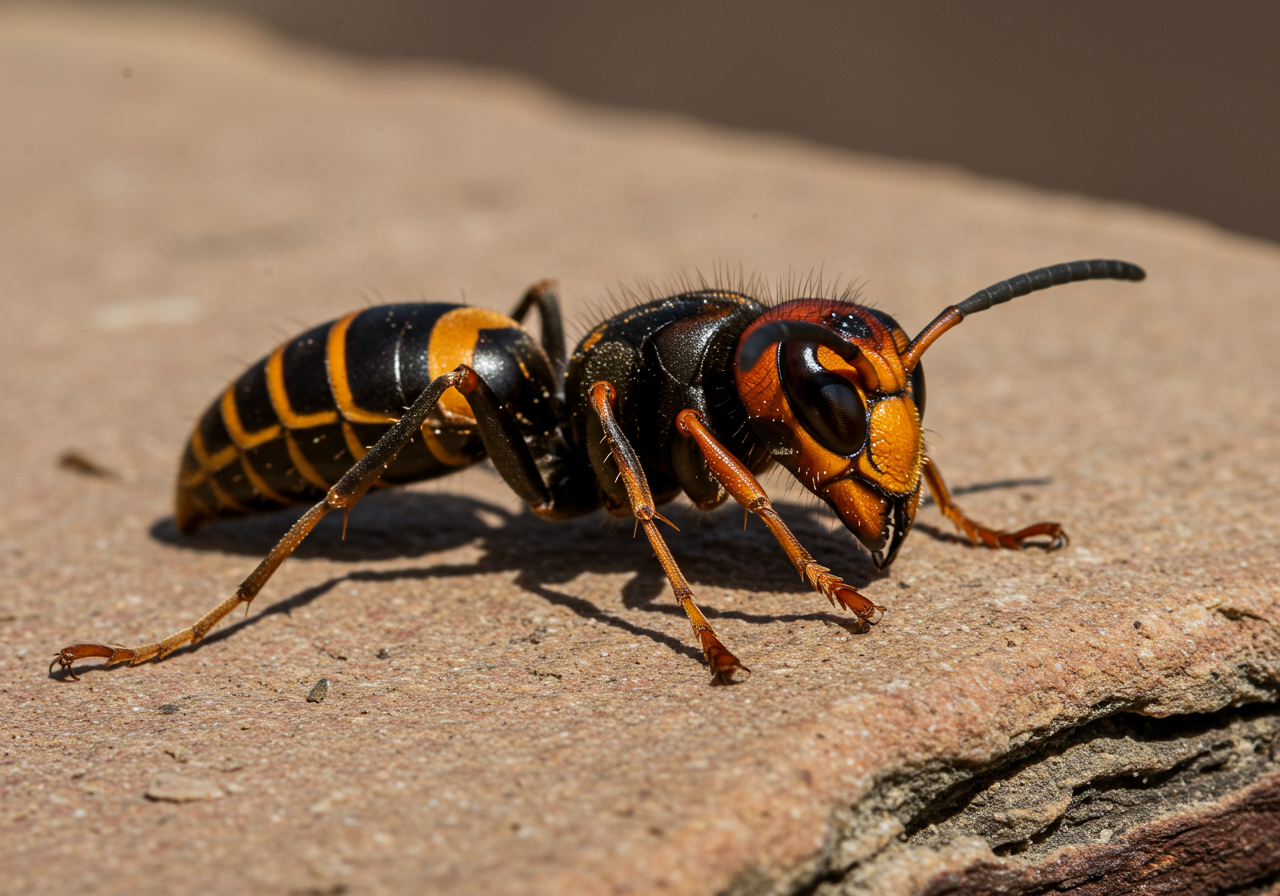
Hornets also build large nests around Denver, Boulder, and Colorado Springs. They often place their nests in trees or under roof eaves where they can stay out of sight. These pests can be very dangerous because they can sting many times.
If a group of insects attacks you, the Centers for Disease Control and Prevention (CDC) says you should run indoors right away. Do not jump into water since some insects will wait for you to come up for air. It is best to stay away from blooming plants when you know a nest is nearby.
Stinging insect types
Each type of stinging insect has its own habits and choice of nest sites. Knowing where to look can help you find a problem before the group grows too large. Our staff will check fences, sheds, and entry points where nests often hide. Use the table below to compare the types we often find in the Denver metro area.
| Insect Type. | Common Nest Sites. | Aggression Level. |
|---|---|---|
| Yellow Jackets. | Wall voids, attics, and underground. | Very High. |
| Hornets. | Trees and roof eaves. | High. |
| Paper Wasps. | Decks, patios, and eaves. | Moderate to High. |
If you see signs of a nest, you must act fast. We offer Denver pest control services from Beeline Pest Control Denver with a full 100% satisfaction guarantee. Our staff uses safe methods to clear out the entire group so the pests do not come back.
We serve a 50-mile range to ensure every local home stays sting-free all year long. You can trust our family-owned team to keep your home safe from pests.
Types of Wasp Nests and Where They Hide Around Your Home
Finding a nest early is the best way to stop a small problem from growing into a big risk. In the Denver metro area, nests often start small. They may be the size of a golf ball in late spring. By late summer, a colony can grow as large as a beach ball. Identifying the shape and feel of a nest helps you know which pest you face. Professional wasp nest removal in Denver is the safest way to handle these insects before they become too aggressive.
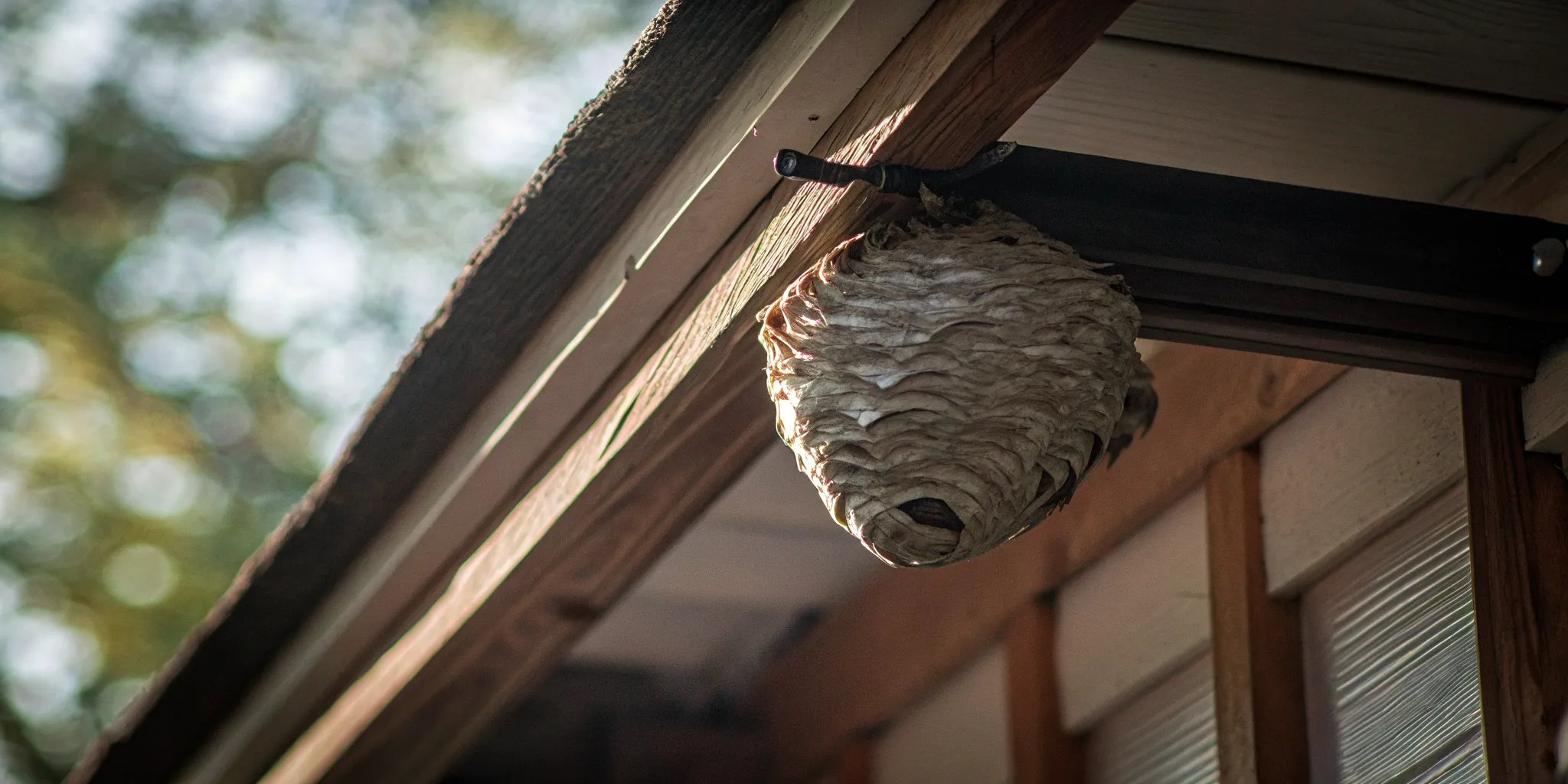
Identifying the type and location of a wasp nest is crucial for safe removal.
Common nest shapes and textures
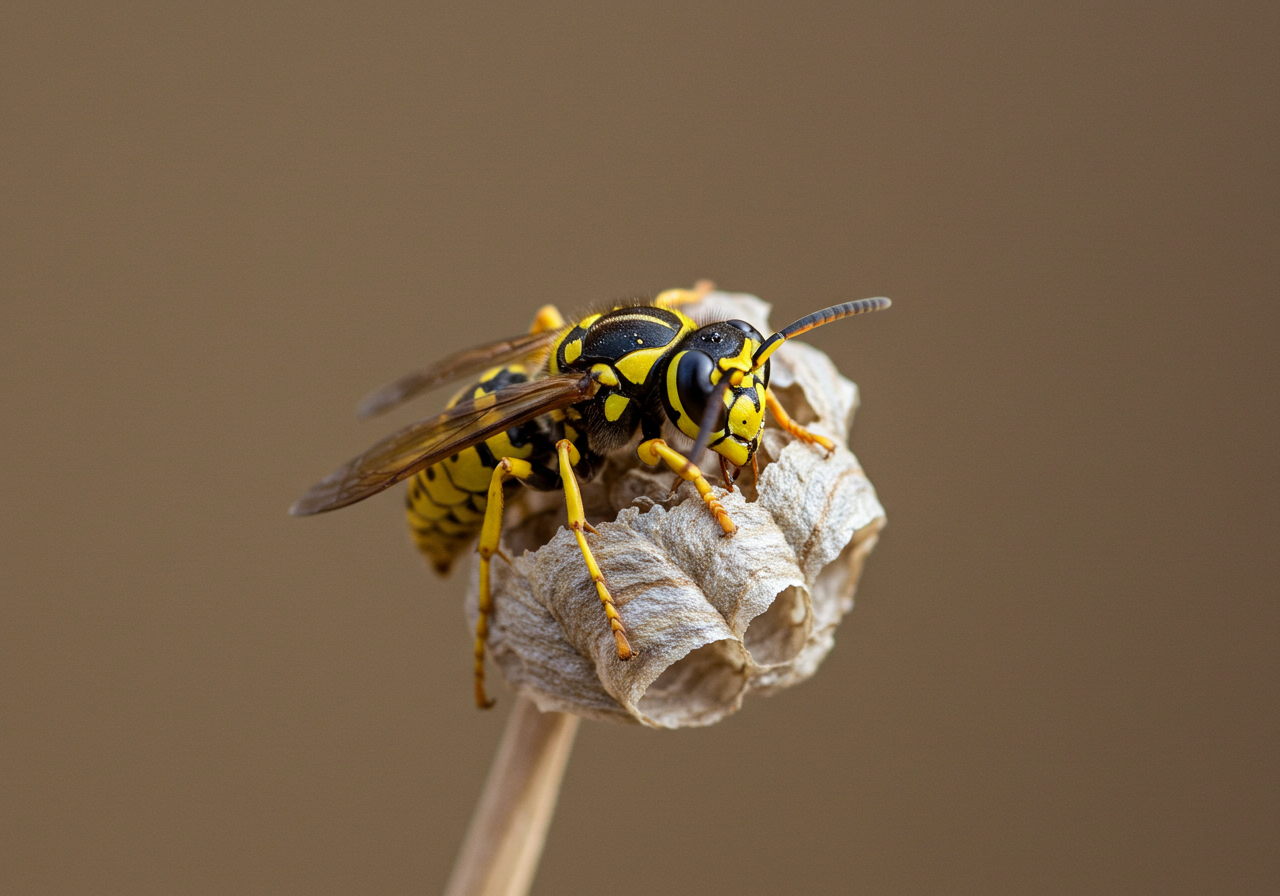
The look of a nest tells a lot about the wasps inside. Paper wasps build open, umbrella-shaped nests where you can see the cells. These often hang from a single stalk in quiet areas. Yellow jackets and hornets build more complex homes. They use chewed wood pulp to make a grey shell that covers the whole nest. These closed homes can hold thousands of insects and are more dangerous to approach than open nests.
Yellow jackets also build nests in the ground. These are easy to step on by mistake. These nests might only show a small hole in the grass as an entry point. Since these pests are very territorial, it is vital to keep children and pets away from any active site. If you find a nest, you should seek wasp nest removal to ensure the whole colony is gone.
Where wasps hide on your property
Wasps look for spots that are high and dry to keep their young safe. You will often find them under roof eaves, behind shutters, or in the corners of porch ceilings. They also use gaps in your siding or attic vents to get inside. According to the Centers for Disease Control and Prevention, nests are also common on tools like ladders and in trees. Our team often finds hidden nests in wall voids where they can grow out of sight.
Ground-nesting wasps like to use old rodent holes or soft soil under decks and sheds. These spots can be hard to see during yard work. If you notice many wasps flying in and out of a single hole in the ground, there is likely a large colony beneath you. For help with any nest, you can get a free quote for wasp removal from our local team. We serve a 50-mile area around Denver with a 100% satisfaction guarantee.
The Serious Safety Risks of DIY Wasp Nest Removal
Removing a wasp nest on your own may seem like a quick way to save money, but it often leads to dangerous results. Many homeowners in the Denver metro area try to use store-bought sprays to handle these pests. But DIY attempts can fail to reach the heart of the colony. This often leaves the remaining wasps more aggressive than before. Without professional training, you risk facing a swarm of territorial insects that are ready to defend their home.
Aggressive Swarms and Multiple Stings
Wasps are highly territorial and can become very violent when they feel their nest is under threat. If you disturb a nest, the insects may release a chemical signal that calls others to join the fight. This can quickly lead to an attack by a large group. If you find yourself facing several stinging insects, the CDC recommends running indoors immediately to get away from the swarm. You should never jump into water to escape, as some insects will stay above the water and wait.
Risk of Anaphylactic Shock
The most severe danger of a wasp sting is a life-threatening allergic reaction. Some people may not even know they have an allergy until they are stung. According to the CDC, anaphylactic shock is a serious medical emergency that needs fast care. Symptoms can include trouble breathing, swelling, and a rapid pulse. For those with a known history of severe reactions, a single sting during a DIY project can be fatal without immediate help.
Because these reactions happen so fast, it is much safer to hire a professional for Beeline Pest Control Denver services. We have the training to manage nests in hard-to-reach places like roof eaves or wall voids. By letting a family-owned team handle the job, you avoid the risk of a medical crisis in your own backyard. We prioritize the safety of your kids and pets during every visit to your home.
Improper Use of Pesticides
Using the wrong chemicals or applying them poorly can create new hazards for your household. Many retail sprays contain toxins that can stay on your property if they are not used correctly. If you spray a nest near your vents or windows, these fumes might enter your living space. This can be harmful to pets and small children who are more sensitive to harsh chemicals. Professional technicians know how to use treatments that hit the pests while keeping your home safe.
Store-bought products also tend to only kill the wasps on the surface. This leaves the larvae inside the nest to hatch later, which leads to a recurring problem. Our expert emergency wasp nest removal service ensures the entire colony is gone for good. We stand behind our work with a 100% satisfaction guarantee, so you can rest easy knowing the job was done right. Don't risk your health on a DIY fix when local help is just a phone call away.
How Can You Prevent Wasp Nests Around Your Denver Property?
Stopping wasps before they build a nest is the best way to keep your home safe. These pests look for quiet spots with easy access to food and water. In the Denver metro area, wasps start searching for nesting sites in late spring. By taking a few simple steps now, you can make your yard less attractive to these stinging insects.
Remove common food sources
Wasps are often drawn to areas with plenty of food. Keeping your outdoor living space clean is a vital first step. Social wasps thrive in places where people leave waste or food scraps behind. Make sure to use tight lids on all outdoor trash cans. If you have fruit trees, pick up any fallen fruit from the ground right away.
You should also be careful with sweet scents. Some research shows that banana-scented items can attract certain stinging pests. Avoid using perfumed soaps or shampoos when you plan to spend time outside. These small changes can help keep wasps from gathering near your patio or deck.
Seal entry points on your home
Wasps look for small gaps to start their nests. They often use rooflines, eaves, and siding gaps as entry points. It is wise to check your home for any cracks or holes before the warm months arrive. Sealing these spots makes it much harder for a queen to find a safe place to build.
You can use caulk or mesh to block these openings. Pay close attention to attic vents and soffits. These are common spots for wasp nest removal needs later in the year if they are left open. If you find an active nest while sealing gaps, do not try to handle it yourself.
Follow these steps for a wasp-free yard
Use this list to help protect your family from painful stings. These actions create a barrier that keeps pests away from your property.
- Keep trash bins sealed. Use heavy lids that fit tightly to block smells that attract pests.
- Pick up fallen fruit. Clear out rotting fruit from the ground to remove a major food source.
- Seal gaps and cracks. Use caulk to close holes in siding, eaves, and around window frames.
- Fix leaky pipes. Wasps need water to survive and often gather near drips or standing water.
- Cover outdoor food. Always keep food containers closed during picnics or yard parties.
Taking these steps helps reduce the need for emergency wasp nest removal in the future. A proactive approach is always the safest choice for homeowners. If you need help finding hidden nesting spots, a professional inspection can give you peace of mind.
What Is the First Aid Procedure If You Get Stung by a Wasp?
Getting stung by a wasp is painful and can be scary. If it happens to you, acting fast is the best way to feel better and stay safe. Most people will have some pain and swelling, but proper care helps the area heal quickly.
Remove the stinger correctly
If the wasp leaves a stinger in your skin, you must take it out right away. You should use a piece of gauze or a fingernail to scrape it off. The CDC warns that you must never use tweezers or your fingers to squeeze the stinger. Squeezing can push more venom into your body and make the sting feel worse.
Clean and treat the area
Once the stinger is gone, wash the spot with soap and water to prevent an infection. You can apply a cold pack to help with pain and to keep the swelling down. If you have many stings or nests on your property, you may need wasp nest removal to stay safe. Our family-owned team can find hidden nests around your home to stop future stings.
When to seek emergency care
For most people, a sting is just a nuisance. But for some, a sting causes a severe allergic reaction called anaphylactic shock. This reaction is life-threatening and needs immediate care from a doctor. If you see signs like trouble breathing, a fast heart rate, or a rash, call for help right away. Getting professional Denver pest control services can help keep these aggressive pests away from your family and pets.
The Beeline Process: Safe and Guaranteed Wasp Nest Removal
Wasps and bees are most active when the weather is warm in Colorado. During late spring and summer, these pests build nests at a fast rate. You can find these nests in common spots around your yard. Experts at the CDC note that nests are often under roof eaves or in trees. This is why you need Beeline Pest Control Denver to protect your home.
Step-by-Step Expert Care
Our team uses a clear plan to find and remove every nest on your lot. We do not just spray the surface and leave. We look for hidden spots in walls and rooflines where wasps like to hide. Our goal is to fix the issue on the first visit so you can stop worrying. This careful work helps to keep your family safe from stings all year long.
- Full yard check to find all active nests.
- Safe treatment using pro-grade tools and gear.
- Physical removal of the nest structure from your home.
- Expert tips to help keep pests from coming back.
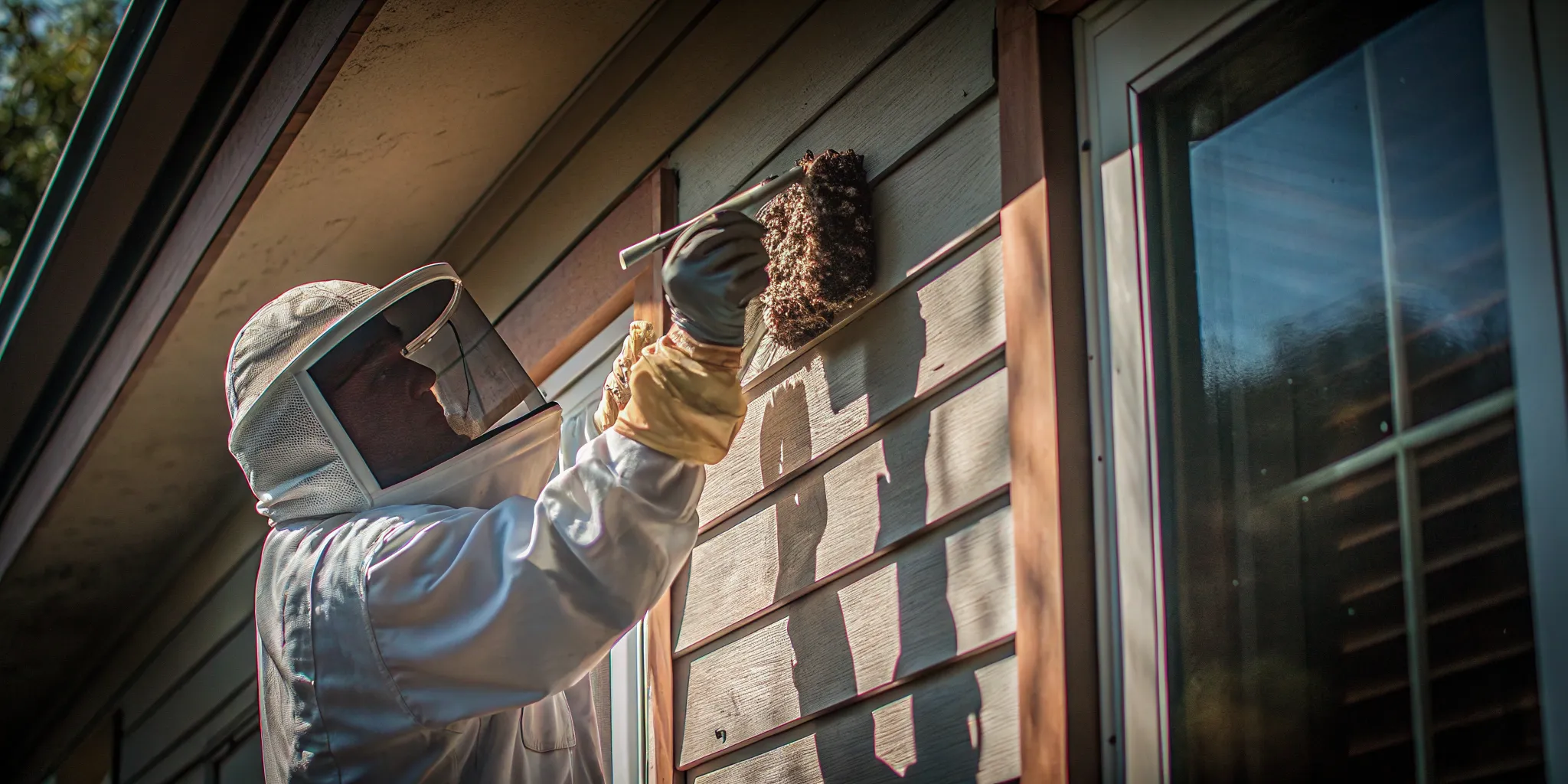
Beeline's licensed technicians use professional-grade protective gear and tools to safely eliminate nests.
Local Service for Front Range Residents
We are proud to serve families across the entire Denver metro area. Our service area covers a 50-mile range to ensure we can reach you when you need us. This range includes towns like Denver, Boulder, Littleton, Castle Rock, and Colorado Springs. We know the local climate and pests better than anyone else.
As a local business, we know how vital it is to have a safe yard for your family. That is why we treat your home with the same care we use for our own families. You can trust our family-owned team to protect your land from pests. Contact Beeline Pest Control today to schedule your wasp nest removal service.
Get a Free Pest Control Quote for Your Aurora Home
Ready to reclaim your home from unwanted pests? Beeline Pest Control is your trusted local expert in Aurora, Colorado. Fill out our quick form to tell us about your pest problem, and we'll call you back with a personalized, no-obligation quote. Let us help you enjoy a pest-free home!
More Blogs
Some other blogs you might be interested in