Signs of Mice in Denver Home: What to Look For
Are you seeing unsettling signs in your Denver home? Discover the undeniable clues that mice leave behind. Our guide helps Denver homeowners identify common signs of mice, from droppings to gnaw marks, so you can know when it's time to act.
When temperatures drop along the Front Range, mice look for warm shelter, and a Denver home can offer food, nesting space, and easy access through surprisingly small gaps. Early clues are often easy to miss, especially before mice move beyond a kitchen or wall void.
The most common signs of mice in denver home include rice-like droppings, scratching or scurrying after dark, shredded nesting material, stale ammonia-like odors, and gnaw marks near food, baseboards, or wiring.
Finding one clue does not mean you need to panic, but it does warrant a careful inspection. Check quiet, warm areas such as cabinets, utility spaces, garages, and wall edges, and avoid disturbing droppings until you know how to clean them safely. For broader prevention guidance, see Beeline's Denver rodent control and exclusion guide. Next, let's look at how these signs appear throughout your home and what each one can reveal.
Call Beeline Pest Control at 303-586-5231 for a free inspection if you have spotted any of these signs.
What Are the Signs of Mice in Your Denver Home?
Early clues are often easy to miss because mice stay hidden during the day. Check quiet areas, food storage spaces, wall edges, and utility routes for a pattern of evidence.
Visible evidence around kitchens and walls
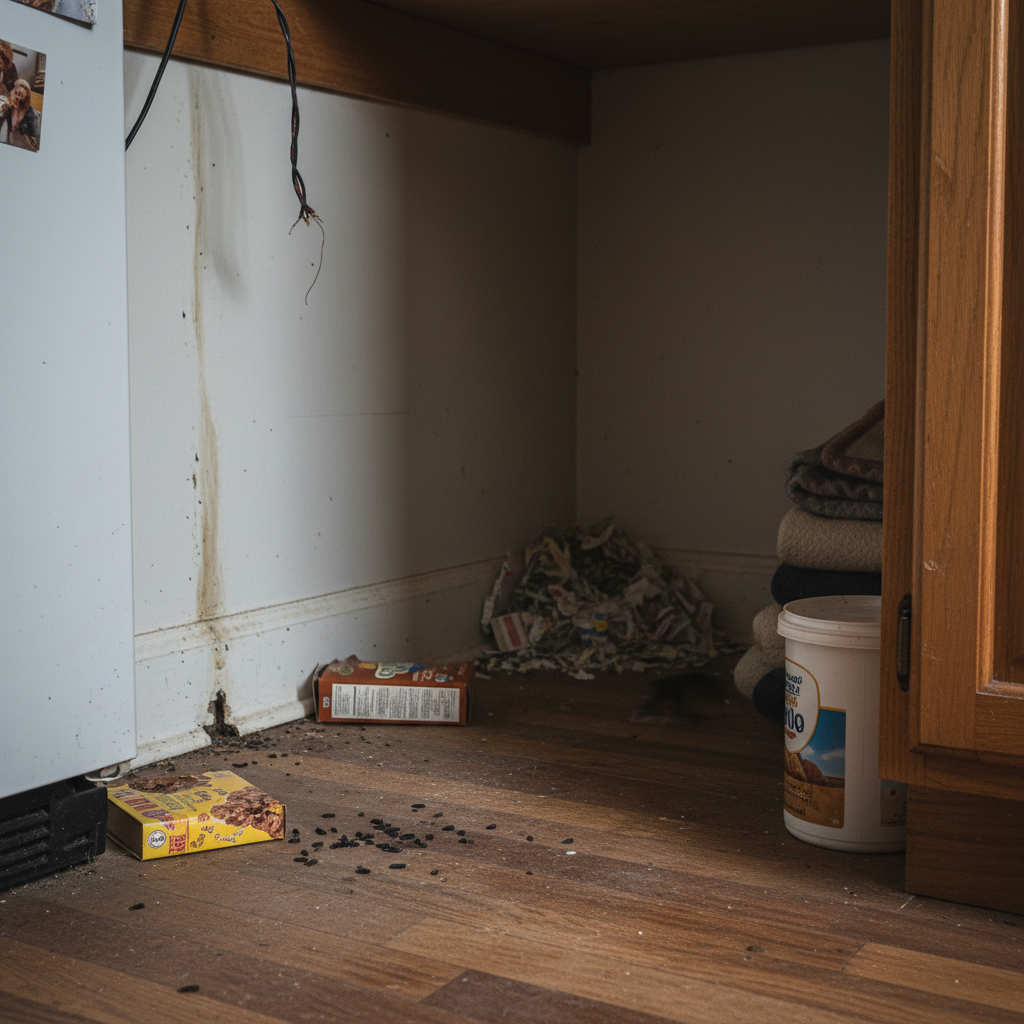
- Small droppings: Look for dark pellets that resemble rice grains, especially inside kitchen drawers, cabinets, and other food-adjacent areas. These locations can point to active feeding or nesting areas.
- Gnaw marks: Mice chew to keep their incisors at a manageable length. Check baseboards, cabinet corners, furniture, insulation, and electrical wires for fresh tooth marks or damage.
- Shredded nesting material: Torn paper, cardboard, fabric, or insulation may indicate a nest nearby. Mice often choose warm, secluded spaces for nesting.
- Rub marks: Dark, greasy smudges along baseboards, wall edges, or narrow travel routes can show where mice repeatedly brush against surfaces.
- Mouse sightings: Seeing a mouse in the daytime or finding one near food storage deserves attention. A visible mouse may mean others are using nearby hidden spaces.
Sounds and smells that reveal hidden activity
- Nighttime scratching or skittering: Mice are nocturnal, so scratching, scurrying, or light movement in walls and ceilings is often easiest to hear after dark.
- Musky, ammonia-like odor: A strong odor in an attic, wall void, cabinet, or other enclosed space can accompany active mouse activity.
One sign alone does not always confirm an infestation. Several clues in the same area create a stronger pattern. For example, droppings near gnaw marks suggest more than an isolated outdoor visitor.
Do not sweep or vacuum dry droppings. Rodent waste can spread disease when contaminated dust becomes airborne. Follow current CDC cleanup guidance before disturbing the area: learn how to identify and address rodent signs safely.
Document where you find each clue and whether it appears fresh. If new evidence keeps returning, a professional inspection can identify activity zones and possible entry points before the problem spreads.
Droppings and Gnaw Marks: What They Mean
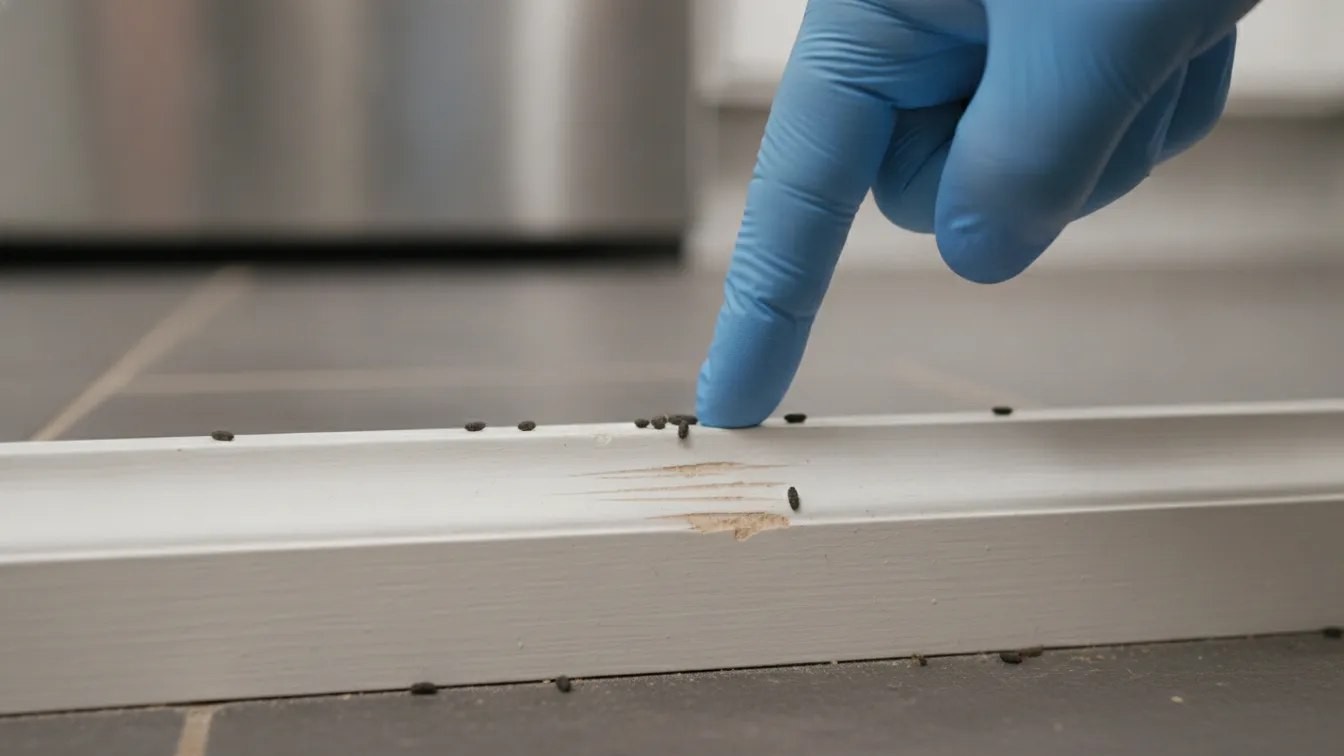
Mouse droppings are often one of the first visible signs of mice in a Denver home. They are usually small, dark, pointed pieces that resemble grains of rice. You may find them inside kitchen drawers, cabinets, pantries, or along baseboards where mice travel.
A few droppings do not always reveal how long mice have been present. Older evidence can remain after rodents leave, so look for location, quantity, and freshness. Droppings near food storage or hidden corners deserve attention, especially when paired with scratching sounds, nesting material, or an unusual odor.
How to check whether droppings are active
The CDC recommends a simple clean-and-recheck approach. Do not sweep or vacuum dry droppings, which can disturb contaminated particles. Instead, follow safe cleanup guidance and remove the evidence carefully. Then inspect the same area again after cleaning.
New droppings after the area is clean indicate active rodent presence. This test can help distinguish an ongoing problem from old evidence left by a mouse that has already moved on. For detailed cleanup and prevention guidance, review the CDC rodent control recommendations.
What gnaw marks can tell you
Gnaw marks often appear near droppings because mice use the same travel routes repeatedly. Check cardboard boxes, food packaging, cabinet edges, wood, insulation, and utility openings. Look for rough, scraped edges or small paired tooth marks rather than ordinary wear.
Mice and rats gnaw for two practical reasons. Their front teeth continue growing, so gnawing helps maintain proper length. They also chew materials to create or enlarge access points. A small opening around a pipe, vent, door, or foundation can become an easier route into your home.
When droppings and gnaw marks occur together, treat them as evidence rather than isolated damage. A careful inspection can identify where rodents enter, travel, and feed. Beeline's rodent control service can help Denver homeowners evaluate those signs and address the source safely.
Sounds in the Walls at Night and Other Nocturnal Clues
One of the earliest signs of mice in a Denver home may be something you hear before you see anything. After dark, listen for light scratching, quick skittering, tiny squeaks, or repeated scampering.
Mice are nocturnal, so they are most active during evening and nighttime hours. That activity often becomes easier to notice when the house is quiet. Beeline Pest Control identifies nighttime scratching and scurrying in walls as common indicators of mouse activity.
These sounds can come from several areas of your home, including:
- Interior walls: Mice may travel through wall cavities while moving between food, water, and shelter.
- Ceilings: Noises overhead can point to movement near insulation, wiring, or gaps around fixtures.
- Attic spaces: A mouse may use warm, secluded areas for daytime shelter or nesting.
- Basements and utility areas: Pipes, storage, and foundation gaps can create protected travel routes.
The location and timing of the sound can offer useful clues. Scratching that stays near one wall may indicate a nearby entry route or nesting area. Noises that move across a ceiling or wall may reflect a travel path rather than the nest itself.
Do not assume every nighttime noise comes from mice. Heating systems, plumbing, insects, and larger rodents can create similar sounds. However, sound becomes more meaningful when it appears with droppings, gnaw marks, unusual odors, or shredded nesting material.
When checking, avoid opening walls or reaching into dark attic spaces yourself. Note the room, time, direction, and type of sound. A professional inspection can connect those observations with visible evidence and help locate likely entry points. Mice can fit through openings as small as a dime, so the nest may be close to a small gap you have not noticed.
Learn more about residential rodent control in Denver if nighttime activity continues or additional evidence appears.
Mouse or Rat? Reading the Evidence in Your Home
Mouse and rat signs can look similar, especially when activity is hidden behind walls or beneath appliances. Size, droppings, damage, and sound patterns can help you make an informed first assessment.
These clues are useful, but they do not replace a full inspection. Both animals can contaminate food, damage property, and enter through surprisingly small gaps. The CDC identifies droppings and gnaw marks as primary signs of rodent presence.
| Clue | Mouse | Rat |
|---|---|---|
| Body size and length | About 6 to 7 inches long, including the tail. Mature mice typically weigh about one-half to one ounce. | About 11 to 19 inches long, including the tail. Mature rats may weigh one-half to one pound. |
| Tail | Usually thin and lightly covered with fine hair. | Usually thicker, hairless, and roughly 3 to 4 inches long. |
| Droppings | Small, usually less than one-quarter inch. The ends are often pointed. | Usually one-half inch or larger. The shape is generally thicker and more capsule-like. |
| Gnaw damage | Small tooth marks may appear on food packages, baseboards, insulation, or wires. | Larger or rougher damage may appear around wood, doors, utility openings, and other access points. |
| Sound profile | Light scratching, skittering, or quick movement in walls and ceilings. | Heavier scratching, chewing, or movement that may sound slower and more forceful. |
| Common active areas | Kitchens, pantries, drawers, cabinets, wall voids, and warm insulation. | Basements, crawl spaces, garages, utility areas, exterior edges, and lower wall voids. |
The size and dropping ranges above come from a comparison of common house mouse and rat traits reported by ScottsMiracle-Gro. Individual animals can vary, so avoid relying on one clue alone.
Fresh droppings, repeated sounds, or new gnaw marks indicate ongoing activity. Do not assume smaller signs are harmless. If you are tracking signs of mice in a Denver home, photograph the evidence and arrange a professional evaluation before sealing active entry points.
What to Do When You Find Mouse Evidence
Fresh droppings, gnaw marks, or scratching sounds deserve a calm, organized response. These steps help you reduce exposure, identify ongoing activity, and limit new access points.
- Protect yourself before touching anything. Do not handle droppings, nesting material, or contaminated objects with bare hands. Wear disposable gloves and a well-fitting mask while cleaning. Rodents can spread disease through droppings, urine, and saliva, and dried contamination can become airborne when disturbed. Keep children and pets away from the area until cleanup is complete. For detailed disease-prevention guidance, review the CDC's rodent-control recommendations.
- Clean safely, then check again. Follow safe cleanup guidance instead of sweeping or vacuuming dry droppings. Once the area is clean, note where the evidence appeared and re-check it after some time. New droppings after cleaning indicate active rodent presence. This simple re-check can help distinguish an old sign from continuing activity, although it cannot replace a full inspection.
- Choose traps carefully. Avoid glue traps and live traps. Frightened rodents may urinate, increasing the chance of disease exposure. The CDC recommends traditional snap traps for reducing rodent populations around residential homes. Place traps where evidence shows activity, and keep them inaccessible to children and pets. Follow the product directions and check traps regularly.
- Seal small openings. Inspect the foundation, utility penetrations, doors, vents, and areas around pipes. A mouse can squeeze through a hole about the size of a dime. Pack small gaps with steel wool, then secure the repair with caulk. Larger openings may require a more durable repair material. Sealing entry points matters because trapping alone does not prevent new mice from entering.
- Remove easy food and water sources. Store pantry foods in airtight containers and clean crumbs promptly. Do not leave pet food or water available overnight when possible. Secure trash and inspect lower cabinets for spills or food residue. Limiting accessible food makes your home less inviting while you address the larger problem.
- Reduce shelter outside. Clear brush, wood piles, and clutter near the foundation. These materials can provide cover close to the structure. Trim vegetation away from exterior walls and keep stored items elevated when practical. A less sheltered perimeter makes it harder for rodents to approach unnoticed.
- Schedule a professional inspection. If fresh signs continue, evidence appears in multiple rooms, or you cannot locate the entry point, contact a licensed pest professional. A complete inspection can identify hidden activity and vulnerable gaps. Effective rodent control combines removal with exclusion, so the goal is to stop the cycle rather than only catch one mouse.
How Beeline Pest Control Removes Mice From Denver Homes
When you notice droppings, scratching, or nesting materials, professional help can identify the source and stop the problem from continuing. Beeline Pest Control uses a structured process designed for Denver homes, not a one-size-fits-all treatment.
1. We inspect the home for hotspots and entry points
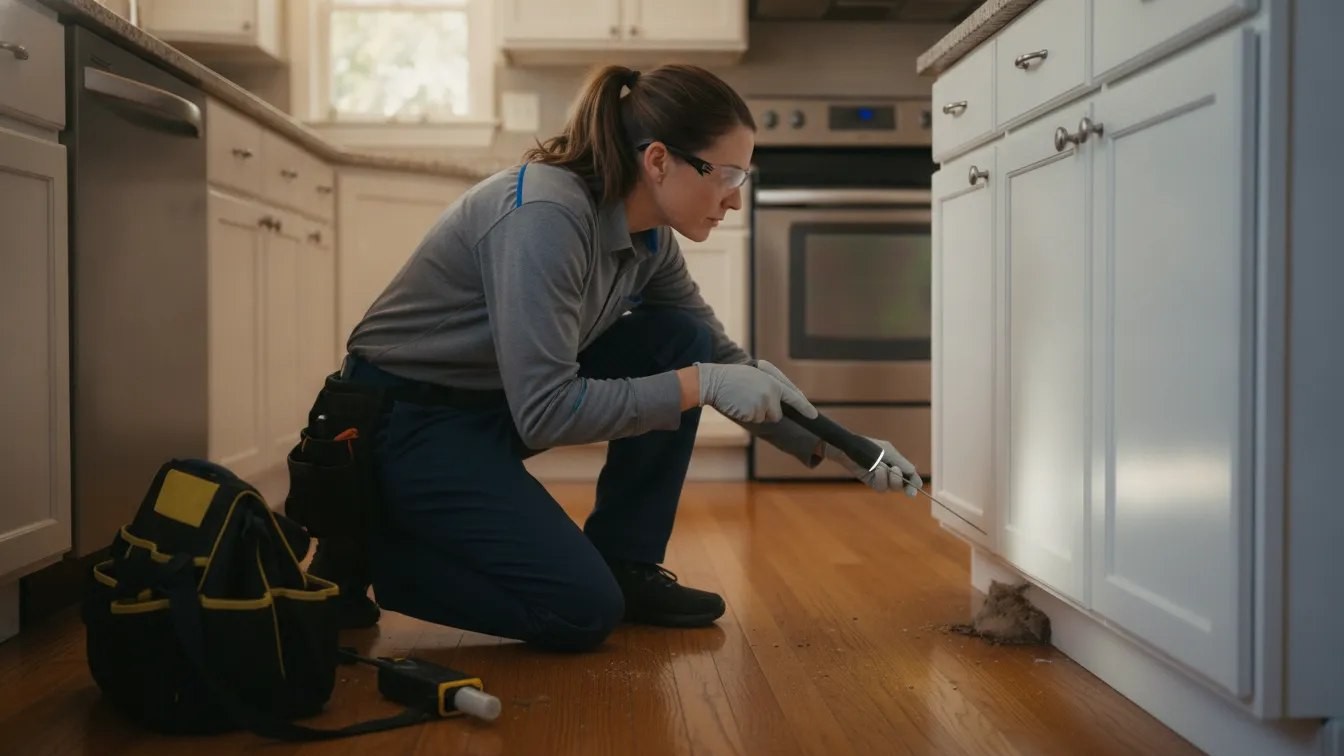
Every rodent service begins with a thorough initial inspection. A trained technician looks for activity areas, nesting locations, droppings, gnaw marks, and pathways through the home.
The inspection also focuses on how mice entered. Mice can squeeze through openings about the size of a dime, including gaps near foundations, utility lines, doors, and vents. Finding these openings helps the technician address the source instead of treating only the visible evidence.
This step matters when you are tracking the signs of mice in a Denver home. A complete inspection connects those clues to the areas requiring treatment and exclusion.
2. We combine trapping with exclusion
Trapping can reduce active mouse activity, but trapping alone does not prevent new mice from entering. Beeline pairs appropriate trapping methods with comprehensive exclusion work.
Exclusion means identifying and sealing openings that allow mice to re-enter. The technician considers the home's exterior, attic, crawl spaces, garage, kitchen, and other areas where activity appears. This approach supports longer-term control because it addresses both the mice inside and the access points outside.
The recommended work depends on the inspection findings. Your technician can explain which areas need attention and what you can do between visits to support the treatment.
3. Licensed technicians apply safe, effective treatments
Beeline technicians are licensed by the Colorado Department of Agriculture. They apply safe, effective rodent control treatments with your household's needs in mind.
Professional service is especially valuable for families with children or pets. Your technician can explain treatment areas, precautions, and practical steps for keeping food and household spaces less attractive to mice.
4. We respond quickly when activity is urgent
Active infestations should not be left to grow. Beeline offers same-day and emergency pest control services for high-priority rodent situations in Denver, when availability allows.
After service, Beeline backs its work with a 100% satisfaction and pest-free guarantee. If you are not satisfied with the results, free re-treatment is available under the guarantee.
Call Beeline Pest Control at 303-586-5231 today
For a clear plan, you can also request a free estimate for mouse removal. A professional inspection helps Denver homeowners replace guesswork with targeted action.
Frequently Asked Questions
What should I do if I find mouse droppings in my house?
Do not sweep or vacuum dry droppings. Follow CDC cleanup guidance, then safely clean the area and check for new droppings later. Fresh droppings after cleaning suggest that mice are still active. Look nearby for gnaw marks, food access, and gaps around cabinets or plumbing. The CDC recommends addressing rodent evidence promptly and carefully.
When is mice activity most common in Colorado?
Mouse activity often becomes more noticeable in Denver during fall and winter, when dropping temperatures drive mice toward warm shelter indoors. Summer activity can still occur, especially when mice find food, water, or a protected nesting area. Hearing scratching at night or finding new droppings in any season means the home deserves a closer inspection.
Do mice carry diseases in Colorado?
Yes. Rodents can spread disease through contact with droppings, urine, or saliva. People may also inhale dust contaminated with dried rodent waste, according to the CDC. Avoid disturbing contaminated material, keep children and pets away, and use appropriate protective cleanup practices. Professional help is wise when droppings are widespread or located in difficult-to-clean spaces.
How can I prevent mice from entering my home?
Inspect the foundation, roofline, utility openings, and garage for gaps. A mouse can fit through an opening about the size of a dime. Seal small openings with durable materials such as steel wool and caulk, store food in airtight containers, and do not leave pet food out overnight. Keep brush, wood piles, and clutter away from the foundation so mice have fewer sheltered routes toward your home.
Schedule Your Denver Mouse Inspection Today
Early professional guidance can help confirm what the signs mean and identify where mice may be entering your home. Beeline Pest Control can review the evidence and recommend a practical next step for your household.
Call 303-586-5231 to schedule your Denver mouse inspection today.
Get Your Free Pest Control Quote Today!
Ready to reclaim your Aurora home from unwanted pests? Fill out our quick form below to connect with Beeline Pest Control, your trusted local experts in Aurora, Colorado. We'll call you back promptly to discuss your pest concerns and provide a customized, no-obligation quote to make your home pest-free!
More Blogs
Some other blogs you might be interested in