Wasp Removal Denver: Yellow Jackets vs Paper Wasps
Call Beeline for safe wasp removal Denver homeowners trust. Compare yellow jackets vs paper wasps, spot nests, and get a free same-day estimate today.
Spotting a papery, gray nest under your porch ceiling means summer pests have arrived in Colorado. These angry stinging insects can quickly turn a peaceful patio into a danger zone.
Safe wasp removal Denver homeowners need helps clear dangerous stinging insect nests from porches, eaves, and yards. Paper wasps build open, single-comb nests that look like umbrellas and are usually less aggressive than other species. Yellow jackets build papery nests underground or in wall voids, and they will fiercely attack to defend their home. Both types of social wasps can sting multiple times, which can cause severe allergic reactions in some people. Because stings are painful and can trigger dangerous reactions, getting professional help is the safest way to protect your family. According to the Colorado State University Extension, European paper wasps are common in Colorado and love to nest in sheltered spots.
Before you can treat a nest, you must know exactly what pest is on your property. Start by learning how to tell these two insects apart, where each one builds its nest, and which removal method is safest for your Denver home.
Call (303) 586-5231 for safe, same-day wasp removal in Denver.
Yellow Jackets vs Paper Wasps: What's the Difference?
To keep your home safe, you must first know what pest you are dealing with. Both yellow jackets and paper wasps are common stinging insects in Colorado. While they look alike from a distance, they have distinct habits, nests, and threat levels. Knowing when to seek professional wasp removal services is key to successful wasp removal Denver residents can trust.
Physical differences and colors
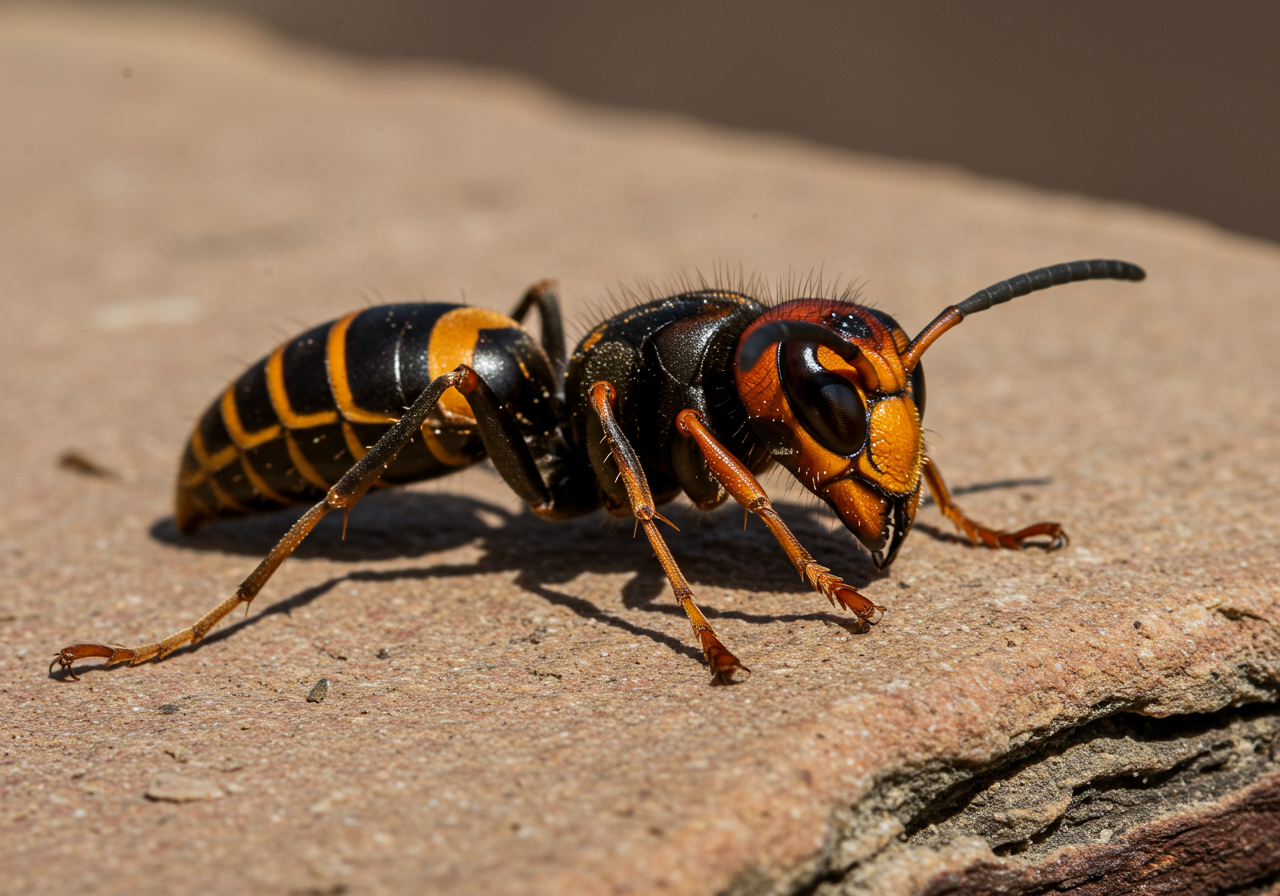
At a quick glance, both pests have bright yellow and black bands on their bodies. But if you look closer, their shapes are not the same. Reports from the Oklahoma State University Extension show that paper wasps have long, thin bodies about 3/4 to 1 inch in length. Their bodies can also show brown and red spots mixed with yellow. Unlike them, yellow jackets are shorter and have thicker, stockier bodies with no red or brown marks.
Nesting habits and location
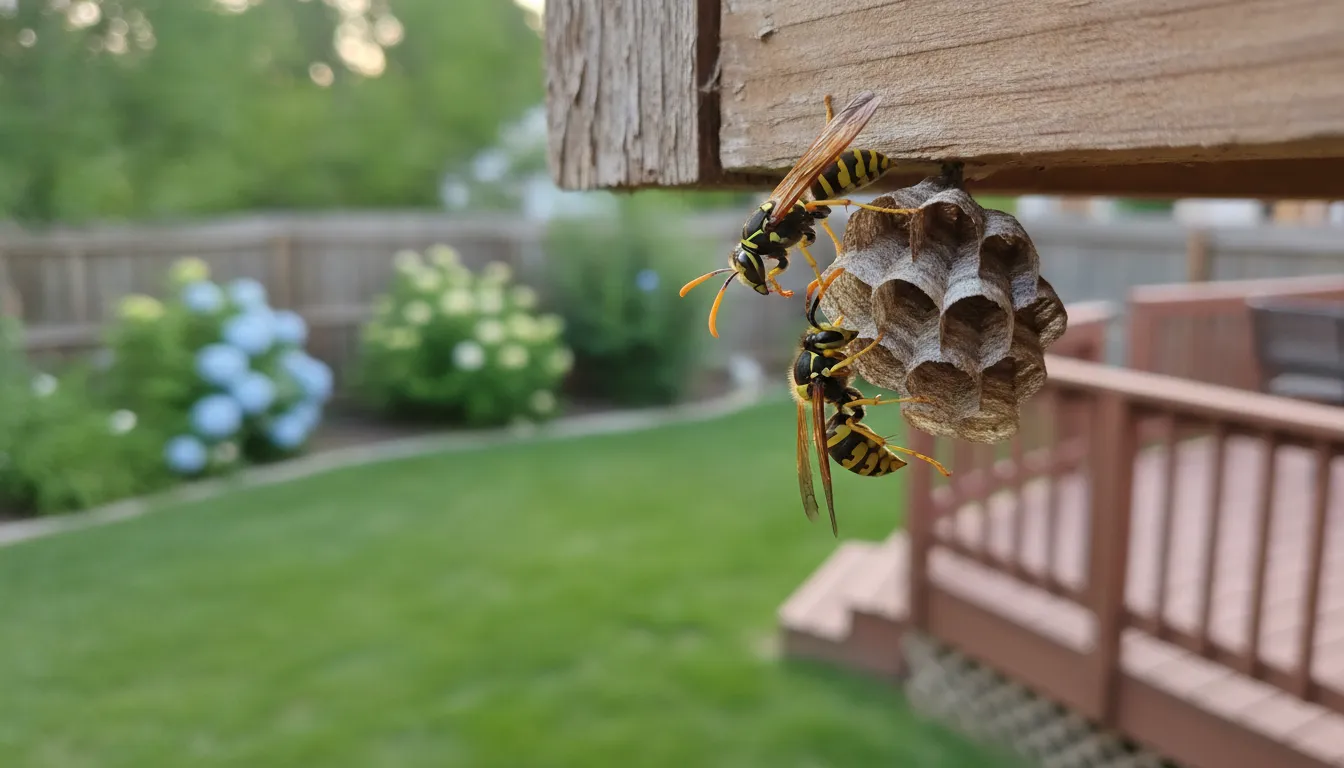
Where these pests build their nests is a big clue. Paper wasps build open, single-comb nests that look like upside-down umbrellas. They make these nests out of chewed wood and spit, often hanging them under building eaves or porch ceilings.
Yellow jackets often hide their nests. They prefer to build in ground burrows, old rodent holes, or wall voids inside your home. This makes yellow jacket nests harder to find and much more dangerous to step on.
Colony sizes and aggression levels
The number of pests in a nest also varies. The University of Maryland Extension states that social wasps live in groups to build nests and raise young. But a full paper wasp nest is small, housing only 20 to 75 adults.
Yellow jacket nests can grow to hold thousands of wasps. In the late summer, yellow jacket nests can even hold more than one queen, causing their numbers to swell.
This big difference in nest size matches their actions. Research from the Colorado State University Extension shows that yellow jackets are much more aggressive. They will attack in large groups if you get close to their home.
Paper wasps are helpful because they hunt garden pests like beetles. They are mostly calm and rarely sting unless you touch their nest. But if a nest grows too close to your doors, getting professional stinging insect control is the safest choice.
| Feature | Yellow Jackets | Paper Wasps |
|---|---|---|
| Appearance | Short, stocky bodies with bright yellow and black bands | Slender bodies (3/4 to 1 inch long) with black, brown, yellow, and red colors |
| Nest structure | Closed paper nests with multiple combs inside | Open, single-comb nests that look like upside-down umbrellas |
| Colony size | Can reach thousands of insects late in the season | Small groups of 20 to 75 adults in a mature nest |
| Aggression level | Highly aggressive, especially when their nests are disturbed | Relatively calm and rarely sting unless directly threatened |
| Nest locations | Ground burrows, old rodent holes, and wall voids | Hanging under building eaves, porch ceilings, or decks |
How to Spot a Wasp Nest Around Your Denver Home
Finding a wasp nest early can prevent a major pest problem on your property. In Colorado, stinging insects often establish their homes close to our living spaces, which makes outdoor areas unsafe. If you notice a high amount of pest activity, searching your yard is the first step before seeking wasp nest removal options.
Common nesting spots
The European paper wasp is very common in Colorado. It loves to build nests in sheltered spots around homes. Unlike other pests, these insects are highly adapted to suburban life. They use a mix of chewed wood and saliva to construct grey, paper-like homes. These paper wasp nests are often found under eaves, porch ceilings, and other protected spots on your home. This nesting habit is documented by the Colorado State University Extension. You should check your window frames, deck railings, and utility boxes regularly.
In Denver, the local climate drives these wasps to seek warmth. You might find nests behind exterior shutters, inside open pipe ends, or tucked into patio furniture. These spots provide the heat and shelter paper wasps need to thrive during the hot summer months. Be sure to look closely at these areas before you use your deck or patio.
When you inspect your Denver property, focus your search on these key areas.
- Under roof eaves and gutters.
- Inside the ceilings of porches and decks.
- Behind shutters and decorative trim.
- Inside hollow fence posts and metal pipes.
Seasonal behavior and diet
In late summer, wasp behavior changes. As their natural prey becomes scarce, these insects seek other food sources. They are often attracted to sweet foods and protein-rich items in your yard. The University of Maryland Extension notes that this food search brings wasps near people. They often hover around outdoor dining areas. Knowing this pattern helps you spot nests by watching where the wasps fly after feeding. Clean trash bins and covered food will help reduce their presence around your deck.
Safe timing for treatment
When you find a nest, planning the next steps is vital for your safety. Trying to disturb active nests during the day can cause multiple stings. It is best to remove a nest at dusk or dawn, when the insects are least active. If you need help with a nest in your yard, choosing professional wasp nest removal is the safest path. Local experts have the right tools to protect your home and family. When you need safe and effective wasp removal Denver experts from our family-owned team are ready to clear your home.
Should You DIY or Hire a Pro for Wasp Removal Denver?
Many Denver homeowners think about removing wasp nests on their own. This choice can seem simple, but it carries real hazards. Knowing the risks of handling these insects is the first step to keeping your home secure.
Risks of Wasp Stings
Most social wasps do not seek out humans to sting. They mostly sting to defend their nest or food. This fact is noted by the University of Maryland Extension. But when a nest is disturbed, wasps will attack. Yellowjackets and other stinging species inject a strong venom with pain-causing chemicals. This venom can cause severe allergic reactions, which need quick medical help. These stings can be fatal for some people, as noted by Oklahoma State University Extension. This danger makes self-removal risky, mainly for underground nests.
Challenges of DIY Removal
If you decide to try DIY methods, timing is critical. Experts from the University of Maryland Extension state that wasp nest removal is best done at dusk or dawn. Wasps are less active during these cold hours, and most of them are inside the nest. But DIY sprays bought at the store often fail to clear the whole nest. If you miss even a few wasps, they can rebuild. Plus, spraying a nest at night needs a flashlight, which can draw angry wasps directly to you. This often leads to many stings before the job is done.
When to Call a Professional
For safety and success, hiring an expert is the best choice. This is very true for large nests or yellowjacket species that live in the ground. Professional wasp nest removal services protect your home without the risk of painful stings. Local pros have the right safety gear and tools to handle aggressive pests safely.
Yellowjackets are much more aggressive than paper wasps, and they build much larger nests. If you find an underground yellowjacket nest, you should never try to treat it yourself. These underground holes can house thousands of wasps that will swarm if disturbed. Trying to flood the nest or use store-bought chemicals can cause a massive attack. A licensed expert knows how to find the entry points and treat the nest safely using proven tools.
Professional Wasp Removal Services
At Beeline Pest Control, we put your family and pets first. We use EPA-approved methods to clear nests safely. Our local, state-licensed technicians can handle any size of pest issue in the Denver metro area. We offer free estimates and have same-day or emergency help for urgent needs. With our 100% satisfaction guarantee, we will re-treat your home for free if the wasps return. This gives you peace of mind and keeps your backyard safe all summer.
How Much Does Wasp Removal Cost in Denver?
Based on cost data from Angi, local prices depend on nest size and location. Most Denver homeowners pay about $555 for professional wasp removal Denver services. The typical price range for wasp nest removal Denver projects runs from $317 to $741. For a small nest with only 10 to 50 wasps, you can expect to pay about $265. Medium nests with up to a few hundred pests cost about $530, while large colonies can run $1,060 or more.
Average cost breakdown
The size of the colony is one of the main factors in the final cost. Larger nests need more time and tools to clear safely. Here is how size affects pricing:
- Small nests (10 to 50 wasps): These smaller nests are the easiest to treat and often cost about $265 to remove.
- Medium nests (50 to 200 wasps): These mid-sized colonies are common and usually cost about $530.
- Large nests (over 200 wasps): Large colonies present higher risks and can cost $1,060 or more to remove.
The spot where wasps build their home also plays a big role in your final bill. Easy to reach spots are cheaper to treat than hidden areas. Common nest locations and their average price ranges include:
- Trees and shrubs: $215 to $635
- Attics: $320 to $530
- Chimneys: $425 to $635
- Wall voids: $265 to $850
Key pricing factors
Wasp species and nest access also affect your cost. For instance, yellowjackets are generally more aggressive than paper wasps, according to Colorado State University Extension. Dealing with highly aggressive pests needs special protective gear and extra safety steps, which can raise the price. If the technicians must climb high ladders or cut into drywall to reach the colony, the labor cost will go up.
To get an exact price for your home, it is best to get a custom quote. Beeline Pest Control offers free estimates to help you see your options. Our licensed technicians inspect your property, find the nest, and outline a safe plan. We back all of our residential work with a 100% satisfaction guarantee. We will return to treat the area again for free if you are not happy. Read more about local safety in our guide on wasp and bee control in Colorado.
Call (303) 586-5231 to book a free wasp removal estimate.
When Are Wasps Most Active in Colorado?
Wasps are active in Denver during the warm months. If you want to keep your yard safe, you need to know when these pests pose the greatest risk. Stinging insects are most active during July, August, and September.
Spring colony startup
The wasp life cycle starts over each spring. Social wasp nests do not last from year to year. During winter, worker wasps die off and only fertilized queens survive by hiding in warm, sheltered spaces (Maryland Extension). In spring, these lone queens come out to start a new nest from scratch.
This early stage is the best time to stop a wasp problem. Since there is only one queen and a few tiny cells, you can quickly remove the start of a nest. Getting rid of the nest now prevents a large colony from forming later in the year.
Late summer population peaks
Once the queen raises her first batch of workers, the colony grows fast. Worker wasps take over the chores of nest building, foraging, and caring for the young. Paper wasp colonies grow through the summer, reaching their peak size by late summer or early autumn (Oklahoma State Extension).
By August, a single paper wasp nest can hold dozens of adults. Yellowjacket nests are even larger and can contain thousands of hostile pests. If you see a large nest in your yard, get professional backyard wasp and mosquito control to protect your family from stings.
Autumn food search
In late summer, wasp behavior becomes much more hostile. Their food source changes as natural prey like garden pests die off. Adult wasps crave sugar and protein, so they seek out food at backyard picnics and outdoor events (Maryland Extension).
This search for sugar and protein brings wasps into direct contact with people. To keep these insects away from your patio, cover your trash cans and clean up outdoor spills quickly. If nests are already built, you may need a professional wasp removal Denver team to clear your property safely before winter arrives.
How to Keep Yellow Jackets and Paper Wasps Away
Preventing wasp activity before nests grow is the best way to keep your home safe. Active stinging pests can ruin outdoor fun and put your family at risk. At Beeline Pest Control, we use safe, EPA-approved methods to keep your yard secure. Our team focuses on family safety while protecting your property from pests.
Steps for outdoor safety
According to the University of Maryland Extension, taking a few simple steps each season can make your yard less inviting to wasps. Following a clear plan helps stop queens from building nests on your home.
- Clean your outdoor areas. Proper sanitation is the first step to reduce social wasp activity. You should secure all outdoor trash containers with tight-fitting lids. Wash down picnic tables and sweep up crumbs after backyard meals to keep pests away.
- Manage summer food sources. Wasps need different nutrients as the seasons change. Sugary foods and protein-rich items attract wasps in late summer when natural prey is scarce. Do not leave soda cans, juice cups, or grilled meat sitting outside on tables.
- Remove old nests safely. Social wasp nests are not reused. New queens overwinter in safe spots and start fresh nests from scratch each spring. You can safely knock down old, empty paper nests during the winter. This simple act stops other pests from using the empty spaces next year.
- Seal exterior gaps. Wasps often look for small cracks to build their nests. Check your eaves, attic vents, and siding for open gaps. Seal these entry points with caulk or mesh before spring arrives so queens cannot get inside.
- Get expert help for active nests. If you find an active nest, do not try to spray it yourself. Wasp nest removal is best at dusk or dawn when the pests are least active. When you need professional wasp removal Denver families can count on Beeline for quick help.
Protecting your home and yard
Our local team provides reliable summer hornet control in Denver to stop wasp problems before they start. We use a clear three-step method that includes inspection, treatment, and protection. This keeps stinging pests away while keeping your kids and pets safe. Contact us today to secure your yard with our satisfaction guarantee.
Call (303) 586-5231 now for a free wasp removal estimate in Denver.
Frequently Asked Questions
Is professional wasp removal in Denver necessary?
Yes, professional help is often the safest path. According to Colorado State University, yellowjackets are much more aggressive than paper wasps and defend their nests fiercely. Their colony sizes can swell to thousands of members, making the risk of painful stings much higher. Licensed experts have the proper safety gear and training to remove these nests without putting your family or pets at risk.
Do paper wasps sting?
Yes, paper wasps can sting if you disturb them or their nest. However, as noted by the Oklahoma State University Extension, they are generally less aggressive than yellowjackets. They usually only sting when they feel directly threatened. Because they build nests near entryways and eaves, we recommend professional removal to avoid accidental stings.
What is the safest way to get rid of yellow jackets?
The safest way to get rid of yellow jackets is to hire a licensed pest control company. If you must attempt removal yourself, the University of Maryland Extension suggests treating the nest at dusk or dawn. This is when the pests are least active. However, yellow jackets often build nests in hidden areas like wall voids, which makes professional treatment the only way to ensure complete removal.
How much does wasp nest removal cost in Denver?
According to Angi, the average cost to remove a wasp nest in Denver is about $555, with a typical range between $317 and $741. A simple nest removal can cost as little as $265, while nests hidden in walls can cost up to $850. Beeline Pest Control offers free estimates to give you an exact price for your specific situation.
Ready to Schedule Wasp Removal in Denver?
Leaving an active wasp nest on your Denver property allows the colony to grow larger and build bigger nests every day. As hot summer days continue, these stinging pests become much more active and highly defensive of their nesting site. Trying to deal with a nest on your own can lead to painful stings and sudden trips to the clinic.
Getting expert help right away is the safest way to clear the threat so you can enjoy your outdoor space. Our local, family-owned team has served Denver homes since 2009 with safe and trusted pest solutions. We back our work with a full satisfaction guarantee so you can feel safe and at ease in your yard.
Ready to reclaim your backyard? Call (303) 586-5231 to schedule a free wasp removal estimate.
Free Pest Control Quote for Your Aurora Home!
Ready to make your home pest-free? Tell us about your pest problem in Aurora, Colorado. A friendly expert from Beeline Pest Control will quickly call you back with a free, no-obligation quote designed for your specific needs. Get effective pest solutions now!
More Blogs
Some other blogs you might be interested in