Colorado Ant Season: Your Month-by-Month Home Protection Guide
Discover everything you need to know about ants in Colorado! Our easy-to-follow, month-by-month guide helps homeowners understand, prevent, and get rid of ant infestations all year long. Protect your home from unwelcome ant guests with expert tips from Beeline Pest Control.
Colorado homeowners face a shifting calendar of ant activity that tracks closely with Front Range weather patterns. These local patterns determine when pests emerge from winter dormancy to forage for food and when they seek shelter inside heated homes. Understanding this cycle is the first step to protecting your property year-round.
The Colorado ant season usually begins in March and lasts through October, peaking during the hot summer months of June, July, and August. While ants remain mostly dormant during the winter, spring warming and longer daylight hours trigger hunting and swarming activity that often leads colonies into homes. In the fall, cooling temperatures drive species like odorous house ants to seek warmth and food inside heated homes as they prepare for the winter freeze. According to the CSU College of Agricultural Sciences, field ants and other common species are most often seen in homes during these seasonal shifts. Knowing this cycle helps homeowners prepare for harmful pests like carpenter ants that use moisture-damaged wood and foundation cracks common in Denver and Boulder.
Call Beeline Pest Control at (303) 586-5231 for expert ant prevention and treatment tailored to Colorado's unique seasonal patterns. Our family-owned team serves Denver, Boulder, Colorado Springs, and the entire Front Range.
Colorado Ant Season: When Does Ant Season Start in Colorado?
Ant season in Colorado starts in March, when ground temperatures rise above 50 degrees Fahrenheit and trigger hibernating colonies to emerge. Activity continues through October, with peak swarming in June, July, and August. The exact timing varies by elevation and local weather patterns across the Front Range.
The start of ant season depends on how quickly the Front Range ground warms. In lower-elevation areas like Denver and Colorado Springs, the first ants typically appear by mid-March. Higher elevations such as Boulder may see ants emerging a few weeks later, usually by early April. The key trigger is sustained soil temperatures above 50 degrees, which wake hibernating queens and send worker ants out to forage for food. Once spring emergence begins, ant populations grow rapidly as colonies rebuild their food stores after the winter dormancy period.
Colorado homeowners who act early can stop ant problems before they start. Schedule a spring pest inspection with Beeline Pest Control to identify entry points and treat potential nesting sites before the peak season arrives.
Spring Threats: Which Ants Emerge First in Colorado Homes?
Carpenter ants are the first and most destructive ants to appear in Colorado homes during spring. Field ants and pavement ants also emerge early, drawn to warming soil and melting snow. Early detection of these spring species is critical to prevent structural damage and indoor infestations.
Carpenter ants lead the charge
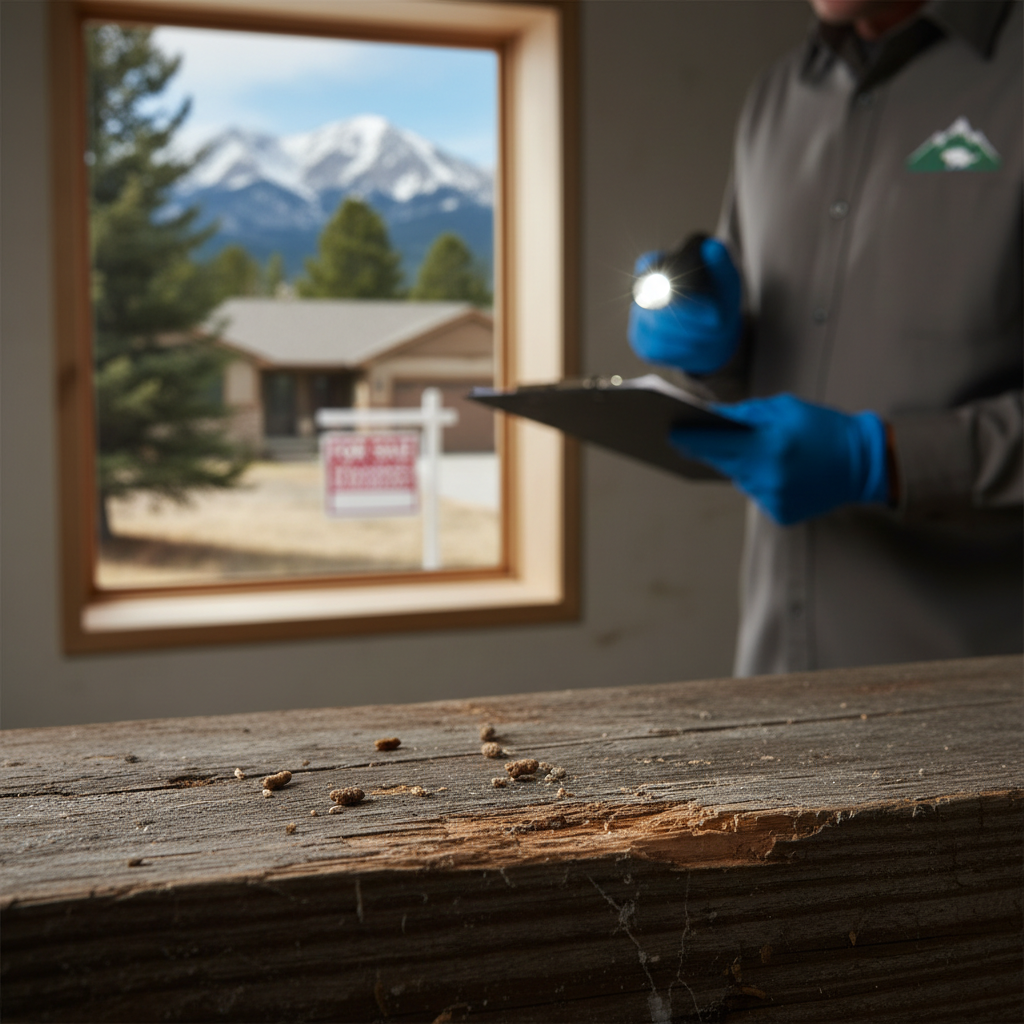
Carpenter ants are the most common and harmful pests to look for in the spring. These big black ants do not eat wood, but they chew through it to build their nests. This can cause significant damage to your home's framing over time. They are drawn to wood that remains damp from melting snow and spring rain. In Colorado, the freeze-thaw cycle creates ideal conditions for carpenter ants by softening exterior wood around decks, windows, and siding. Sealing these entry points is a critical part of home pest defense during the spring months.
If you see large black ants inside your home during March or April, it is a sign that a nest may be nearby. These ants are most active at night, so you might not see them during the day. However, finding piles of fine sawdust near your walls or floors is a clear warning sign. Catching these pests early is the best way to protect your home and avoid costly repairs later in the year.
Field ants and pavement ants
Experts at Colorado State University note that field ants are some of the first spring pests Colorado homeowners encounter. These ants are common in gardens and lawns across the Front Range. While they typically nest outdoors, they frequently find their way inside through foundation cracks and gaps around windows. Pavement ants follow shortly after, building characteristic dirt mounds in sidewalk cracks and driveway joints. For a deeper look at pavement ant behavior and control, read our guide to Denver pavement ants.
Front Range freeze-thaw cycles create entry points
Living in the Denver area means dealing with dramatic weather swings. Spring temperatures can jump from below freezing to warm in a single day. This freeze-thaw cycle puts pressure on foundations and causes the soil to shift, creating small cracks that ants use to enter your home. Sealing these gaps with silicone caulk is one of the most effective spring prevention steps you can take. Beeline Pest Control's experienced team can help identify and close these entry points throughout your property.
Summer Peak: Why Are Ants Most Active in Colorado from June to August?
Summer heat accelerates colony growth, producing more worker ants that spread farther in search of food and water. The combination of warm nights, dry soil, and crowded nests drives ants indoors more frequently during these months. Making summer the peak season for ant infestations in Colorado homes.
Ant activity in Colorado hits its highest point from June through August. As the ground warms, colonies grow quickly and worker ants spread out across larger areas to find food. Nests become overcrowded, which forces ants to explore new territory , including your kitchen and pantry. For specific guidance on odorous house ants, a common summer invader, see our guide to identifying and controlling odorous house ants.
Fast colony growth in summer heat
Long, hot summer days help ant colonies grow at a rapid pace. Queens lay more eggs when the weather stays warm, leading to a significant population increase among worker ants. This peak season is the most common time for homeowners to need Denver metro area pest protection. High temperatures make ants more active as they work to bring enough food back to their expanding nests.
Most ants in the Front Range stay outdoors if they have reliable food and water sources nearby. But as nests grow, ants push into new areas to relieve crowding. They use small cracks in foundations and gaps around windows to get inside. Regular perimeter checks can help you spot these entry points before they become ant highways.
Common summer ant species in Colorado
Two ant species dominate the Colorado summer landscape. Pavement ants are easy to identify by the small mounds of dirt they push up through sidewalk cracks and driveway gaps. They often establish nests under concrete slabs where the ground stays cool and moist. Odorous house ants are another major summer pest. These small brown ants emit a rotten coconut smell when crushed and form long foraging trails that can quickly overtake a kitchen. Their ability to nest inside walls makes them especially difficult to treat with DIY methods. Learn more about six signs of a kitchen ant infestation to catch problems early.
Urban heat and water-seeking behavior
In Denver specifically, the urban heat island effect keeps ants active longer. Concrete and asphalt retain heat, raising nighttime temperatures by several degrees compared to surrounding rural areas. This can extend the active ant season by two to four weeks. Colorado's dry climate also plays a significant role , when summer sun dries out the soil, ants prioritize water over food. This drives them toward leaky pipes, air conditioning units, and damp basements. Fixing leaks and trimming vegetation away from your home's foundation removes the two main attractions that draw ants indoors during the hot months.
Fall Indoor Invasions: Why Do Ants Move Inside Your Home?
Cooling fall temperatures trigger Colorado ants to seek warm, sheltered spaces for overwintering. Odorous house ants are the most common fall invaders, entering homes through foundation cracks and utility lines. Early fall sealing and professional treatment can prevent these indoor invasions before they begin.
As summer fades and Colorado temperatures start dropping, the cooling air signals many ant species to find a warm place to survive the winter. This seasonal shift is when homeowners see the heaviest indoor ant activity. Most ants prefer to stay outdoors, but falling soil temperatures and dying vegetation force them to seek heat and food inside your walls. For year-round prevention strategies, read our comprehensive guide to seasonal pest control for Colorado homes.
Seeking warmth and food
When the first frost hits the Front Range, ants look for stable heat sources. They often follow pipes or utility lines into walls and basements. Once established indoors, they find a steady food supply that can sustain the colony through the entire winter. Odorous house ants are the most common fall invaders in the Denver metro area because they can nest inside wall voids and under floorboards where temperatures stay moderate.
These pests also seek moisture as outdoor humidity drops. According to the Environmental Protection Agency, keeping your home dry is one of the most effective ways to prevent ant invasions. Check for leaky faucets, damp crawl spaces, and condensation around windows to remove these attractions before cold weather arrives.
Fall prevention steps
September and October are the best months to seal your home against winter invaders. Small foundation cracks and gaps around utility lines act like open doors for scouting ants. Using silicone-based caulk to close these entries can stop an infestation before it starts. You should also trim any branches or shrubs that touch your house, as ants use these as bridges to bypass ground-level barriers. Storing pantry items in airtight containers removes the food scents that attract scouts in the first place.
For homes with a history of fall ant problems, professional treatment is often the most reliable solution. Beeline Pest Control's licensed technicians can identify hidden nest sites and apply targeted treatments that stop invasions at their source. Contact us today to schedule a fall pest inspection before the first freeze.
Winter Survival: Where Do Colorado Ants Go When Temperatures Drop?
Most Colorado ants survive winter by entering a dormant state called diapause, retreating deep into soil or nesting inside heated structures. Odorous house ants established in walls can remain active year-round. Winter is the ideal time to seal entry points and prepare for spring emergence.
During Colorado's coldest months, outdoor ant activity drops dramatically. Most ants enter a state of rest to survive the deep freeze, retreating to nests far below the frost line. However, these pests do not disappear , they are simply waiting for spring warmth to resume activity. Understanding where ants go in winter helps you prepare for their return.
Dormancy and soil depth
Most ants in Denver and Boulder survive winter by slowing their metabolism. This state, called diapause, helps them conserve energy when food is scarce and temperatures are low. To avoid frost, ants dig deep into the soil. Colorado's freeze line can reach 36 inches or more in colder winters, forcing ants to tunnel deeper than in milder climates. They survive on stored fat and food reserves gathered during the fall.
When the ground freezes solid, ants remain still until the soil warms again in spring. This deep retreat explains why you rarely see ant trails outside during January and February. But this does not mean every ant is inactive , some species find ways to stay warm near your home's foundation or inside your walls.
Indoor colonies in heated homes
Heated homes can alter normal ant behavior during winter. If a colony is already established inside your walls, they may stay active all year. Odorous house ants are especially known for this behavior, nesting near water pipes and under warm floors where temperatures remain stable. Because your home stays warm, these ants continue foraging for food even when snow covers the ground. If you see ants in February, it is a strong sign that a nest is located inside your house. Our comprehensive pest control services can locate these hidden colonies and eliminate them before spring. For more on identifying indoor signs of ant activity, visit our expert tips for stubborn ant infestations.
Mild days create prevention opportunities
Colorado's frequent winter warm spells provide excellent opportunities for prevention work. When temperatures rise above freezing and ants briefly emerge, you can spot entry points you might miss during the busy spring season. Without leaves on trees and shrubs, it is easier to inspect your home's exterior for cracks and gaps. Sealing these openings during winter is one of the most effective ways to prevent a major ant breakout in March. Winter is also the best time for thorough home-sealing projects, as there is no urgent pest problem competing for your attention.
Which Ants Invade Colorado Homes Each Season?
Different ant species active in Colorado have unique seasonal patterns, behaviors, and risk levels. This comparison table helps you identify the four most common ants that invade Front Range homes, when they are most active, and the damage they can cause.
| Species | Size | Peak Season | Nesting Location | Risk Level |
|---|---|---|---|---|
| Carpenter Ants | 1/4 to 1/2 inch | Spring and Summer | Moist wood, tree stumps, wall voids | High (structural damage) |
| Odorous House Ants | 1/16 to 1/8 inch | Late Spring and Summer | Under rocks, mulch, wall voids near moisture | Medium (food contamination) |
| Pavement Ants | 1/8 inch | Summer | Under driveways, sidewalks, concrete slabs | Low (nuisance pest) |
| Thief Ants | 1/32 inch | Late Summer and Fall | Tiny cracks, under floorboards, near other nests | Medium (food contamination) |
Each of these pests requires a different approach for effective control. Carpenter ants tunnel through wood and can compromise your home's structural integrity over time. Odorous house ants travel in large numbers and contaminate food sources. Pavement ants swarm around concrete entry points, while tiny thief ants can infiltrate even sealed containers. If you notice any of these species in your home, Beeline Pest Control can locate their nests and provide lasting elimination.
Your Month-by-Month Ant Prevention Checklist
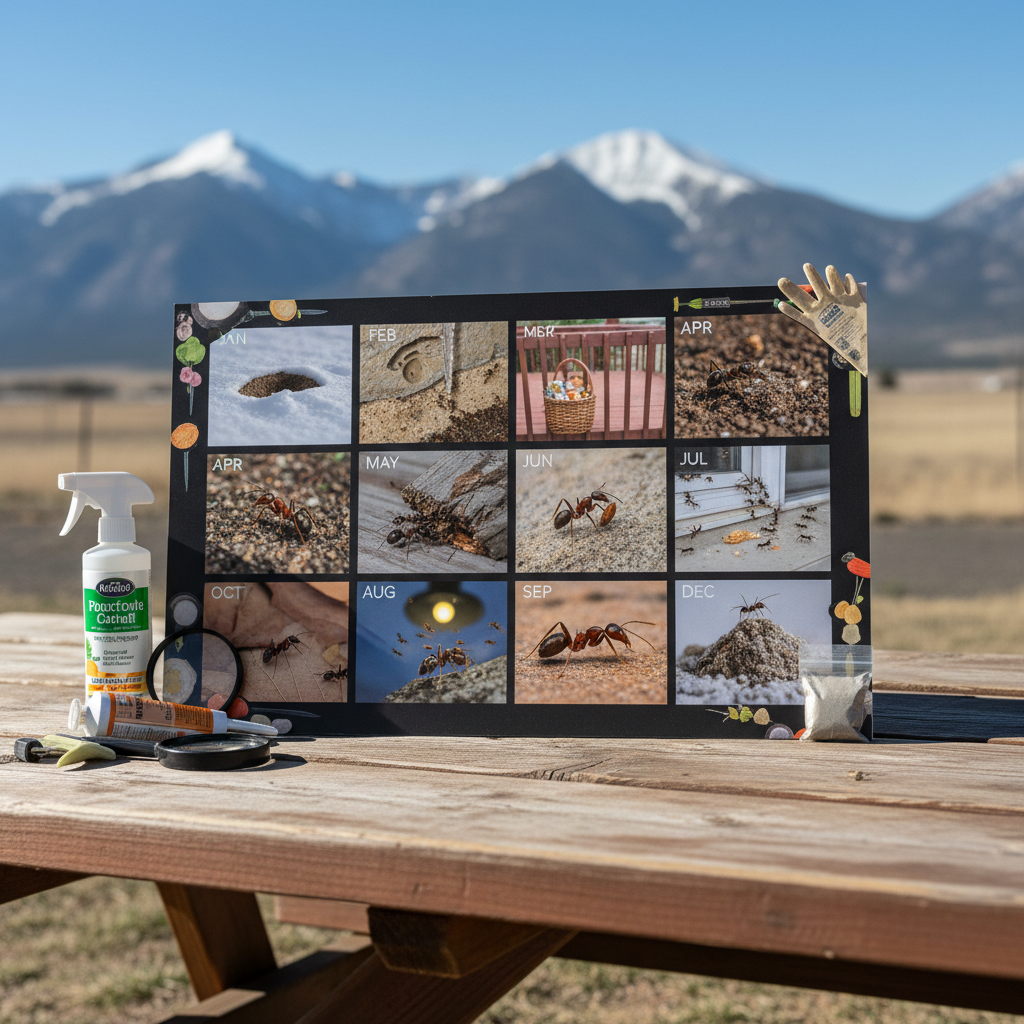
Ant behavior changes with the seasons, but your prevention strategy should be active year-round. Follow this simple checklist to stop ants before they find their way inside, using the right actions at the right time of year.
Spring (March - May)
- Seal cracks and gaps: Walk the perimeter of your home and inspect the foundation, windows, and doors. Use outdoor-grade silicone caulk to fill any openings where ants could enter.
- Trim plants away from your home: Cut back branches and shrubs so they do not touch your exterior walls. Ants use vegetation as bridges to reach upper floors and roof lines.
- Clear yard debris: Rake dead leaves, grass clippings, and mulch away from your foundation. These materials hold moisture and create ideal nesting conditions.
Summer (June - August)
- Store food in airtight containers: Summer ants actively seek sweets and proteins. Keep cereal, sugar, and pet food in sealed glass or plastic containers. Never leave open food packages in your pantry.
- Wipe down counters nightly: Clean kitchen surfaces every evening with a vinegar and water solution. This removes food residue and the invisible scent trails ants use to guide their colony to food sources.
- Take out trash frequently: Use garbage cans with tight-sealing lids and empty indoor bins daily during the peak summer months.
Fall (September - November)
- Clean gutters and downspouts: Remove leaves and debris from rain gutters. Clogged gutters hold water and create damp conditions that attract moisture-loving ants like carpenter ants.
- Install door sweeps: Check the bottom of all exterior doors. If you can see daylight under the door, ants can crawl through. Install tight-fitting door sweeps to close these gaps.
- Store firewood away from the house: Keep firewood piles at least 20 feet from your home. Ants frequently nest in wood piles and will migrate into nearby houses when cold weather arrives.
Winter (December - February)
- Fix leaky pipes: Winter ants search for indoor water sources. Inspect under all sinks and around water heaters. Repair any drips to keep cabinets and crawl spaces dry.
- Reduce indoor humidity: Use exhaust fans in bathrooms and kitchens. Ants need moisture to survive, so maintaining low indoor humidity makes your home less attractive to overwintering colonies.
- Monitor warm indoor areas: Check behind appliances, near furnaces, and in basements monthly. Ants sometimes establish winter nests in these warm, sheltered locations.
Frequently Asked Questions
When is ant season in Colorado?
Ant season in Colorado typically runs from early spring through late fall, from March through October. Most activity occurs between June and August when temperatures are warmest. The exact start date depends on local soil temperatures, with lower elevations seeing ants emerge in March and higher elevations in April.
What are the big black ants in Colorado in spring?
Large black ants seen in Colorado homes during the spring are usually carpenter ants. They measure one-quarter to one-half inch long and are the most destructive ant species in the state because they excavate nests in wood. Finding them indoors early in the season often indicates an established nest nearby or inside the home's structure.
Why do ants come inside Colorado homes during the fall?
Ants move indoors in fall to find warmth, food, and shelter before winter. As outdoor temperatures drop in September and October, natural food sources like nectar and insects become scarce. Ants seek the stable temperatures inside your home to survive the first frost and maintain colony activity through the cold months.
How do I get rid of ants in my Colorado home permanently?
Permanent ant elimination requires finding and treating the nest, not just killing visible ants. Over-the-counter sprays only kill worker ants and do not reach the colony's queen. Professional pest control services use targeted treatments that eliminate entire colonies, including the queen and developing larvae. Beeline Pest Control's ant control services provide thorough treatment with a pest-free guarantee for long-term protection.
Does Colorado have fire ants?
True imported fire ants (Solenopsis invicta) are not established in Colorado due to the state's cold winters. However, Colorado does have native ant species that can deliver painful bites, including harvester ants. These ground-nesting ants are more common in rural and foothill areas and are typically not a problem inside homes.
Should I worry about ants in my Colorado home during winter?
Seeing ants in your Colorado home during winter suggests an indoor nest is present. While most ants hibernate in winter, species like odorous house ants can remain active inside heated structures year-round. Winter ant activity should be addressed promptly, as it indicates a well-established colony that will grow rapidly once spring arrives.
Call Beeline Pest Control for Year-Round Ant Protection
Colorado's unique climate and four distinct seasons create year-round ant challenges that require professional knowledge and experience. From spring carpenter ant emergence to fall odorous house ant invasions, Beeline Pest Control understands the seasonal patterns that drive ant behavior on the Front Range. Our licensed technicians use safe, effective treatments tailored to each species and season.
Call us today at (303) 586-5231 to schedule your ant inspection and protection plan. All services come with our 100% satisfaction guarantee and pest-free promise , we will keep working until your ant problem is completely resolved.
Free Pest Control Quote for Your Aurora Home
Ready to make your home pest-free? Beeline Pest Control is your trusted local expert in Aurora, Colorado. Share a few details about your pest problem, and we'll call you back quickly with a free, personalized quote. It's the easy first step to a pest-free home!
More Blogs
Some other blogs you might be interested in