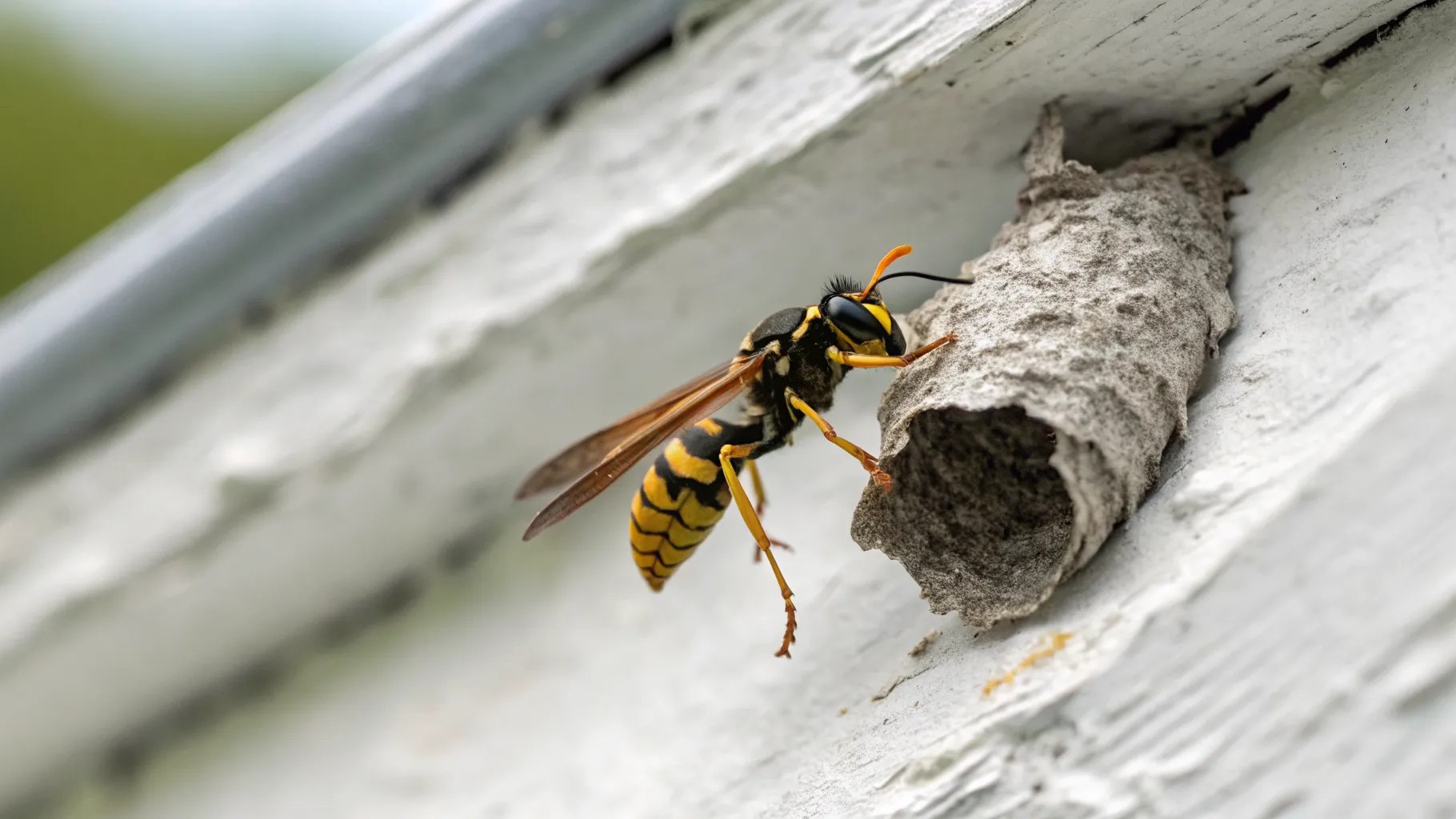
Yellow Jacket Wasp 101: A Homeowner's Guide
Get practical tips to identify, prevent, and handle yellow jacket wasp problems around your home. Learn how to keep your family safe from stings.
That sleek insect with the bright yellow and black stripes is more than just an annoyance; it’s a highly social and defensive predator. The yellow jacket wasp is a master of concealment, building paper nests in hidden locations like old rodent burrows, wall voids, and dense shrubs. Because their homes are often out of sight, it’s easy to disturb a colony by accident while doing simple yard work. This can trigger a swarm attack, a dangerous situation for anyone nearby. Knowing where they live and what to look for is your best defense. Here, we’ll cover their common nesting spots and how to safely identify an active colony.
Key Takeaways
- Expect increased aggression in late summer: A yellow jacket's temperament changes with the seasons. As their colony peaks and food becomes scarce in late summer and fall, they become desperate scavengers and highly defensive, making them much more likely to sting.
- Eliminate their food and shelter opportunities: You can discourage yellow jackets by removing what they need to survive. Securely cover all trash cans and picnic food, clean up fallen fruit, and seal potential nesting spots like exterior cracks or old animal burrows.
- Leave nest removal to the experts: Attempting to remove a nest on your own is extremely dangerous. Professionals have the right protective gear and treatments to handle hidden or large colonies safely, especially when nests are in walls, underground, or if family members have allergies.
What Is a Yellow Jacket?
If you’ve ever had a picnic or barbecue interrupted by an aggressive, uninvited guest, you’ve likely encountered a yellow jacket. These insects are a type of predatory social wasp, common throughout North America. While many people use the term “bee” and “wasp” interchangeably, yellow jackets are distinctly different. They are known for their painful stings and their tendency to build large colonies that can become a serious nuisance, especially late in the summer. Understanding what they are and how to identify them is the first step in keeping your family and home safe from these persistent pests.
What Do Yellow Jackets Look Like?
At a glance, yellow jackets are easy to spot with their classic bright yellow and black stripes. They have a sleek, smooth body with a very narrow, defined waist that separates their thorax from their abdomen. Most yellow jackets you'll see are about half an inch long. While the yellow and black pattern is most common, some species can be black and white or even have reddish markings. Unlike bees, they don't have fuzzy, hair-covered bodies for collecting pollen. Their smooth appearance is a key giveaway that you’re dealing with a wasp, not a bee.
Yellow Jackets vs. Bees: How to Tell the Difference
Yellow jackets are often mistaken for bees, but a few key differences can help you tell them apart. Bees, like honey bees and bumblebees, have plump, hairy bodies designed for pollination. Yellow jackets are slender, smooth, and built more like hunters.
Behavior is another major clue. Bees are generally docile and will only sting if they feel their hive is threatened. Yellow jackets, on the other hand, are scavengers. They are attracted to proteins and sugars, which is why they show up at your outdoor meals. They are also far more aggressive and can sting multiple times without provocation, making them a more significant threat in your yard. If you're dealing with a persistent pest problem, our team offers comprehensive home pest control services to handle any situation.
The Four Seasons of a Yellow Jacket Colony
Have you ever noticed that yellow jackets seem to appear out of nowhere in late summer and become incredibly bothersome by fall? It’s not your imagination. A yellow jacket colony has a distinct, year-long life cycle that directly influences its size, diet, and temperament. Understanding this seasonal rhythm helps you know what to expect and when they pose the biggest threat to your family and home. From a single queen in the spring to a massive, aggressive colony in the fall, their behavior changes dramatically as the months go by.
Spring: A New Queen Starts Her Colony
The entire story of a yellow jacket colony begins with a single, fertilized queen. After spending the winter hibernating in a protected spot, like under tree bark or in an attic, she emerges in the early spring warmth. Her first job is to find a suitable location and begin building a small, papery nest all by herself. Once the initial structure is ready, she lays her first batch of eggs. These eggs hatch into sterile female workers who take over the duties of expanding the nest and foraging for food, allowing the queen to focus solely on laying more eggs.
Summer: The Colony Hits Its Peak
From late spring through mid-summer, the colony's growth is explosive. The queen lays eggs continuously, and the worker population swells from a few dozen to several thousand. During this period, the young larvae in the nest need a massive amount of protein to grow. This is why you’ll see worker yellow jackets hunting other insects, caterpillars, and spiders in your garden. They are busy providers, working tirelessly to feed the next generation. The nest, whether it’s in the ground or hanging from an eave, expands rapidly to accommodate the booming population.
Fall: Why They Become So Aggressive
This is the season when yellow jackets earn their aggressive reputation. As the colony reaches its maximum size, its focus shifts from raising workers to producing new queens and males for the following year. The workers' instinct to protect these future royals becomes incredibly strong, making them highly defensive of the nest. At the same time, their traditional food sources start to disappear. This drives them to scavenge for sugary and protein-rich foods, which is why they become such a nuisance at picnics and barbecues. This combination of defensiveness and desperation makes them much more likely to sting.
Winter: The Colony Fades Away
Most yellow jacket colonies only last for a single year. As the weather turns cold and the first hard frosts arrive, the founding queen, workers, and males all die off. The only members of the colony to survive the winter are the newly mated queens. These new queens leave the nest to find a safe place to hibernate until spring arrives, when they will emerge to start the cycle all over again. The old, abandoned nest is rarely reused. While the immediate threat is gone, it’s a reminder that a new colony could easily start nearby next year if a queen finds your property inviting.
Just How Dangerous Are Yellow Jackets?
Yellow jackets have a fearsome reputation, and for good reason. Unlike bees, which are generally docile unless provoked, yellow jackets can be highly aggressive, especially when they feel their nest is threatened. Their danger isn't just about their bad attitude; it comes from their powerful sting and their tendency to attack in large numbers. A single yellow jacket can sting you multiple times, and when a whole colony decides you're a threat, the situation can become serious very quickly. This is especially true in late summer and early fall when their colonies are at their largest and food sources become scarce, making them more desperate and easily agitated.
For most people, a sting is a painful but temporary inconvenience. However, for individuals with allergies, even one sting can be life-threatening. The real risk escalates with the number of stings. Disturbing a nest, even accidentally by mowing the lawn over an underground colony, can trigger a swarm. The cumulative effect of that venom can cause severe health problems, even for those who aren't allergic. That's why it's so important to be aware of your surroundings and know the signs of a nearby nest. Understanding these risks is the first step in knowing how to handle these pests safely and when to call for professional home pest control.
The Truth About Their Painful Sting
If you’ve ever been stung by a yellow jacket, you know the pain is sharp, immediate, and intense. Unlike honeybees that can only sting once, all female yellow jackets have smooth stingers, allowing them to sting you repeatedly. This ability makes encounters with them particularly unpleasant and dangerous. The initial burning sensation is quickly followed by swelling, redness, and itching at the sting site. While a single sting is typically manageable with basic first aid, it serves as a painful warning. It’s a clear signal that you’re too close to a territorial insect that won’t hesitate to defend its home, often with the help of its nestmates.
Allergic Reactions: When to Get Help Fast
While most stings result in localized pain, some people experience severe allergic reactions, a condition known as anaphylaxis. This is a medical emergency that requires immediate attention. Symptoms of a severe reaction go far beyond the sting site and can include difficulty breathing, hives spreading across the body, swelling of the face, throat, or tongue, a rapid pulse, and dizziness. If you or a family member shows any of these signs after a sting, call 911 right away. It’s crucial to act fast, as these reactions can progress quickly. Knowing the signs of an allergic reaction helps you protect your family from a potentially life-threatening situation.
The Dangers of Multiple Stings
Even if you aren't allergic, receiving multiple stings can be a serious health risk. When a yellow jacket feels threatened, it can release an alarm pheromone that signals other workers from the colony to join the attack. This can result in a swarm, where a person is stung dozens or even hundreds of times. According to researchers at the UC Statewide IPM Program, a large volume of venom from many stings can be toxic, potentially causing damage to your kidneys and other organs. This is why attempting to remove a nest on your own is so risky. Professional pest control services are essential for safely handling an active colony.
Why Do Yellow Jackets Bother People?
It can feel like yellow jackets have a personal vendetta against your backyard barbecue, but their behavior isn't random. These persistent insects are driven by two powerful instincts: the need to feed their colony and the drive to protect it at all costs. Unlike bees that are generally content to go about their business, yellow jackets are scavengers. Their diet shifts throughout the season, making them increasingly interested in what’s on your plate as summer turns to fall.
When a yellow jacket buzzes around your picnic, it’s usually looking for a meal. But if you get too close to its home, its mission changes from foraging to defense. Understanding what motivates them is the first step in coexisting peacefully and knowing when it’s time to get professional help. Their aggression is often a reaction to a perceived threat, whether it’s a lawnmower vibrating too close to an underground nest or a hand swatting them away from a soda can. By learning their triggers, you can make your yard a less inviting place for them and a safer space for your family.
Their Never-Ending Search for Food
Yellow jackets are opportunistic eaters with a huge colony to feed. Early in the season, they act as beneficial predators, hunting caterpillars, flies, and other insects to get the protein their larvae need. As the summer wears on and the colony grows, their traditional food sources start to run low. That’s when they turn their attention to your food and drinks. They are particularly drawn to proteins and sweets, which is why they’re often called “meat bees.” A single yellow jacket can quickly alert others, turning your quiet lunch outdoors into a stressful situation. Our comprehensive pest control services can help you manage these and other invasive insects around your home.
Protecting the Nest: What Makes Them Attack?
A yellow jacket’s most aggressive behavior is reserved for defending its nest. They will attack anything they perceive as a threat to their queen and colony, and they can be relentless. Many nests are hidden underground in old rodent burrows or in wall voids, making them easy to disturb by accident. Simply mowing your lawn or doing some gardening can trigger a defensive swarm if you get too close. Unlike bees, yellow jackets can sting multiple times, and they release an alarm pheromone that calls other workers to join the attack. This fierce territorial instinct is why dealing with a nest is a job best left to professionals.
Common Triggers That Set Them Off
While getting too close to a nest is the biggest trigger, other actions can also provoke a yellow jacket. They become especially irritable in the late summer and fall. During this time, the colony is at its peak size, and the workers are desperately trying to feed the next generation of queens. Swatting at a foraging yellow jacket or trapping it against your skin will almost certainly result in a sting. Quick, jerky movements can also be interpreted as a threat. If one is buzzing around you, the best thing to do is stay calm and walk away slowly. When yellow jackets become a persistent problem, it’s a sign you may need an expert from Beeline Pest Control to assess the situation.
Where Do Yellow Jackets Build Nests?
Finding a yellow jacket nest on your property can be unsettling, especially since they are so protective of their homes. Unlike bees that might build a visible honeycomb, yellow jackets are masters of concealment. They can build nests almost anywhere, from high in the trees to deep underground. Understanding their preferred nesting spots is the first step in keeping your family safe and your yard enjoyable. Knowing what to look for can help you spot a potential problem early before the colony grows to its massive summer peak.
Above Ground and Below: Common Nest Types
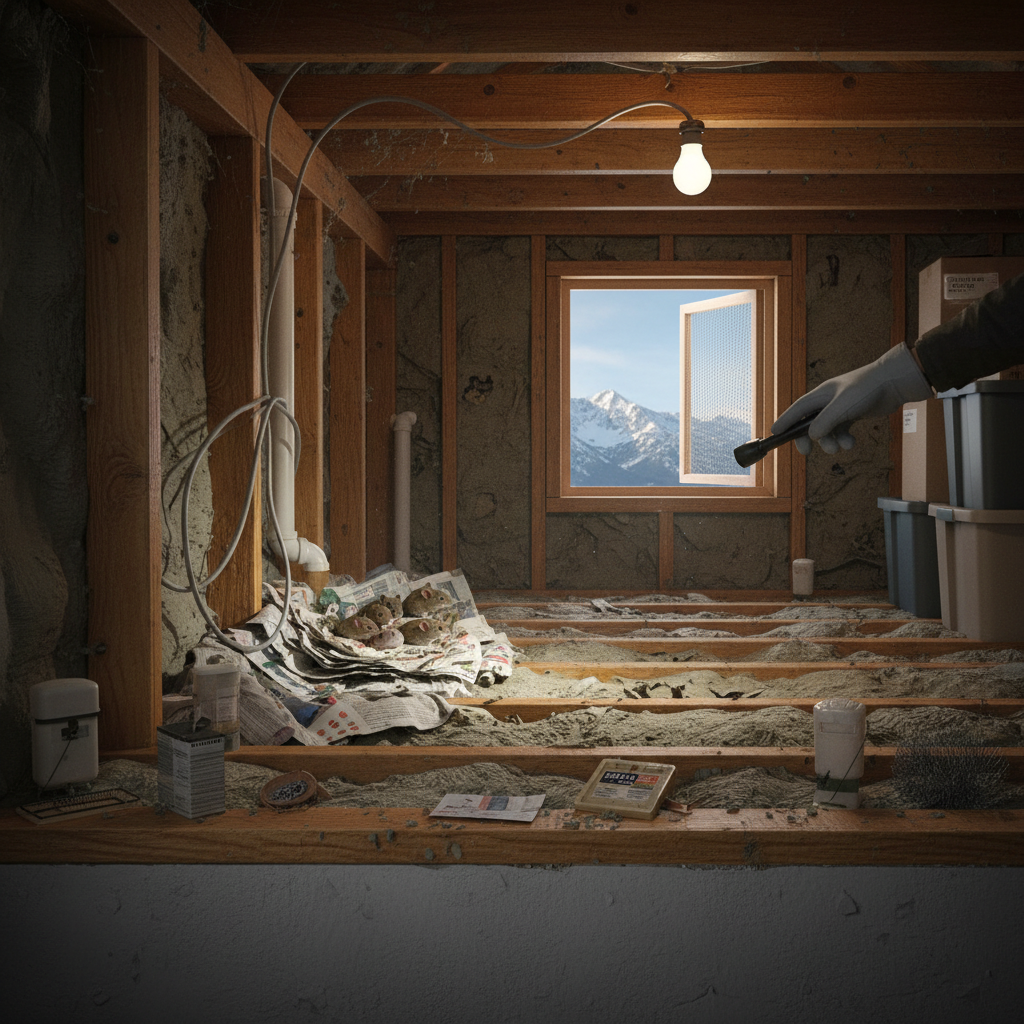
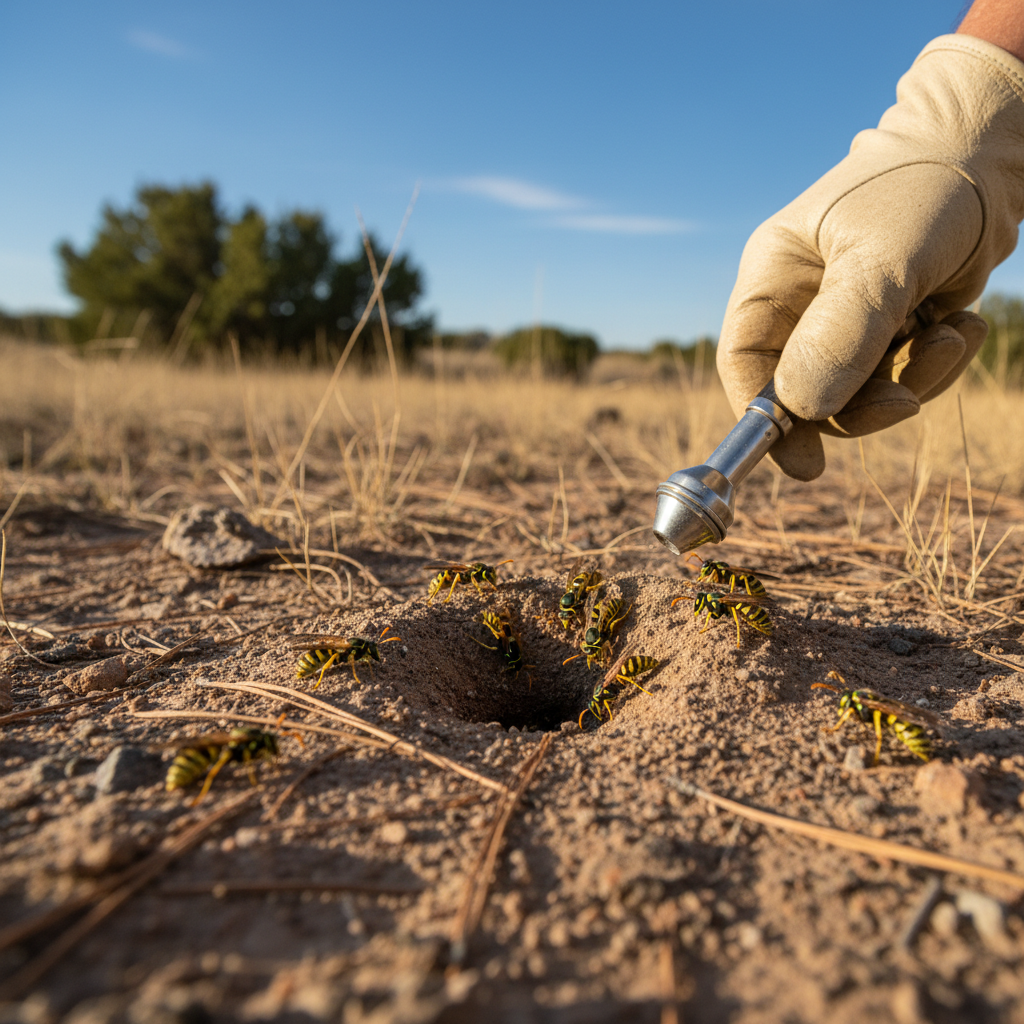
Yellow jackets are resourceful builders. They create their nests from a papery material made of chewed wood fiber and saliva, which looks like gray, layered paper-mâché. You’ll generally find two types of nests. Aerial nests are the ones you might see hanging from tree limbs, in dense shrubs, or under the eaves of your house. These are typically enclosed with a single small opening at the bottom. The second, more common type is the hidden nest. These are often built underground in old rodent burrows or in protected cavities like wall voids, attics, and hollow logs.
Popular Nesting Spots Around Your Home
When yellow jackets decide to move in, they look for quiet, protected spaces. Around your home, this could mean a variety of places. Check for nests under decks and porches, inside sheds, or within the walls of your house. They often find their way into wall voids through a tiny crack or hole on the exterior. Underground nests are especially common and dangerous, as you can accidentally disturb one while gardening or mowing the lawn. You might also find them in retaining walls, compost piles, or even inside an unused grill or old piece of outdoor equipment.
How to Safely Spot an Active Nest
If you suspect you have a nest, the safest way to confirm it is by observing from a distance. Never get close to a suspected nest entrance. Instead, stand back and watch for a consistent flight pattern. You'll see a steady stream of yellow jackets flying in and out of a single hole, whether it’s in the ground, under your siding, or in a bush. This "airport" activity is the telltale sign of an active colony. Once you’ve located the nest, do not attempt to block the entrance. This can trap them and force them to chew a new exit, which could lead them right inside your home. It's always best to call for professional pest control services to handle the situation safely.
What's Attracting Yellow Jackets to Your Yard?
If you feel like your backyard barbecue is an open invitation for every yellow jacket in the neighborhood, you’re not just imagining it. These persistent pests are drawn to our outdoor spaces for two main reasons: food and shelter. Understanding what makes your yard so appealing is the first step in encouraging them to buzz off. From the soda can you left on the patio table to an abandoned rodent burrow near your garden, your property might be offering the perfect resources for a yellow jacket colony to thrive. They are opportunistic and incredibly resourceful, which is why they seem to show up the moment the food comes out. By identifying and managing these attractants, you can make your outdoor living areas much less inviting for these unwelcome guests.
Sweet Drinks, Proteins, and Other Favorites
Yellow jackets have a surprisingly varied diet that changes throughout the season. In the spring and early summer, they are primarily predators, hunting other insects to feed their growing colony. But as summer winds down and fall approaches, their focus shifts. This is when they start to scavenge human food, earning them the nickname “meat bees” for their love of proteins like hot dogs and hamburgers.
They are also intensely attracted to sweets. Sugary drinks, fallen fruit from trees, and even hummingbird feeders become prime targets. Uncovered trash and recycling bins, pet food left outdoors, and picnic leftovers are like an all-you-can-eat buffet. Managing these attractants is key to making your yard less of a hotspot for these aggressive foragers.
Ideal Conditions for a Nest
Beyond food, yellow jackets are always looking for a safe, protected place to call home. The ideal nesting spot is one that’s sheltered from the elements and potential predators. Many species, like the Western yellow jacket common in Colorado, prefer to build their paper nests underground. They often take over abandoned rodent burrows, hollow logs, or spaces within retaining walls.
Other types build aerial nests in dense shrubs, trees, or even within the wall voids of a house. While most colonies in Colorado die off in the winter, our sometimes-mild winters can allow a nest to survive and grow for more than one season. An undisturbed, sheltered location with easy access to food and water makes your yard the perfect real estate for a new yellow jacket queen.
How to Prevent a Yellow Jacket Problem
When it comes to yellow jackets, a little prevention goes a long way. Making your property less attractive to these persistent pests is the key to enjoying your yard without uninvited guests. By taking a few proactive steps, you can significantly reduce the chances of a colony setting up shop near your home and keep your family safe all season long.
Seal Up Your Home and Yard
Yellow jackets are always on the lookout for a safe place to build a home, and they aren't picky. They’ll happily nest in an abandoned rodent burrow in your lawn, a crack in your foundation, or a void behind your siding. Take a walk around your property and look for potential entry points. Seal any gaps around windows, doors, and where utility lines enter your home. Fill in old animal burrows and other ground holes with soil. A careful inspection in the spring can stop a queen from ever moving in, saving you a major headache later in the summer. These steps are a core part of our general home pest control approach.
Manage Trash and Outdoor Food
Yellow jackets have a powerful sense of smell and are drawn to the same foods we are, especially sweets and proteins. Your backyard barbecue is like an open invitation. To keep them away, make sure all your outdoor trash cans have tight-fitting lids and empty them regularly. It’s also a good idea to rinse out soda cans and food containers before tossing them in the recycling bin. If you feed your pets outside, pick up their bowls as soon as they’re finished eating. When you’re dining on the patio, keep food and drinks covered. A yellow jacket crawling into an open soda can is a common and dangerous surprise you can easily avoid with a little care.
Natural Ways to Keep Them Away
You can also use traps to cut down on the local yellow jacket population. Commercial traps, which use a sweet bait to lure them in, are most effective in early spring. Catching a queen before she establishes her colony can prevent thousands of workers from ever hatching. While some people try planting deterrent herbs like wormwood or mint, these methods have limited success against a determined colony. If you do discover a nest, please don't try to remove it yourself. Agitating a nest can trigger a swarm attack. Safely identifying and removing a nest is a job that requires professional expertise to ensure your family’s safety.
What to Do If You Find Yellow Jackets
Discovering yellow jackets buzzing around your home can be unsettling, but knowing the right steps to take can keep everyone safe. Your first instinct might be to run or swat, but the best approach is a calm and measured one. Whether you’ve just spotted a few foragers or a full-blown nest, having a plan helps you handle the situation without making it worse. The key is to assess the situation from a safe distance and decide on the best course of action, whether it's simple first aid for a sting or calling in professional help for a nest.
How to React Calmly and Safely
If you find yourself close to a yellow jacket, your immediate reaction matters most. The golden rule is to stay calm. Sudden movements, like swatting or flailing your arms, will only register as a threat and can provoke an attack. If one lands on you, resist the urge to smack it. Instead, stay still and wait for it to fly off, or gently brush it away with a piece of paper. If you see a steady stream of yellow jackets flying in and out of a specific spot, like a hole in the ground or a crack in your siding, you've likely found a nest. Do not approach it. Slowly back away and keep children and pets out of the area.
First Aid for a Painful Sting
Even with the best precautions, stings can happen. The first thing to do is move away from the area to avoid any more stings, since yellow jackets can sting multiple times. Once you’re in a safe spot, gently wash the area with soap and water. Applying a cold pack or ice wrapped in a cloth can help reduce the initial pain and swelling. For most people, the discomfort is temporary. Over-the-counter pain relievers can help with the pain, and an antihistamine can ease itching. Keep an eye on the sting site, as some people experience more severe reactions beyond typical swelling.
Using an EpiPen for a Severe Reaction
Many people have allergies to yellow jacket stings, and for some, these can be life-threatening. A severe allergic reaction, known as anaphylaxis, requires immediate medical attention. Symptoms include difficulty breathing, swelling of the face or throat, hives spreading across the body, dizziness, or a rapid drop in blood pressure. If someone shows these signs and has a prescribed epinephrine auto-injector (EpiPen), use it right away. After administering the EpiPen, you must call 911. Emergency medical care is still necessary, as the person will need further treatment and observation. If your family has a known allergy, always carry an EpiPen.
When Is It Time to Call a Professional?
Finding a yellow jacket nest on your property can feel like a race against time. While the DIY spirit is admirable, dealing with these aggressive insects is one of those times when calling for backup is the smartest and safest move. Yellow jackets aren't just a nuisance; they can be a real danger, especially when their colony feels threatened. Knowing when to step back and let an expert handle the situation is key to keeping your family safe.
Signs You Need an Expert's Help
Some situations are clear signals that a DIY approach is off the table. If you've found a large nest or one in a tricky location, it's time to call a professional. Nests hidden inside walls, buried in the ground, or located high up on your home are especially dangerous to handle without proper training and equipment. Another major red flag is if anyone in your household has a known allergy to insect stings. The risk is simply too high. Even if you aren't allergic, if the thought of tackling a nest full of angry yellow jackets makes you uneasy, trust that instinct. Your safety is the top priority.
The Risks of DIY vs. Professional Removal
Attempting to remove a yellow jacket nest yourself can go wrong quickly. These insects are fiercely protective and will attack in swarms if they feel their home is in danger. A can of wasp spray from the hardware store often isn't enough and requires you to get dangerously close. Plus, yellow jacket colony behavior is complex. If you only manage to eliminate a few workers, the colony can often recover and may even create a new queen, leaving you right back where you started. Professional pest control services are designed to handle these challenges safely and effectively, removing the entire colony for good.
What to Expect from Our Team
When you call Beeline Pest Control, you can expect a calm, professional, and thorough response. Our first step is always to assess the situation. We’ll identify the nest's location and size to determine the safest and most effective removal strategy for your specific problem. Our technicians arrive with full protective gear and specialized treatments that are more effective than anything available over the counter. As a family-owned business, we treat your home like our own, ensuring the process is safe for your children and pets. We handle the entire removal so you don't have to worry.
Beeline Pest Control handles stinging insect removal across our service areas across Colorado, including Denver, Boulder, Littleton, and Colorado Springs.
Frequently Asked Questions
Why do yellow jackets seem to appear out of nowhere in late summer? It’s not your imagination. A yellow jacket colony starts in the spring with just a single queen. She works all season to build her population, which grows exponentially inside a hidden nest. By late summer and early fall, the colony has reached its peak size of several thousand workers. At the same time, their natural food sources are dwindling, so this massive, hungry workforce heads out to scavenge, which is when they suddenly become very noticeable at your picnics and outdoor gatherings.
I see yellow jackets all over my yard but can't find their nest. What should I do? This is a common and frustrating situation. The safest way to locate a nest is to observe from a distance. Try to watch where the yellow jackets are flying to and from. You're looking for a consistent "flight path" leading to a single point, which could be a hole in the ground, a crack in your home's siding, or a spot under your deck. If you can't safely identify the source or if they seem to be coming from multiple directions, it's best to call a professional who can perform a thorough inspection.
If a nest is removed, will another one appear in the same spot next year? Yellow jackets rarely reuse an old nest. The entire colony, except for the newly mated queens, dies off in the winter. However, a new queen emerging in the spring might find the same location attractive for building a new nest. If the spot offers good protection, like a wall void or an old rodent burrow, it remains a prime piece of real estate. This is why sealing up potential nesting sites is such an important step in long-term prevention.
Is it ever safe to remove a yellow jacket nest on my own? Honestly, it’s a risk I would never recommend taking. Disturbing a nest, even a small one, can trigger an aggressive swarm attack where hundreds of yellow jackets attack at once. Store-bought sprays often require you to get dangerously close and may not be powerful enough to eliminate the entire colony, leaving you with angry survivors. For your safety, especially if the nest is in a wall or underground, this job is always best left to trained professionals with the right protective gear and equipment.
I sealed up my house, but they still get inside. How is that possible? Yellow jackets are incredibly resourceful and can squeeze through the tiniest of openings. If they have a nest inside one of your wall voids, they can chew through drywall to find a new way out if their original entrance gets blocked. Sometimes, they might not even be nesting in your home but are getting in through an unsecured window screen or an open door while searching for food. A professional can help determine the root cause, whether it's an internal nest or an external attractant.
Get Your Free Pest Control Quote for Aurora, CO Homes
Ready to reclaim your home from unwanted pests? Tell us a little about your situation, and Beeline Pest Control will give you a friendly call to offer a personalized, no-obligation estimate. Serving homeowners throughout Aurora, Colorado, we're here to provide effective solutions for a pest-free home.
More Blogs
Some other blogs you might be interested in