How to Prevent Mice in Colorado Winter: Denver Home Guide
Learn how to prevent mice in colorado winter with Denver home tips for sealing gaps, securing food, reducing outdoor shelter, and spotting activity early.
Colorado winters do not just bring freezing temperatures. For Denver homeowners, learning how to prevent mice in Colorado winter starts with blocking access before mice find warmth, food, and hidden nesting spots. A few small gaps around a foundation, garage, or utility line can turn seasonal pressure into an indoor problem. For broader exclusion and prevention context, read Beeline's Rodent Control in Denver: Mice, Rats and Exclusion Guide.
Call 303-586-5231 for a free rodent inspection or estimate.
Prevention works best when you start outside and move methodically around the structure. Begin by looking for the small, easy-to-miss openings mice use to get indoors, then address the conditions that make your home appealing once they arrive.
How to Prevent Mice in Colorado Winter Before a Cold Snap
Start before the first major cold snap. As outdoor temperatures fall, mice and other rodents look for warmth, food, and shelter inside buildings. Seasonal weather shifts can increase pressure on homes as mice look for warmth and shelter. For Denver metro and Front Range homeowners, fall is the practical time to inspect the exterior. Close gaps, and reduce the food and shelter conditions that make a home attractive.
Cold weather does not make every mouse leave the outdoors immediately. However, a warm structure is an appealing place to nest when outdoor conditions become less comfortable. Once mice find a protected space with accessible food and water, they may continue feeding and nesting there. That is why prevention works best as a whole-home effort rather than a single trap or quick fix.
Begin with the outside of the home
Walk the foundation and look closely at every place where building materials, pipes, cables, and other utility lines meet. Check vents, door thresholds, window frames, and the garage door seal. Mice can squeeze through an opening about the size of a dime, so a gap that looks insignificant to a homeowner may still provide access. The Centers for Disease Control and Prevention says sealing cracks and holes is the best way to prevent rodents from entering a home. See the CDC's rodent exclusion guidance for examples of areas to inspect and sealing materials to consider.
Next, remove easy attractants. Keep household food in airtight containers, clean crumbs and spills promptly, and store pet food and bird seed in metal containers with tight-fitting lids. Outside, move woodpiles and debris away from the foundation. These changes make the property less useful as a feeding or nesting site while you address structural gaps.
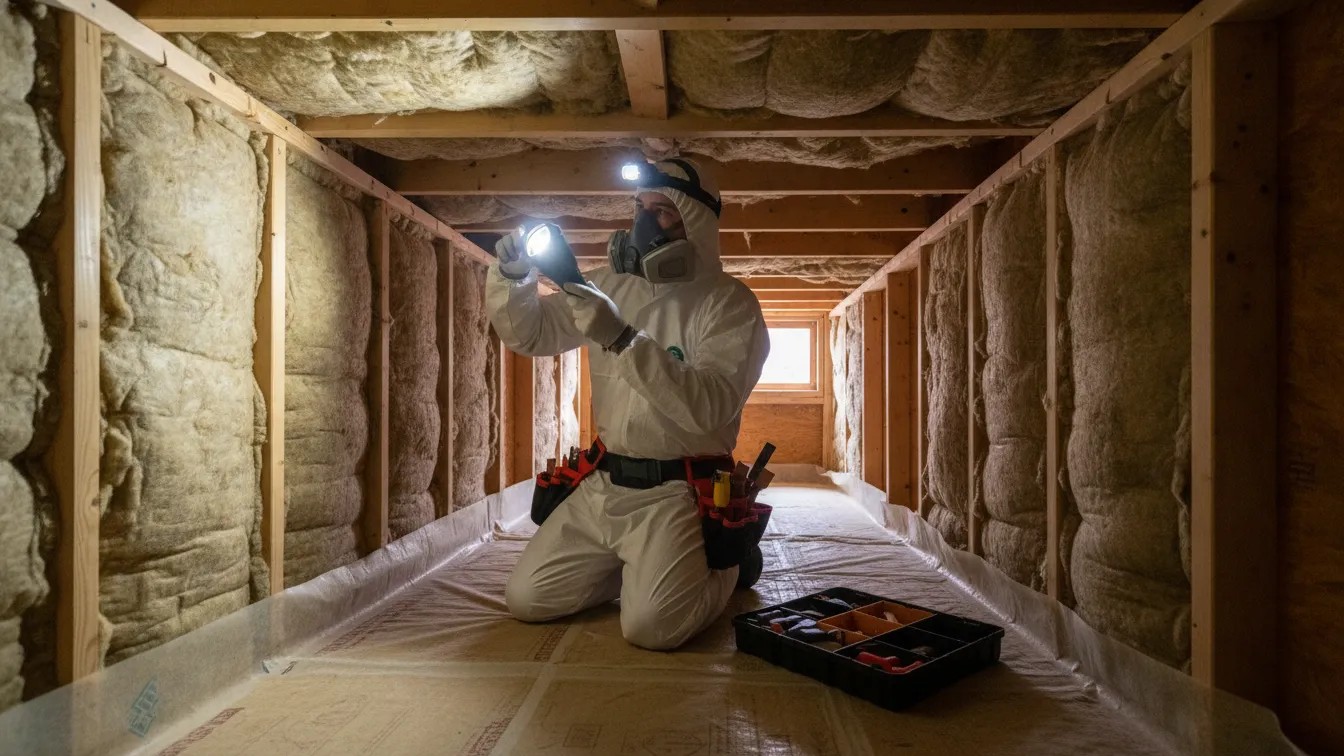
If you hear scratching at night, notice droppings, or find chewed wires after taking preventive steps, the issue may already be established. A professional inspection can identify less obvious entry points and help you choose methods that account for children, pets, and the structure of your home.
Call 303-586-5231 for a free rodent inspection or estimate.
The 7 Most Common Mouse Entry Points in a Colorado Home
A mouse does not need a wide-open door to get inside. According to the EPA, a mouse can squeeze through an opening about the size of a dime. That makes small maintenance gaps worth taking seriously, especially before a Colorado cold snap. The CDC identifies sealing cracks and holes as the best way to prevent rodents from entering a home.
Use this practical inspection checklist around the exterior and interior edges of your home. Look closely with a flashlight, and seal gaps with materials suited to the location rather than relying on temporary tape or soft filler.
- Foundation cracks and joints: Walk the foundation line and check where masonry, siding, and concrete meet. Small openings at these transitions can connect to wall spaces. Pay particular attention to lower-level rooms, crawl spaces, and unfinished areas.
- Utility penetrations: Inspect the places where pipes, cables, conduit, and other utility lines enter the foundation or exterior wall. These openings can be easy to overlook because they are often behind shrubs, equipment, or stored items. The CDC specifically lists utility gaps as common entry points.
- Vents and screens: Check foundation vents, attic vents, dryer vents, and other openings for damaged screens or loose covers. The EPA recommends screening vents and keeping the openings in good repair. Do not block ventilation that the home requires; repair it with an appropriate heavy-duty screen instead.
- Exterior doors: Examine the bottom seal and side edges of every exterior door, including basement and side entrances. Look for daylight, worn weather stripping, or a gap that appears when the door is closed. Replace damaged seals so the door closes tightly.
- Windows: Inspect window frames, screens, basement windows, and window wells. Repair torn screens and replace loose or deteriorated weather stripping. Check both the window itself and the surrounding trim for cracks that lead into the wall.
- Garage door and attached garage: A garage door should meet the floor evenly when closed, with an effective bottom seal. Check the corners and side seals, then inspect the door between the garage and house. Keep that interior door closed and properly weather-stripped.
- Roofline and other small openings: Look around eaves, soffits, roof vents, chimneys, flashing, and places where exterior materials meet. Also check gaps around utility boxes, vents, and attic access points. Mice can use concealed wall voids after entering, so a small opening above eye level can still create an indoor route.
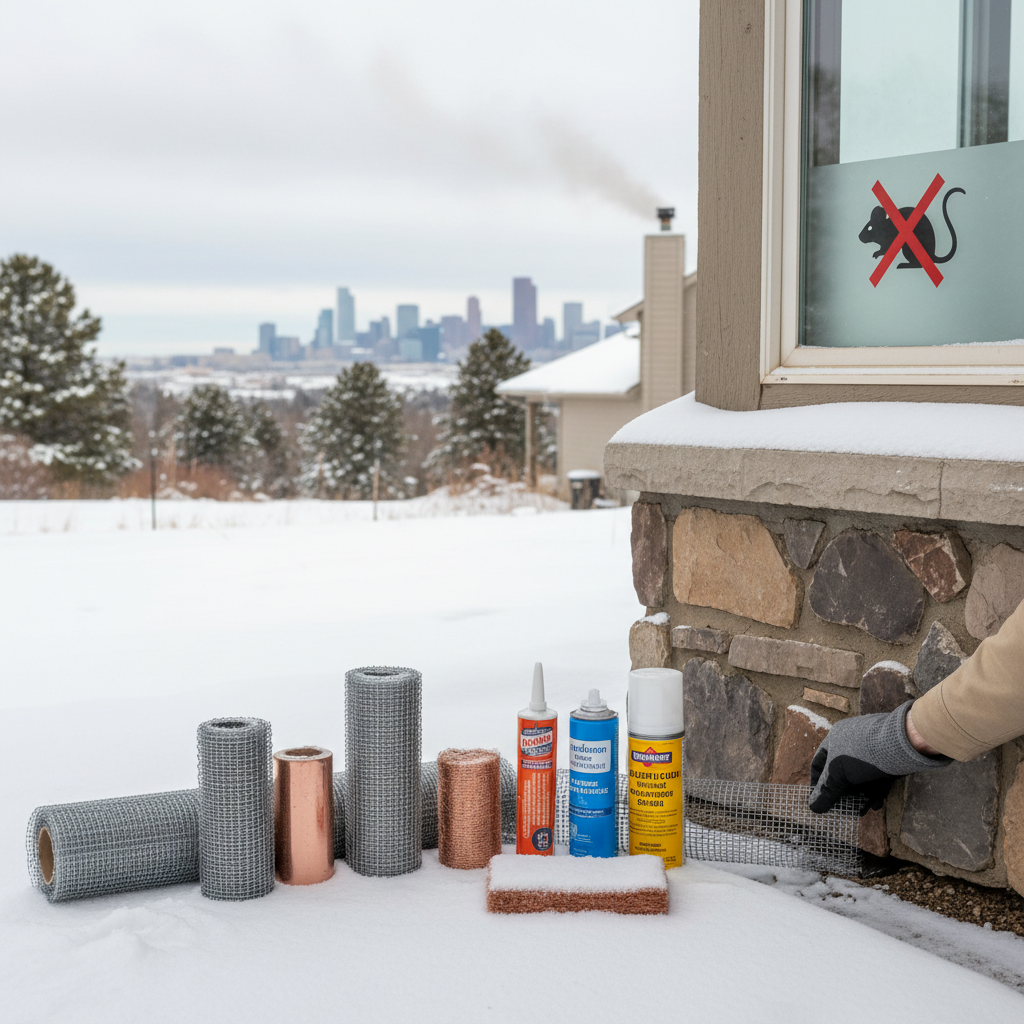
For repairs, the CDC recommends materials such as steel wool, hardware cloth, or cement for sealing cracks and gaps. Choose a durable repair that fits the opening, and check the area again after severe weather or home maintenance. A careful fall inspection and regular monitoring can help keep exclusion work effective throughout the winter.
For additional guidance, review the CDC's rodent exclusion guidance, the EPA's information about mice, and the EPA pest entry prevention bulletin. For a seasonal Denver perspective, see Beeline's winter rodent prevention guide.
Food and Storage Habits That Make Your Home Less Attractive to Mice
Sealing entry points matters, but prevention also means removing the everyday rewards that can keep mice around. A few crumbs under an appliance, an open bag of kibble, or a leaky utility sink can provide enough food and water for a mouse to keep exploring. The EPA recommends storing food in airtight containers and cleaning crumbs and spills promptly, especially as colder weather settles over the Denver area.

Use a kitchen and pantry checklist
- Wipe counters, tables, and floors after cooking or eating. Pay attention to crumbs beneath the stove, refrigerator, and cabinets.
- Transfer cereal, flour, rice, snacks, and other pantry staples from cardboard or thin bags into sturdy containers with tight-fitting lids.
- Clean spills as soon as they happen, including grease, juice, and food residue inside drawers or beneath shelves.
- Empty kitchen garbage regularly and use a bin with a secure lid. Rinse recyclable food containers before storing them indoors.
- Fix dripping faucets, plumbing leaks, and condensation that leaves standing water beneath sinks or near appliances.
Do not overlook pet food. Put kibble away after meals instead of leaving a full bowl out overnight, and clean food residue from bowls and the surrounding floor. Store opened pet food in a sealed container rather than relying on the original bag.
Protect bird seed and garage supplies
Bird feeders can unintentionally provide a dependable food source. Store seed in a metal container with a tight-fitting lid, as the CDC recommends for bird seed and pet food. Sweep spilled seed from beneath feeders and avoid keeping extra bags on an open garage shelf.
The garage deserves the same attention as the kitchen. Keep garbage, animal feed, grass seed, and seasonal food items in sealed containers. Reduce cardboard piles and sort stored belongings into lidded plastic bins where practical. Mice can use undisturbed boxes, fabric, and clutter for nesting, while an unsealed garage door can provide easy access to the house.
A weekly reset is realistic: sweep food areas, inspect under sinks, close containers, remove garbage, and check the garage floor for droppings or gnaw marks. These habits support CDC rodent-prevention guidance and the EPA's smart pest-control recommendations. If food and storage changes do not stop activity, professional inspection can identify hidden access and nesting areas.
Call Beeline Pest Control at 303-586-5231 for a free inspection or estimate.
What Fall Landscaping Helps Prevent Mice in Colorado Winter?
Your yard can either give mice convenient cover or make the outside of your Denver metro home easier to inspect. Before fall temperatures drop, walk the perimeter and reduce the places where rodents can hide, climb, or slip toward the structure. Seasonal changes can drive rodents toward shelter. Exterior preparation is worth doing before a cold snap rather than after you hear activity inside.
Move shelter away from the foundation
Keep firewood, lumber, discarded materials, and yard debris away from the home's foundation. Woodpiles and clutter provide protected spaces for rodents to nest close to the walls, where a small gap can become an indoor route. Store firewood in an elevated, orderly stack as far from the house as practical, and remove piles of leaves, weeds, cardboard, and unused equipment from the perimeter. The North Carolina State University rodent-proofing guidance specifically recommends keeping woodpiles and debris away from the foundation: review its winter rodent-proofing recommendations.
Manage dense vegetation along the house as well. Keep shrubs and groundcover from creating a continuous, hidden pathway beside siding, vents, or utility penetrations. Trim grass and weeds so you can see the foundation and spot fresh gaps, droppings, or gnaw marks during routine checks.
Trim roofline branches and check the garage
Cut back tree limbs that hang within four feet of the roof. Mice are capable climbers, and branches close to the roof can provide access to upper-level areas, attic vents, or other vulnerable points. This four-foot clearance recommendation comes from NC State's rodent-proofing guidance.
Inspect the garage door next. The bottom seal should meet the driveway evenly when the door is closed, with no visible daylight or soft, damaged sections. The EPA's entry-prevention bulletin recommends effective garage-door bottom seals, along with weather stripping around doors and windows and screened vents. Replace worn weather stripping and have damaged seals repaired before winter storage and snow make gaps harder to see. Source: EPA pest entry prevention guidance.
Make a fall exterior inspection routine
- Walk the foundation, garage, vents, doors, and windows in daylight.
- Move woodpiles and debris away from the structure.
- Trim branches and dense vegetation that touch or closely approach the home.
- Check garage-door seals and weather stripping for daylight, cracks, or compression gaps.
- Seal newly discovered openings with an appropriate durable material, following CDC guidance on closing cracks and holes.
Repeat the walk-around after major wind, snow, or construction work. Landscaping changes work best alongside exclusion, which means identifying and closing access points before rodents settle into wall or attic spaces.
When Prevention Is Not Enough: Signs to Call a Professional
Sealing gaps, securing food, and cleaning up outdoor clutter can greatly reduce the chance of mice settling in. They cannot always stop activity that has already started inside wall voids, garages, attics, or other sheltered spaces. If you continue finding evidence after making prevention changes, it is time to move from watching for an entry point to arranging a professional inspection.
Signs that mice may already be active
- Droppings: Check cupboards, pantry edges, along walls, behind appliances, and near stored food. Fresh or recurring droppings suggest the area is still being used. The guide to detecting early mouse infestation signs can help you compare what you are seeing.
- Scratching after dark: Repeated scratching or movement in walls, ceilings, or under floors can indicate mice using concealed pathways. Nighttime scratching is specifically identified as a possible sign of mouse activity by the EPA.
- Odors or nesting material: A persistent musky odor, shredded paper, fabric, or insulation gathered in a quiet space may mean mice have established a resting or nesting area. Do not assume the problem is gone simply because you no longer hear movement.
- Chewed wires or materials: Gnaw marks on wiring, insulation, wood, or packaging deserve prompt attention. Rodent damage can affect the home as well as the food and belongings stored in it, according to the CDC.
- Recurring activity: New droppings, noises, odors, or damage that return after cleanup usually point to an unresolved entry point, food source, or hidden route.
Protect your household while you arrange help
Do not casually sweep, vacuum, or handle droppings, nesting material, or other contaminated debris. Rodents can carry diseases that spread to people, so keep children and pets away from the area and follow the CDC's hantavirus prevention guidance for safe cleanup. If chewed wiring is present, avoid disturbing it and consider having the damage assessed by a qualified professional. Any pest-control method should also account for family and pet safety, as the EPA explains in its safe pest-control guidance.
Call Beeline Pest Control at 303-586-5231 for a free inspection.
A licensed technician can look beyond the first visible sign, identify likely access points, and recommend a prevention-first plan suited to your Colorado home. Early action can help you address recurring activity before it becomes a larger household or property concern.
What a Prevention-First Rodent Program Can Include
A prevention-first program looks beyond the mouse you may have seen. It asks how rodents are getting inside, what keeps them there, and how activity can be monitored over time. That approach is especially useful for Front Range homes, where seasonal changes can push nuisance invaders toward shelter. It also avoids making treatment decisions in isolation from your household, pets, and property.
Inspection and exclusion
A technician can inspect the exterior and interior for likely access points, including gaps around pipes, utility lines, vents, doors, garages, and the foundation. Mice can fit through an opening about the size of a dime, so small defects deserve attention. The CDC identifies sealing cracks and holes as the best way to prevent rodents from entering a home. Depending on the location and material, exclusion may involve appropriate repairs or barriers such as steel wool, hardware cloth, or cement. A professional rodent control service can help identify which openings matter most and how to address them safely. For the broader cluster explanation, see Beeline's Rodent Control in Denver: Mice, Rats and Exclusion Guide.
Monitoring and treatment decisions
Prevention does not end when a gap is sealed. Ongoing monitoring can help determine whether activity is continuing, returning, or resolved. A program may include checking for fresh droppings, scratching, odors, nesting materials, or signs of chewing, then adjusting the response to the evidence. If treatment is warranted, the method should account for children, pets, access to the area, and the specific conditions of the home. The EPA recommends considering family and pet risks when selecting pest-control methods. A licensed technician can explain the available choices instead of asking a homeowner to guess.
| DIY prevention and professional supportDIY prevention | Professional support |
|---|---|
| Store food, pet food, and bird seed in sealed containers; clean crumbs and spills promptly. | Inspect for less obvious access points and explain practical exclusion priorities. |
| Check doors, garage seals, vents, and visible foundation gaps as part of seasonal home care. | Evaluate entry routes, document activity, and recommend monitoring or treatment options suited to the property. |
| Watch for new signs after preventive repairs. | Provide trained, licensed help when activity persists or the source is difficult to locate. |
Beeline Pest Control is family-owned and operated in the Denver area and has served Colorado homeowners since 2009. Its technicians are licensed and trained in Colorado pest management standards. The company also backs its service with a 100% satisfaction guarantee. Learn more about Beeline's local, family-owned approach before choosing help for your home.
Call 303-586-5231 for a free rodent inspection or estimate.
Frequently Asked Questions
When should I mouse-proof my Colorado home?
Inspect and seal the exterior before the coldest weather arrives, then continue checking after storms, repairs, or construction. As temperatures drop, rodents seek warmth, food, and shelter indoors, so fall prevention can close gaps before mice find them. The CDC recommends sealing cracks and holes as the best way to prevent entry.
What size opening can a mouse squeeze through?
A mouse can fit through an opening about the size of a dime. Check gaps around pipes, cables, utility lines, vents, doors, windows, the garage, and the foundation. Seal small cracks with durable materials such as steel wool, hardware cloth, or cement, and use weather stripping where appropriate. The EPA identifies dime-sized openings as possible entry points.
How do I know whether mice are already inside?
Look for droppings, chewed wires or packaging, nesting material, unusual odors, and scratching in walls or ceilings at night. Do not sweep or vacuum suspected rodent droppings dry. Rodents can carry diseases transmissible to people, so follow CDC cleanup guidance and seek professional help when activity continues or contaminated areas are difficult to reach.
What should I do if sealing gaps does not solve the problem?
Have a licensed pest professional inspect the structure, identify active routes, and recommend a prevention-first plan. A thorough approach may combine exclusion, monitoring, sanitation changes, and treatment choices selected with family and pet safety in mind. Beeline Pest Control is family-owned and operated in Colorado and provides licensed, trained technicians plus a 100% satisfaction guarantee.
Schedule a Free Rodent Inspection
Small gaps and winter habits can be easy to miss, especially around garages, foundations, and utility openings. A professional inspection can help identify where mice may be getting inside and which prevention steps fit your home. To get started, call Beeline Pest Control at 303-586-5231 to schedule a free rodent inspection or estimate for your Denver metro or Front Range home.
Ready for a Pest-Free Home? Get Your Free Quote!
Tired of uninvited guests like ants, spiders, or rodents? Beeline Pest Control is your local expert in Aurora, Colorado! Fill out our quick form, and we'll buzz back to you with a personalized, no-obligation quote to keep your home comfortable and pest-free. Discover how easy it is to protect your family and property today!
More Blogs
Some other blogs you might be interested in