Rat removal cost | Colorado Homeowner Guide
Learn what shapes rat removal cost in Denver, from inspection and entry-point repairs to cleanup and follow-up, and what to ask for in an estimate.
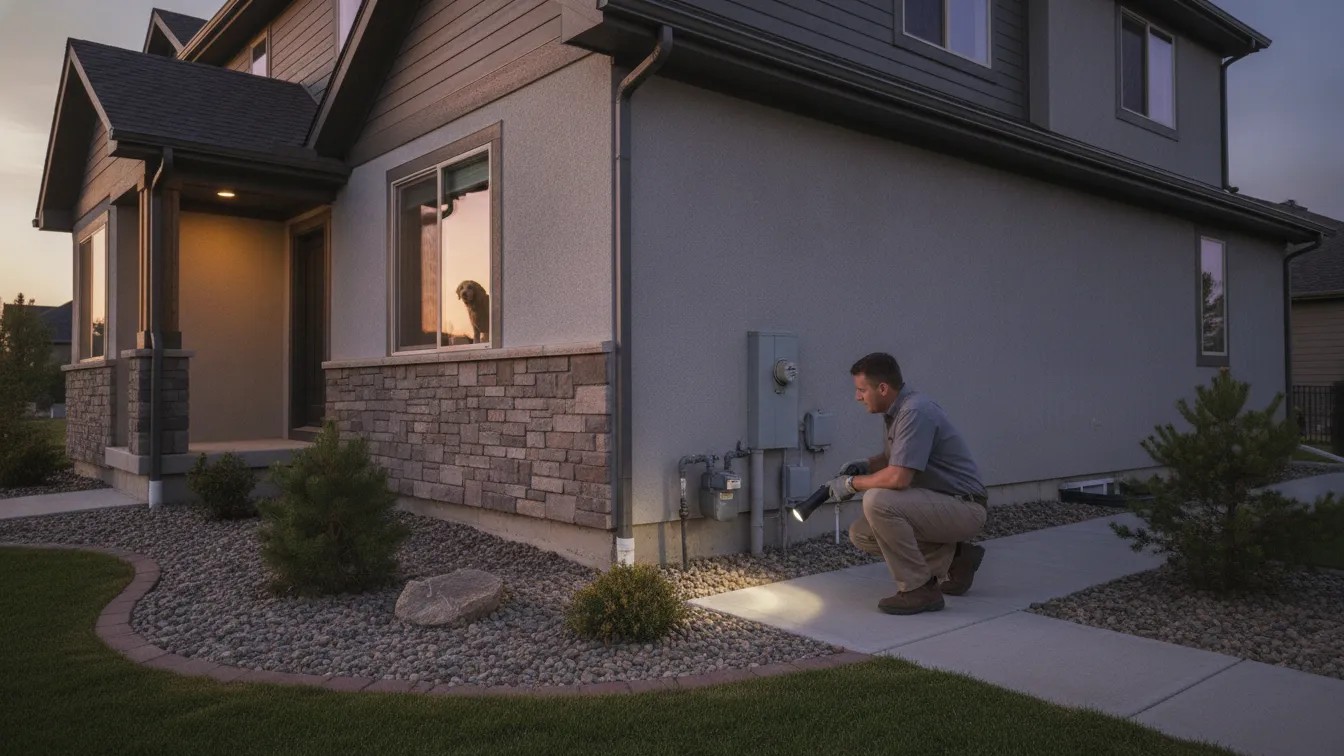
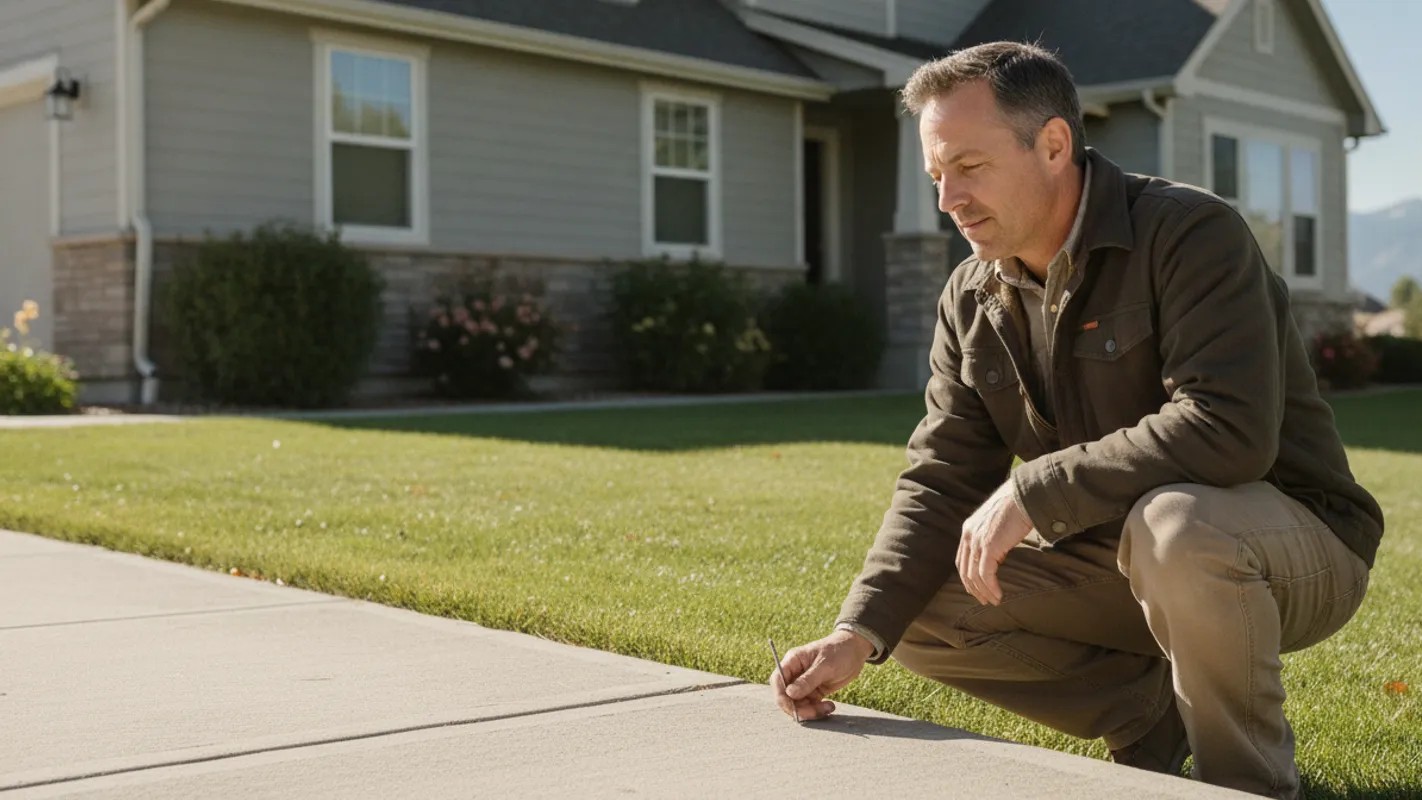
Rat removal cost in Denver depends on more than the first visit. The condition of the home, how rats are getting inside, the amount of activity, and whether cleanup or follow-up is needed can all shape an estimate. A useful estimate explains what work is included and what still needs to be confirmed, so you can compare plans without relying on a one-size-fits-all price.Call to discuss rat activity and request an estimate## What affects rat removal cost in Denver?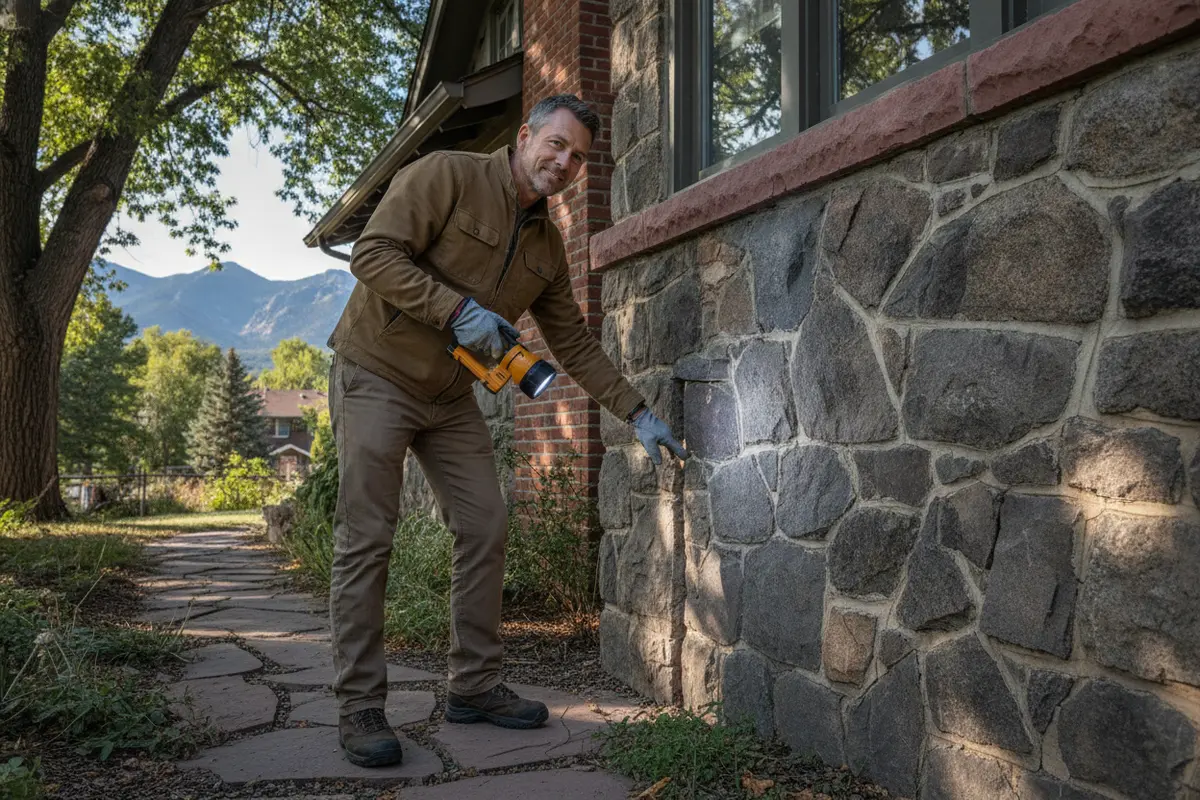 Short answer: The main cost factors are the inspection findings, the number and location of entry points, the extent of rat activity, the difficulty of exclusion work, any cleanup needed, and the number of follow-up visits. Ask for these items to be explained separately so you understand what the estimate covers.A rat seen in a garage is not automatically the same job as recurring activity in a wall or attic. A technician needs to learn where rats travel, how they entered, and whether the problem is limited to one area or affects several parts of the home. Until those details are checked, a precise estimate may be premature.For homeowners in Denver and along the Front Range, the shape and condition of the building matter, too. Gaps around utility lines, damaged vents, worn door sweeps, roof openings, and access to crawlspaces can change what work is needed. An estimate should connect the recommended work to observed conditions rather than assume every house needs the same treatment.## Which parts of a rat-removal job can change the estimate?Rat removal commonly involves several different tasks. Some homes need only focused intervention and practical prevention advice. Others need entry points addressed and additional visits to check whether activity has stopped. The following table shows how each part can affect scope.Part of the work | What the provider may need to assess | Why it can affect the estimateInspection | Droppings, rub marks, gnawing, sounds, access points, and travel routes | More areas or difficult-to-reach spaces can require more inspection time.Control and monitoring | Where activity is occurring and which methods fit the site | Multiple active areas or continued signs may call for additional attention.Exclusion | Gaps, vents, doors, utility penetrations, and other openings | The number, size, location, and accessibility of openings change the repair scope.Cleanup | Whether droppings, nesting material, or contaminated insulation need attention | The affected area and safe access requirements determine what cleanup is appropriate.Follow-up | Whether signs continue after initial work and whether repairs remain intact | Additional checks or adjustments may be needed to confirm progress.Consider two common estimate situations. In the first, a homeowner reports a single sighting near a garage door, and inspection finds one accessible gap with no signs elsewhere. The written scope may focus on checking that area, addressing the confirmed opening, and explaining what to watch for. In another home, repeated sounds in an attic accompany signs near a utility entry and damaged vent screening. That plan may require broader inspection, more than one repair, and a scheduled check to see whether signs continue. These examples are not price quotes; they show why the details of a property matter more than a generic starting figure.Before agreeing to work, match each recommendation to a finding. If the estimate includes multiple repairs, ask which observation supports each one and whether any work can wait until access is improved or a separate repair is assessed. This helps you distinguish an immediate control step from prevention work that may be quoted separately. A provider should be able to explain the sequence in plain language, including what will happen on the first visit and what findings might change the next step.### Inspection and accessAn inspection helps define the problem before treatment or repairs are proposed. A technician may look for droppings, gnaw marks, rub marks along travel paths, and openings around the exterior. Indoors, the attic, garage, basement, utility areas, and spaces near food or pet supplies may merit attention, depending on what you have noticed.Access can make a difference. A clear garage is easier to inspect than a packed storage area. A low crawlspace or a difficult attic hatch may limit visibility and take more time to evaluate. Share where and when you have seen signs so the inspection can focus on the right areas.### Entry-point repairs and exclusionRemoving or controlling rats without addressing how they entered can leave the home vulnerable to renewed activity. Exclusion means finding and closing suitable openings, using materials and methods appropriate to the location. The scope can vary from one accessible gap to several openings around the roofline, foundation, vents, doors, or utility penetrations.Ask whether the estimate includes exclusion or only describes it as a recommendation. Clarify which openings will be sealed, what materials or repair methods are included, and whether any building work falls outside the pest service. Do not assume that every treatment plan includes repairs simply because the provider identified entry points.### Cleanup and affected materialsCleanup needs depend on what is present and where it is located. A few signs in an accessible area are different from droppings or nesting material in an attic, crawlspace, or insulation. Ask what the provider recommends, whether cleanup is included, and whether damaged building materials would need separate evaluation or repair.Do not sweep or vacuum suspected rodent droppings as a first response. Keep children and pets away from the affected area, and ask a qualified professional about safe cleanup steps for the specific conditions. A municipal homeowner guide discusses unhealthy conditions associated with sanitary waste cleanup; it is about sewage rather than rodent droppings, so it is not a rat-specific protocol, but it underscores the value of treating contaminated cleanup with care. Read the City of Littleton homeowner cleanup guidance.## Why does the amount of rat activity matter?The number of sightings alone does not tell the whole story. A rat may be seen only occasionally while leaving signs in several locations. Conversely, a single sighting near an exterior door may not prove that rats are established throughout the home. The location and pattern of evidence help a technician decide what needs attention.Tell the inspector:- Where you saw a rat or signs of activity, including the room or outdoor area.
- When you first noticed the issue and whether sightings are becoming more frequent.
- Whether you have heard movement in a wall, ceiling, attic, or crawlspace.
- Whether food, birdseed, pet food, trash, or other attractants are stored nearby.
- Whether anyone has already used traps, bait, or sealant, and where.This information can reduce guesswork. It also helps the professional avoid treating an isolated sign as though it proves activity throughout the structure. If evidence appears in several areas, the inspection may need to follow those signs to understand the full scope.## How do exclusion and prevention fit into the price?Exclusion is an important part of long-term rodent management because it addresses access, not just the rats already inside. A useful inspection looks at likely openings and conditions that could allow entry. The work may involve sealing an opening, repairing a damaged vent, adjusting a door sweep, or arranging a separate repair when the issue requires construction expertise.Some prevention steps are simple for a homeowner: keep food in sealed containers, store pet food securely, close trash lids, and reduce clutter around inspection areas. These steps can reduce attractants and make it easier to notice fresh signs. They do not replace repairs when a real entry gap is present.To understand the estimate, ask for an itemized description or a clear written scope. It should identify the areas inspected, the control work proposed, any exclusion tasks, cleanup recommendations, and what follow-up is included. If a proposed repair is not part of the service, ask who is responsible for completing it and whether the provider will recheck it.## What should a rat-removal estimate include?A clear estimate is specific enough to compare. It should describe the problem observed, the work proposed, and how the provider will judge whether more attention is needed. The exact format varies, but these questions help uncover missing details.- What did the inspection find? Ask which signs or entry points support the recommendation.
- What work is included? Separate treatment or monitoring from exclusion, cleanup, and building repairs.
- Which areas are covered? Confirm whether the attic, garage, crawlspace, or other relevant locations are included.
- What happens after the first visit? Ask whether a follow-up is included, how progress is checked, and what could lead to extra work.
- What should I do beforehand? Find out whether storage needs to be moved or particular areas should be cleared.
- How should I prepare pets and family members? Follow service-specific instructions and ask about any precautions for the proposed methods.A low initial quote can be difficult to compare if it covers only one part of the job. A more complete plan may include inspection, control, exclusion recommendations, and follow-up. Compare the scope, not just the first number. Also ask whether the estimate can change if the inspection reveals hidden damage or additional entry points.When reviewing two proposals, write down the same categories for both: inspection areas, control or monitoring steps, repairs, cleanup, follow-up, and any work explicitly excluded. Mark a category as “not included” rather than leaving it blank. For example, one proposal might include inspection and monitoring while leaving gap repairs to the homeowner; another might describe a repair but not state whether a return visit is covered. Asking each provider to clarify those points makes the comparison fairer and helps prevent an unexpected difference in scope.Beeline Pest Control provides residential pest services in the Denver metro area and surrounding Front Range communities. If you are in Denver, you can review local Denver pest control information. Homeowners elsewhere can check the service-area page to see relevant coverage.Request information about rodent control## How can you reduce uncertainty before the visit?You do not need to diagnose the problem before asking for help. A few careful observations can make the inspection more focused and help the provider explain the estimate. Write down the date and location of each sighting, and note whether signs appeared in the same area or in different parts of the home. If you hear scratching, record the time and general location rather than opening a wall or ceiling.Make the likely inspection areas accessible when practical. Moving boxes away from a garage wall or clearing a path to an attic hatch may help the technician see relevant surfaces. Do not disturb droppings, nests, or suspected contaminated material to prepare. If an area cannot be reached safely, tell the provider before the appointment so the scope and access limitations are clear.Also gather details about changes around the house. Recent deliveries, construction, landscaping, a damaged screen, or a door that no longer closes tightly may be worth mentioning. These details do not prove how rats entered, but they can help guide the inspection. Ask whether photos or a brief description would help the provider plan the visit, and request that any important assumptions be written into the estimate.## When should you call a rat-control professional?Consider an inspection when you find repeated droppings, hear movement in enclosed spaces, see gnawing, or notice new signs after trying basic prevention. Do not wait for a large number of sightings before asking what is happening. A professional can evaluate the evidence and explain whether the issue appears active and what options fit.Take extra care if signs are near food-preparation areas, children’s spaces, pet bowls, or stored belongings. Keep people and pets away from suspected contamination. Avoid handling traps or bait that you did not place, and do not seal an opening without understanding whether animals may be trapped inside. Ask for guidance based on the exact location and conditions.Beeline offers pest control services for Colorado homes, including rodent control. For more background on identifying rodent signs, read this guide to what to look for when you suspect mice in a Denver home. Rat and mouse activity can differ, but noticing and describing signs helps an inspection get started.## Frequently asked questions about rat removal cost### Can someone quote rat removal cost over the phone?A provider may be able to explain general factors, but a reliable estimate often depends on an inspection. The number and location of entry points, access to affected spaces, cleanup needs, and follow-up requirements may not be clear from a brief call. Describe the signs you have seen and ask what can be estimated before a visit versus what must be confirmed on site.### Does a rat-removal estimate include sealing entry points?Not necessarily. Some estimates include exclusion work, while others cover inspection or control and list repairs separately. Ask which specific gaps or openings will be addressed, what repair materials are included, and whether the work requires a separate contractor.### Will one visit always solve a rat problem?There is no single answer for every home. The result depends on the activity, access points, and whether the work addresses both current signs and the conditions allowing entry. Ask what follow-up is planned and what evidence would prompt another visit or a change in approach.### Should I clean up droppings before an inspection?Do not sweep or vacuum suspected droppings. Keep people and pets clear, and ask the service provider how to handle the affected area safely. If you can do so without touching anything, note the location and take a photo from a safe distance to help explain what you found.### How can I compare two estimates fairly?Compare inspection coverage, control methods, exclusion tasks, cleanup, follow-up, and any exclusions or additional charges. Ask each provider to clarify whether the estimate addresses the same parts of the problem. A written scope makes differences easier to understand than comparing headline amounts alone.## Get a clear next step for rat activityRat removal cost reflects the work a home actually needs, not just the first sign a homeowner notices. A careful inspection, clear explanation of entry points, and an itemized scope can help you decide what to address now and what follow-up may be needed. If you have noticed rat activity in your Denver-area home, gather the details and request an estimate based on the conditions at your property.
Get Your Free Pest Control Quote in Aurora, CO!
Tired of pests in your Aurora home? Get a quick, no-obligation quote from Beeline Pest Control! Fill out our simple form, and our local experts will contact you soon to discuss your pest problem and provide a personalized estimate. Reclaim your home today!
More Blogs
Some other blogs you might be interested in