Colorado Homeowners: Identify & Control Odorous House Ants
Are tiny, smelly ants invading your Colorado home? This easy-to-understand guide from Beeline Pest Control helps you spot Odorous House Ants and provides simple steps to get rid of them for good. Protect your home today!
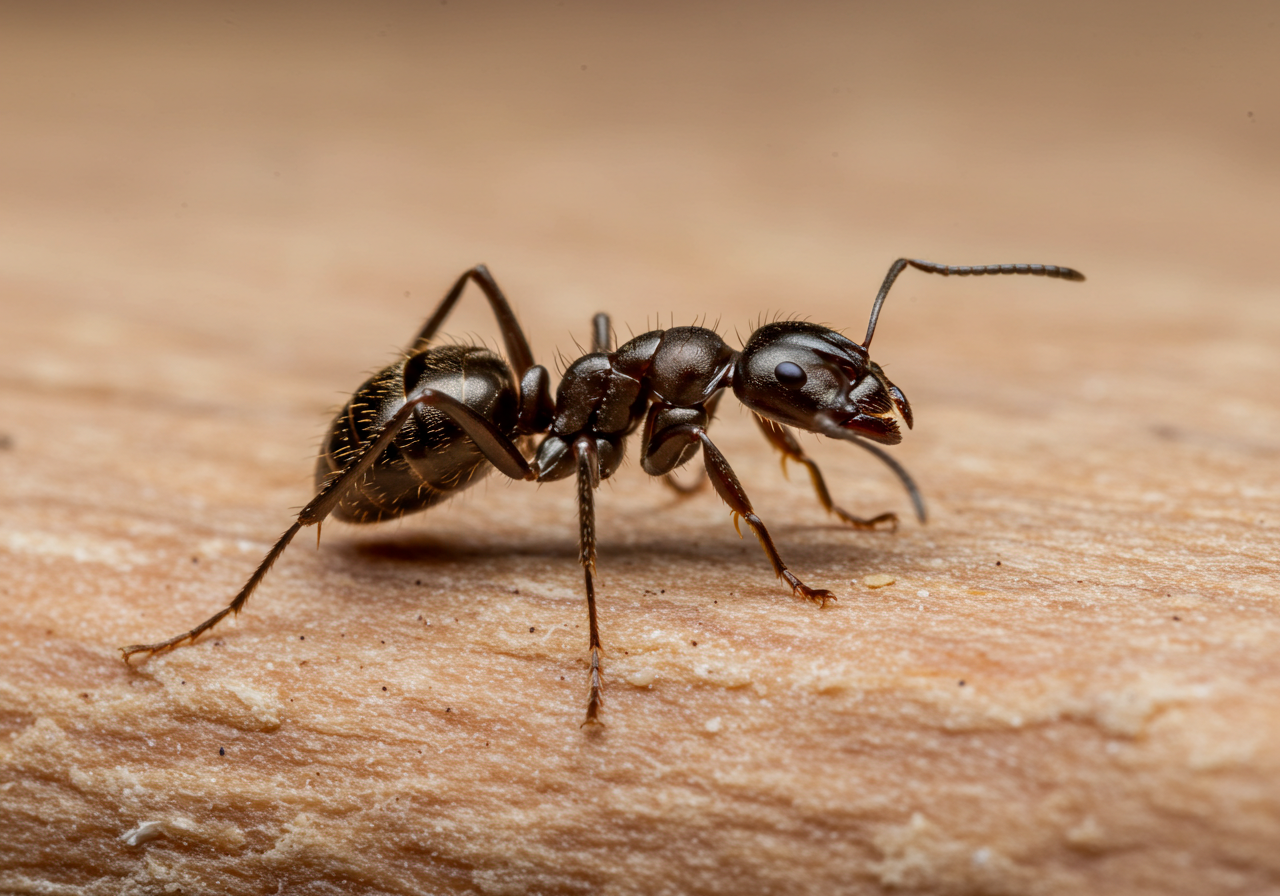
Squashing a small brown ant that smells like rotten coconut shows you have an odorous house ant problem.
Schedule Your Free Pest Inspection — Call [303-586-5231](tel:3035865231) today and let our family-owned team protect your home from odorous house ants.
Odorous house ants are tiny, dark brown pests that get their name from the strange, chemical odor they give off when crushed, which smells like rotten coconut. According to [Penn State Extension](https://extension.psu.edu/odorous-house-ant/), this unique smell is a key sign that you are dealing with this exact ant rather than other common house species. These ants are common in Colorado because they move nests to stay near food; they live in huge colonies with many queens, making them hard to kill. You will often see them trailing toward sugar or leaky pipes; they hide in wall voids where DIY sprays and baits often fail to reach them. This habit allows the pests to thrive in Denver homes throughout the year.
Finding these pests early is the best way to stop a big problem before it takes over your home. You need to know what to look for to tell them apart from other common Colorado ants. Our [local Denver pest control experts](https://www.beelinepestcontroldenver.com/blog/) guide you through What Are Odorous House Ants? to show you the traits that make them hard to remove. The path begins with
What Are Odorous House Ants?
The odorous house ant is a small pest found in homes across the United States. In Colorado, these ants are one of the most common insects homeowners find in their kitchens and bathrooms. These ants get their name from the strong smell they release when they are hurt. Most people say it smells like a rotten coconut. This scent is a clear sign that you have this specific pest in your home rather than a different type of ant.
Physical features and size
You can find these ants by looking at their size and shape. The workers are very small, usually between 1/16 and 1/8 inch long. They have a dark brown or black color. These ants are monomorphic, which means all the workers in a colony look the same and have the same size. Unlike some other pests, they have three distinct body parts and antennae with 12 segments. Knowing these details helps [local Denver pest control experts](https://www.beelinepestcontroldenver.com/) find the best way to stop them from entering your house.
Diet and food habits
These pests have a wide diet but they love sweet things. Outside, they often eat honeydew produced by small bugs like aphids. When they come inside, they look for sugar, honey, and grease on your counters. They also eat dead insects and many other types of food found in a kitchen. Because they eat so many things, they can easily find a food source in almost any home. According to the [PSU Extension](https://extension.psu.edu/odorous-house-ant/), they can also feed on protein and fats if sweet food is not near.
Colony structure and nests
A single colony can have thousands of ants. They often build many nests that are linked together. This is called a polydomous colony structure. Because they have many queens and many nest sites, they are very hard to get rid of with basic sprays. They often move their nests to stay near food and water. This behavior helps them grow fast in urban areas like Denver. Research from the [National Institutes of Health](https://pubmed.ncbi.nlm.nih.gov/33159439/) shows that they move often to find the best spots for their colony to thrive.
Odorous House Ants vs Other Common Colorado Ants
Pest control in Colorado can be tough because many ant types look the same. For families in the Denver area, finding the right pest is the first step to a fix. The odorous house ant is often mixed up with other small, dark ants. Each type of ant has its own traits and nests. These traits help you see if you need help from [local Denver pest control experts](https://www.beelinepestcontroldenver.com/blog/).
The telltale coconut scent
One of the easiest ways to find an odorous house ant is through your sense of smell. When you crush one of these small pests, they give off a sharp, odd scent. Many people say this smell is like rotten coconuts or blue cheese. A unique trait of this species is this bad smell when crushed. If you notice this scent after you kill a trail of ants, you likely have these pests in your home.
Mistaking pavement ants for odorous ants
In Colorado, the pavement ant is a very common sight for most families. These are the ants most often mixed up with odorous house ants in our area. Pavement ants are dark and small, but they do not have the coconut smell. They also like to build small mounds of dirt in the cracks of your driveway. Families often miss the small traits that set these two types apart, says the [USU Extension](https://extension.usu.edu/pests/research/odorous-house-ant).
Odorous house ants are quite small, ranging from 1/16 to 1/8 inch long. They all stay about the same size, unlike other types that have workers of many sizes. While they often nest outside under rocks or boards, they can move into your house. Indoors, they may hide in wall voids or in wood that was already ruined by termites.
| Ant Type | Size | Smell | Nesting Site | Threat Level | Odorous House Ant | 1/16 to 1/8 inch | Rotten coconut | Wall voids or damp wood | High nuisance | Pavement Ant | About 1/8 inch | None or soil | Cracks in pavement | Medium nuisance | Carpenter Ant | 1/4 to 1/2 inch | Vinegar-like | Inside wood structures | Building risk | Red Field Ant | 1/4 to 1/2 inch | No scent | Large soil mounds | Outdoor biting
Carpenter ants and scouting habits
Carpenter ants are much larger than the odorous house ant and pose a bigger threat. While odorous house ants live in voids, carpenter ants will carve out nests in your homes wood. Seeing large black ants near your windows is a sign you might have a bigger problem. Most ants found in Colorado homes are just [scouts looking for food](https://extension.colostate.edu/resource/ants-in-the-home/), but they usually live in a nest outside. Our team can help you find where the trail leads and stop it at the source.
Why Odorous House Ants Invade Colorado Homes
Learning why [odorous house ants](https://www.beelinepestcontroldenver.com/) enter your house is the first step to stop them. These pests are common across the Front Range because our climate gives them what they need to thrive. While they usually live outside, some things drive them to seek help inside Colorado homes all year long.
Seasonal habits and swarming
Local homeowners often see more ant activity during late spring and summer. This timing is no fluke, as winged ants with the task to start new groups often show up from May through July. Based on data from [Penn State Extension](https://extension.psu.edu/odorous-house-ant/), these swarming ants show that local pests are growing and looking for new spots to nest.
Most ants you find in your kitchen or bathroom are just out looking for food. Research from [Colorado State University Extension](https://extension.colostate.edu/resource/ants-in-the-home/) shows that most indoor ants in our state come from nests set up outside. They enter your house to find food or water before they go back home, but they will stay if they find a good supply.
Water and food needs
Having easy access to tools like food and water is a big cause for ant visits. Odorous house ants love spots where water and food are close to a building. A study from the [National Institutes of Health](https://pubmed.ncbi.nlm.nih.gov/33159439/) says that more water or food near a house leads to higher ant counts. Leaky pipes, damp spaces, or spills can turn your house into a top target.
Their diet also plays a big role in why they visit. These ants love sugar and often feed on the sweet dew made by bugs on your garden plants. Once they find a sugar source inside, like a honey jar or juice spill, they leave a scent trail for others to follow. This habit can quickly turn a few scout ants into a large group.
Nesting style and moving
One reason these ants are so hard to stop is their nesting style. They form large groups with many linked nests. This lets them move parts of the nest often to stay near the best food. If it gets too dry or too cold outside, they can easily move into your walls or under your floors to stay safe.
These ants are experts at finding small holes around your house. They often nest under rocks or boards near your foundation but can move into wall gaps. Their ability to shift their home base fast means they can move into a house before you even see them. For help with these pests, you can talk to our [local Denver pest control experts](https://www.beelinepestcontroldenver.com/blog/) for a full check.
Signs of an Odorous House Ant Infestation
Finding ants in your kitchen is bad, but knowing if you have odorous house ants is vital. These pests are common in the Denver area. They can build large nests fast, so finding them early helps you take control. As [local Denver pest control experts](https://www.beelinepestcontroldenver.com/), we see these ants often during the warm months.
Finding Ant Trails
The first sign of a problem is seeing long lines of ants. These ants love to eat sugar and grease. You will often find them moving in a steady line along your floor boards or kitchen counters. They leave a scent trail that other ants follow to reach food. If you see them moving toward your sink or pantry, they have likely found a way into your home.
The Smell Test
If you are not sure what kind of ant you have, use your nose. These ants get their name from a clear smell they give off. Follow these steps to find out if you have a problem in your Colorado home.
* Watch for ant trails. Look for small, dark ants moving along floors or counters. They often travel in lines toward sweet food or water. * Try the smell test. Crush a few of the ants between your fingers. If you notice a [rotten coconut smell](https://extension.psu.edu/odorous-house-ant/), you have found odorous house ants. * Check for moisture. These ants need water to live. Look under your sinks, around leaky pipes, and in wall gaps where pipes are located. * Inspect your yard. Check under rocks, boards, and logs near your home. These ants often nest outdoors before they move inside. * Look for winged ants. Watch for winged ants in your home from May to July. These are the winged members that start new nests. * Notice the colony size. These ants can form large [multi-nest colonies](https://pubmed.ncbi.nlm.nih.gov/33159439/) that spread fast. If you see ants in many rooms, the nest may be quite big.
Where They Hide Indoors
Inside your home, these ants like to stay out of sight. They often hide in wall gaps or even in wood that has old termite damage. They want to be near warmth and water. You might find them behind fridge coils or inside wall gaps near the bathroom. If you see signs in these areas, you may need help to find the source and stop the spread.
DIY Prevention and Control Tips
Stopping odorous house ants starts with making your home less attractive to them. These pests are driven by two main needs: food and water. If you remove these resources, the ants will often look elsewhere. Effective control requires a mix of cleaning, sealing, and smart baiting to protect your Denver area home.
Sanitation and food storage
Keep your kitchen clean to avoid ant trails. Wipe up spills as soon as they happen and do not leave dirty dishes in the sink. Store all sweet foods in sealed containers that ants cannot enter. According to the [Colorado State University Extension](https://extension.colostate.edu/resource/ants-in-the-home/), removing food and water sources makes ant baits work better because it forces the ants to feed on the bait instead of your crumbs.
Do not forget your pet food bowls. Ants often find kibble left on the floor or water in a bowl. Sweep or vacuum high-traffic areas daily to remove the tiny food bits that draw workers inside. A clean home is the first step in [local ant control](https://www.beelinepestcontroldenver.com/) that keeps your family safe.
Seal entry points and reduce moisture
Check your home for small cracks and gaps. Use caulk to seal openings around windows, doors, and baseboards. Look for holes where pipes or wires enter the walls. Odorous house ants are very small, so even a tiny gap is enough for a whole colony to enter. Fixing these entry points helps stop foragers from finding their way into your living space.
Manage moisture to keep ants away. These pests need water to survive and often nest near damp areas. Fix leaky pipes and use a fan to lower humidity in crawl spaces or basements. Research shows that [more moisture near a home](https://pubmed.ncbi.nlm.nih.gov/33159439/) can lead to more ants moving in. If you live in a damp part of the Front Range, moisture control is a vital part of your pest plan.
Outdoor yard management
The area around your home acts as a bridge for pests. Trim trees and shrubs so they do not touch your siding or roof. Ants use these branches as paths to reach your house. Also, move wood piles, rocks, and boards away from the foundation. These items provide the dark, damp spaces where [odorous house ants like to nest](https://extension.psu.edu/odorous-house-ant/) before they move indoors.
Clean up leaf litter and debris near your home. These materials trap moisture and give ants a place to hide. By keeping the perimeter of your house clear, you make it much harder for colonies to get close enough to invade. This simple yard work can save you from a major infestation later in the season.
Use slow-acting baits
If you have ants inside, avoid using bug sprays that kill on contact. These sprays only kill the few ants you see and may cause the rest of the nest to split and spread. Instead, use slow-acting baits like gel or bait stations. Foraging workers find the bait and carry it back to share with the queen and the rest of the colony. Experts from [Penn State Extension](https://extension.psu.edu/odorous-house-ant/) note that this is the best way to stop the whole group.
Be patient with your bait. It can take some time for the material to reach everyone in the nest. If your home has a large infestation, DIY methods might not be enough. Our [professional pest services](https://www.beelinepestcontroldenver.com/services) can help when the ants keep coming back. We offer a 100% satisfaction guarantee to give you peace of mind.
When to Call a Professional for Odorous House Ants
Most people try to stop ants with home sprays or traps before they call for help. Some pests go away with quick fixes, but odorous house ants are hard to beat on your own. These ants are native to almost all of North America, from Canada to Mexico. If you see ants in your kitchen for more than a few days, it is time to call [local Denver pest control experts](https://www.beelinepestcontroldenver.com/blog/) for a plan that works.
The limits of home sprays
One major problem with home ant control is how these ants build their homes. Odorous house ants often have many nests at once. They can move parts of their group quickly to find new spots. If you spray a few ants with a can, the rest may just move to another wall or room. Experts know how to find the root of the issue in wall voids where simple sprays cannot reach. According to [Penn State Extension](https://extension.psu.edu/odorous-house-ant/), it can take two weeks or more to get full control of an infestation.
How professional baits work
Pros use a better way than just killing the ants you see on your counter. Good control relies on the social habits of the group. Technicians use slow-acting baits that contain boric acid or other safe tools. Foraging workers find the bait and bring it back to the queen and the rest of the nest. This is the best way to stop the entire group from growing. Using these tools well is a key part of our [residential pest services](https://www.beelinepestcontroldenver.com/services) for local homes.
The Beeline local advantage
When you choose our local team, you get workers who know Colorado pests and weather. Our team has licenses from the Colorado Department of Agriculture and years of work in the Denver area. We know every home is different, so we offer a full satisfaction guarantee. If the ants come back, we will give you a free re-treatment until they are gone. You can save $50 on your home pest control now when you use the code HOME50OFF. Call us at 303-586-5231 to book your free estimate and get back to a pest-free home.
Frequently Asked Questions
Are odorous house ants harmful to people or pets?
These ants do not bite or sting people and do not spread diseases. However, they can taint food when they crawl over kitchen counters or into pantry bins. According to the [EPA](https://www.epa.gov/ipm/ants-and-schools), most ants are just nuisance pests. The biggest risk is the smell they leave when crushed, which can be very bad inside your home.
How long does it take to get rid of an odorous house ant infestation?
Killing a colony takes time because workers must carry slow bait back to the queen. According to [Penn State Extension](https://extension.psu.edu/odorous-house-ant/), it may take two weeks or more to get full control. Our licensed team uses expert tools to reach the whole nest. We back our work with a 100% satisfaction guarantee and give free re-treatments if the ants stay.
Can odorous house ants cause house damage?
No, these ants do not cause house damage like termites or carpenter ants. While they may nest inside walls or old wood, they do not eat or tunnel through the wood themselves. According to [PSU Extension](https://extension.psu.edu/odorous-house-ant/), they just look for warm, moist places to live. If you see wood damage, it is likely from another pest or water issue.
What is the best way to keep ants from coming back?
The best way to keep ants away is to remove food and water sources. According to [Colorado State University](https://extension.colostate.edu/resource/ants-in-the-home/), simple steps like fixing leaks and sealing food bins can stop ant visits. Our local team offers seasonal plans for the Denver area. We build a barrier around your home to keep pests out all year. Call us at 303-586-5231 to start your protection plan.
Get Your Free Pest Control Quote in Aurora, CO!
Tired of unwanted pests in your Aurora home? Fill out our quick form and a Beeline Pest Control expert will call you back with a personalized, no-obligation quote. Let us help you get rid of ants, spiders, rodents, and other nuisances, making your Aurora, Colorado property comfortable and pest-free again!
More Blogs
Some other blogs you might be interested in