
Mice in Your Colorado Attic? Your Easy Guide to a Safe, Rodent-Free Home
Is something scurrying in your Colorado attic? Discover simple steps to identify, safely remove, and prevent mice, ensuring a cozy, pest-free home. Get practical advice for Colorado homeowners to protect your family and property today!
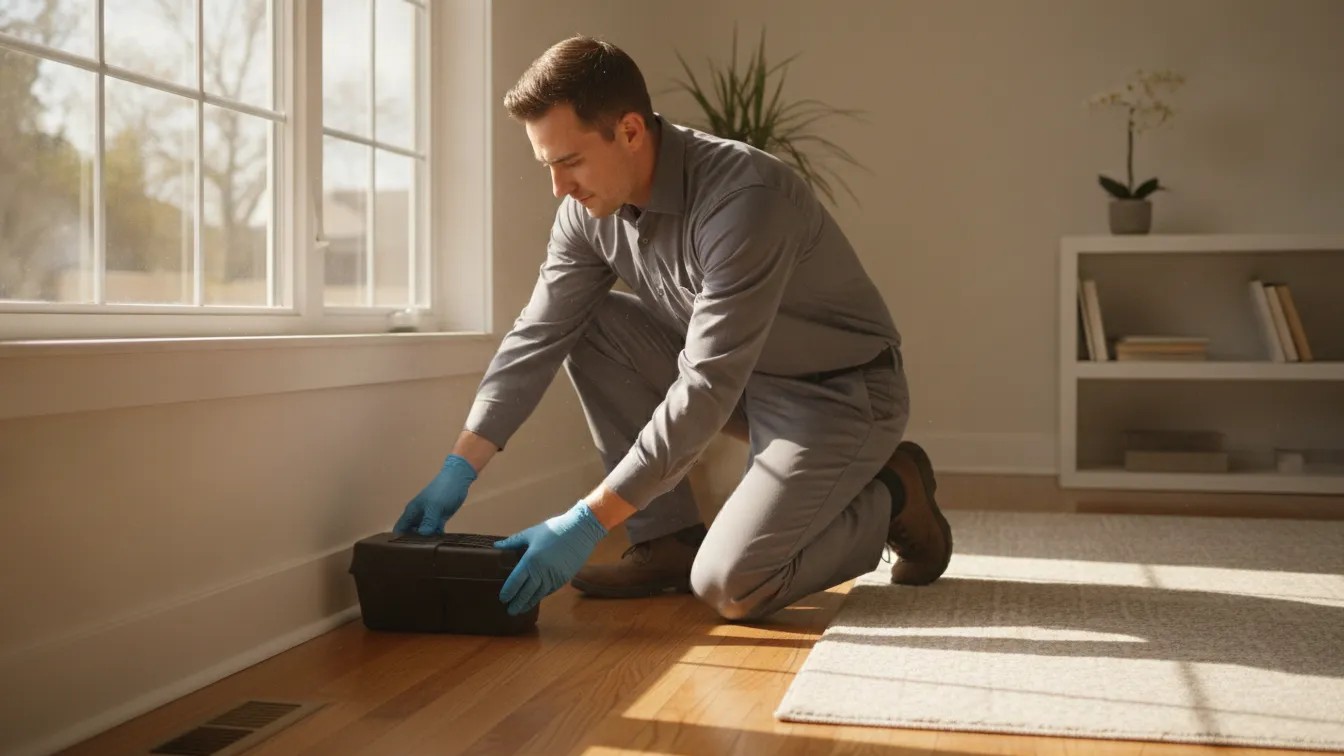
Hearing scratching above the ceiling or finding droppings near attic storage can be unsettling. In a Colorado home, those signs may point to mice, squirrels, birds, or another animal. This guide addresses the common concern of mice in attic Colorado homes without encouraging risky cleanup. The safest response is to identify the pattern before disturbing insulation or nesting material, then address both the active problem and the opening that allowed it inside.
Call Beeline Pest Control at 303-586-5231 for a free attic rodent inspection or estimate.
What should you do about mice in attic Colorado homes? Look for a pattern of droppings, gnaw marks, nesting material, and nighttime activity without sweeping or vacuuming suspected contamination. Keep children and pets away, arrange an inspection when signs continue or identification is unclear, and plan exclusion after the active rodents are controlled.
Attics appeal to mice because they offer shelter from Colorado weather, soft nesting material, and low daily disturbance. Fall and winter often make the signs more noticeable as rodents search for warmer protected spaces. This guide explains how mice enter attics, how their signs differ from squirrel activity, which home and health concerns deserve attention, and how removal and exclusion fit together.
What Mice in Attic Colorado Homes Need First
When a homeowner finds evidence of mice, the first need is not a quick guess about the species. It is a careful assessment of where the activity is happening, whether the signs are current, and how the animal may be entering. A single sound or dropping does not prove an infestation. Several clues in the same area create a more useful picture.
What does attic mouse activity usually mean? It usually means a rodent found an opening into a sheltered part of the home and is using the space for travel, nesting, or protection. Activity can become easier to notice during cold weather, but an attic inspection should confirm whether mice are present before treatment or repairs begin.
Start from a safe location. Note when sounds occur, where droppings appear, and whether you see shredded paper, insulation, fabric, or other nesting material. Do not reach into a dark corner, pull apart insulation, or handle an unfamiliar nest. If the attic is difficult to access, has poor flooring, or contains a large amount of contamination, leave the area undisturbed.
An attic problem can also extend into wall voids, garages, crawl spaces, or other sheltered parts of the home. That is why a lasting plan should consider the whole structure rather than treating only the spot where a homeowner heard scratching. Beeline Pest Control serves Denver metro and nearby Front Range communities with licensed technicians and a family-owned approach to residential rodent problems.
For a broader overview of mice, rats, and exclusion, review Beeline's Denver rodent control and exclusion guide. That pillar resource provides useful context, while this article focuses on the specific attic scenario. For a practical seasonal checklist, see Beeline's guide to mouse-proofing a Colorado home before winter.
How Mice in Attic Colorado Homes Find Entry Points
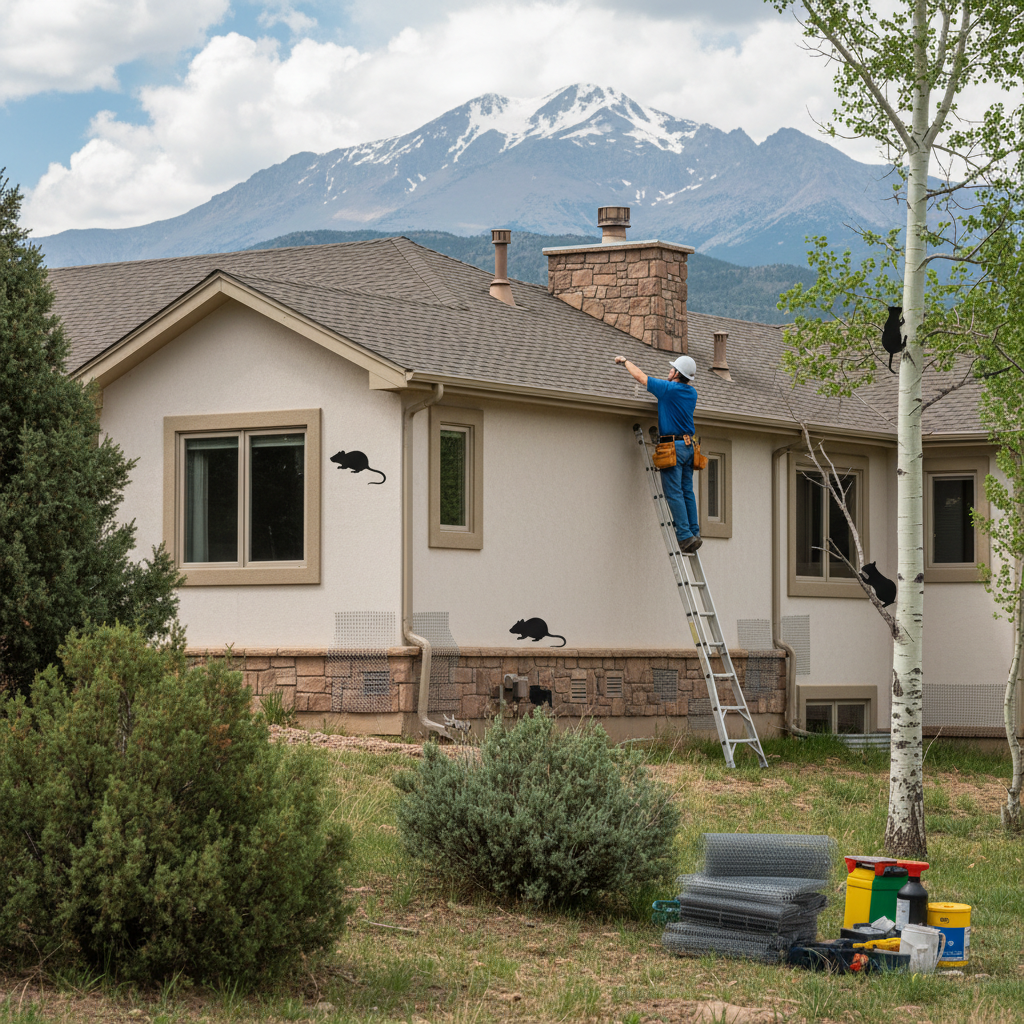
How do mice get into an attic? Mice can use small gaps around roof edges, eaves, soffits, vents, utility penetrations, and construction joints. They can fit through an opening about the size of a dime. The correct entry point must be confirmed rather than assumed, because sealing one visible gap may leave another route open.
An attic may look closed off from the living space while still being accessible from outside. Mice can travel along rooflines and find breaks where roofing, fascia, trim, or exterior walls meet. Aging materials, storm damage, loose screening, and incomplete repairs can all create opportunities. The opening may be outside the area where droppings or sounds are first noticed.
Common routes into an attic
- Roofline and eaves: Check transitions where roofing, fascia, trim, and exterior walls meet.
- Soffits and vents: Look for damaged screens, loose covers, and gaps around frames.
- Utility penetrations: Inspect areas where electrical, plumbing, cable, or other lines pass through the exterior.
- Repair and construction joints: Examine additions, flashing, ducts, chimneys, and previous patchwork.
- Exterior damage: Note displaced trim, holes, deteriorated sealant, or openings created by weather and wildlife.
Insulation can hide an entry point, and a mouse may enter in one place before traveling to another part of the attic. A perimeter inspection is more reliable than looking only above the room where sounds occur. Homeowners should also avoid climbing onto a roof or stepping on unsafe attic surfaces to investigate. From the ground, document visible gaps and have a qualified professional assess areas that are hard to reach.
Colorado's seasonal pattern can increase the urgency. As temperatures fall, rodents may search for warmth and food inside homes. That does not prove that mice entered recently. They may have been present for weeks and become more noticeable only when movement increases or the population grows. Read Beeline's guide to winter rodents in Colorado for related prevention advice.
If signs continue after a visible gap is repaired, there may be another opening, an active nest, or a different animal involved. A professional inspection can connect the evidence to the structure and recommend removal and exclusion in the right order. Beeline's local guide to rodents in Lakewood homes also explains why the full structure matters.
What Signs Point to Mice Instead of Squirrels?
Mouse and squirrel evidence can overlap, so no single clue should be treated as proof. Consider the time of day, sound, size and location of droppings, nesting style, and the type of material being damaged. Even then, a professional inspection may be needed when the animal is not seen.
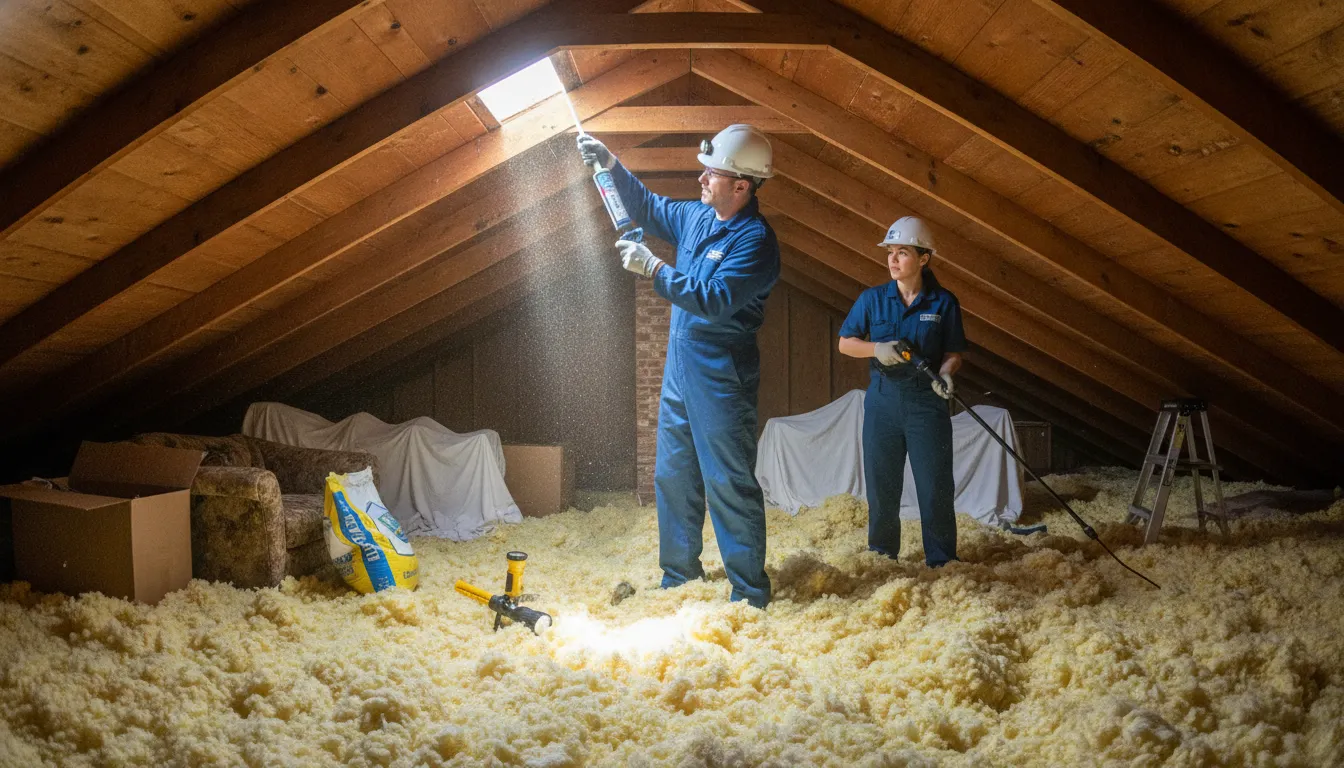
The comparison below is a starting point for homeowners. It does not replace animal identification, a damage inspection, or an assessment of the entry route.
| Clue | More consistent with mice | More consistent with squirrels |
|---|---|---|
| Sounds | Light scratching or scurrying, often noticed at night or inside walls. | Heavier running, thumping, or gnawing that is easier to notice during daylight. |
| Droppings | Small dark droppings along edges, near stored items, or on travel paths. | Larger droppings near a nest or a repeated roofline access point. |
| Nesting | Shredded paper, fabric, cardboard, or insulation arranged in a small hidden nest. | A bulkier nest near a roofline, chimney, vent, or exterior-adjacent area. |
| Gnawing | Small chew marks on wires, cardboard, stored materials, or insulation. | More substantial chewing on wood, roof components, or a larger opening. |
| Location | Evidence may extend along attic edges, inside insulation, or into wall voids. | Evidence may cluster near roof vents, eaves, tree-facing roof sections, or a larger exterior gap. |
Behavior varies by animal and individual circumstances. A young squirrel, a rat, or an old sign from a previous infestation can make size and timing misleading. If the animal is not visible, focus on the combination of clues and avoid handling contamination. Beeline's article about signs of mice in a Denver home offers another checklist for common evidence. If the sounds seem to come from a wall rather than the attic, review the guide to spotting mice in walls.
Do not close an opening immediately if an animal may still be inside. Sealing an active route can trap wildlife or force it into a wall or living area. First establish what is present and whether the opening is active. Then use an exclusion plan that protects the structure and does not create a new access problem.
Can Attic Mice Damage Your Home or Affect Health?
Can mice in an attic create health or home risks? They can, although damage or illness is not certain in every case. Droppings, urine, and nesting material may contaminate insulation when disturbed. Mice may also chew wiring or stored materials. An inspection helps separate confirmed damage from possible risk and identifies what needs professional cleanup or repair.
Insulation and contamination
Insulation can collect droppings, urine, and nesting debris over time. That does not mean every attic with a few signs requires full insulation removal. The appropriate response depends on the amount of contamination, its location, the type of insulation, and whether the area can be cleaned safely.
The Centers for Disease Control and Prevention advises against sweeping or vacuuming rodent droppings, urine, or nesting material because disturbing contaminated material can put particles into the air. Review the CDC's rodent cleanup guidance before attempting any cleanup. Keep children and pets away from the attic access area until the space has been assessed.
Wiring and stored belongings
Gnawing can damage insulation, cardboard, stored belongings, and electrical wiring. The presence of mice does not prove that wiring has been damaged, but exposed or chewed wiring should be treated seriously. If you notice flickering lights, a burning odor, heat, or visible electrical damage, avoid disturbing the area and contact a qualified electrician.
Health concerns
Rodent exposure can create health concerns, especially when contaminated material is disturbed in a confined area. Health risk is possible, not inevitable, and attic signs alone cannot show whether a particular mouse carried disease. If anyone develops concerning symptoms after possible rodent exposure, contact a medical professional and mention the exposure.
A careful response is reassuring because it replaces guesswork with a plan. Beeline uses professional, targeted methods and prioritizes family and pet safety. Its local team can help identify the pest, assess likely access points, and explain whether removal, cleanup, exclusion, or a combination is appropriate.
Call Beeline Pest Control at 303-586-5231 for a professional attic mouse assessment.
How Should You Remove Mice and Seal the Attic?
Removing visible mice without correcting access points often leads to repeat activity. The sequence below keeps identification, safety, removal, cleanup, and exclusion connected. It is a practical guide, not a substitute for professional help in a contaminated, unsafe, or difficult-to-access attic.
Confirm the activity
Record where sounds, droppings, nesting material, or damage appear. Look for a pattern instead of relying on one clue. Do not handle nests or disturb insulation while trying to verify the animal.
Protect the household
Keep children and pets away from attic access and suspected contamination. Do not sweep or vacuum droppings, urine, or nesting material. If the space is unsafe, closed up, or heavily contaminated, leave it alone and arrange an assessment.
Choose a removal method
The control plan should match the animal, activity level, attic layout, and household conditions. Do not improvise pesticide use in an attic or place products where children, pets, or wildlife may contact them. A licensed technician can recommend properly placed traps, targeted treatment, or other professional methods.
Clean after activity is controlled
For limited, accessible contamination, follow current CDC precautions. Wet droppings or urine thoroughly with an appropriate disinfectant, allow the required contact time, and remove the material carefully. Heavily affected insulation, hidden nests, or difficult spaces may require specialized cleanup.
Seal confirmed entry points
After the active animals are out, close gaps around rooflines, eaves, soffits, vents, and utility penetrations with durable materials suited to each location. Mice can fit through very small openings, so a quick patch may not be enough. Do not block needed attic ventilation.
Monitor the result
Recheck the exterior and accessible attic areas for fresh droppings, new sounds, disturbed repairs, or additional gaps. Continued signs call for a more detailed inspection rather than repeated sealing in random locations.
For broader rodent identification, Beeline's guide to rat versus mouse clues may help. You can also compare identification details in this local guide to rat or mouse signs for Denver homeowners. When the evidence points to an active home infestation, the company's Denver rodent control service can provide a more complete inspection and treatment path.
What Does Beeline Do for Attic Rodent Problems?
Beeline Pest Control approaches attic rodent problems as both an animal-control concern and an entry-point concern. The goal is to identify what is happening, apply a targeted plan, and reduce the chance of repeat activity. The exact work depends on the inspection findings, the structure, and the location of the evidence.
- Inspection: Review accessible interior and exterior areas for pest evidence, activity zones, and likely entry points.
- Targeted treatment: Use professionally applied methods appropriate for the identified rodent problem and household conditions.
- Exclusion planning: Identify gaps that should be sealed after active animals are controlled, while preserving necessary ventilation.
- Safety guidance: Explain how to limit contact with droppings, urine, nesting material, and damaged areas.
- Ongoing protection: Discuss monitoring and maintenance options when a property has recurring rodent pressure.
Beeline is family-owned and serves Denver metro and nearby Front Range communities, including homeowners who need help with mice, rats, and exclusion. The company emphasizes safe, effective, reliable service, provides free estimates or inspections when available, and backs its work with a 100% satisfaction guarantee. Those commitments do not make every attic problem identical, so the inspection remains the starting point.
Call 303-586-5231 to schedule a free attic rodent inspection or estimate in the Denver area.
Frequently Asked Questions About Attic Mice
How do I get mice out of my attic?
Start by confirming the activity and keeping people and pets away from contaminated areas. Use an appropriate removal plan, then seal confirmed entry points after the active animals are controlled. If signs continue, the attic is unsafe, or the animal is not clearly identified, request a professional inspection instead of adding more traps or closing random gaps.
Are mice in Colorado attics common during winter?
Mice may seek shelter in Colorado homes during fall and winter because they are looking for warmth and food. That seasonal pattern does not prove that every attic noise is caused by mice. Look for a combination of sounds, droppings, nesting material, and gnaw marks before choosing a response.
What signs indicate mice in the attic?
Common signs include light nighttime scratching, small dark droppings, shredded nesting material, and small gnaw marks on stored materials or wiring. Squirrels, rats, birds, and earlier infestations can create similar clues. The location and combination of evidence matter more than one isolated sign.
Should I vacuum mouse droppings in an attic?
No. The CDC advises against sweeping or vacuuming suspected rodent contamination because those actions can disturb particles in the air. Keep children and pets away, follow current cleanup guidance for limited accessible contamination, and arrange professional help when material is widespread, hidden, or difficult to reach.
How do I keep mice from returning to my attic?
After the active rodents are controlled, inspect and seal likely openings around rooflines, eaves, soffits, vents, utility lines, and construction joints. Use durable repairs that preserve attic ventilation, then monitor for new sounds or droppings. If activity returns, have the full exterior and attic connection inspected for another route.
Get Help With Attic Mice in the Denver Area
Attic scratching and droppings deserve a calm, structured response. Identifying the animal, protecting your household, controlling active rodents, and sealing the route inside can help turn a recurring concern into a manageable plan.
Beeline Pest Control provides local rodent inspection, removal, and exclusion support for Denver metro and nearby Front Range homeowners. The family-owned team uses targeted methods and can explain the next step based on what the inspection finds.
Call Beeline Pest Control at 303-586-5231 to request your free attic rodent inspection or estimate.
Get Your Free Pest Control Quote Today - Aurora, CO
Ready for a pest-free home? Fill out our quick form and a friendly expert from Beeline Pest Control will call you back with a free, no-obligation quote for effective pest control services in Aurora, Colorado. Your peace of mind is just a click away!
More Blogs
Some other blogs you might be interested in