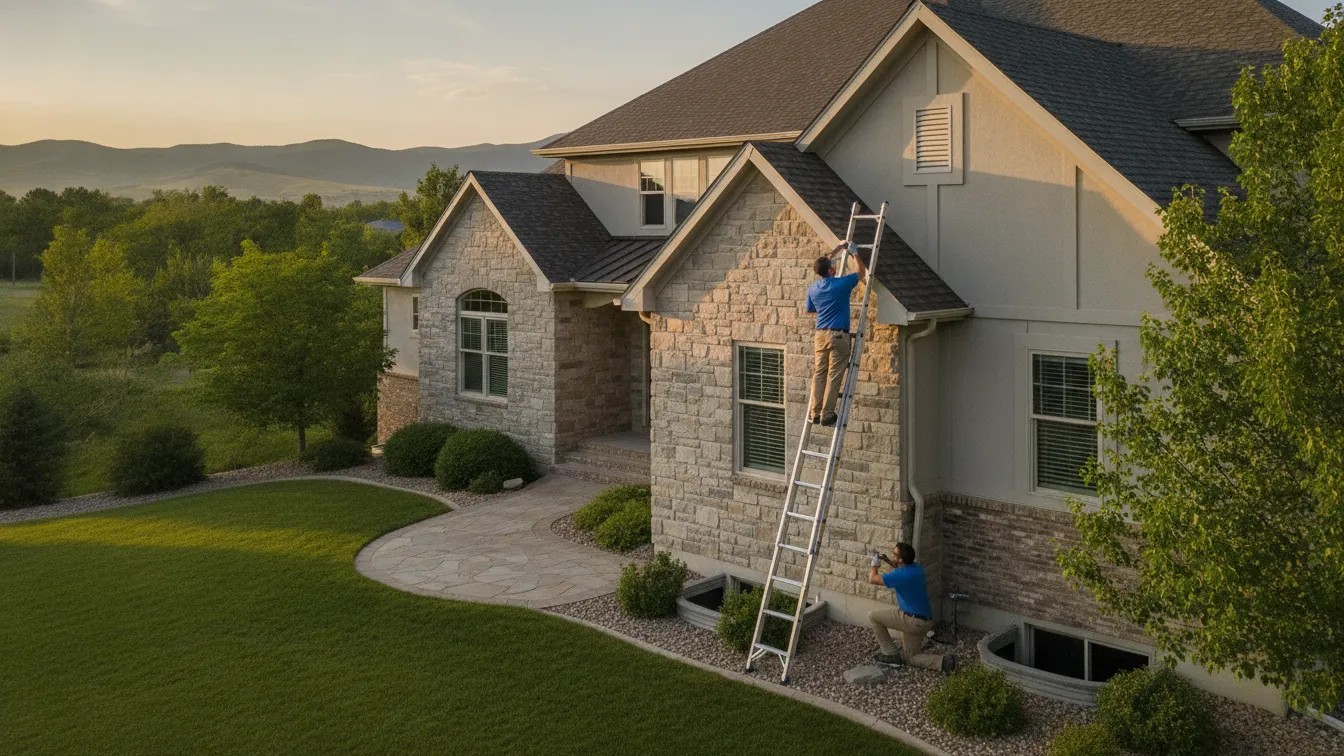
Wildlife Exclusion Services Denver Colorado
Learn how wildlife exclusion services denver colorado protect your home through inspection, safe removal, entry-point repairs, cleanup, and prevention.
Wildlife in an attic, crawl space, or wall cavity can cause damage long before you see the animal itself. Scratching, nesting material, droppings, or a draft around a roofline opening may point to a problem that sealing alone will not solve.
Wildlife exclusion services denver colorado help homeowners find how animals are getting inside and determine whether an animal is still present. They address active wildlife when needed and repair entry points to reduce the chance of reentry.
The right plan starts with a careful inspection, not a guess. Beeline Pest Control identifies the animal activity, access points, and contributing conditions before recommending targeted action, exclusion work, or ongoing monitoring. For related rodent entry and prevention concerns, see our rodent control and exclusion services. Understanding what exclusion includes makes it easier to recognize why the inspection and service sequence matter.
What Are Wildlife Exclusion Services in Denver, Colorado?
Wildlife exclusion is the process of finding and repairing the ways animals enter a home, then reducing the conditions that invite them back. That can include gaps around roofs, vents, soffits, chimneys, foundations, doors, or utility lines. The goal is not simply to cover the most obvious hole. A useful exclusion plan connects the entry point to the animal's activity and the home's structure, so the repair is practical and durable.
For Denver homeowners, exclusion may be worth considering when you hear movement in an attic or wall. Find damage near a roofline, notice droppings, or keep seeing signs that return after temporary repairs. It can also be appropriate after an animal has already been removed, because removal alone does not correct the opening that allowed access. Wildlife conflicts can involve property damage and health or safety hazards. So the right response should be based on what is happening at the property rather than a generic treatment list.
Call Beeline Pest Control at (303) 586-5231 to request a free inspection or estimate.
Why inspection comes before sealing
Prevention is the preferred starting point whenever possible. Cornell's integrated pest management guidance says the best way to avoid animal problems in a building is to prevent animals from entering in the first place: Cornell pest exclusion guidance. But sealing an opening too quickly can create a more serious problem. Before closing an entry site, you need to be confident that an animal will not be trapped inside. Animals currently living in a structure generally need assessment and appropriate removal before exclusion work proceeds.
That sequence matters in a Denver home. A quiet opening is not automatically an abandoned opening, and a repair that looks complete from the outside may leave an animal, young, or nest inside. An inspection helps identify the likely animal activity, the location of the access route, and whether more than one opening is involved. It also gives the technician a chance to consider safe access, the condition of the building, and any applicable requirements before recommending a repair.
Exclusion is part of an integrated plan
Wildlife exclusion is most effective when it is combined with the other steps the property needs. Missouri Extension describes integrated pest management as using multiple techniques to solve wildlife damage problems: Missouri Extension's wildlife IPM guidance. Depending on the inspection, that may mean addressing an active animal first, repairing entry points, reducing food or moisture attractants, and setting up monitoring or maintenance. The materials and repair approach should fit the species and situation. One patch is not a universal answer, especially when an animal can damage an inadequate repair or create a new opening.
In short, exclusion is prevention informed by inspection. It is a practical way to protect a Denver-area home without skipping the assessment and removal decisions that need to come first.
Which Entry Points Should Denver Homeowners Check?
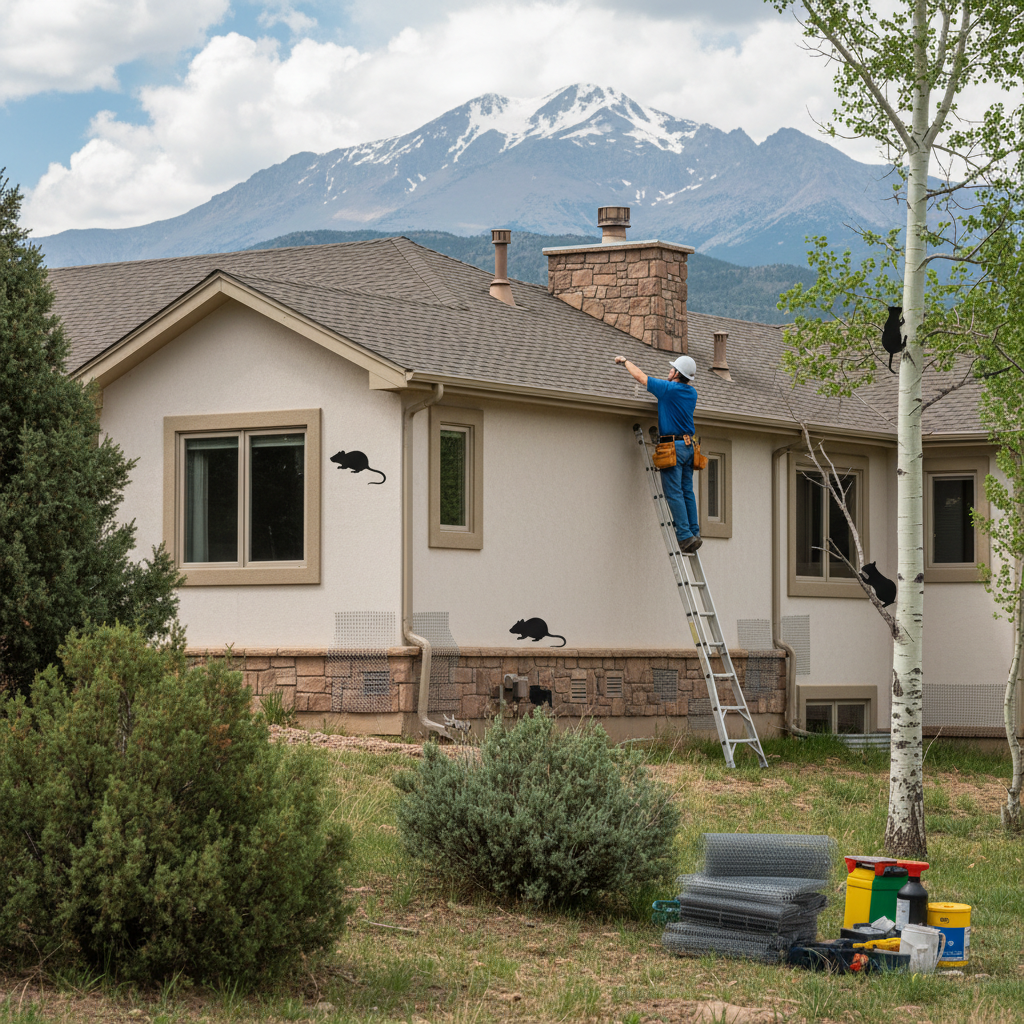
Wildlife usually enters through ordinary building gaps that are easy to miss from the ground. Start at the roofline, where loose shingles, flashing, fascia, and roof-to-wall joints can create openings. Check soffits and attic vents for damaged screens or gaps around their edges. Chimneys also deserve attention because an uncapped or damaged opening can provide direct access to the attic or fireplace.
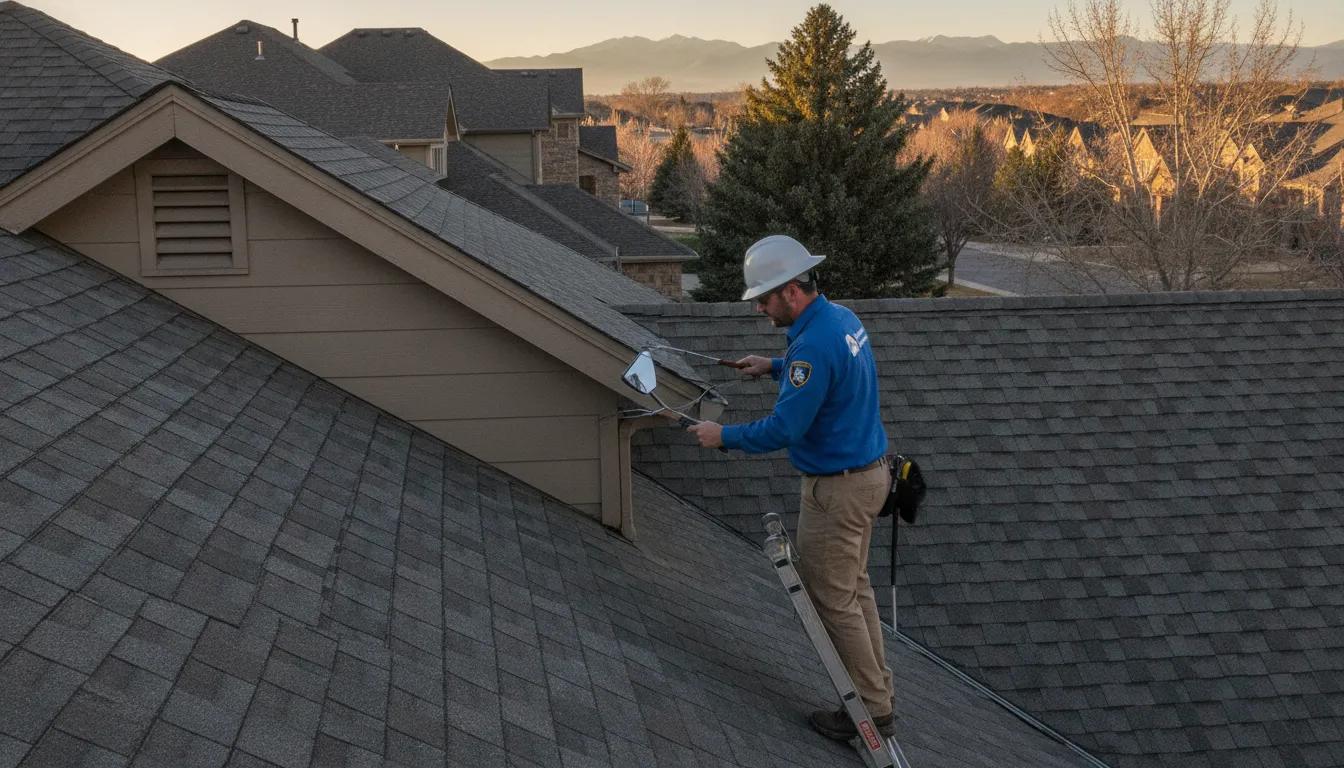
Continue around the lower portions of the home. Crawl-space vents, foundation gaps, damaged siding, and openings where walls meet the foundation can connect the exterior to hidden interior spaces. Pay close attention to utility penetrations for pipes, cables, and electrical lines. Gaps around doors, windows, dryer vents, and other installed components can also become access points when seals or screens deteriorate.
Look for evidence inside and outside
Physical signs often tell you where to investigate next. Droppings near walls, attic insulation, crawl spaces, or stored items may point to repeated activity. Gnaw marks on wood, wiring, plastic, or other materials can indicate an animal is testing or enlarging an opening. Nests, nesting material, disturbed insulation, grease marks, and damaged vents are additional clues. Strange noises from an attic or inside walls are commonly reported with wildlife problems, especially when activity increases after dark. A Denver wildlife-control provider identifies unusual attic or wall sounds as a possible warning sign.
Listen for high-pitched squealing or chirping, too. Those sounds may indicate young animals in walls, fireplaces, or another sheltered space, so sealing a suspected opening immediately could create a dangerous problem. Cornell Integrated Pest Management recommends monitoring an uncertain entry site for at least two days to determine whether it is active: see its guidance on monitoring animal entry points.
Seasonal clues can reveal hidden routes
In Colorado, weather and daylight affect what homeowners notice. A quiet opening during a cold period does not necessarily mean it is abandoned. Activity may resume during a warm spell or as seasons change. If bats are suspected, observe the exterior from a safe distance at dusk rather than approaching the roost. The CDC explains that watching where bats exit may help reveal how they are getting inside: review its bat safety guidance.
Do not climb onto a roof, handle a bat, or disturb a nest to confirm activity. Document what you can see from a safe location, then have the entry route and signs assessed before repairs are made. The right response depends on what is present, where it is located, and whether an animal may still be inside.
What Does a Beeline Wildlife Exclusion Inspection Cover?
A careful inspection starts with evidence, not assumptions. Beeline looks at what is happening in and around the property so the next step fits the actual problem. That means identifying the likely pest or animal type, determining how severe the activity is. And locating the areas where the animal is entering, moving, nesting, or causing damage.
Identifying the animal and the level of activity
Different signs can point to different problems, but a single clue rarely tells the whole story. During the inspection, the technician considers sounds, droppings, gnaw marks, tracks, nesting material, damaged screens, disturbed insulation, and other evidence. The goal is to determine whether the activity is current, how extensive it may be, and whether more than one area of the home is involved.
The inspection also considers the number of animals, where they are located, and the route they used to enter. A Denver wildlife-control provider describes those same questions as central to its inspection process: how many animals are present, where they are, and how they got inside (source). Beeline uses this type of practical assessment to separate an active entry problem from old evidence or an unrelated household concern.
Checking interior and exterior entry points
Inside the home, the inspection may focus on attics, crawl spaces, wall voids, basements, garages, utility penetrations, and other places where activity is reported. Outside, the technician looks at roof edges, vents, fascia, soffits, foundations, doors, windows, screens, and gaps around pipes or cables. Rodent-related inspections also review cracks and openings along with droppings, gnaw marks, nests, and activity areas. Homeowners can learn more about rodent control and exclusion when those signs are part of the concern.
Not every opening is automatically sealed during the first visit. If activity is uncertain, monitoring may be appropriate before deciding whether a site is active. Cornell Integrated Pest Management recommends considering building, fire, and other applicable ordinances when choosing how to exclude animals (Cornell IPM guidance). Those requirements, along with roof access, building condition, and repair location, help shape a safe and durable plan.
Considering the conditions around your home
Beeline also asks about conditions that may encourage repeat activity, such as accessible food, moisture, vegetation, clutter, damaged structures, or openings created by previous repairs. Customer concerns matter too. Tell the technician about children, pets, rooms that need to remain accessible, unusual noises, odors, or areas where you have already tried do-it-yourself measures.
The inspection findings guide the recommendation. If an animal may still be inside, sealing an opening too soon can create a new problem. The plan may instead require further assessment, appropriate removal steps, repairs, or monitoring before exclusion work is completed. This inspection-first approach gives Denver homeowners a clearer explanation of what is happening and why each recommended action belongs in the solution.
Is Wildlife Exclusion Different From Removal?
Yes. Removal addresses an animal that is already inside or actively using a structure. Exclusion addresses how it got in and how to keep it from returning. A complete response may use both, along with repairs and cleanup, but the order matters. Cornell's integrated pest management guidance says animals inhabiting a building usually need to be removed before exclusion proceeds. And entry sites should not be closed if doing so could trap an animal inside: Cornell IPM guidance.
| Service | Primary purpose | What it may involve |
|---|---|---|
| Removal or trapping | Address an animal currently inside or creating an active conflict. | Inspection, an appropriate removal approach, and humane methods suited to the situation. A Denver wildlife-control provider describes using several methods to remove animals humanely: Denver wildlife-control guidance. |
| Exclusion | Prevent reentry after the active animal issue is resolved. | Identifying access routes and closing openings with materials selected for the animal, structure, and location. |
| Structural repair | Restore the part of the building that allowed access. | Repairing damaged vents, roof edges, soffits, screens, or other openings without creating a new safety or code problem. |
| Cleanup and sanitation | Address droppings, nesting material, odors, and contamination concerns. | Evaluating the amount, location, building condition, weather, and nearby people before selecting a safe cleanup method. |
Why the material and timing matter
There is no single exclusion material that works for every species or every opening. Cornell notes that durability and effectiveness vary by species and situation. Raccoons and rodents may remove inadequate materials or create new holes, so a repair that looks sealed may not remain effective: species-specific exclusion guidance. The inspection should account for the animal's behavior, the building surface, the size and location of the opening, and any applicable building or fire requirements.
Cleanup also deserves care. The CDC advises preventing bird or bat droppings from accumulating when possible and avoiding dry sweeping or shoveling potentially contaminated, dusty material: CDC droppings and Histoplasma prevention guidance. If an active animal, nest, or significant accumulation is present, assessment should come before sealing or disturbing the area. That sequence protects the animal from being trapped and helps protect people in the home from avoidable exposure.
What Affects Wildlife Exclusion Service Cost in Denver?
A wildlife exclusion estimate should reflect the actual work a property needs, not a one-size-fits-all figure. The first question is usually what animal is involved and whether it is still inside. Different species behave differently, and the durability of an exclusion method varies by species and situation. Cornell's exclusion guidance notes that animals occupying a building generally need to be addressed before openings are sealed. Closing an active entry point too soon can trap an animal inside or separate young from a parent.
What the inspection finds
The number, size, and location of openings all affect the scope. One accessible gap near ground level is a different project from several openings around rooflines, soffits, vents, chimneys, crawl spaces, or other hard-to-reach areas. Height and access matter because safe work may require additional equipment, careful setup, or more time. Denver weather can also affect when exterior repairs can be completed safely.
Damage adds another layer. Chewed fascia, torn screens, displaced vents, damaged insulation, nesting material, and contaminated areas may need attention before the structure can be secured. The right repair material depends on the opening and the animal's behavior. A weak patch may fail when rodents or larger wildlife chew through it or create a new gap. That is why effective rodent control and exclusion starts with identifying the entry route and contributing conditions.
Cleanup, urgency, and follow-up
Cleanup can affect the plan when droppings, nesting debris, odors, or damaged insulation are present. The amount and location of the material, the condition of the structure, and who may be nearby should guide safe handling. Do not dry sweep or shovel potentially contaminated droppings. If an animal is actively entering the home, causing damage, or creating a safety concern, urgency may change scheduling and the order of removal, repair, and monitoring.
Follow-up is also part of a realistic estimate. Some properties need observation to confirm that an entry point is inactive, while others benefit from monitoring or maintenance after repairs. Beeline's process begins with a free inspection or estimate, so the recommendation can be based on what is actually happening at your Denver-area property.
Call Beeline Pest Control at (303) 586-5231 to request your free inspection or estimate.
Which Animals May Need Exclusion and How Do You Prevent Reentry?
Denver homes can attract more than mice and rats. Local wildlife-control research commonly mentions raccoons, squirrels, skunks, bats, and mice, while other reports also identify rats and birds around attics and other sheltered areas. These are examples of animals homeowners may encounter, not a promise that every wildlife species is covered by every pest provider. The right response depends on the animal, its location, whether it is still active, and the condition of the structure.
Before an opening is sealed, an inspection should help determine whether an animal is inside and whether young may be present. Cornell's integrated pest management guidance says animals currently inhabiting a building usually need to be removed before exclusion work proceeds. And entry sites should not be closed if doing so could trap an animal inside. An uncertain opening may need monitoring for at least two days. High-pitched squealing or chirping in a wall, fireplace, or attic can be a warning that young animals are present.
Bat safety requires extra caution
Bats deserve careful handling. The CDC advises avoiding contact with bats because bites can be tiny and may go unnoticed. If you find a bat in your home, contact animal control or your health department so it can be captured safely and assessed for rabies testing. Bats can enter through openings as small as one quarter inch, so a repair that looks complete from the ground may still leave a usable route.
If bats are leaving a structure, watching from a safe distance at dusk may help identify the exit route. Do not seal openings casually, especially from May through August, when young bats could be trapped inside. The CDC's bat guidance is available at its bat safety resource. Questions about droppings also require care. CDC guidance says to avoid dry sweeping or shoveling potentially contaminated bird or bat droppings, since dusty material can create an exposure concern.
Make repairs part of an ongoing prevention plan
Exclusion is more durable when it addresses the conditions that invited the animal in. Physical repairs may include closing gaps around roofing, vents, utility penetrations, soffits, foundations, doors, and other vulnerable transitions. Materials and repair methods should match the animal and the building. Cornell notes that effectiveness and durability vary by species and situation, and raccoons and rodents may remove inadequate materials or create new openings.
After repairs, prevention should continue through targeted treatment when appropriate, moisture control, attractant reduction, and monitoring. Store food and waste securely, correct moisture problems, trim access where practical, and watch repaired areas for fresh activity. A follow-up check can show whether an animal has found another route or whether additional maintenance is needed. This integrated approach is why a professional plan may involve inspection, physical exclusion, targeted action, and ongoing protection rather than a single sealing visit.
Beeline can review the situation and explain which next step is appropriate without assuming the animal or promising a particular species service. You can explore Beeline pest control services for the broader service scope.
Call Beeline Pest Control at (303) 586-5231 to request a free inspection or estimate.
Frequently Asked Questions
Should I seal a wildlife entry hole right away?
Not if an animal may still be inside. An inspection should determine whether the opening is active and whether removal or another safe response is needed first. Cornell's pest exclusion guidance recommends confirming that animals will not be trapped before closing an entry site. If activity is uncertain, the site may need monitoring for at least two days. Cornell IPM explains the exclusion sequence.
What information should I have ready when I call?
Note where you hear movement, when the sounds occur, and whether you have seen droppings, gnaw marks, nesting material, damaged vents, or exterior gaps. Share whether children or pets could reach the area. These details help the technician plan an inspection, but an on-site assessment is still needed to identify the animal, activity level, entry route, and contributing conditions.
How much do wildlife exclusion services cost in Denver, Colorado?
There is no reliable flat price because the scope can vary with the suspected animal. Whether it is active, access difficulty, existing damage, repair materials, cleanup, and monitoring needs. Exclusion durability and effectiveness also vary by species and situation. A professional inspection or estimate gives you a clearer scope before work is recommended.
What should I do if I find a bat inside my home?
Do not touch or attempt to handle the bat. The CDC recommends contacting animal control or your health department for safe capture and rabies testing guidance. Bat bites can be tiny and may go unnoticed, so seek prompt advice if a person or pet may have had contact. Review CDC bat safety guidance.
Can wildlife exclusion prevent the problem from returning?
It can reduce reentry risk when the work addresses the actual entry points and contributing conditions, but no repair is universal. Ongoing protection may include physical sealing, attractant or moisture control, monitoring, and maintenance. The right materials and follow-up depend on the animal and the structure.
Ready to Protect Your Denver Home?
A careful inspection can clarify where wildlife is getting in and which next steps fit your home. Beeline Pest Control can help you evaluate the situation and plan practical exclusion work for your property.
Call Beeline Pest Control at (303) 586-5231 to request a free wildlife exclusion inspection or estimate.
Get Your Free Pest Control Quote Today!
Facing a pest problem in your Aurora home? Beeline Pest Control is here to help! Simply fill out this quick form with your details, and our local experts will call you back promptly with a free, no-obligation quote for effective pest removal services. Whether it's ants, spiders, rodents, or any other unwanted guests, we provide reliable solutions for homeowners in Aurora, Colorado, and surrounding areas. Take the first step towards a pest-free home – get your personalized estimate now!
More Blogs
Some other blogs you might be interested in