
Termite Treatment Tenting: Colorado Homeowner Guide
Wondering if termite tenting is used in Colorado? Learn when fumigation is considered, what inspection reveals, and what to ask before choosing treatment.
Termite Treatment Tenting: Colorado Homeowner Guide
Termite treatment tenting is a whole-structure fumigation method, but it is not automatically the right choice for a Colorado home. Whether tenting is considered depends on the termite species, the location and extent of activity, the structure, and the treatment options a qualified professional can use. A careful inspection should come before any decision.
Call to discuss a termite inspection
For Denver metro and Front Range homeowners, the practical question is not simply whether a house can be tented. It is whether fumigation is appropriate for the identified problem, what it would and would not address, and what preparation and re-entry rules would apply. Here is how to evaluate the choice and what to ask before agreeing to treatment.
Is termite tenting used for Colorado homes?
It can be considered in some situations, but tenting is not a default treatment for every termite finding. Fumigation involves enclosing a structure and introducing a fumigant under controlled conditions. It requires specialized planning, professional oversight, and strict preparation and clearance procedures. It is different from a localized treatment or a subterranean termite management approach.
In Colorado, an inspection must first establish what pest is present. Subterranean termites are a key concern for homeowners in the region, and their biology and access routes differ from drywood termites, which are associated with a different treatment discussion. A homeowner should not assume that signs of damaged wood mean the same treatment will fit every home.
Colorado’s pesticide regulations underscore that termite work calls for relevant training and experience in building construction, treatment techniques, and termite biology. See the Code of Colorado Regulations for the state rules and context. Ask a prospective provider to explain the inspection findings and why the recommended method matches them.
Is termite tenting used in Colorado? It may be considered, but it is not a routine answer to every termite finding. Inspection evidence, termite type, building layout, and feasible alternatives determine whether whole-structure fumigation belongs in the discussion.
What does termite tenting do, and what does it not do?
During structural fumigation, a building is enclosed so a fumigant can reach designated spaces throughout it. People, pets, plants, and other items may need to be removed or prepared according to the treatment plan and product instructions. Occupants must stay out until the professional process confirms that re-entry is permitted.
Fumigation is intended to address termites within the treated structure. It does not repair wood already damaged, correct moisture conditions, or automatically prevent termites from returning later. Nor should a homeowner presume it protects soil around the foundation or stops future entry. The provider should explain the scope and any separate prevention or repair work.
That difference between controlling pests and repairing a home matters when you compare proposals. A treatment plan describes pest-management work. A carpenter or qualified repair professional may need to assess structural wood, replace damaged materials, or address leaks and moisture. Do not interpret a treatment receipt as a structural evaluation unless the provider specifically includes one.
How does inspection determine whether tenting is appropriate?
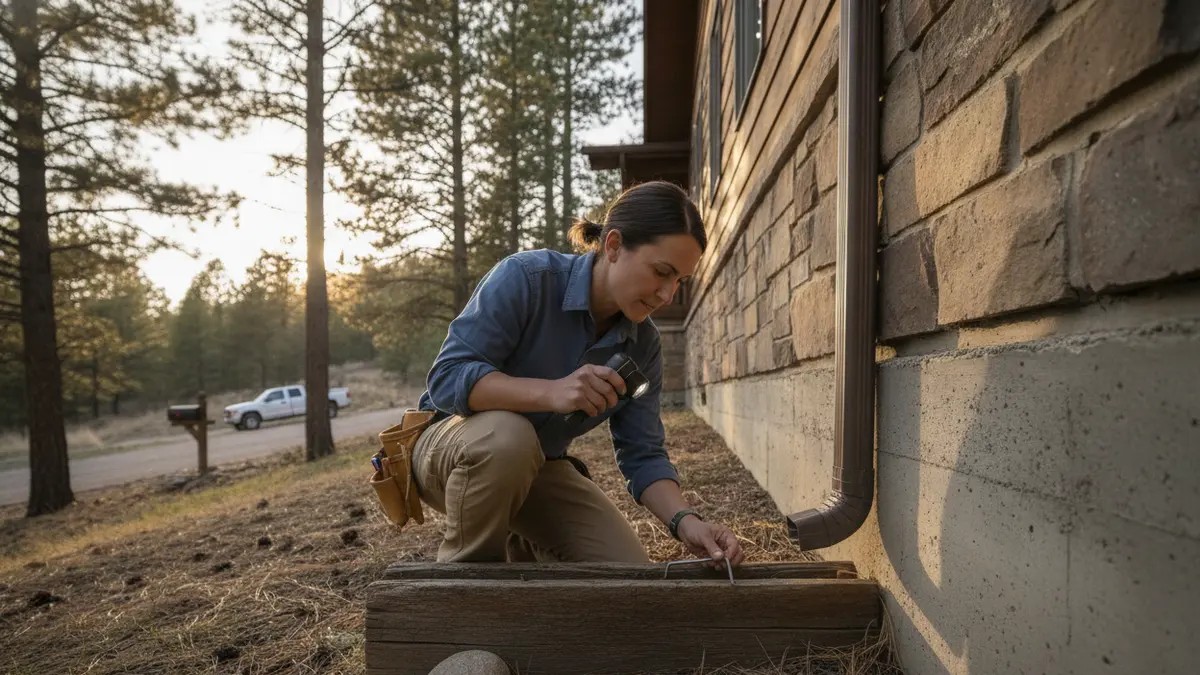
A useful inspection connects evidence to a treatment recommendation. The inspector should identify the suspected termite type, document where activity or damage appears, look for conditions that may contribute to access, and consider how the structure is built. If evidence is limited to one accessible area, a whole-home approach may not be necessary. If the activity is widespread or difficult to reach, the professional can explain why broader treatment is being considered.
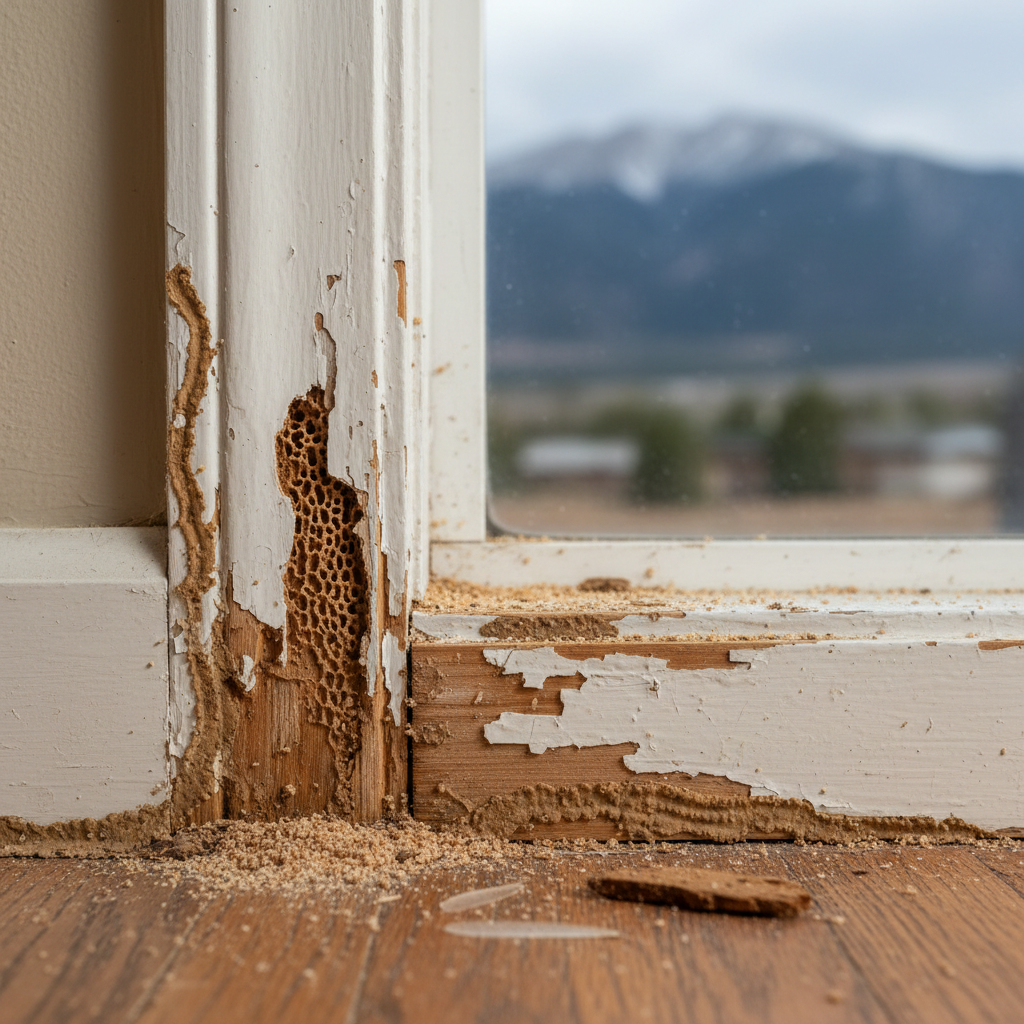
Ask the inspector to distinguish active evidence from old damage. Mud tubes, damaged or hollow-sounding wood, discarded wings, and visible insects can prompt closer evaluation, but a single clue does not establish the full extent or species. If the inspector cannot verify activity, ask what additional evidence or follow-up would resolve the uncertainty.
An inspection is also a chance to discuss access limits. Finished walls, stored belongings, additions, crawlspaces, and attached structures can affect what is visible and what can be reached. Ask which areas were inspected directly, which could not be accessed, and whether the findings represent a confirmed infestation or a concern needing more investigation. Clear notes help you compare proposals on the same basis.
- Request a written description of the evidence and the areas inspected.
- Ask which termite type is suspected or confirmed, and how it was identified.
- Ask whether the recommendation targets a localized area, the soil or foundation, or the whole structure.
- Find out what the plan does not cover, including repairs and future prevention.
A practical way to use the inspection report is to mark each finding on a simple floor plan. Note the room, wall, foundation side, and whether the area was directly visible. For example, “possible activity near the basement sill on the east wall” is more useful than “termites in basement.” This level of detail helps a second inspector assess the same concern and makes it easier to see whether two proposals address the same locations.
Also ask how the inspector reached the conclusion. Was there a live insect, a recognizable tube, or only older wood damage? If the evidence is indirect, request that the report say so. A careful provider can separate confirmed observations from likely explanations, then explain what further inspection or monitoring would add. That distinction keeps a homeowner from treating uncertainty as proof of a whole-house infestation.
How do tenting and other termite approaches compare?
There is no one-size-fits-all comparison. The appropriate option depends on the findings and the building. Use this table as a discussion guide, not as a substitute for an on-site evaluation or a quote.
| Approach | When it may be discussed | Key homeowner consideration |
|---|---|---|
| Whole-structure fumigation (tenting) | When the identified pest and extent of activity make broad treatment a reasonable option | Requires major preparation, temporary vacancy, controlled application, and clearance before re-entry |
| Localized or spot treatment | When evidence is limited and accessible enough for a targeted approach | Ask how the provider will address activity beyond the treated spot if more is found |
| Subterranean termite management | When inspection indicates termites entering from or traveling through soil or foundation routes | Ask what areas are treated, how monitoring or follow-up works, and what protection is included |
| Monitoring and prevention | When appropriate after assessment, or as part of an ongoing plan | Clarify that monitoring is not the same as eliminating an active infestation |
Beeline provides termite control in Aurora and serves Front Range homeowners. A professional can explain which service fits the specific property; do not assume that a service page or general article replaces an inspection.
When comparing two plans, look beyond the name of the method. One proposal may address a limited area and include a follow-up visit; another may cover a broader area but exclude repairs. Confirm how the provider defines success, what observation or monitoring is expected afterward, and whether new signs trigger a return inspection or a separate estimate. Written scope makes these differences easier to see.
For a fair comparison, put each proposal side by side and check the same questions: pest identified, locations covered, treatment boundaries, preparation responsibilities, occupancy restrictions, follow-up, and exclusions. If one quote is brief, ask for the missing information instead of assuming it is included. A lower or higher figure alone does not tell you whether the plans cover equivalent work. The separate guide to Colorado termite treatment cost factors can help frame cost questions, but the actual estimate depends on inspection findings and property conditions.
Request a termite service estimate
What should homeowners ask before choosing fumigation?
Before committing, ask for clear answers about the scope, schedule, safety steps, and follow-up. A reputable provider should be willing to explain the process in plain language and put the treatment details in writing.
- What did the inspection find? Ask for the pest identification, locations, and evidence supporting the recommendation.
- Why is tenting more suitable than other options? Ask the provider to compare realistic alternatives for this particular structure.
- What must leave or be prepared? Request the complete written checklist for people, pets, food, plants, medications, and other belongings. Follow the product-specific directions.
- How long will occupants be out? Get the expected schedule and the exact clearance process. Never re-enter until authorized by the treating professional.
- What is included in the written estimate? Confirm treatment scope, preparation responsibilities, any follow-up, and exclusions. Do not rely on a verbal promise.
- What happens after treatment? Ask about inspection, monitoring, prevention recommendations, and how new evidence should be reported.
It can help to write your questions down before an estimate appointment. Ask the provider to explain unfamiliar terms and to identify any decisions you need to make before treatment day. If instructions conflict with something you were told elsewhere, pause and ask the treating professional to clarify the current product label and written plan rather than guessing.
For more context on recognizing warning signs, see Beeline’s guide to signs of termites in Colorado homes. Those signs are prompts to get an inspection, not a way to diagnose the species or choose fumigation on your own.
How can you prepare for a termite inspection?
Make access as easy as possible. Note where you saw possible signs and when you first noticed them. Move stored items away from the foundation, basement edges, or other areas the inspector needs to see, if it is safe and practical. Do not scrape away tubes or discard suspected wings before documenting them; a clear photo and location can help the professional understand what prompted the visit.
Write down any past termite or pest treatments, repairs, water leaks, or renovations you know about. These details can give an inspector useful context, especially if a previous owner handled the property. Share what you have, but do not assume an old treatment covered areas that are now showing signs.
Avoid applying store-bought products over suspected activity immediately before an inspection. Treatment may obscure evidence or complicate assessment. If you have already used a product, tell the inspector what it was and where it was applied. Keep children and pets away from any treated area according to product directions.
Here is a simple preparation sequence for the appointment:
- Take a photo of the suspected sign from a distance, then a closer image if safe.
- Write down the date and location, plus whether the sign has changed since you first noticed it.
- Clear a path to accessible basement edges, crawlspace entries, and exterior foundation areas without moving heavy or unsafe items.
- Collect records of past pest treatments, repairs, and moisture problems.
- Keep the photos and notes available so you can review the findings with the inspector.
You do not need to open walls or disturb suspected activity to prepare. The goal is to preserve useful clues and make reachable areas visible, not to perform your own inspection. If an area is unsafe, inaccessible, or behind a finish, simply tell the inspector and ask whether another method of evaluation is appropriate.
What should a fumigation plan explain?
A complete plan should leave you able to describe the treatment in your own words: what pest is being targeted, which areas are covered, what preparation is required, how the home is secured, and who determines that re-entry is permitted. If a proposal only names a method without explaining these items, ask for a written clarification before scheduling.
Preparation should be specific to the product and the property. Do not rely on a generic online checklist to decide how to handle food, medicines, houseplants, aquariums, or sensitive items. Get the treating professional’s written instructions and ask about anything unusual in your household, such as medical equipment or a pet enclosure. Follow the directions exactly, and confirm who to contact if a preparation step cannot be completed.
Also clarify logistics. Ask how access will be coordinated, what happens if weather or another condition delays the work, how you will receive clearance information, and what documentation you will get afterward. Do not plan return travel or occupancy around an assumed number of hours; use the actual schedule and authorization provided for your job.
It is reasonable to ask for a written timeline with the decision points clearly separated: preparation deadline, treatment start, expected vacancy period, inspection or clearance step, and notification that re-entry is allowed. The exact duration can vary with the plan and conditions, so do not use another homeowner’s schedule as a substitute. Before you sign, make sure you know who answers questions on treatment day and what to do if a household member cannot complete a required preparation step.
Finally, keep copies of the proposal, preparation checklist, completion paperwork, and any follow-up instructions together. If you sell the home or arrange later repairs, these records can help explain what work was done and what it covered. They are not a substitute for future inspections, but they give you a clear history rather than relying on memory.
Colorado homeowners can also review the state’s pesticide regulations and termite-work context while discussing licensing and qualifications. Ask the provider directly which credentials and experience apply to the work being proposed.
Frequently asked questions about termite treatment tenting
Does every termite infestation require tenting?
No. Tenting is one possible method, not a universal requirement. The termite type, extent and location of activity, and building conditions guide the recommendation.
Will tenting repair termite damage?
No. Treatment does not rebuild damaged wood or correct the conditions that allowed access. Ask separately about repairs and practical prevention steps.
Can my family and pets stay in the home during fumigation?
Occupants and pets must follow the treating professional’s preparation and evacuation instructions. Re-entry is only appropriate after the required clearance process is complete and the provider authorizes it.
Is tenting the same as treating subterranean termites?
Not necessarily. Subterranean termite management may involve addressing routes connected to soil or the foundation. Inspection findings determine which approach should be discussed.
What is the first step if I suspect termites?
Arrange a professional inspection and share the location and appearance of the evidence. Ask for a written explanation of the findings before deciding on treatment.
Choose treatment based on evidence, not assumptions
Termite treatment tenting may be relevant for some properties, but it should follow a careful inspection and a clear explanation of alternatives. Understand what the plan covers, what preparation is required, and what follow-up is recommended. With those answers in hand, you can choose a response that fits your Colorado home and the evidence found there.
Get Your Free Pest Control Quote in Aurora, CO
Are pests causing trouble in your Aurora home? Don't wait! Fill out our quick form below to tell us about your pest concerns. Our friendly Beeline Pest Control experts will promptly call you back with a personalized, no-obligation quote to help you reclaim your peace of mind. Fast, effective pest solutions for your home!
More Blogs
Some other blogs you might be interested in