Signs of Termites in Colorado Homes: What to Look For
Learn the signs of termites in Colorado homes, how to tell termite evidence from lookalikes, and what Denver-area homeowners should do next.
Signs of Termites in Colorado Homes: What to Look ForTermites are easy to miss in Colorado. Much of their activity stays underground or inside wood. A small pile of shed wings, a narrow mud tube, or hollow-sounding wood is worth a closer look. No single clue proves an infestation.Call 303-586-5231 to discuss possible termite signs with Beeline Pest Control.
The most important signs of termites in colorado homes include indoor swarmers or discarded wings, shelter tubes along the foundation, and concealed wood damage. Colorado State University notes that subterranean termites are native to the state, even though structural damage is less common here than in wetter, warmer regions. An inspection can distinguish termite evidence from moisture damage, settling, or flying ants. For broader treatment and prevention context, see Beeline's Termite and Bed Bug Control in Colorado guide.
Start by understanding why termites can still affect Denver metro and Front Range homes. Moisture, soil, and wood can create access points.## Are termites common in Colorado homes?Yes, termites occur in Colorado homes, but structural damage is less common here than in wetter or warmer regions. Colorado State University reports that at least three subterranean termite species are native to the state. Lower prevalence does not mean a Denver-area home has no risk.The aridland subterranean termite is widespread below about 7,500 feet. The eastern subterranean termite usually causes structural damage in Colorado. These termites stay connected to soil and build earthen tubes toward wood sources. Colorado State University explains Colorado termite behavior.For Denver metro and Front Range homeowners, local moisture can matter more than a statewide average. Higher water tables have historically supplied moisture in areas with termite injury. Poor irrigation and downspouts near foundation walls can create similar conditions. Leaks and damp soil do not prove termites are present. They can make an area more favorable for activity.### What conditions can increase risk?Termites need access to both moisture and cellulose-based food. Buried wood, including old fence posts, tree stumps, firewood piles, and scraps, can provide food close to a structure. Direct wood-to-soil contact also creates a potential route into a building. Soil, mulch, or leaves touching siding, insulation, or wooden components can conceal that access point.A Colorado home can have termite risk even in a dry climate. Wet foundation soil, poor drainage, or wood touching ground deserves attention. These are risk factors, not confirmation. Shelter tubes, indoor swarmers, shed wings, and hidden wood damage should be evaluated together.In practical terms, termites are not an everyday problem for every Colorado homeowner, but they are a real possibility. Understanding the local conditions helps you take suspicious evidence seriously without assuming that every crack, damp spot, or insect is termite activity.## What are the early signs of termites in Colorado homes?
Early signs of termites in Colorado homes include indoor winged termites, piles of shed wings, mud shelter tubes, soil packed into cracks, and hollow-sounding wood. These clues can indicate termite activity, but one sign alone does not confirm an active infestation or identify the species.
Termites are easy to miss. Subterranean termites spend most of their lives underground or inside mud tubes and wood. The first clue may appear when swarmers emerge or when damage is found during a repair. Check several areas before deciding whether an inspection is appropriate.### Check for these visible clues- Winged termites indoors: Winged termites, also called swarmers or alates, are commonly produced in Colorado during spring or fall. Colorado State University Agricultural Biology states that winged termites found indoors indicate an infestation is present. Look near windows, doors, light sources, floors, and wall openings. Colorado State University explains termite swarm behavior and identification.
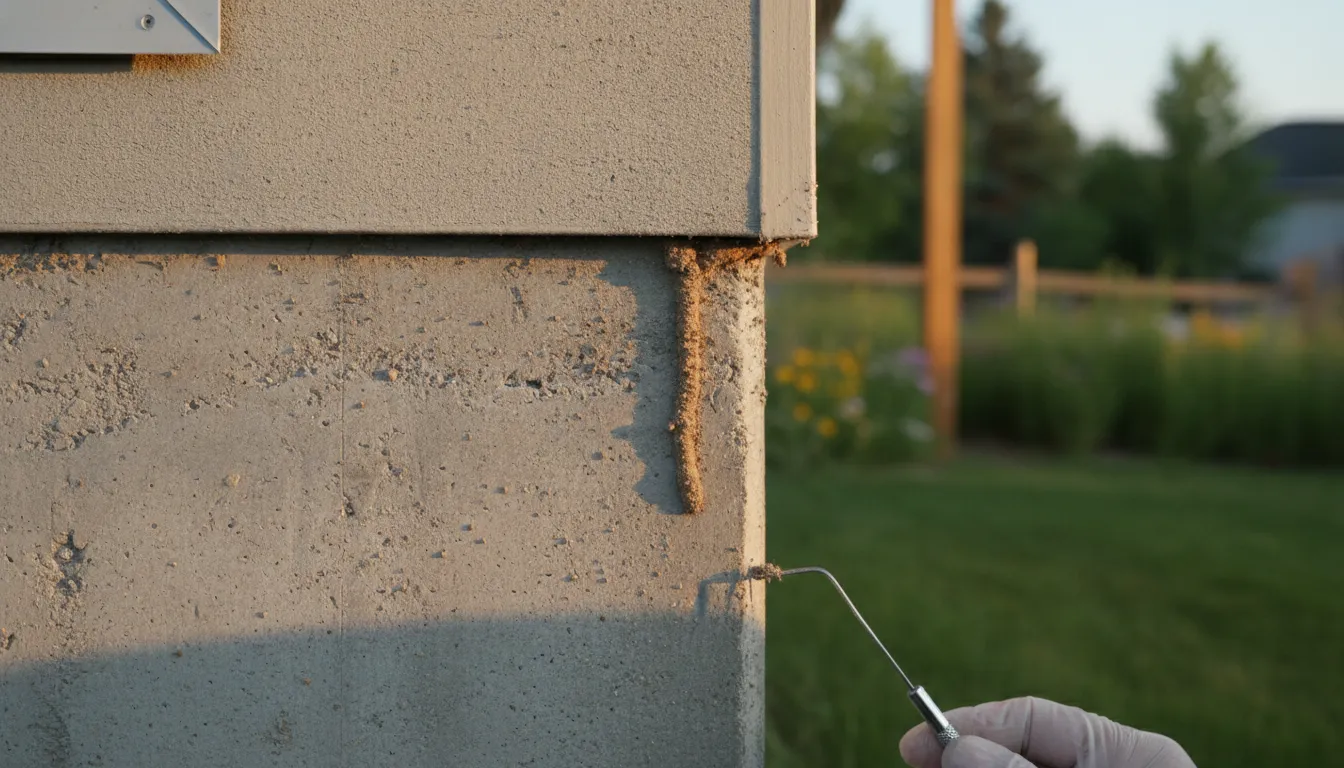
Mud shelter tubes: Inspect foundation walls, crawl spaces, exposed wood, and areas where the foundation meets soil. Shelter tubes are often about one-quarter inch wide, though they can be wider, and may run upward, along wood, or down from a ceiling. These earthen pathways help subterranean termites travel between soil and a food source.
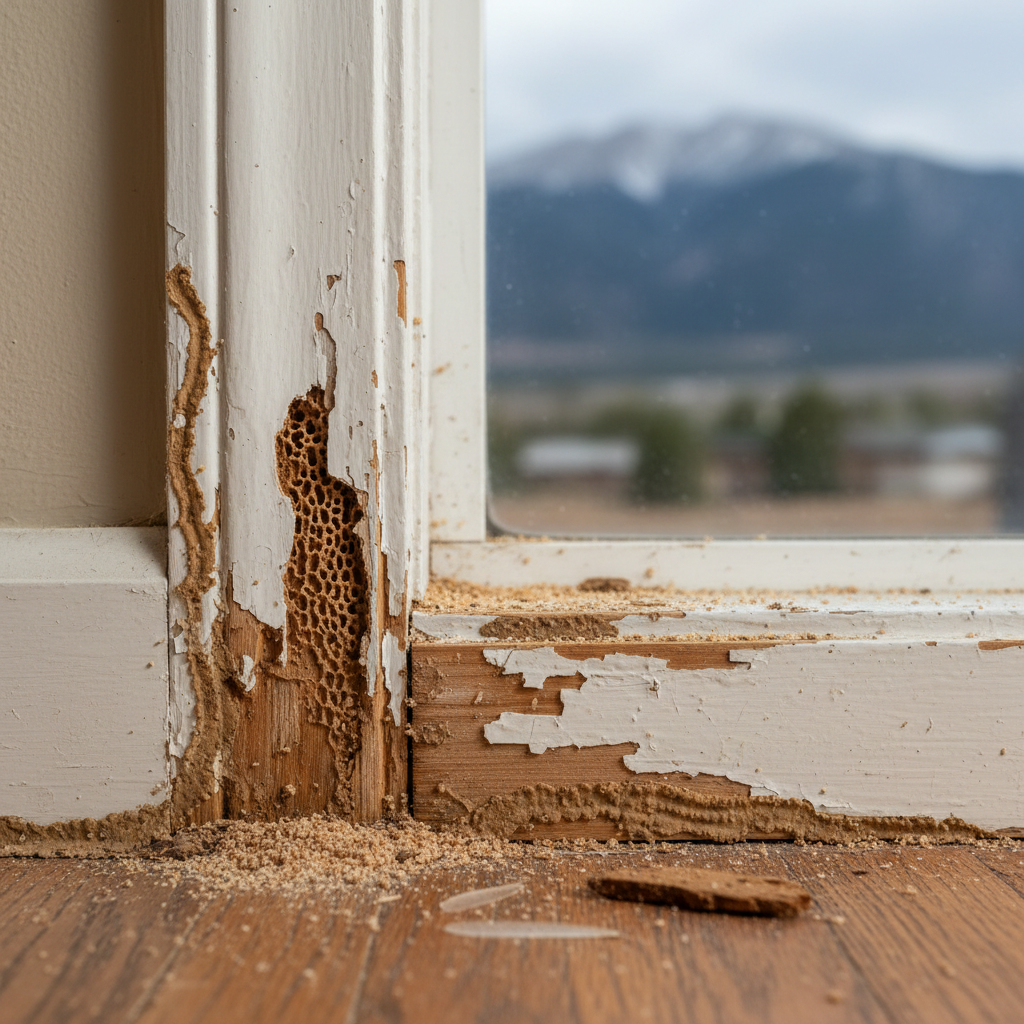
Hollow, blistered, or weakened wood: Probe exposed wood carefully for hollow spots, as the EPA recommends. Subterranean termites can tunnel inside wood while leaving an outer shell that still looks normal. Raised or blistered-looking surfaces, soft areas, and wood that sounds hollow deserve attention, especially near moisture or foundation access points. Do not rely on surface appearance alone.
Soil packed into cracks and crevices: Small amounts of soil or earthen material in foundation cracks, joints, or concealed gaps can be another inspection clue. Photograph the location and note whether it connects to a tube, damaged wood, or an area with moisture.### Why one clue is not a final diagnosisIndoor swarmers are a strong reason to investigate, but killing the visible insects does not eliminate the colony that produced them. Swarmers found outside near a foundation may or may not mean the building is infested. Likewise, hollow wood can result from other damage, and a broken or abandoned tube does not show whether activity is current. An inspection should consider the location, condition, moisture patterns, entry points, and whether multiple signs occur together.Keep photographs, a sample of shed wings if available, and notes about when and where you noticed the evidence. Avoid opening walls or aggressively removing suspected tubes before the area can be evaluated. The EPA's guidance on identifying and controlling termites recommends examining exposed wood for hollow spots, while suspected infestations should be assessed by a qualified pest professional.## What do termite mud tubes and frass look like?Some of the clearest signs of termites in Colorado homes are physical traces along foundations, wood, and other sheltered surfaces. Mud tubes, sometimes called shelter tubes, look like narrow lines or raised tunnels made from soil and termite-produced material. They may run upward on a foundation, follow exposed wood, cross a crack, or hang down from a ceiling. University of Maryland Extension describes typical tubes as about one-quarter inch wide, although some are wider.Subterranean termites use these covered paths to travel between soil and a food source while protecting themselves from exposure. A tube does not, by itself, prove that active termites are still inside. However, a fresh-looking tube, repeated soil packed into a crack, or tubes in several connected areas deserves professional evaluation. Colorado State University explains that subterranean termites generally maintain contact with soil and build earthen tubes to reach wood.
SignWhere to lookWhat it may meanMud or shelter tubeFoundation, crawl space, exposed wood, ceilingA protected termite travel route; inspect for activity and entry points.Soil packed into cracksFoundation joints, masonry gaps, or wood crevicesPossible termite construction or concealed access; not a species confirmation.Frass or gritty materialBelow damaged wood, trim, window areas, or small openingsMay indicate insect activity, but the material can be mistaken for ordinary debris.Shed wingsWindowsills, floors, lighted areas, or near doorsA possible swarm clue, especially when found indoors; an inspection can identify the source.
Frass is a general term for insect waste or expelled material. Dry, pellet-like piles are more often associated with drywood termites than subterranean termite shelter tubes, and loose sawdust can also come from other insects or wood damage. Treat it as a clue, not a diagnosis. The location, texture, nearby moisture, and condition of the wood all matter.Take clear, close photographs from several angles before scraping, breaking, vacuuming, or spraying the evidence. Include a wider image showing where the clue sits in relation to the foundation or room. Aggressively disturbing a tube or debris pile can remove useful information and will not resolve any hidden activity. A professional can then compare the evidence with concealed damage, moisture conditions, and possible entry points. Sources: University of Maryland Extension and Colorado State University.## How can you tell termites from flying ants and other damage?Winged insects around a window or light can be alarming, but a quick visual check can help separate termites from flying ants. Termites have straight, bead-like antennae, a broad waist, and two pairs of wings that are roughly equal in size. Flying ants have bent antennae, a noticeably pinched waist, and front wings that are longer than their hind wings. These differences are useful clues, not a species confirmation, especially when the insect is small, damaged, or viewed briefly.### Check the insect, then check where you found itLook closely at any insect or shed wings before discarding them, and take a clear photograph beside a common object for scale. Winged termites, also called swarmers, may appear in large numbers during spring or fall. Colorado State University notes that winged termites found indoors indicate an infestation is present. Swarmers outside near a foundation may or may not mean the building itself is infested, but either situation deserves further investigation. Sources: Colorado State University Agricultural Biology and Mississippi State University Extension.### Why wood damage can be misleadingNot every soft, cracked, warped, or discolored board has termite damage behind it. Plumbing leaks, roof leaks, condensation, poor ventilation, seasonal movement, settling, and ordinary aging can all change the appearance of wood. Moisture can also weaken or discolor wood without any insect activity. Conversely, subterranean termites can tunnel inside wood while leaving an outer shell that looks normal, so clean-looking surfaces do not rule them out. The University of Maryland Extension explains that hidden galleries may require closer inspection rather than a surface-only judgment.Pay attention to the combination of clues. Mud or shelter tubes along a foundation, exposed wood, or a ceiling; soil packed into cracks. Piles of shed wings; and hollow areas in exposed wood are more meaningful together than any single crack or stain. The U.S. Environmental Protection Agency recommends probing exposed wood for hollow spots, but avoid tearing into finishes or removing suspected evidence before it can be documented. A professional inspection can compare insect anatomy, moisture conditions, construction details, and accessible wood. That is the safest way to interpret possible signs of termites in Colorado homes without mistaking a lookalike problem for a confirmed infestation.## What should Colorado homeowners do after finding termite signs?Seeing wings, mud, or damaged wood can be unsettling, but one clue does not always reveal the full situation. Use the evidence to guide a careful next step rather than trying to diagnose or treat the problem immediately.1) Document what you found. Take clear photos of the insects, shed wings, mud tubes, damaged wood, or the exact location of the evidence. Note when you noticed it and whether it appeared indoors, along the foundation, in a crawl space, or near a porch or addition. If you find swarmers outside, record their location as well. Outdoor activity may or may not mean the building is infested, but it deserves further investigation.
Avoid disturbing hidden evidence. Do not scrape away a mud tube, open a wall, or rely on an instant-kill spray as a solution. Killing visible swarmers does not eliminate the colony that produced them. Subterranean termites can tunnel inside wood while leaving an outer surface that looks normal, so removing the visible clue may make a professional assessment harder.
Check moisture and access conditions. Look for leaking pipes, roof or gutter problems, poor downspout drainage, condensation, irrigation that collects near the foundation, and persistently damp wood. Also note soil, mulch, leaves, siding, or insulation touching wooden parts of the home. These conditions can create moisture or access routes that matter during an inspection. Avoid making major repairs before documenting the area, but address an active leak promptly.
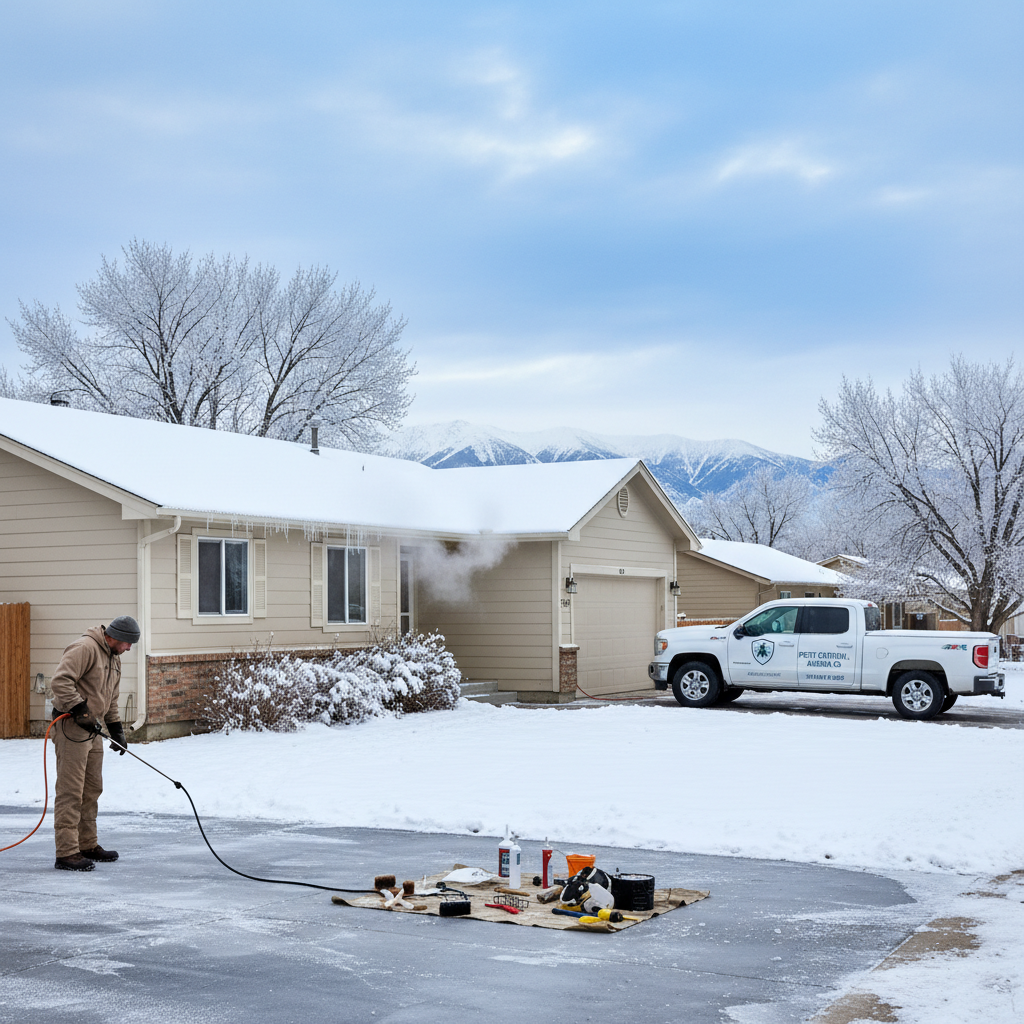
Arrange a professional inspection. A trained pest professional can evaluate the evidence, accessible areas, moisture conditions, entry points, and possible damage. Beeline's professional termite inspection options provide a starting point for Denver metro and Front Range homeowners. For a broader overview of termite and bed bug detection, treatment, and prevention, review Beeline's Termite and Bed Bug Control in Colorado guide. An inspection is the appropriate next step for suspected or confirmed activity, not a promise that every suspicious mark is termite damage.
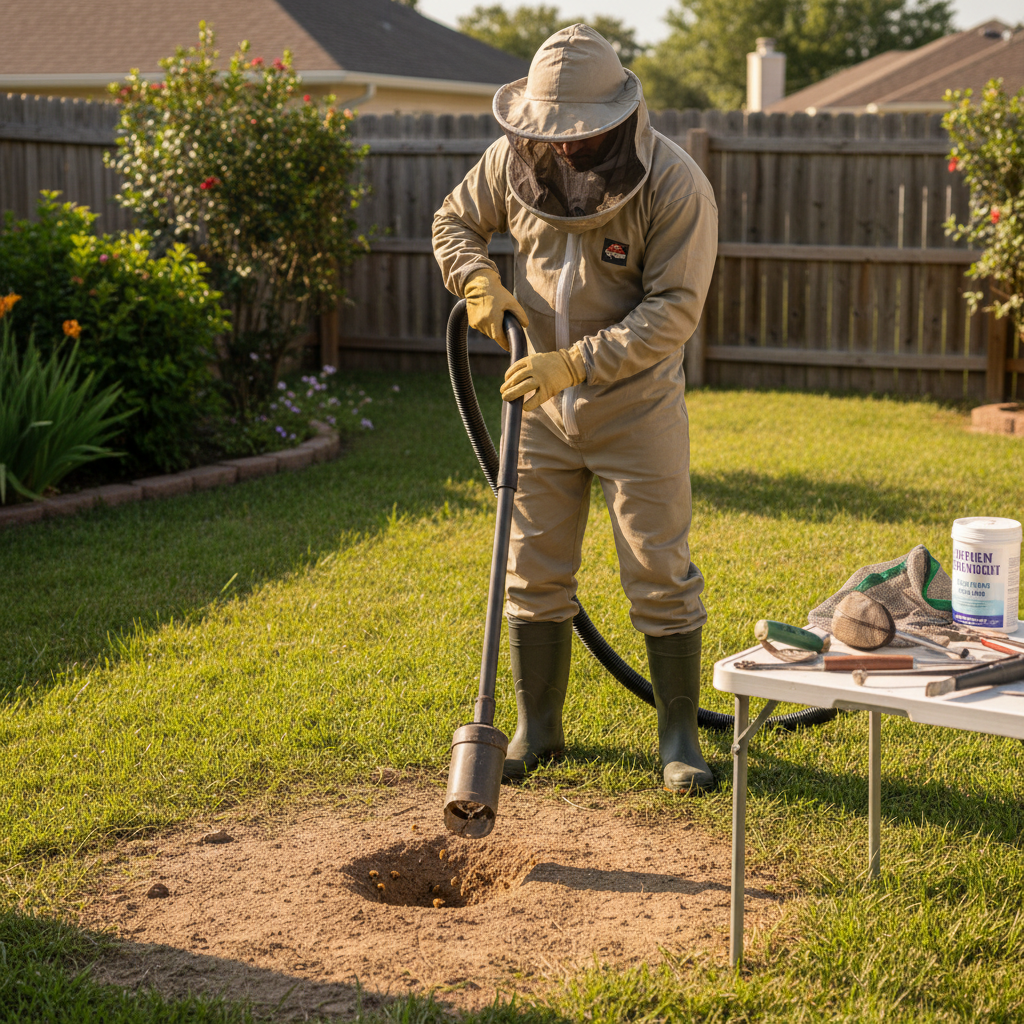
Follow the plan that matches the findings. The right response depends on what the inspection identifies, where activity is located, and which conditions are supporting it. Ask what was observed, what requires correction, and how treatment or monitoring would address the situation. Then follow through on moisture repairs, drainage improvements, removal of nearby wood or debris, and any professional treatment or follow-up that is recommended.Call 303-586-5231 to discuss termite signs and your next step.## How can you reduce termite risk around a Colorado home?Prevention starts with making the area around your home less attractive and less accessible to subterranean termites. Colorado State University identifies excess moisture, buried wood, and direct wood-to-soil contact as important conditions that can increase risk. A few regular checks can help you spot and correct those conditions before they become larger concerns.- Control water near the foundation. Check that the soil slopes away from the house, gutters are clear, and downspouts discharge away from foundation walls. Poorly directed irrigation and drainage can keep foundation soil damp. The EPA also recommends maintaining grading, drainage, gutters, and downspouts to help keep foundation soil dry. Read the EPA's termite prevention guidance.
Fix leaks promptly. Inspect hose bibs, plumbing, roofs, crawl spaces, and air-conditioning drainage for moisture. Moist wood is a major conducive condition for termite activity, and water can collect against foundations because of leaks, condensation, or excessive irrigation.
Separate wood from soil and mulch. Look for siding, trim, framing, or other wooden components touching soil, mulch, or leaf buildup. Clear that contact where practical, and keep an eye on areas where grading or landscaping hides the foundation.
Remove nearby wood sources. Move firewood away from the structure, and remove stumps, buried scrap wood, and untreated fence posts near the home. These materials can provide food sources outside the building.
Close accessible gaps. Seal visible foundation cracks and openings around utility penetrations with an appropriate material. These openings can give termites a route into the structure, so include them in seasonal exterior checks.
Observe routinely. Walk the foundation and crawl-space areas when safe to do so. Watch for shelter tubes, soil packed into cracks, damp wood, or piles of shed wings. A single clue does not prove an active infestation, but unusual evidence deserves a closer look.For related local protection guidance, see Beeline's Aurora termite protection tips. It is a companion resource, not a substitute for evaluating the specific conditions around your home.Call 303-586-5231 for help evaluating possible termite activity.## Frequently Asked Questions### Should Colorado homeowners be concerned about termites?Yes, although structural termite damage is less common in Colorado than in wetter or warmer parts of the country. At least three subterranean termite species are native to Colorado, and local moisture, wood-to-soil contact, or foundation access points can increase risk. Colorado State University explains the local risk factors.### What is the first clue that termites may be active indoors?Indoor swarmers or piles of shed wings are important clues, especially in spring or fall. Winged termites found indoors indicate an infestation, but killing the visible insects does not eliminate the colony. Save a sample or photograph and arrange an inspection.### Are termite droppings the same as sawdust?Not necessarily. Small piles of pellet-like material may be termite droppings, while sawdust can come from other wood-boring insects or ordinary damage. Because appearance alone can mislead, document the material and have the surrounding wood and structure evaluated.### What can look like termite damage?Moisture damage, settling, carpenter ants, and other wood-boring insects can produce similar clues. Termites may tunnel inside wood while leaving the outer shell looking normal, so a surface check cannot always rule them in or out. The EPA recommends examining exposed wood for hollow spots as part of identification.### What should I do after finding possible termite evidence?Photograph the evidence, avoid disturbing or sealing the area, and check for leaks or excess moisture near the foundation. Then arrange a professional inspection. The findings can identify whether termites are present and guide a treatment and prevention plan suited to the property.## Ready to take the next step?Finding possible termite signs can leave you with questions, but an inspection can help separate a concern from confirmed activity and clarify what to do next. If you have noticed evidence in your Denver-area home, call Beeline Pest Control at 303-586-5231 to discuss the signs and request inspection guidance.
Get Your Free Pest Control Quote for Your Aurora Home!
Ready to banish unwanted pests from your Aurora home? Fill out our quick form! A friendly expert from Beeline Pest Control will reach out to understand your unique pest problem and provide a personalized, no-obligation quote. Say goodbye to bugs and rodents and reclaim your comfortable home today!