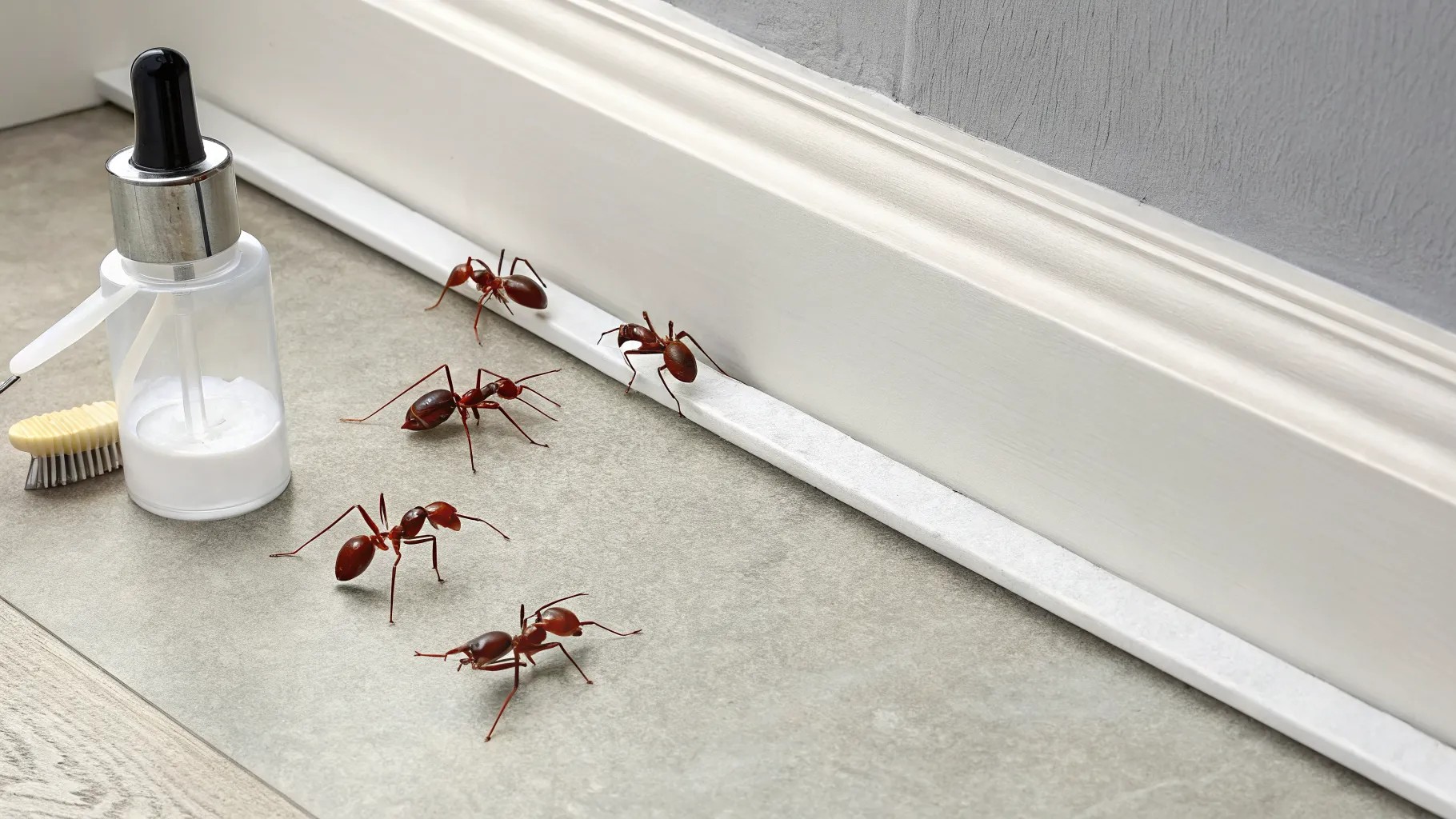
The Red Ant Exterminator Guide: DIY & Professional Tips
Find out how a red ant exterminator tackles infestations and get practical DIY tips to remove red ants from your home and yard for good.
Have you ever spent a weekend trying to get rid of red ants, only to see a new mound pop up a week later? It’s a frustrating cycle many homeowners know all too well. Store-bought sprays and home remedies can sometimes feel like a temporary fix for a permanent problem. The key to success is understanding why certain methods work and others fail. This article breaks down the science behind effective ant control. We’ll explain the difference between killing the ants you see and eliminating the entire colony, including the queen. You’ll learn about DIY strategies that target the source of the problem and get clear guidance on when to stop wasting time and money and call a professional red ant exterminator. If the infestation keeps returning, working with an expert in pest control in Denver can help eliminate the colony at its source and prevent future outbreaks.
Key Takeaways
- Recognize the danger of red ant stings: The painful, burning sting that develops into a white blister is a key sign of fire ants. Since these stings can cause severe allergic reactions or infections, proper identification is crucial for your safety.
- Target the queen for complete removal: Quick fixes like pouring liquids on a mound often miss the queen, allowing the colony to recover. For a permanent solution, use slow-acting baits that worker ants carry back to the nest, ensuring the entire colony is eliminated from the inside out.
- Cut off access to food and shelter: Make your home less inviting by sealing cracks in the foundation, storing food in airtight containers, and keeping your yard free of debris. A clean, sealed home is your best defense against a new infestation.
How to Identify Red Ants
Before you can tackle an ant problem, you need to be sure about what you’re dealing with. Not all red-colored ants are the same, and proper identification is the first step toward finding the right solution. Knowing what red ants look like, where they build their nests, and understanding some common facts about them will help you choose the most effective treatment plan for your home and yard. Let's get familiar with these common pests so you can get rid of them for good.
What Do Red Ants Look Like?
When people talk about red ants, they're often referring to fire ants. These ants are known for their reddish-brown color and small size, typically ranging from about 1.6 to 5 millimeters long. Like other insects, they have six legs and a hard outer shell, or exoskeleton. The most notable feature of a fire ant is the stinger at the rear of its body, which it uses to deliver a painful sting. If you see small, reddish ants that seem aggressive when disturbed, you're likely looking at fire ants.
Spotting Red Ant Nests and Mounds
The most obvious sign of a red ant infestation is the mound they build. Outdoors, look for fluffy mounds of soil in your yard, often in sunny, open areas. These nests can grow surprisingly large, sometimes reaching up to two feet wide and seven inches tall. You might also spot small piles of dirt near your home’s foundation or see clear trails of ants marching around. Indoors, red ants tend to seek out moisture. Check for them near kitchen sinks, in bathrooms, or around your air conditioning unit. Finding these entry points and nests is key to stopping the problem at its source.
Common Myths About Red Ants
It’s a common belief that all red ants are native fire ants from the southern United States, but that isn't always true. Some species, like the European fire ant, have made their way to other regions and can withstand colder climates. These ants are also red and deliver a painful sting, leading to frequent misidentification. While many people use "red ant" and "fire ant" interchangeably, it's helpful to know that you could be dealing with different red ant species depending on your location. Regardless of the specific type, their aggressive nature and painful stings make them an unwelcome guest in any home.
Are Red Ant Stings Dangerous?
Yes, red ant stings can be dangerous. The term "red ant" is often used to describe fire ants, a species notorious for its aggressive behavior and painful stings. Unlike some insects that bite or sting once, fire ants are relentless. If their mound is disturbed, they will swarm and sting an intruder repeatedly, injecting a toxic venom. For most people, this results in immediate pain and discomfort. However, for some, the consequences can be much more severe.
The danger isn't just limited to humans. These ants pose a significant threat to pets and young wildlife, who can suffer from multiple stings that lead to serious injury or even death. The primary concerns with red ant stings are the initial pain, the potential for a severe allergic reaction, and the risk of a secondary infection. Understanding these risks is the first step in protecting yourself and your family. Below, we’ll cover the specific symptoms to watch for, how to recognize a medical emergency, and what you can do to prevent complications after a sting.
Symptoms of a Red Ant Sting
The first thing you'll notice from a red ant sting is a sharp, burning pain, which is how fire ants earned their name. A red, swollen welt will form around the sting site almost immediately. Within a day or so, this welt typically develops into a small blister or a white, pimple-like pustule. It’s important not to pop this pustule, as that can lead to infection. Because fire ants attack in groups, it's common to have a cluster of stings in one area. The initial pain usually subsides, but the area will likely remain itchy and irritated for several days. You can find more information on first aid for bites and stings from medical professionals.
Allergic Reactions: When to Get Medical Help
While most people only experience localized pain and itching, some can have a serious allergic reaction to the venom. This type of reaction, called anaphylaxis, is a medical emergency that requires immediate attention. If you or someone else experiences symptoms like difficulty breathing, swelling of the face, lips, or throat, dizziness, confusion, or hives that spread far from the sting site, call 911 right away. These symptoms can develop rapidly and become life-threatening. People with a known allergy to insect stings should always carry an epinephrine auto-injector (EpiPen) and know how to use it. Even if an auto-injector is used, you should still seek emergency medical care.
Understanding Infection Risks from Stings
Even if you don't have an allergic reaction, the sting site can still become a problem. The pustules that form are often very itchy, and scratching them can break the skin. This creates an open wound that allows bacteria to enter, leading to a secondary infection. Signs of infection include increased redness, swelling, pain, warmth around the area, or pus draining from the site. To prevent this, gently wash the stings with soap and water, apply a cold compress to reduce swelling, and use an over-the-counter hydrocortisone cream or antihistamine to control the itch. Remind children not to scratch, and keep an eye on pets who may lick or bite at their stings.
How to Get Rid of Red Ants for Good
Once you’ve confirmed you have a red ant problem, it’s time to take action. You can handle these pests with a few effective DIY methods or by calling in a professional for a more powerful solution. Let's walk through your options so you can reclaim your yard.
Professional Extermination Methods
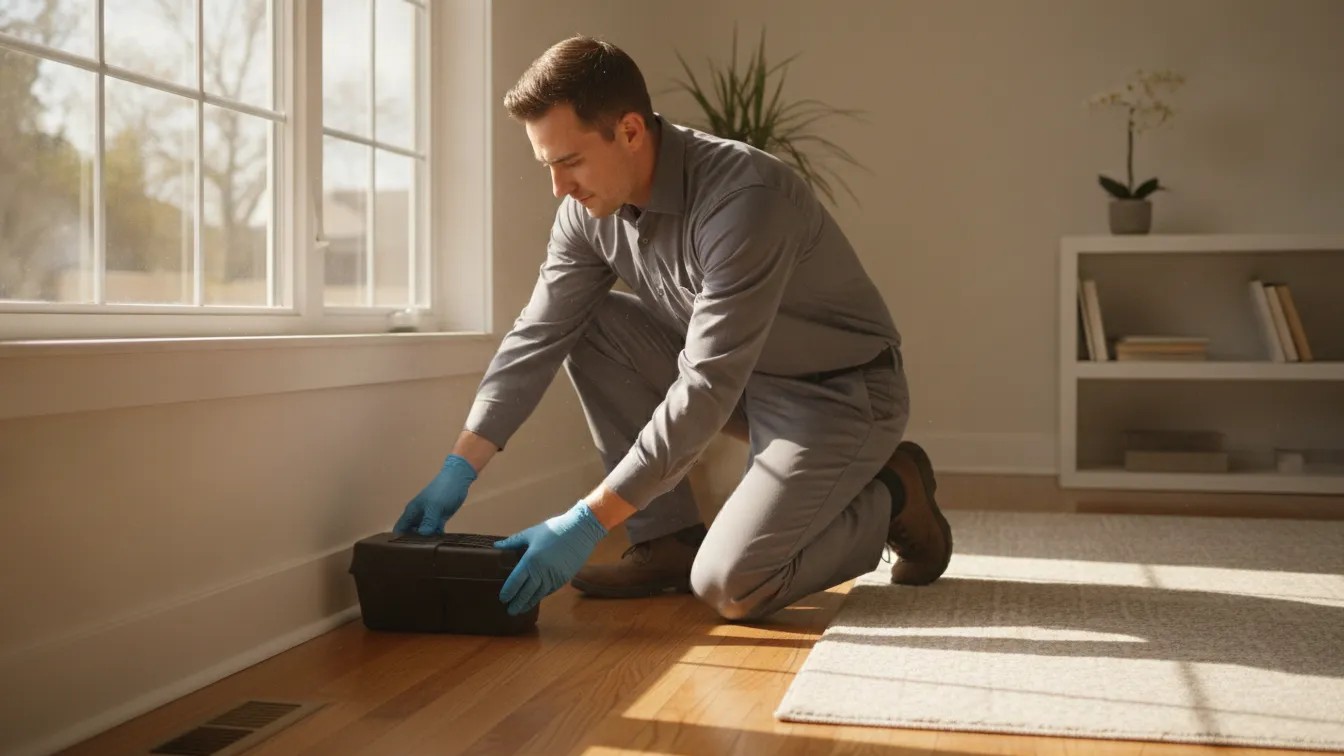
When you hire a professional, they start with a thorough inspection to locate nests and figure out the scale of your ant problem. Their treatment plan is usually multi-faceted. They might use granular baits spread across your lawn, which worker ants carry back to the colony. Another approach involves liquid insecticides, either sprayed directly on mounds or poured into the soil to drench deep nests and get the queen. These professional pest control methods are highly effective because they use targeted, potent products. The primary goal is always to eliminate the queen, because without her, the colony can’t survive. Professionals are also trained to apply these chemicals safely, protecting your family and pets.
DIY Solutions That Actually Work
If you prefer a non-toxic approach, a couple of household items can do the trick. One surprisingly effective method involves club soda. Simply pour about two cups directly into the center of an ant mound. The carbon dioxide in the soda is heavier than air, so it sinks into the nest, displaces the oxygen, and suffocates the colony. It’s a clean method that leaves no harmful residue. Another great option is plain cornmeal. Sprinkle it around mounds and along ant trails. The worker ants will carry it back to the nest as food. Since ants can’t digest cornmeal, it expands in their stomachs and kills them. Both of these DIY ant control ideas are safe for pets and gardens.
Baiting vs. Direct Treatments: Which Is Better?
Choosing between baits and direct treatments depends on your goal: a quick fix or a long-term solution. Direct treatments, like pouring boiling water or club soda on a mound, provide immediate results by killing the ants on contact. However, they often fail to reach the queen, who is buried deep within the nest. This means the colony can rebound and rebuild.
Baiting, on the other hand, is a slower but more thorough strategy. Baits are a mix of food attractants and a slow-acting poison. Worker ants find the bait, identify it as food, and carry it back to share with the entire colony, including the queen. This approach systematically eliminates the nest from the inside out, offering a more permanent solution to your ant problem.
When to Call a Professional Exterminator
Trying to handle a red ant problem on your own can be frustrating, especially when your efforts don't seem to make a dent. While DIY methods can work for small issues, there are times when bringing in a professional is the smartest, safest, and most effective choice. A professional can offer a more permanent solution, saving you time and giving you peace of mind. Knowing when to make that call is key to reclaiming your home and yard from these persistent pests. Check out how our team delivers pest control solutions.
Signs It's Time to Call for Help
It’s time to call in the pros when your ant problem feels out of control. If you notice ant mounds multiplying quickly in your yard or ants showing up in multiple rooms, that’s a clear sign of a larger infestation. You should also consider professional help if your home remedies just aren't working. Most importantly, if you or a family member has an allergy to insect stings, don't take any chances. The risk of a painful sting or a serious allergic reaction is a compelling reason to get rid of red ants with expert assistance.
The Benefits of Professional Pest Control
One of the biggest advantages of hiring an exterminator is their expertise and access to specialized tools. Pest control experts use commercial-grade products and methods that aren't available to the public. They can implement baiting systems designed to target the entire colony, including the queen, which is crucial for wiping out the problem at its source. Professionals are also trained to use chemical treatments safely, minimizing risks to your family and pets. Their knowledge ensures a more thorough and lasting result than most DIY approaches can offer.
What to Expect from a Pro Service (and What It Costs)
When an exterminator arrives, they’ll start with a detailed inspection to identify nests and assess the infestation. Based on their findings, they will create a treatment plan. This might involve spreading granules across your lawn, using targeted liquid sprays, or pouring a treatment directly into the soil to reach deep nests. The cost varies by property size and the severity of the problem, so it's best to get a quote upfront. It’s also good to know that treatments aren't always instant; it can take several weeks to completely get rid of fire ants, especially with a large infestation.
How to Keep Red Ants from Coming Back
Getting rid of an active red ant infestation is a huge relief, but the job isn’t quite done. To prevent a new colony from moving in, you’ll need to make your home and yard less inviting. A long-term prevention strategy involves cutting off their access to food, water, and shelter. By taking a few proactive steps, you can significantly reduce the chances of seeing those unwelcome red ants again. It’s all about creating an environment where they simply can’t thrive.
Create an Ant-Proof Yard
Your first line of defense starts in your yard. Making your outdoor space unattractive to red ants can stop an infestation before it ever reaches your door. Start by creating a physical barrier around your home’s foundation with a strip of gravel or crushed rock. Keep your lawn trimmed short and regularly clear away yard waste like leaf piles and grass clippings, as these offer perfect nesting spots. You should also manage your trash and compost areas carefully. Ensure trash cans have tight-fitting lids and keep compost piles away from the house to avoid providing an easy food source that draws ants closer to your home.
Seal Your Home and Store Food Securely
Even the most ant-proof yard won't stop a determined scout from finding a way inside. That’s why it’s crucial to seal up any potential entry points into your home. Take a walk around your property and fill any cracks or gaps in the foundation, walls, and around windows with caulk or filler. Pay close attention to where utility pipes and wires enter the house. Inside, remove their reason for visiting: food. Store all your food, from pantry staples to leftovers and even pet food, in airtight containers. A quick daily wipe-down of counters and floors to clean up crumbs and spills will also make a huge difference.
Tips for Early Detection
Catching a new ant problem early is the key to stopping it from becoming a full-blown infestation. Get in the habit of regularly checking for the first signs of red ant activity. When you’re outside, look for small, loose mounds of dirt in your lawn, along sidewalks, or near your home’s foundation. Inside, be extra vigilant in areas with moisture, like kitchens, bathrooms, and around air conditioning units. You might spot a few scout ants, a faint trail of them marching along a baseboard, or tiny piles of dirt pushed out from a crack in the wall. Spotting these clues early gives you the chance to act fast before the colony gets established.
Frequently Asked Questions
Are "red ants" and "fire ants" the same thing? People often use the terms interchangeably, and for good reason. Most of the aggressive, stinging red ants you'll find in your yard are a species of fire ant. However, there are other types of red-colored ants, so it's helpful to know that "red ant" is a general description while "fire ant" refers to a specific, and particularly troublesome, group known for their painful stings and large mounds.
I was just stung by a red ant. What's the first thing I should do? First, move away from the area quickly to avoid more stings, as they often attack in groups. Gently wash the site with soap and water to clean it. You can apply a cold compress to help with the initial pain and swelling. To manage the itchiness that follows, an over-the-counter hydrocortisone cream or an oral antihistamine can be very helpful. Just be sure not to scratch the blister that forms, as this can lead to an infection.
Are the DIY methods like club soda and cornmeal really safe for my pets and plants? Yes, they are some of the safest options available for your yard. Club soda works by suffocating the ants with carbon dioxide and leaves no harmful chemicals behind, so it won't damage your lawn or garden. Cornmeal is also non-toxic to plants, pets, and other wildlife. It only affects the ants that eat it, making it a great choice if you have curious pets or children playing in the yard.
Why do I need a professional if I can just treat the mounds I see? Treating the mounds you see often only takes care of the surface-level problem. The queen ant, who is responsible for the entire colony's survival, is located deep underground and is rarely affected by direct surface treatments. A professional uses strategic methods, like specialized baits and deep-soil applications, to ensure the queen is eliminated. This is the key to getting rid of the colony for good, not just for a few weeks.
I got rid of the ants, but they came back. What am I doing wrong? It's a common frustration, and it usually isn't about what you did wrong, but what might have been missed. If the queen wasn't eliminated, the colony can rebuild. It's also possible that a new colony moved in because your yard is an attractive spot for them. To prevent their return, focus on making your property less inviting by sealing cracks in your home's foundation, storing food securely, and keeping your yard free of debris where they could build new nests. If ants continue to return despite your efforts, professional pest control services can provide a comprehensive plan to remove colonies and stop reinfestation.
Get a Free Pest Control Quote for Your Aurora Home
Worried about pests in your Aurora, Colorado home? Get fast, reliable relief with a free, no-obligation quote from Beeline Pest Control! Simply tell us a little about your pest problem, and our expert team will call you back to discuss personalized solutions and help you reclaim your home. We make getting rid of pests easy!
More Blogs
Some other blogs you might be interested in