9 Best Cockroach Pest Control Methods That Work
Find the best cockroach pest control methods for your home. Get practical tips and proven solutions to eliminate roaches and keep them from coming back.
Few things feel as invasive as a cockroach infestation. It can make you feel like your home isn't your own. But you don't have to live with these unwanted guests. Taking back your space starts with understanding your opponent and choosing the right weapons. Many common methods fail because they don't address the root of the problem: the nest. This guide will walk you through everything you need to know to handle the issue with confidence. We’ll cover how to identify the scale of your problem, what to look for in a product, and how to apply treatments for maximum impact. Consider this your complete playbook for the best cockroach pest control.
Key Takeaways
- Focus on eliminating the entire colony, not just individual roaches: Use slow-acting baits and gels that pests carry back to their nests, which allows the poison to spread and target the infestation at its source.
- Create a multi-layered defense for lasting results: Don't rely on a single product. Combine different treatments, such as baits to kill the colony and traps to monitor high-traffic areas, to attack the problem from multiple angles.
- Make your home a no-go zone for roaches: The best long-term strategy is prevention. Regularly clean up food messes, store food in airtight containers, fix leaks, and seal cracks to remove the food, water, and shelter that roaches need to survive.
What Makes Cockroach Control Effective?
Getting rid of cockroaches for good is more than just a one-time spray. It's about having a smart strategy. Truly effective cockroach control comes down to a few key ideas: being precise, staying persistent, and understanding how these pests operate. It’s not about a single magic bullet, but a combination of methods that attack the problem from all sides.
The biggest mistake people make is only treating the roaches they see scurrying across the floor. The real problem is the nest you don't see. That's why products like baits are so effective. They contain a slow-acting poison mixed with food that roaches can't resist. A roach eats the bait, carries it back to its hiding spot, and shares it with the colony. This approach targets the infestation at its source, which is crucial for long-term success.
Cockroaches are incredibly resilient, so you have to be persistent. A single application of any product is rarely enough to solve the problem completely. You'll need to reapply treatments and monitor the situation. The method you choose also plays a role. While chemical treatments often work faster and are more potent for severe infestations, natural options can be valuable for prevention and minor issues if you're willing to apply them more frequently.
Another challenge is that cockroaches can develop resistance to certain chemicals over time. This is why a multi-faceted approach is so important. Professionals often rotate the active ingredients in their treatments to prevent roaches from adapting. While you might not be a pro, you can still think like one by using a combination of baits, traps, and sprays to keep them off-balance. Ultimately, effective control requires precision, persistence, and realistic expectations about what it takes to win the battle.
Your Guide to Cockroach Control Products
Walking down the pest control aisle can feel overwhelming. With so many options, how do you know what actually works? The right product often depends on the size of your infestation and where you’re seeing roaches. Let’s break down the main types of cockroach control products so you can choose the best tool for the job.
Baits and Gels
Think of baits as a Trojan horse for roaches. They contain a slow-acting poison mixed with a food source that roaches find irresistible. A roach eats the bait and carries the poison back to its hiding spot, where it spreads to others in the colony. This method is effective because it targets the entire nest, not just the roaches you see. Gels are a popular form of bait because you can squeeze them directly into the tiny cracks and crevices where roaches love to hide, a technique often used by pest control experts.
Sprays and Aerosols
When you see a roach, your first instinct might be to grab a can of bug spray. While instant-kill sprays offer immediate satisfaction, they often just scatter roaches into other parts of your home without addressing the root of the problem. Instead of solving the infestation, you might just be moving it. For a simple, non-toxic option, a homemade spray of dish soap and water can work in a pinch. The soapy mixture can suffocate roaches on contact without filling your home with harsh chemicals. Many homeowners have found success with this DIY approach.
Dusts and Powders
For larger or more persistent infestations, insecticidal dusts can be a powerful tool. Products containing boric acid are a common choice. The fine powder clings to a roach’s legs and antennae as it walks through it. Later, when the roach grooms itself, it ingests the poison. The key to using dusts effectively is to apply a very thin, barely visible layer in out-of-the-way places like behind appliances and under sinks. Proper cockroach elimination with dusts requires strategic application where roaches travel but where kids and pets can't reach.
Traps and Monitors
Sticky traps, like the classic Roach Motel, are excellent for monitoring a roach problem, but they won’t solve a full-blown infestation on their own. Their real value is in reconnaissance. By placing traps in areas where you suspect activity (under the sink, behind the fridge, in cabinets), you can confirm you have roaches and pinpoint their main hiding spots. This information is crucial for knowing the most effective places to put your baits and gels. Think of traps as your intelligence-gathering tool in the fight against roaches.
Top-Rated Brands for Cockroach Control
When you walk down the pest control aisle, the number of options can feel overwhelming. The truth is, different brands specialize in different types of treatments, from slow-acting baits to quick-kill sprays. Understanding what each brand does best can help you choose the right product for your specific situation. Let's look at some of the most trusted names in cockroach control and what makes their products effective. By picking a reputable brand, you're not just buying a product; you're investing in a solution that's been tested and proven to work, giving you a much better shot at winning the war against these pests.
Terro: Reliable Cockroach Solutions
Terro is a go-to brand for many homeowners, especially when it comes to bait stations. Their products, like the T500 Multi-Surface Roach Baits, are designed with smart features that make them incredibly effective. These small traps have clear tops, so you can see if roaches are taking the bait and know when it’s time for a replacement. They also come with adhesive pads, allowing you to place them on walls or under cabinets, right where roaches travel. The poison works slowly, which is actually a good thing. Roaches carry the bait back to their nest, sharing it with others and tackling the infestation at its source.
Advion: Professional-Grade Formulas
If you're looking for a professional-grade solution, Advion is a brand that consistently gets high marks. Their products are often used by pest control experts, and for good reason. The Advion Cockroach Bait Arenas are very similar to Terro's, featuring a see-through top and sticky pads for versatile placement. The main difference is that the top is slightly tinted, which can make it a little harder to see inside. Still, Advion's powerful formula is highly attractive to roaches and is known for its ability to control even tough infestations, making it a strong runner-up in the bait station category.
Combat: Household Pest Control
Combat offers a range of accessible and effective products, with their gel baits being a popular choice. The Combat Max Roach Killing Gel is a great alternative to other brands and is often a bit more budget-friendly. It works in the same way as other gel baits, attracting roaches to consume a poison they then carry back to the nest. The main drawback noted by users is the syringe applicator, which some find less precise or more difficult to use than the applicators from competing brands. However, if you're comfortable with the application, it's a reliable tool for targeting cracks and crevices where roaches hide.
Raid: Quick-Action Sprays
Raid is probably one of the most recognizable names in pest control, famous for its instant-kill sprays. While it can be satisfying to spray a roach and see it stop in its tracks, it's important to understand the limitations of these products. According to experts, aerosol sprays often just scare roaches into hiding deeper within your walls, scattering them to other parts of your home. They kill on contact but don't address the nest, which is the heart of the problem. Use these sprays for the occasional invader, but don't rely on them as your primary method for eliminating an entire infestation.
Hot Shot: Targeted Treatments
Hot Shot is another well-known brand that offers a variety of pest control solutions, including effective liquid baits. Products like the Hot Shot Ultra Liquid Roach Bait are designed to be highly attractive to roaches and can start killing them in a matter of hours. This fast-acting approach can be very helpful for quickly reducing the number of active roaches you see around your home. Liquid baits work well alongside longer-term solutions like bait stations, giving you both immediate results and lasting control over the population. This combination can be a powerful strategy for getting an infestation under control.
Chemical vs. Natural: Which Method is Right for You?
Deciding between chemical and natural cockroach control comes down to your priorities. Are you looking for a fast-acting solution to a major problem, or is your main concern the health and safety of your family and pets? Both approaches can be effective, but they work very differently. Understanding the pros and cons of each will help you choose the best strategy for your home. Let’s break down what you can expect from chemical and natural methods so you can make a confident choice.
The Speed and Power of Chemical Control
When you’re dealing with a serious roach problem, you want results, and you want them now. This is where chemical treatments shine. They are formulated to work quickly, providing immediate relief and stopping an infestation from spreading further throughout your home. If you’re seeing roaches frequently, a fast-acting chemical product can significantly reduce their numbers in a short amount of time. While speed is a major advantage, it’s always important to use these products exactly as directed to ensure they are both effective and safely applied in your living spaces.
Exploring Natural and Organic Alternatives
If you prefer a more eco-friendly approach, natural pest control methods are a great option. These solutions rely on non-toxic ingredients to manage pests without introducing harsh chemicals into your home or the environment. While they are gentler, they often take longer to show results and may require more consistent application. For natural methods to be truly effective, they work best when paired with excellent sanitation practices, like keeping your kitchen spotless and sealing up food sources. Remember that even natural products can require careful handling, so always read the label.
Safety First: Protecting Your Family and Pets
Your family’s well-being is the top priority, and it’s a major factor when choosing a pest control method. If you have children or pets, or if you’re concerned about the long-term effects of chemicals, a natural approach might be the right fit, especially for a less urgent pest issue. Keep in mind that this route often requires more patience and repeat applications to get the job done. Ultimately, the choice between natural vs. chemical pest control involves weighing the severity of the infestation against your household’s specific health and safety needs.
What to Look for in a Cockroach Control Product
Walking down the pest control aisle can feel overwhelming. With so many options promising to solve your roach problem, how do you know what actually works? The secret is to look past the flashy packaging and focus on a few key features that make a product truly effective. When you know what to look for, you can choose a solution with confidence and get back to your pest-free life much faster.
Instead of grabbing the first can you see, take a moment to read the label. Understanding the ingredients, how long the product lasts, and the way it targets roaches will make all the difference. A little bit of knowledge here goes a long way in winning the battle against these unwanted pests. Let’s break down the three most important things to consider when making your choice.
Find Products with Key Active Ingredients
When you’re selecting a cockroach control product, the active ingredients are what really matter. Baits are a great example of an effective approach because they combine a food source with slow-acting poisons. A roach eats the bait and carries the poison back to its hiding spot. The poison then spreads to other roaches through droppings or when other roaches eat the dead one. It sounds a bit grim, but this method is incredibly effective because it targets the entire colony, not just the one roach you see. This chain reaction is key to getting an infestation under control.
Choose Formulas with Long-Lasting Power
Another critical factor is how long the product remains effective. You want a solution with long-lasting power so you aren’t constantly reapplying it. Professional-grade residual formulas are designed to keep working for weeks or even months, even when humidity levels change. This sustained action is crucial for managing a roach problem, as it creates a lasting barrier against them. A product that continues to work over time saves you effort and provides ongoing protection, ensuring that roaches that hatch later are also eliminated. This persistence is what separates a temporary fix from a real solution.
Select Products That Target Roach Behavior
The smartest products work by using a roach’s own biology against it. Look for formulas that are designed to target cockroach behavior, like gels containing Insect Growth Regulators (IGRs). IGRs are a fantastic tool for long-term control because they disrupt the roaches' life cycle. They essentially prevent young roaches from growing into adults that can reproduce. By stopping them from multiplying, you can shrink and eventually wipe out the entire population. This approach is less about immediate kills and more about a strategic, long-term victory over the infestation.
How to Apply Cockroach Control for the Best Results
You’ve picked out your product, and you’re ready to go. But before you start, remember that how you use it is just as important as what you’re using. Applying cockroach control correctly makes the difference between a temporary fix and a long-term solution. By focusing on smart placement, proper technique, consistent timing, and essential safety measures, you can get the best possible results and reclaim your space from these unwanted pests.
Place Products in High-Traffic Areas
To get rid of roaches, you need to think like one. They prefer to travel along edges and in dark, hidden spaces rather than out in the open. Focus your efforts on these roach "highways." Place baits and traps in the spots they frequent most, like under sinks, behind appliances such as refrigerators and stoves, and near trash cans. The corners of cabinets and pantries are also prime real estate. According to research from the University of Kentucky, placing small amounts of bait in numerous locations is more effective than putting a large amount in one spot. By targeting their hiding and feeding areas, you ensure the pests will find and interact with the treatment.
Use Proper Application Techniques
The way you apply a product can make or break its effectiveness. For gel baits, the key is to apply many small, pea-sized dabs in cracks, corners, and along edges where roaches travel. Avoid applying one large glob; more placements mean more chances for a roach to find the bait. If you’re using dusts, aim for a very fine, almost invisible layer in wall voids or under appliances. A thick pile of dust will just be avoided. For sprays, target cracks and crevices directly instead of spraying open floors or countertops where the product can break down quickly and lose its potency. Following the specific application instructions for your chosen product will always yield the best results.
Follow Timing and Frequency Guidelines
Cockroach control isn’t a one-and-done task; it requires persistence. A single treatment might eliminate the adult roaches, but it often won’t affect the egg cases they leave behind. These eggs can hatch weeks later, starting the infestation all over again. Always check the product label for instructions on when to reapply. Consistency is crucial. If you live in an apartment or connected housing, it’s also important to coordinate with your neighbors. Roaches can easily travel between units through walls and plumbing, so an infestation in one apartment can quickly become a building-wide problem. Lasting success depends on a steady, well-timed approach to break their life cycle for good.
Take Safety Precautions During Treatment
Above all else, safety comes first. Before you even open a product, read the entire label carefully. It contains critical information on how to use it safely and effectively. Always store pest control products out of reach of children and pets. When applying sprays or dusts, wear gloves and ensure the area is well-ventilated to avoid inhaling fumes. Even if you’re using natural or organic options, remember that they still need to be handled with care. The label will provide specific guidance on where you can and cannot apply the product, such as avoiding food preparation surfaces. Following these pesticide safety tips is non-negotiable for protecting your household’s health while you treat the infestation.
How to Identify and Assess a Cockroach Infestation
Before you can treat a cockroach problem, you need to play detective. First, confirm you're dealing with roaches, then figure out the scale of the issue. A few roaches that hitched a ride in a grocery bag are a much different problem than a full-blown infestation. Understanding what you’re up against is the most important step in choosing the right control method and getting your home back.
Spot the Telltale Signs of Roaches
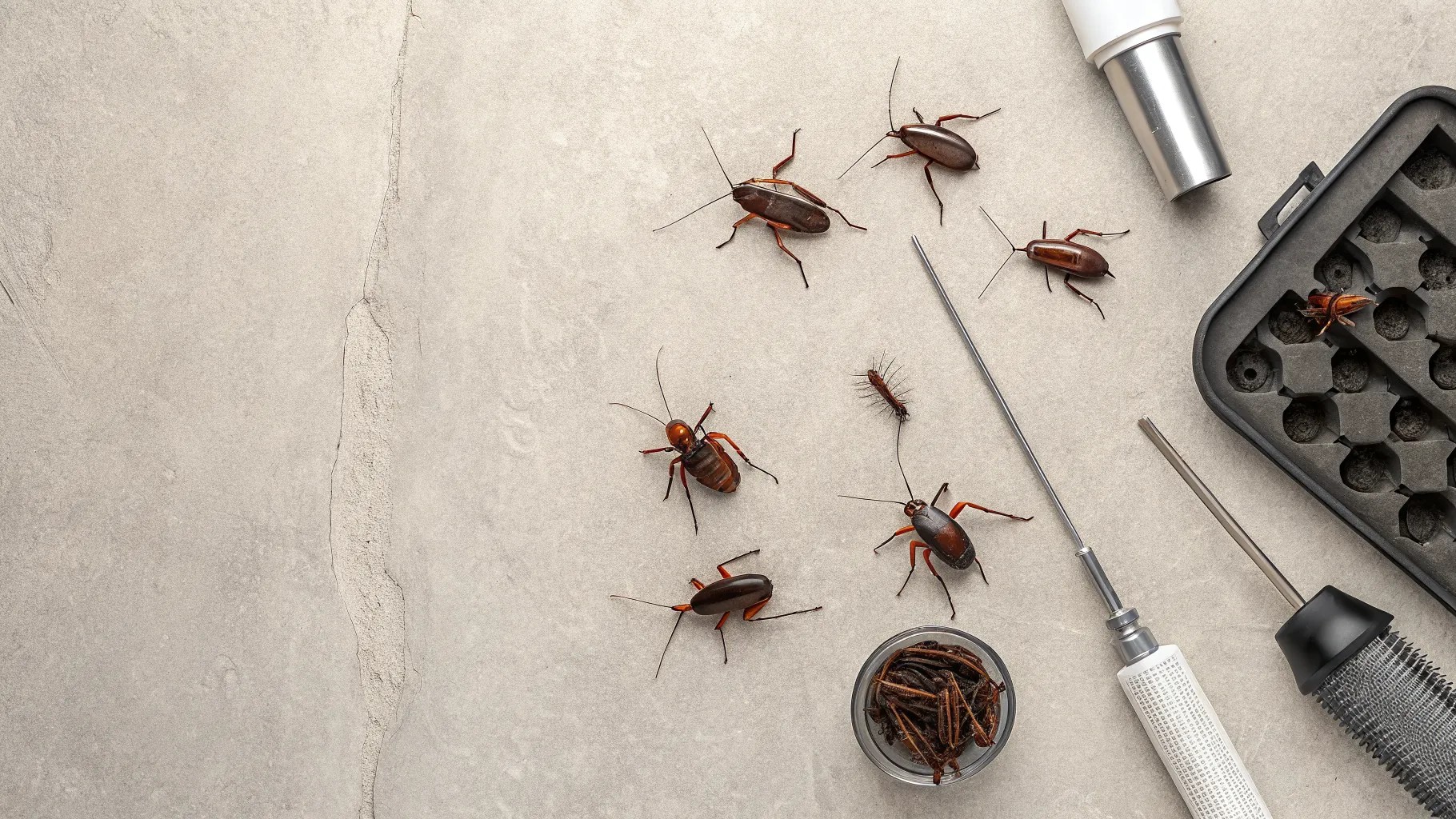
Since cockroaches are nocturnal, you might not see one scurrying across the floor right away. Instead, you’ll likely find the evidence they leave behind. Keep an eye out for droppings that look like tiny specks of black pepper or coffee grounds, especially in cabinets, drawers, and along baseboards. You might also find their small, brown, bean-shaped egg cases in hidden spots. An established infestation can even produce a distinct oily or musty smell. Of course, the most obvious sign is seeing a live roach. Because they prefer hiding in dark, secret places during the day, spotting one in the light often means many more are out of sight.
Determine the Severity of the Infestation
The number of signs you find can help you gauge how serious the problem is. A few droppings might point to a couple of roaches, but seeing them regularly during the day suggests a much larger population is competing for resources. Remember, cockroaches reproduce incredibly fast. A single German cockroach can be responsible for thousands of offspring in less than a year, so a small problem can escalate quickly. The size of the infestation will guide your treatment plan. While some natural remedies can be helpful for early-stage issues or prevention, a widespread problem will require a more aggressive approach to get it under control.
Know When It's Time to Call a Pro
It’s great to try DIY solutions first, but sometimes a problem is too big to handle on your own. If you’ve tried baits and traps without seeing improvement, or if the roaches keep coming back, it’s time to call a professional. Seeing roaches in multiple rooms is another clear sign that the infestation is well-established and you need expert help. When you hire a pest control service, make sure they perform a thorough inspection to find where the roaches are living. Effective treatment involves applying insecticides directly into these hidden areas, not just spraying baseboards. A trusted team with experience in pest control services can identify hidden nests and apply targeted treatments that DIY methods often miss.
How to Choose the Right Cockroach Control Method
Picking the right cockroach control method can feel overwhelming with so many options on the shelf. The most effective strategy isn't about finding one single "best" product, but about choosing the right combination of tools for your specific situation. To do that, you need to think like a pest control pro and consider a few key factors.
Your home, your family, and even the type of roach you're dealing with all play a role in what will work best. By taking a strategic approach, you can create a targeted plan that gets rid of cockroaches and gives you peace of mind. Let's walk through how to make the best choice for your home.
Match the Product to the Cockroach Species
Before you buy anything, you need to know your enemy. Different types of cockroaches have different habits and respond to different treatments. For example, German cockroaches are small, reproduce quickly, and prefer indoor environments like kitchens and bathrooms. American cockroaches are larger and often enter homes from the outside, preferring damp areas like basements. Identifying the specific roach species is your first step. Once you know what you're up against, you can choose baits and traps designed for that species' size and feeding habits, making your efforts much more effective.
Consider Your Household's Safety and Budget
Your next consideration is your home environment. If you have children or pets, safety is a top priority. Natural and organic options can reduce chemical exposure, but they still need to be handled carefully and may take longer to work. On the other hand, chemical treatments often provide faster relief, which can be crucial for a large infestation. It’s a balance between speed, cost, and safety. Always read product labels to understand the risks and follow application instructions exactly. Choosing a method that fits both your pest control budget and your family’s needs is key to a successful treatment plan.
Combine Different Treatment Approaches
Relying on a single product is one of the biggest mistakes you can make. Cockroaches are resilient, and a multi-faceted plan is the best way to get rid of them for good. Professionals use a strategy called Integrated Pest Management (IPM), and you can apply the same principles. This means using a combination of methods, like placing bait stations in hidden areas, using insect growth regulators (IGRs) to stop reproduction, and setting traps to monitor activity. This layered approach targets roaches at every stage of their life cycle and helps prevent them from developing resistance to any single chemical, ensuring a more complete and lasting solution. If you are considering to seek professional help, learn more about our pest control team and see how we tackle infestations.
How to Keep Cockroaches from Coming Back
Once you’ve handled an active infestation, the next step is making sure those unwanted guests don’t plan a return trip. Lasting cockroach control is all about prevention. By making your home less attractive to them, you can significantly reduce the chances of another infestation. It comes down to three core strategies: keeping your space clean, sealing up potential entryways, and regularly monitoring for any new activity. Turning these actions into habits is the key to keeping your home roach-free for good.
Practice Essential Cleaning Habits
The most effective way to prevent roaches is to cut off their food supply. Cockroaches aren't picky eaters, so even small crumbs can be a feast for them. Start by making a habit of cleaning up spills and food messes right away. Avoid leaving dirty dishes in the sink overnight, and make sure to put away all food, including pet food, before you go to bed. It's a great idea to store pantry items like cereal, flour, and sugar in airtight containers. Regularly wipe down your countertops, sweep or vacuum your floors, and take out the garbage frequently to keep your kitchen from becoming a roach buffet.
Seal Entry Points and Remove Water Sources
Cockroaches can flatten their bodies to squeeze through the tiniest cracks and crevices. To keep them out, you’ll need to play detective and seal up their secret entrances. Walk through your home and look for gaps around pipes under sinks, along baseboards, and near windows or doors. A simple tube of caulk can be your best friend here. You should also check for and repair any leaky faucets or pipes, as roaches need water to survive and are drawn to damp areas. Installing door sweeps and ensuring your window screens are in good repair will add another layer of defense, making it much harder for pests to get inside.
Set Up a Regular Monitoring Routine
Even with the best prevention plan, it’s smart to keep an eye out for any new roach activity. This helps you catch a potential problem early before it grows into a full-blown infestation. An easy way to do this is by using sticky traps, sometimes called monitors. Place them in discreet, roach-friendly locations like under the kitchen sink, behind the refrigerator, and in the dark corners of cabinets or your pantry. Check these traps weekly. Seeing a roach or two on a trap is your signal to ramp up your cleaning and search for new entry points. These monitoring traps are an excellent early warning system, but remember they are for detection, not elimination. Ongoing prevention is easier with help from professionals familiar with pest control in Denver and seasonal pest patterns in the area.
Common Cockroach Control Mistakes to Avoid
When you spot a roach, your first instinct is probably to grab the nearest can of bug spray. While that's understandable, some of the most common approaches to cockroach control can actually make the problem worse. To get the best results from your efforts, it's just as important to know what not to do.
A major misstep is relying too heavily on instant-kill sprays. It’s satisfying to spray a roach and watch it stop in its tracks, but this is a short-term fix. These sprays typically only kill the roaches you can see, leaving the rest of the colony untouched deep within walls or under appliances. The spray can also act as a repellent, scattering the roaches and causing them to find new, harder-to-reach hiding spots in your home.
Similarly, bug bombs or foggers are often ineffective. The aerosol mist doesn't penetrate the tiny cracks and crevices where roaches live and breed. These products also pose significant safety risks, as many contain flammable propellants that can cause explosions if used improperly. It's a lot of risk for very little reward.
Another frequent mistake is accidentally contaminating your bait stations. Baits and gels are fantastic tools, but they only work if roaches eat them. If you place baits and then spray other insecticides or strong cleaning products nearby, the scent can deter roaches from the bait. To ensure effective cockroach elimination, keep your bait stations clear of any other chemicals.
Finally, be realistic about using only natural methods for a large infestation. While options like diatomaceous earth can be helpful, they often aren't strong enough for a serious problem. For a widespread issue, natural pest control may take too long to work and might not be powerful enough to wipe out an entire colony. It's important to assess the scale of your issue and choose a method with enough strength to handle it.
Related Articles
- Natural vs. Chemical Pest Control: What Works, What Doesn’t?
- Best Roach Killers
- Natural vs. Professional Cockroach Treatment Results
- Cockroach Elimination in Homes and Apartments
- Chemical vs. Natural Pest Control Methods: Which is Better?
Frequently Asked Questions
Why isn't the bug spray I bought getting rid of the roaches? It's a common frustration. While instant-kill sprays are great for the roach you see running across the floor, they don't address the root of the problem, which is the nest you can't see. These sprays only work on contact and can even cause the colony to scatter and hide deeper in your walls, making the infestation harder to treat. A truly effective plan uses products like baits that roaches carry back to their hiding spots to eliminate the entire population.
How long will it take to completely get rid of cockroaches? Getting rid of cockroaches is a process, not an overnight fix. The timeline really depends on the size of the infestation and the methods you use. You might see a big drop in activity within a week or two, but it can take several weeks to fully break their life cycle. Consistency is everything, so you'll need to reapply treatments according to the product directions to deal with any newly hatched roaches.
Are cockroach baits safe to use if I have children and pets? This is a very important question. Most modern bait stations are designed with safety in mind, enclosing the poison in a plastic, tamper-resistant casing. However, the key is strategic placement. You should always place baits in areas that your kids and pets cannot access, such as behind heavy appliances, deep inside cabinets, or under sinks. Always read and follow the product's safety label for specific instructions.
I only see roaches in my kitchen. Can I just treat that one room? Even if you only spot them in the kitchen, it's very likely they are hiding or traveling through other parts of your home. Roaches can easily move between rooms through wall voids and along plumbing lines. Treating just one area gives the rest of the population a safe place to retreat and regroup. For the best results, you need to place baits and traps in all potential hotspots, including bathrooms and utility areas.
I put out baits, but I'm still seeing roaches. Does that mean the baits aren't working? Seeing roaches after you've set out bait can actually be a good sign. Baits are designed to be attractive, drawing roaches out of their hiding spots to eat the poison. Because the poison is slow-acting, the roaches have time to travel back to the nest and share it with the colony. Be patient, as it can take a little while for the bait to work its way through the entire population.
Get Your Free Pest Control Quote Today - Aurora, CO
Tired of uninvited guests in your home? Fill out our quick form and a local Beeline Pest Control expert will contact you to discuss your pest problem and provide a personalized, no-obligation quote for effective pest removal. Serving Aurora and surrounding Colorado areas!
More Blogs
Some other blogs you might be interested in