Black Ants vs. Carpenter Ants: Identify Your Home's Ant Problem
Worried about ants in your house? Learn the easy way to tell the difference between common black ants and potentially destructive carpenter ants. Our guide helps you identify your home's invaders so you can protect your property and get the right pest control solution from Beeline Pest Control.
Tiny black ants in your house force a choice between a quick cleanup and a major repair. Denver homeowners must know the difference between a simple nuisance and a pest that eats through structural wood. Knowing the signs helps you take action before a small trail becomes a big problem.
Finding black ants in house is common in Denver, but knowing the species is key to saving your property. Small black ants are a nuisance that forages for crumbs, while larger carpenter ants cause structural damage by digging out wood. According to CSU Extension, carpenter ants can cause severe damage if they stay in the structural wood of a building. These pests do not eat wood, but they hollow it out to create rooms for their colony. Little black ants often nest outdoors in soil or under rocks and only enter your home to find food. Telling these pests apart helps you decide if you need a simple trap or expert help to save your home.
Black Ants In House: Identifying the Ants in Your Denver Home
Finding black ants in your house can be a big stress for any Denver family. While most ants are just a pest, some types can cause real harm to your home. Knowing the difference between a small bother and a threat starts with looking at their size and shape. You can often tell them apart by checking the waist, the color, and how they move through your rooms. If you see these bugs, it helps to know which ones you have before you try to fix the problem.
Check the size and color
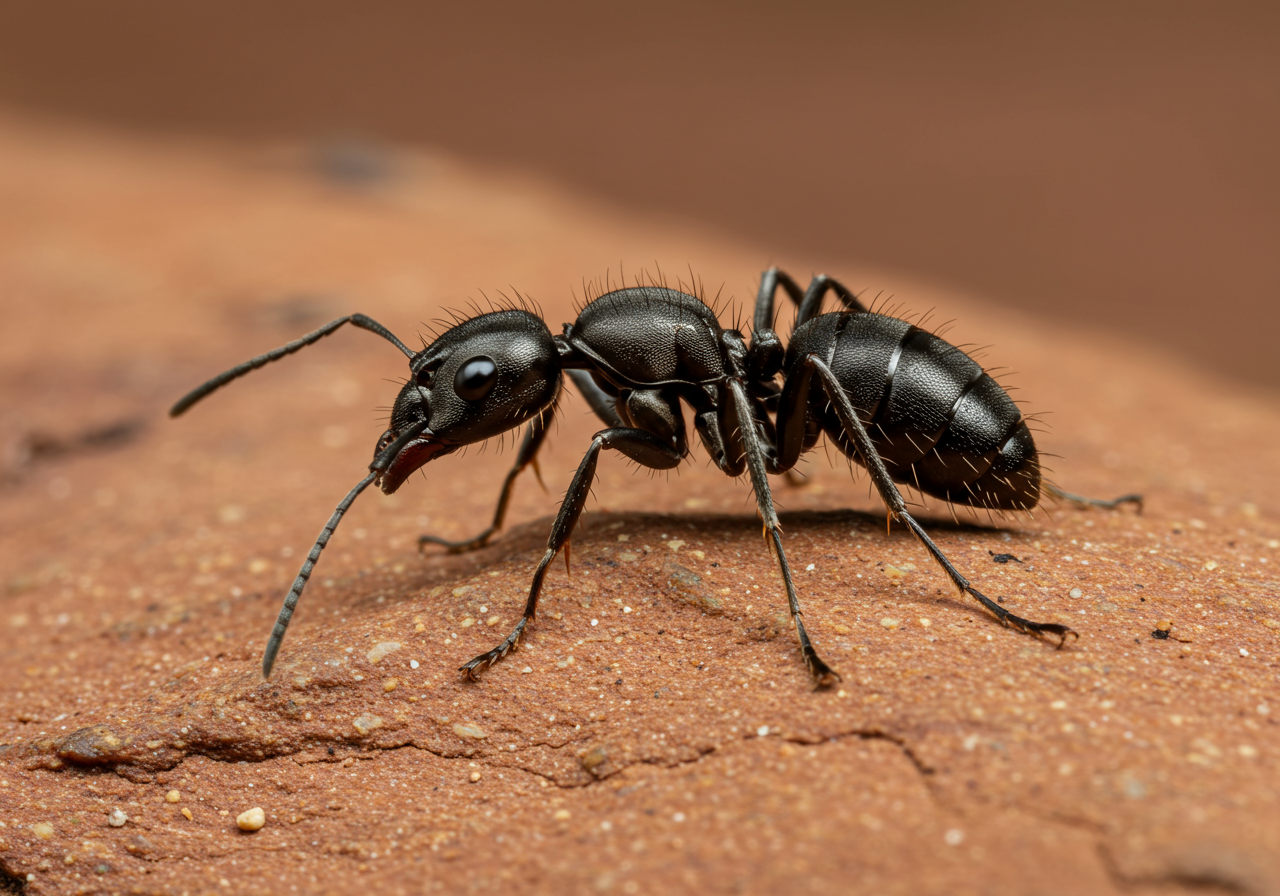
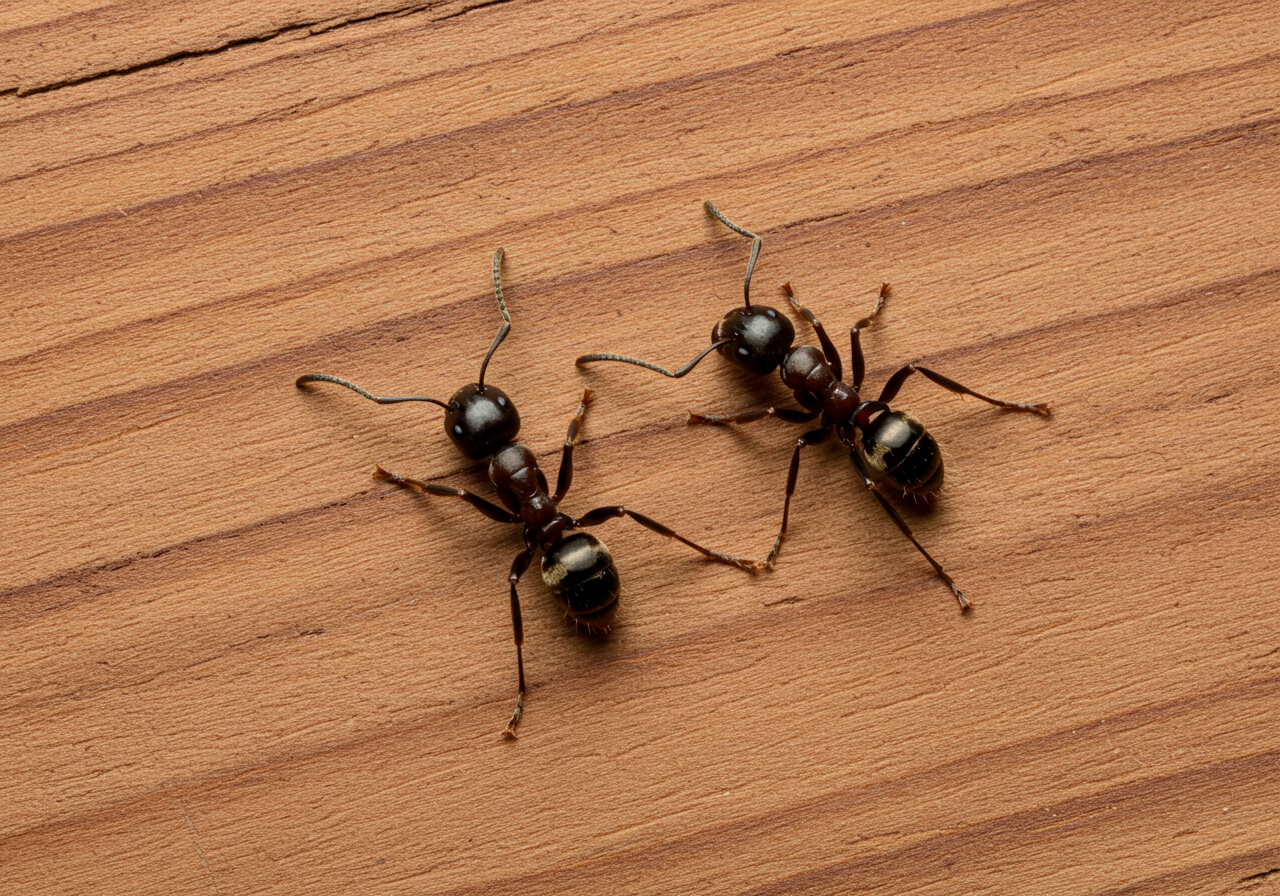
The most common ants in Colorado are often very small. Little black ants are usually between 1/16 and 1/8 of an inch long. They are jet black and tend to move in long, steady lines to find food. These small pests do not damage wood and are mostly a bother when they find crumbs or spills. In contrast, carpenter ants are much larger, often reaching 1/4 to 1/2 of an inch in length. They may be black or dark brown and are known to excavate wood to build their nests. Finding these big ants in your kitchen or bathroom often means they are seeking food or water.
Look at the body shape
If you look closely at an ant without wings, you can see clear marks that help you find the species. Carpenter ants have a very smooth, arched back when you look at them from the side. They also have a single part that forms a thin wasp waist between their middle and back sections. Other common pests might have two parts in that same area or a back that is not as smooth. These small details are the best way to tell if you have a local pest or a more serious issue that needs identifying ant infestations in your kitchen before they grow.
Spot the winged ants
Seeing ants with wings inside your home can be a sign of a large colony nearby. It is key to know if these are ants or termites, as the care for each is very different. Ants have elbowed antennae that bend like an arm. Their front wings are also much larger than their back wings. Termites have straight antennae and wings that are all the same size. Like their other kin, winged ants keep their thin waist, while termites have a broad body that does not taper. If you see these pests, it is a good idea to seek help for controlling pavement ants in Denver homes and other local types quickly.
Black Ants vs Carpenter Ants: A Side-by-Side Comparison
Finding black ants in your house can be stressful for any Denver homeowner. While many small ants are just a nuisance, others can lead to costly repairs. Knowing the difference between a common little black ant and a carpenter ant is the first step in protecting your property. You need to look at their size, where they nest, and the kind of damage they do.
Physical differences and size
The most obvious way to tell these pests apart is by their size. Little black ants are very small. They are usually about one-sixteenth of an inch long. In contrast, carpenter ants are large insects that can reach up to half an inch in length. They are often black or brown and have a smooth, arched back. While both pests are dark, the big size of a carpenter ant usually stands out.
You should also look at their body shape. Little black ants have two bumps on their thin waist. Carpenter ants only have one. If you see wings, check their size as well. Ants with wings are often looking to start new nests. If you are not sure which pest you have found, identifying ant infestations in your kitchen early can help you pick the right fix.
Nesting habits and damage
The biggest risk comes from how these ants live. Little black ants are nuisance pests. They do not cause structural damage to buildings. They mostly nest in soil, under rocks, or along foundations. Carpenter ants are different. They dig into wood to build their nests. They do not eat the wood like termites do, but they create galleries by carving out paths inside it.
These large ants prefer to nest in soft, water-damaged wood. But they may also move into sound wood if they are not stopped. Over time, this digging can weaken the frame of your home. If you hear a soft rustling sound in your walls or see piles of wood dust, you may have a big problem. Finding the main nest is a key step to controlling pavement ants in Denver homes and other local pests.
| Trait | Little Black Ant | Carpenter Ant |
|---|---|---|
| Avg. Size | 1/16 inch | 1/4 to 1/2 inch |
| Body Shape | Two-part waist | One-part waist; arched back |
| Nesting Site | Soil, rocks, or cracks | Decayed or moist wood |
| Diet | Sweets, fats, and meat | Insects and honeydew; no wood |
| Structural Risk | None; nuisance only | High; digs in wood |
| Threat Level | Low | High |
When to call a pro
Treating ants on your own can be hard because nests are often hidden deep in walls. Little black ants can find their way through small gaps to reach food in your pantry. Carpenter ants are even harder to find. Their main nest might be in a tree outside while a side nest stays inside your home. A pro can find these hidden spots and use safe ways to clear them out.
Beeline Pest Control offers free checks to help you figure out what kind of ants you have. Our team knows the local pest patterns in the Denver area. We focus on finding the source of the problem so you can stay pest-free. If you see big black ants in your house, it is best to act fast before they cause real harm to your wood.
Where Do These Ants Nest?
Finding the source of an ant problem is the most important step for long-term control. However, locating all nests is often the hardest part of the process. In Colorado, the spot where you see ants is rarely where they live. Most ants found inside Denver homes are foragers that return to outdoor colonies after they find food.
Little black ant nesting habits
Small black ants are mostly outdoor pests. They build their homes in soil or under rocks and lawn debris. You might also find them nesting along your foundation or under stepping stones. These ants only come inside to search for sugar or protein. Because they keep their main colony outside, identifying ant infestations in your kitchen often points to a nest nearby in your yard.
Carpenter ant satellite nests
Carpenter ants have a more complex nesting style. They often build satellite nests inside a house that stay linked to a larger main colony outdoors. This main nest is usually in a tree stump, landscape timber, or a pile of firewood. The ants travel back and forth between the two sites along a set path. If you see ants only during certain seasons, they are likely foraging from an outdoor nest rather than living in your walls year-round.
Preference for damp wood
Inside a home, carpenter ants look for specific conditions to build their galleries. They prefer to nest in wood that is decayed or damaged by water. You might find them in wall voids near leaky pipes, damp insulation, or under-roof eaves. While they usually stick to soft, wet wood, they can sometimes move into sound structural wood as the colony grows. Finding these nests quickly helps prevent serious damage to your home.
Signs of a Carpenter Ant Infestation
Finding black ants in house areas can be a cause for concern. While some ants are just looking for a snack, carpenter ants can harm your home. You need to know the signs to catch a problem before it grows. Early action helps you protect your wood and keep your home safe.
Wood shavings and debris
One of the most common signs of carpenter ants is frass. This is a mix of wood shavings, bits of soil, and dead insects. Unlike termites, carpenter ants do not eat wood. They dig through it to make paths and nests. As they work, they push out tiny piles of sawdust. You might find these piles near baseboards, windowsills, or in corners. If you see sawdust in your kitchen, you may need help identifying ant infestations in your kitchen before the colony spreads.
Noises and sightings
Carpenter ants are often active at night. If you have a large nest, you might hear rustling sounds inside your walls. This noise comes from the ants moving and digging through the wood. You may also see large ants walking across your floors or counters. Seeing these big ants often is a clear sign that they are living nearby. According to the Colorado State University Extension, seeing ants in your home all year often means you have a permanent pest problem.
Winged ants and swarmers
The sight of winged ants inside is a major red flag. These ants are swarmers that leave the nest to start new colonies. Seeing them inside usually means a mature colony is already there. These winged ants often gather near windows and doors as they try to get out. Finding these insects indoors is a strong sign of a colony with high potential for damage to your home. If you see these signs, it is best to act fast to stop the colony from growing larger.
What Attracts Black Ants to Your Home?
Most black ants in house in Colorado do not live in your walls. According to Colorado State University Extension, these pests are usually foragers. This means they live in outdoor nests under rocks or in the soil. They enter your home to find food or water to take back to their queen. In Denver, the dry air makes your house even more tempting. These tiny scouts look for cool, damp places to escape the hot sun. They often move in when the ground outside becomes too dry.
Common food sources in the home
Ants have a very strong sense of smell. They can find tiny bits of food from a long way off. They love sweet spills, sugar, and bread crumbs on the kitchen floor. Little black ants are drawn to both sugary and protein-rich foods like meat or grease. Pet food bowls are another big target for them. If you leave kibble out all day, it acts like a magnet for a colony. Once one ant finds a snack, it leaves a scent trail for others to follow. This is a key part of identifying ant infestations in your kitchen early on. Keeping your food in tight jars can help stop this.
Moisture and houseplant pests
Water is often the main reason ants come inside during a dry summer. They look for damp spots near leaky pipes, under sinks, or in dark basements. Even your indoor plants can draw them in. Some ants will protect pests like aphids on your plants. They do this to eat the sweet liquid that aphids produce, which is called honeydew. If you see ants on your plant leaves, you may have two different pests to deal with at the same time. You should check your plants often for these sticky spots. Wiping down the leaves can help remove the draw for ants.
Entry points and cracks
Ants are small, so they do not need much space to get inside. They often crawl through tiny gaps around your windows and doors. They also find thin cracks in your home base or where pipes enter the walls. You can help block them by using caulk to seal these small openings. Removing water leaks and closing these gaps are two of the best ways to keep ants away for good. Keeping your counters clean and dry will also help protect your home from new scouts.
How to Get Rid of Black Ants in Your House
Finding black ants in your house can be stressful, but you have time to act. Most ant problems grow slowly, which gives you the chance to plan a safe way to stop the infestation. By following a clear set of steps, you can remove these pests and keep them from coming back to your Denver home.
Check the ant type
Before you start, you must know what kind of ant you have. Nuisance ants like pavement ants are small and mostly hunt for food. However, big black ants may be carpenter ants, which can cause real damage to your home over time. Knowing the species helps you choose the right tools for the job, such as when controlling pavement ants in Denver homes.
Clean and seal your home
Ants enter your house looking for food and water. You can make your home less attractive by cleaning up crumbs and storing all food in airtight jars. You should also fix any leaks, as wet spots often draw ants deep into your walls. Once the area is clean, use caulk to seal small gaps around your windows, doors, and foundation to block their way in.
- Find the species. Watch the ants to see how big they are and where they go. Smaller ants are often just looking for sweets, while larger ones might be nesting in your wood.
- Remove food sources. Wipe down counters and sweep floors every day. Ants will leave if they cannot find a meal for the colony.
- Seal all entry points. Check your home for cracks. Use caulk to close gaps in your foundation or around window frames to keep more ants from getting inside.
- Stop the scent trails. Ants leave a chemical path for others to follow. You can use soapy water or vinegar to disrupt these scent trails and confuse the workers.
- Use slow-acting bait. Set up bait stations near the paths you found. These baits work well because the ants carry the poison back to the nest to share with the queen and the rest of the colony.
- Fix moisture issues. Repair leaky pipes and make sure your crawl space stays dry. Ants love damp spots, so keeping your home dry is a key step in long-term control.
Use effective bait stations
Baiting is often the best way to get rid of a whole colony. Do not use sprays that kill ants on contact, as this only stops the ants you see. According to the CSU Extension, slow-acting baits are the best way to clear a nest because the ants take the product back to their home. This method ensures the entire group is gone, not just the few you found in your kitchen.
When to Call a Professional Pest Control Company
If you see big black ants in house spots like your kitchen or bathroom, it might be time for help. Small ants are often just looking for crumbs. But large ones could mean your home's wood is at risk. Look for piles of wood dust, known as frass, near your walls. You might also hear soft rustling noises behind the drywall at night. These are clear signs of a deeper issue. If you see ants with wings indoors, the nest is likely mature. This means you need more than a simple spray. Seeing ants all year long also shows a steady nest inside your home.
Signs of a serious ant problem
Spotting winged ants near windows is a major red flag. These swarmers are looking to start new nests in your home. It often means a nest has been there for years. Another sign is finding ants during the winter. Most local pests sleep when it is cold. If they are active in the cold months, they have found a warm spot in your walls. Do not wait for the damage to get worse. A quick check now can save you from big repair bills later.
Why DIY ant control often fails
Many people try store-bought baits first. These can work for a few pests. But if your baits do not work after two weeks, the problem is likely bigger. You might kill the workers you see, but the queen stays safe in the nest. Finding where they live is the hardest part. Based on the CSU Extension, finding every nest is the main and hard step in ant control. Without finding the source, the ants will just keep coming back. Experts have the tools to track these trails back to the main nest.
Safe and local expert help
The good news is that these problems move slowly. You have time to find a safe way to fix the issue. Experts say there is plenty of time to plan a smart way to stop the pests. At Beeline Pest Control, we start with a free check. Our team is licensed by the Colorado Department of Agriculture. We are a family-owned shop that knows Denver pests well. We offer a full promise on our work. If the ants come back, so do we, for no extra cost. This helps you get peace of mind while protecting your home. You can learn more about finding ant problems in your kitchen to see if your issue is growing. We also have tips on stopping pavement ants in Denver homes if you see smaller pests on your porch.
Frequently Asked Questions
How long does it take for carpenter ants to damage a house?
According to the CSU Extension, carpenter ant problems mostly develop slowly. While these pests can cause serious building damage, they do not destroy wood as fast as termites do. You usually have enough time to find the nest and plan a safe way to stop the problem before major harm occurs. This slow pace makes it easier to use expert methods that fix the root cause of the issue for your home.
Are carpenter ant treatments safe for my pets?
Expert pest control for big ants is safe for pets when done the right way. Pros use products that meet safety rules and place them in spots that your pets cannot reach. These areas include wall gaps or cracks. It is best to work with a local company that keeps family safety first. Following the pro's advice on when to stay away from a treated area will keep your pets safe.
Can I use vinegar to get rid of black ants?
You can use vinegar mixed with water to break the scent paths that ants follow into your home. This simple mix helps clear away the trails that ants use to find food in your kitchen. However, vinegar only stops the ants you see and does not kill the whole colony. For a fix that lasts, use slow-acting baits that ants carry back to their queen. This makes sure the entire nest is gone for good.
Why am I seeing big black ants in my house in the winter?
Seeing large ants inside during the winter often shows a long-term problem. Experts at Colorado State University say that ants found in a home all year usually have a nest inside the house. Ants seen only in the spring or summer are often just looking for food from the yard. If you see them when it is cold outside, the nest is likely inside your walls or in your attic.
Ready to schedule a free pest inspection?
An ant problem can quickly turn into a large nest. These nests are hard to find and even harder to clear out of your house. Carpenter ants can chew through the wood in your walls and cause costly damage. Small black ants can spread germs across your kitchen and make your food dirty. Waiting to solve the issue gives the pests time to grow their colony in new areas. Starting today helps you stop the damage and gives you back a clean home. You can protect your property and your family by taking care of the problem right now. Our local Denver team can find every nest and make sure the ants do not come back.
Ready to schedule a free pest inspection? Call 303-586-5231 to talk to a pest expert.
Get Your Free Pest Control Quote in Aurora, CO
Ready to get rid of pests? Fill out our quick form and a friendly expert from Beeline Pest Control will call you back to discuss your pest problem and provide a free, no-obligation quote for your Aurora home. It's fast, easy, and your first step to a pest-free living space!
More Blogs
Some other blogs you might be interested in