Denver Pavement Ants: Easy Identification & Effective Control
Seeing tiny ants around your Denver home? You might have pavement ants! This complete guide from Beeline Pest Control helps you easily identify these common invaders. Learn how to tell them apart, understand why they're in your home, and discover proven strategies to get rid of them for good. Protect your Denver property and peace of mind with our expert tips and control solutions.
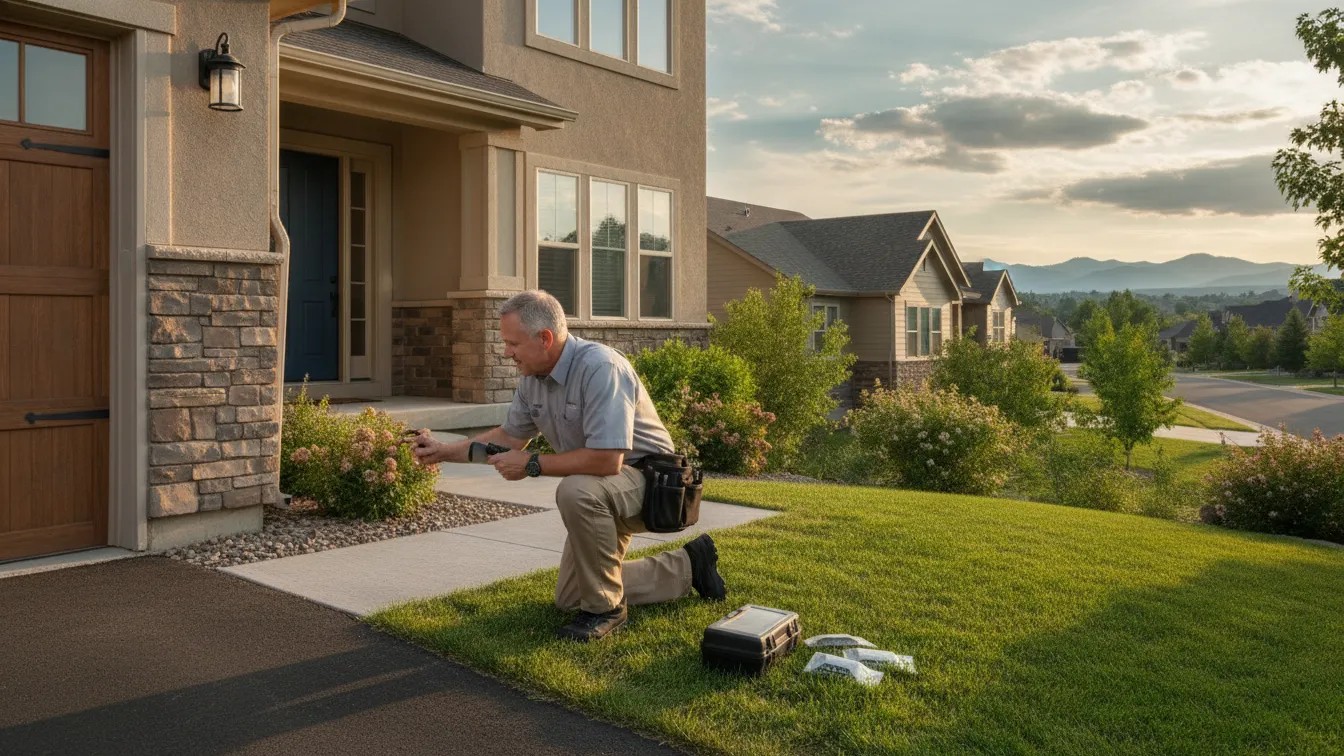
Small piles of sand near your foundation walls often signal a hidden pavement ant nest. These tiny pests thrive in Denver and easily find their way into local kitchens and basements. Finding them early helps you protect your home before a small trail becomes a full colony.
Call Beeline Pest Control today at 303-586-5231 to schedule a free inspection and keep pavement ants out of your Denver home.
Pavement ants are small, dark brown insects that nest under concrete sidewalks, building slabs, and large rocks near Denver homes. They arrived in the United States during the 1700s via ship soil ballast and now thrive as scavengers across the Front Range. Colonies often contain multiple queens and thousands of workers that enter through tiny foundation cracks.
While these pests are common in the Front Range, many homeowners struggle to find them before the problem spreads. Learning about their habits is the first step toward reclaiming your home. To start, we must first answer the question:
What Are Pavement Ants?
Pavement ants are one of the most common pests found in the Denver metro area. These small insects are often seen scurrying along sidewalks or across patio stones. While they are a nuisance to many homeowners, they have a long history in the United States. They are an introduced species that likely came to the country in the soil ballast of merchant ships during the 1700s and 1800s. Today, they are found in almost every urban setting across the Front Range.
Small ants with a big reach
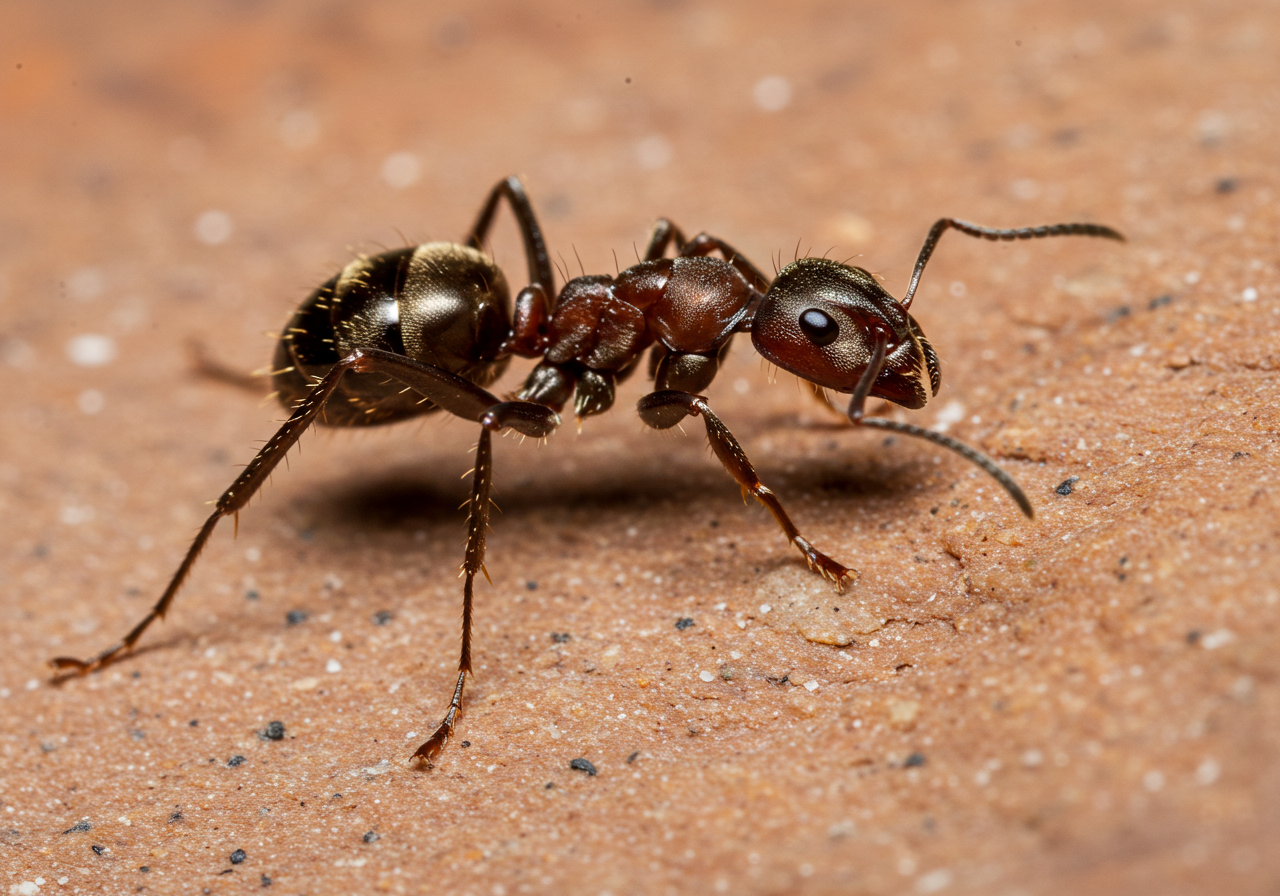
You can identify these pests by their small size and dark color. Pavement ant workers are usually about 2.5 to 4 mm long. They vary in color from dark brown to black and have distinct lines on their head and thorax. These ants are highly social and live in large groups. A single colony can have 3,000 to 4,000 individuals and may include multiple queens.
Nesting habits and urban life
As their name suggests, these ants prefer to live near man-made structures. They often build their nests under sidewalks, building slabs, and large rocks. Denver's concrete landscape provides the perfect home for them. You might see small piles of sand or soil on top of your driveway or near foundation cracks. These are signs that the ants are digging out their nests below.
What pavement ants eat
These ants are not picky when it comes to their diet. They are scavengers that will eat almost anything they find. In your home, they often search for sweets like sugar, nectar, or fruit. They also eat grease, seeds, and dead insects. This wide diet makes them very hardy. Keeping surfaces clean and food sealed is a good first step.
Success in the Denver area
Our local climate and urban layout are ideal for this species. Denver homeowners often find them near heat sources or moisture during the cold months. Because they can have multiple queens, a colony can stay active for many years if not treated. Dealing with these pests early is key.
Pavement Ants vs. Other Ants: How to Tell Them Apart
Pavement ants differ from carpenter ants and odorous house ants in size, nesting location, and diet. Pavement ants are 2.5-4 mm, dark brown to black, and nest under concrete slabs. Carpenter ants reach 13 mm and nest in damp wood. Odorous house ants smell like rotten fruit when crushed.
Homeowners in the Denver area often see small ants near their driveways. While many call every tiny insect a sugar ant, finding the right pest is the first step in successful pavement ant control. In Colorado, you are most likely to see pavement ants, carpenter ants, or odorous house ants.
Physical traits and identification
Size and color are the easiest ways to tell these pests apart. Pavement ant workers are about 2.5 to 4 mm long and dark brown to black. Look for small parallel lines on their heads and 12-part antennae. Carpenter ants are much larger often reaching 13 mm.
You can also tell pavement ants by how they act. They nest under slabs, sidewalks, and large rocks. When they dig, they leave small piles of sand or soil near foundation cracks. If you see these mounds, you likely have a pavement ant problem.
Comparison of common Colorado ants
Use this table to compare the traits of the most common ants found in Front Range homes. Knowing these facts helps you decide if you need a simple cleanup or professional pest control services.
Antennae and body structure
If you have a magnifying glass, you can check the body parts. Pavement ants have a two-node waist and 12-part antennae. While these details may seem small, they are vital for picking the right bait. Since pavement ants eat both grease and sugar, they are often easier to manage.
Finding the right pest ensures you do not waste time. If you are not sure which ant has moved in, our team can give a free inspection. We use safe, professional methods to keep your family happy while clearing out the pests for good.
Why Pavement Ants Invade Denver Homes
Pavement ants enter Denver homes seeking food, water, and shelter from harsh weather. Spring warming triggers swarming. Summer drought drives them indoors for moisture. Cracks in foundation walls provide easy entry points.
Do not let pavement ants take over your kitchen. Call 303-586-5231 now for same-day service from your local Denver pest control experts.
Denver homes face unique pest challenges due to the dry air. Pavement ants move indoors when outdoor conditions become harsh. They also enter when they find easy access to food and water. Knowing what draws them can help stop them.
Seasonal patterns and weather shifts
The move from winter to spring triggers ant activity. As the air warms, pavement ants begin to swarm to find new nesting sites. In heated homes, these ants can stay active even during winter. Summer drought makes them head inside for moisture.
Food and resource seeking
Pavement ants are scavengers that eat almost anything: sweets, grease, and dead bugs. If you leave pet food out or have spills, they will find them fast. A scout leaves a scent trail for the rest of the colony to follow.
Easy entry through the foundation
Pavement ants enter through cracks in foundation walls or floor slabs. They fit through expansion joints and tiny gaps. You might see small piles of sand near these entry points. Sealing these cracks is key to keeping your home pest-free.
Do Pavement Ants Bite?
Pavement ants can bite, but their jaws are too small to break human skin. They may pinch if disturbed but are not aggressive. Their real threat is structural: they tunnel under slabs and invade pantries looking for food.
Many Denver homeowners worry about whether pavement ants pose a threat. The good news is they are not dangerous. They rarely bite humans. Unlike carpenter ants they do not damage wood. Unlike fire ants they do not sting. The main concern is the nuisance they create.
Signs of a Pavement Ant Infestation in Your Denver Home
Key signs include small sand piles near foundation cracks, visible ant trails along baseboards, and winged ants near windows. Workers are 2.5-4 mm, dark brown to black. Colonies can hold 3,000-4,000 ants with multiple queens.
Pavement ants are more than just a nuisance. When they move into your home, they leave clues. If you spot these signs early, you can act before a small colony grows.
Recognize hidden nest debris
A common sign is small sand piles near entry points. Pavement ants push out soil as they grow nests under slabs. You might find these particles along baseboards or in quiet basement corners.
Observe ant search paths
You can find pavement ants by watching for their search paths. They follow set paths along carpets, walls, and driveways. If you see a line of workers moving toward food, a colony is active nearby.
Check for winged ants
Finding winged ants near windows is a major red flag. They typically emerge in spring to start new colonies. In warm Denver homes they can swarm at any time. Seeing them inside means a colony may have nested in your walls.
DIY Pavement Ant Prevention Tips for Denver Homeowners
Seal foundation cracks, fix moisture issues, store food in airtight containers, and trim plants away from the house. DIY sprays kill only visible workers and leave queens alive. Long-term control requires finding and treating the nest.
Pavement ants are common in the Denver area. They build nests under concrete slabs and driveways and enter through tiny gaps. Blocking them starts with simple home care.
Seal entry points
The best way to stop infestation is to block their path. Check foundation walls and floor slabs for openings. Use caulk to seal gaps around pipes, window frames, and doors.
Manage moisture levels
Ants need water to live. Keep the area around your foundation dry. Clear gutters and direct water away from the house. Fix leaky pipes right away. Good drainage makes your home less attractive to scouting ants.
Remove food sources
Pavement ants eat almost anything from sugar to grease. Keep your kitchen clean. Store pet food in sealed bins and clean up crumbs fast. A clean home gives them fewer reasons to come inside.
Maintain the landscape
Trim tree branches so they do not touch your house. Keep mulch several inches away from the foundation. Creating a dry zone between plants and your home makes it harder for colonies to move in.
Get a free pest control estimate today. Call Beeline Pest Control at 303-586-5231 and let our Denver experts handle the pavement ant problem for good.
Keep in mind that DIY sprays often only kill the workers you see. For long-term results you must find and kill the nest. This usually needs professional pest control services.
When to Call a Professional for Pavement Ant Control in Denver
You may start with a few ants near a door and think a quick spray will fix it. But pavement ants build deep nests where DIY tools cannot reach. For many Denver homeowners, expert help is the only way to stop a repeat problem.
When DIY methods are not enough
If you have tried sealing cracks, removing food, and cleaning thoroughly but still see ants, the problem is likely larger than surface activity. Pavement ants have multiple queens, and killing a few workers does not stop the colony from growing.
The benefits of professional treatment
Professional pest control technicians know how to find hidden nests and treat the root of the problem. They use safe and targeted methods that protect your family and pets while eliminating the entire colony.
Pavement ant control FAQs
Do pavement ants cause structural damage?
No, pavement ants do not damage wood like carpenter ants. However, their tunneling can destabilize patio stones and driveways over time. They also create entry points for moisture under concrete slabs.
How long does pavement ant treatment take?
Most initial treatments reduce activity significantly within a few days. Full colony elimination typically takes one to two weeks. Beeline Pest Control provides follow-up visits to ensure complete removal.
How can I prevent pavement ants from coming back?
Regular pest control service is the best defense. Beeline's Home Protection Plan covers seasonal treatments that stop pests before they take hold. Combined with sealing cracks and removing food sources, this keeps your home protected.
Ready to stop pavement ants from taking over? Call Beeline Pest Control at 303-586-5231 or schedule your free inspection online. Same-day service is available. Your satisfaction is 100 percent guaranteed.
Get Your Free Pest Control Quote in Aurora, CO
Ready to enjoy a pest-free home? Tell us a little about your pest problem, and our friendly Beeline Pest Control experts in Aurora, Colorado, will call you back with a personalized, no-obligation quote. Fast, effective, and tailored solutions for homeowners like you! Get started today.
More Blogs
Some other blogs you might be interested in