Voles vs. Mice in Denver: Your Guide to Protecting Your Lawn & Home
Confused about whether you have voles or mice damaging your Denver lawn? This guide helps homeowners identify these tiny pests and understand the best steps for effective lawn vole control. Get your yard back with expert help from Beeline Pest Control.
Voles vs. Mice: Your Essential Guide to Lawn Vole Control in Denver
Denver homeowners, have you noticed mysterious paths crisscrossing your lush green lawn, or plants mysteriously disappearing from your garden? You might be quick to blame mice, but often, the real culprit is a different tiny rodent: the vole. While both can be a nuisance, understanding the difference is key to effective lawn pest control.
At Beeline Pest Control, we've helped countless Denver residents protect their homes and yards from unwanted guests. Let's dive into the world of voles and mice and learn how to keep your beautiful Colorado lawn safe.
Spotting the Difference: Voles vs. Mice
Before you can tackle the problem, you need to know who you're dealing with. Voles and mice might look similar at first glance, but they have distinct features and behaviors.
Appearance Matters:
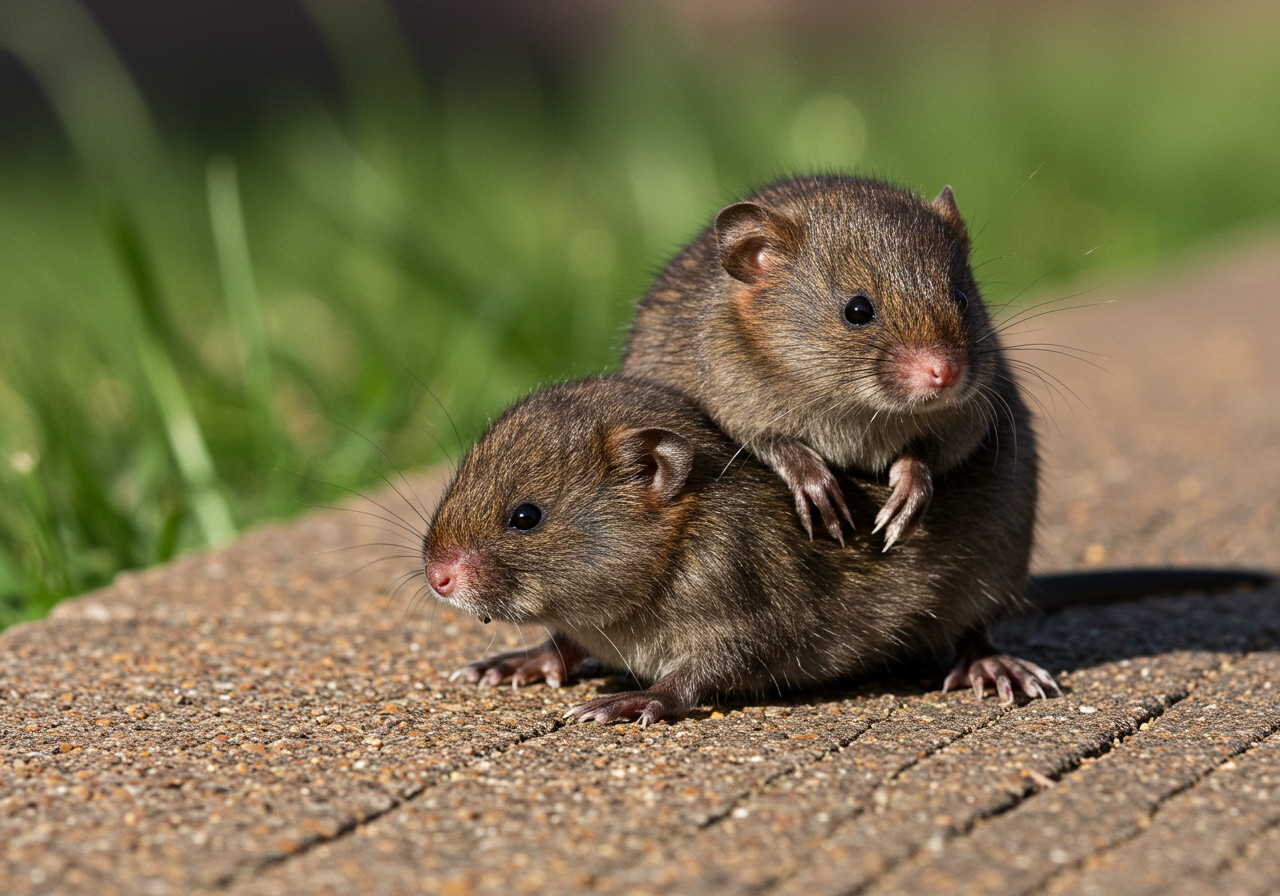
- Voles (Field Mice): Often called "field mice," voles are stockier than house mice. They have a rounder body, shorter legs, a short, hairy tail (usually less than an inch long), and small, barely visible ears. Their fur is typically brownish-gray.
- Mice (House Mice): House mice are sleeker with slender bodies. They have larger ears that are easy to see, a pointed snout, and a long, thin, hairless or sparsely haired tail that's often as long as their body and head combined. Their fur can range from light brown to gray.
Lifestyle & Habits:
- Voles: These are primarily vegetarians. They love to munch on grass, roots, seeds, bulbs, and the bark of trees and shrubs. Voles are active year-round, both day and night, but are most damaging in winter when they tunnel under snow cover. They live outdoors, creating extensive runway systems just below the surface of your lawn.
- Mice: While mice will eat plants, they are more omnivorous, also consuming insects, grains, and human food. House mice are mostly nocturnal and are well-known for seeking shelter inside homes, especially during colder months. They are climbers and jumpers, often found in attics, walls, and basements.
The Damage They Do:
- Vole Damage: The most tell-tale sign of voles is their intricate network of surface runways – narrow, visible paths about one to two inches wide through the grass. These paths lead to small, coin-sized burrow openings. They also cause damage by girdling (eating bark around the base) of young trees and shrubs, and consuming plant roots and bulbs. Your lawn might look like it has miniature highways all over it.
- Mouse Damage: Mice rarely cause significant damage to lawns. Their damage is usually found indoors: gnaw marks on food packaging, furniture, or wires, and droppings in secluded areas.
Why Voles are a Big Problem for Denver Lawns
Voles can turn a pristine lawn into a patchwork of dead grass and tunnels very quickly. Their prolific breeding habits mean a small problem can escalate fast. Female voles can have 5 to 10 litters per year, with each litter containing 3 to 6 young. That means a single pair can quickly become a large problem, with populations potentially reaching hundreds per acre!
Especially in Denver's colder months, voles thrive under snow cover. The snow acts like an insulating blanket, allowing them to tunnel and feed on your grass, plant roots, and tree bark undisturbed. When the snow melts, the extent of the damage is revealed, often leaving homeowners with dead grass, damaged plants, and significant landscape repair costs.
Signs You Have Voles (Not Mice) in Your Denver Yard
Keep an eye out for these clear indicators:
- Visible Surface Runways: Look for narrow, well-worn paths through your grass, often leading to burrow entrances. These are usually 1-2 inches wide.
- Small Burrow Openings: Voles create tiny holes, about the size of a quarter, in the ground near their runways. These don't typically have a mound of dirt around them like gopher or prairie dog holes.
- Damaged Plants at Ground Level: If your garden plants, bulbs, or the lower bark of your young trees and shrubs appear chewed or girdled (a ring of bark removed), voles are likely feasting.
- Soft or Spongy Lawn: In severe infestations, the ground may feel soft or spongy due to extensive underground tunneling.
DIY Vole Control - What You Can Try
For minor vole issues, some homeowners attempt DIY solutions:
- Habitat Modification: Keep your lawn mowed short, especially in fall. Clear away leaf litter, dense ground cover, and thick mulch, which can provide shelter for voles.
- Protective Barriers: For individual plants or young trees, you can install hardware cloth cylinders (buried a few inches deep) around the base.
- Trapping: Small snap traps designed for mice can catch voles, but this can be labor-intensive and challenging for widespread infestations.
- Repellents: Some repellents exist, but their effectiveness is often limited and temporary, especially with a determined vole population.
While these methods might offer temporary relief, voles are persistent and can quickly outsmart DIY efforts. For a lasting solution, especially in Denver's varied climate and terrain, professional help is often the most effective route.
When to Call the Pros: Beeline Pest Control's Solution for Denver Vole Issues
If you're seeing extensive lawn damage, noticing multiple runways, or your DIY attempts aren't cutting it, it's time to call in the experts. Vole control requires a thorough understanding of their behavior and effective, targeted strategies.
At Beeline Pest Control, we specialize in comprehensive Rodent Control services for Denver and surrounding areas. As a family-owned and operated business, we're dedicated to providing reliable, fast, and effective pest removal while prioritizing your family's safety and the environment.
How Beeline Pest Control Can Help:
- Expert Identification: Our licensed and experienced technicians will accurately identify your pest problem, confirming if it's voles, mice, or another rodent, and assess the extent of the infestation.
- Customized Treatment Plans: We don't believe in one-size-fits-all solutions. We develop a tailored strategy combining exclusion techniques, trapping, and targeted treatments designed to eliminate voles from your property and prevent their return.
- Safe & Eco-Friendly Methods: We use safe, eco-friendly treatments that are tough on pests but gentle on your family, pets, and lawn.
- Preventative Measures: Beyond eliminating current voles, we provide advice and implement solutions to make your property less attractive to future rodent visitors, integrating with our general Home Pest Control services.
- Pest-Free Guarantee: We stand by our work with a pest-free guarantee, giving you peace of mind.
We proudly serve homeowners in Denver, Arvada, Aurora, Boulder, Centennial, Cimarron, Colorado Springs, Commerce City, Englewood, Fort Collins, Greeley, Knob Hill, Lakewood, Littleton, Thornton, Westminster, and Castle Rock.
Don't let voles ruin your beautiful Denver lawn. If you suspect a vole or rodent problem, contact Beeline Pest Control today for a free estimate! Our friendly team is ready to help you reclaim your yard.
Call Beeline Pest Control at (303) 586-5231 or visit our website to schedule your service.
Get Your Free Pest Control Quote for Aurora, CO Homes
Ready to get rid of unwanted pests? Fill out our simple form to receive a fast, free, and no-obligation quote for effective pest control services right here in Aurora, Colorado. Beeline Pest Control is ready to help protect your home!
More Blogs
Some other blogs you might be interested in