Rodent Exclusion Cost Denver: What Homeowners Pay
What rodent exclusion cost Denver homeowners can expect: the process, the timeline, and why professional sealing protects your home from mice and rats.
When mice or rats keep returning, the cost is not only the first removal visit. Rodent exclusion addresses the openings that let pests back into a Denver-area home, so a professional can focus on the source of the problem instead of repeating the same short-term fix.
In Denver, homeowners planning for rodent exclusion cost should typically expect several hundred dollars to more than $1,000 for comprehensive service, depending on the number of entry points, the materials required, and the amount of work needed. Removal and exclusion are different: removal takes out existing rodents, while exclusion seals the access points that let them back in.
Because mice can fit through dime-sized openings and rats through openings about the size of a quarter, a useful inspection goes beyond the room where you hear scratching. Beeline Pest Control can assess rooflines, foundations, crawl spaces, vents, and other likely access points, then recommend practical next steps. For broader prevention guidance, see our Denver Rodent Control: Mice, Rats & Exclusion Guide. Understanding what exclusion includes makes it easier to compare an estimate and decide whether the work fits your home.
Get a free rodent inspection and a clear exclusion estimate. Call Beeline at 303-586-5231 today.
What Is Rodent Exclusion and Why Does It Matter?
Have you ever wondered why rodents return after traps or bait seem to solve the immediate problem? The answer is often an open path into the home. Rodent exclusion is the prevention side of pest control: it means finding and physically sealing the gaps, cracks, and openings that let mice or rats enter. Removal is different. It addresses rodents that are already inside through methods such as trapping or carefully managed baiting. Both steps can matter, but removal alone does not close the route that allowed the problem to begin.
The size of a gap can be surprisingly small. According to the Centers for Disease Control and Prevention, mice can squeeze through openings about the size of a dime, while rats can fit through openings about the size of a quarter. In a Denver-area home, those openings may be around utility penetrations, vents, foundation transitions, roofline details, or other places that are easy to overlook from the ground. A careful inspection helps connect the signs inside your home with the actual entry point outside.
Exclusion and removal work together
Sealing should not be treated as a substitute for removing an active infestation. The CDC recommends removing rodents before sealing a home. Otherwise, exclusion can trap animals indoors, potentially creating odors, additional damage, or sanitation concerns. A practical plan usually starts by determining whether rodents are present, removing them appropriately, and then closing the openings that could allow new activity.
Physical barriers also fit the principles of integrated pest management, which emphasizes prevention and the least hazardous effective methods first. The Environmental Protection Agency identifies rodenticides as one tool that may be used within a broader pest-management approach, not as a replacement for sealing entry points. In other words, bait may address a current issue, while exclusion helps prevent the next one.
For a closer look at common entry points and practical prevention steps, read our Denver Rodent Control: Mice, Rats & Exclusion Guide. If you are comparing rodent exclusion cost in Denver, a professional inspection is the best starting point because the scope depends on the structure and the number of openings, including whether rodents are still present.
What Rodent Exclusion Work Looks Like at a Denver Home
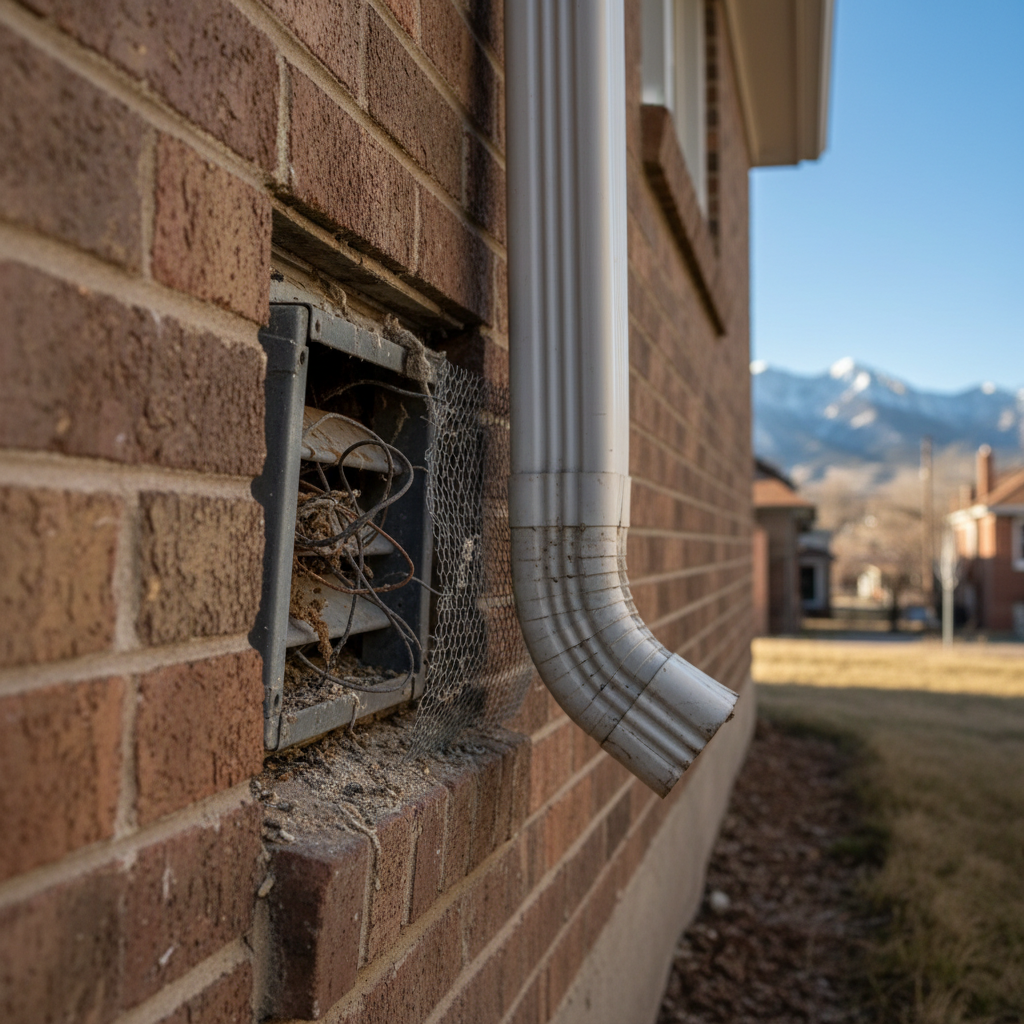
A professional exclusion visit starts with a methodical inspection, not a quick glance at the kitchen or garage. In a Denver-area home, the technician checks the exterior and interior for openings that connect to attics, wall cavities, crawl spaces, and living areas. The inspection includes gaps around plumbing pipes, vents, utility penetrations, and foundation cracks. These are the types of structural openings the EPA recommends sealing to deny rodents access.
The inspection also accounts for how Colorado homes are built. Crawl-space vents and foundation gaps can create entry routes close to the ground, so they may need a durable barrier rather than a simple patch. A technician will also look upward, checking the roofline, roof penetrations, and chimney flashing. These areas are easy to overlook from the ground, but a small defect can give mice or rats a way into the structure.
Sealing gaps with materials rodents cannot easily defeat
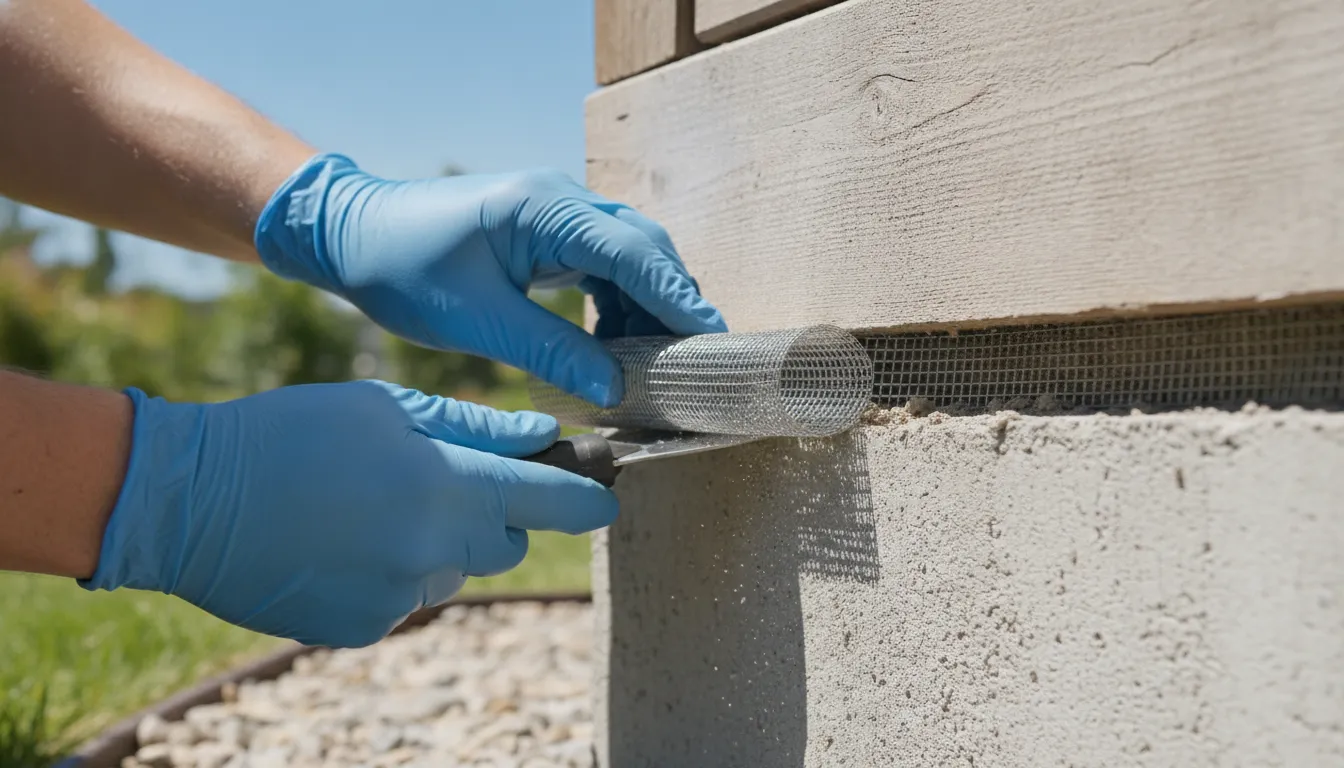
Once entry points are identified, the repair plan matches the material to the size and location of each opening. Small gaps may receive heavy-duty caulk. Larger or more vulnerable voids are reinforced with steel wool or hardware cloth before they are sealed. Caulk alone is not always enough because rodents can chew through it. The CDC recommends combining sealants with stronger physical barriers where needed.
Hardware cloth must be secured firmly with heavy-duty staples or screws. At crawl-space vents, that may mean installing a barrier that covers the opening while still allowing appropriate ventilation. Around foundations, pipes, and vents, the goal is a tight, lasting seal that fits the structure instead of a temporary plug.
Protecting the home after rodents are removed
Exclusion should follow, or be coordinated with, removal of rodents already inside. Sealing an active entry route without addressing an existing infestation can trap animals indoors and contribute to odors or additional damage. The work matters because Colorado rodents can affect more than a pantry. CSU Extension notes that voles can damage landscaping and gardens, while mice may damage insulation and wiring inside homes.
A complete plan therefore focuses on prevention as well as the immediate problem. Sealing hidden gaps can also reduce drafts around the structure. After the work, periodic checks help catch new openings caused by weather, settling, or wear before they become another route inside.
How Much Does Rodent Exclusion Cost in Denver?
Comprehensive rodent exclusion in Colorado often costs several hundred dollars to more than $1,000. The actual rodent exclusion cost in Denver depends on the home's construction, the number of entry points, and how difficult those gaps are to reach and seal. A small, visible foundation gap requires a different scope of work than a home with openings around the roofline, chimney, crawl-space vents, utility lines, and attached structures.
That range is for exclusion, which is the work of sealing a home against future entry. It should not be confused with basic rodent removal. Trapping or removing the rodents already inside is usually a separate, lower one-time line item. Once the activity is addressed, comprehensive sealing creates the long-term barrier that helps keep new mice and rats from getting back in. See Beeline's rodent control services for the complete service approach.
What determines the price?
A professional estimate should account for the inspection findings, materials, labor, access, and the condition of existing repairs. Homes with many entry points require more time and more durable materials. Gaps hidden in an attic, crawl space, roofline, or behind exterior equipment can also increase the scope because they are easy to miss during a quick visual check.
Material quality matters as well. Extremely cheap quotes may reflect an incomplete inspection or substandard materials that rodents can chew through. Caulk alone, for example, is not always a durable barrier for an active rodent entry point. A properly designed repair may combine materials such as steel wool, hardware cloth, and heavy-duty caulk, selected for the location and secured appropriately.
Why exclusion can be the better investment
Removal solves the immediate problem, but exclusion addresses the reason rodents keep returning. Sealing entry points can reduce the need for recurring removal visits and help limit damage to insulation, wiring, and other parts of the home. That is why a higher upfront exclusion cost can be more economical than repeatedly paying for trapping or baiting without correcting access points.
Beeline provides a free estimate so the recommended work can be matched to the home's actual conditions. If removal is needed, the live NORODENTS30 offer provides $30 off rodent removal. Ask about the current offer and whether exclusion should be completed after removal, before approving the work.
Ready to get a straight answer on your rodent exclusion cost in Denver? Call 303-586-5231 for a free estimate.
How Long Does Rodent Exclusion Take?
Most residential rodent exclusion projects are completed through a short sequence of visits rather than one rushed treatment. The timeline starts with an inspection, continues with targeted sealing and any needed removal work, and ends with a follow-up assessment. The exact schedule depends on the home's size, the number of entry points, and whether rodents are still active inside.
For an urgent infestation, Beeline aims to offer same-day or next-day availability for the initial inspection. That first visit helps determine whether the immediate priority is removal, exclusion, or both. Existing rodents should be addressed before major openings are sealed. Otherwise, sealing could leave animals inside the structure, creating avoidable odor, damage, and sanitation concerns.
What happens during the exclusion visit?
Once the plan is clear, a focused sealing job can often be completed in one visit or, for a home with more extensive access points, across two visits. Technicians concentrate on the openings that allow rodents into the structure, using durable materials suited to the location. The work may include sealing gaps around the foundation, vents, utility penetrations, crawl-space areas, or other vulnerable points identified during the inspection.
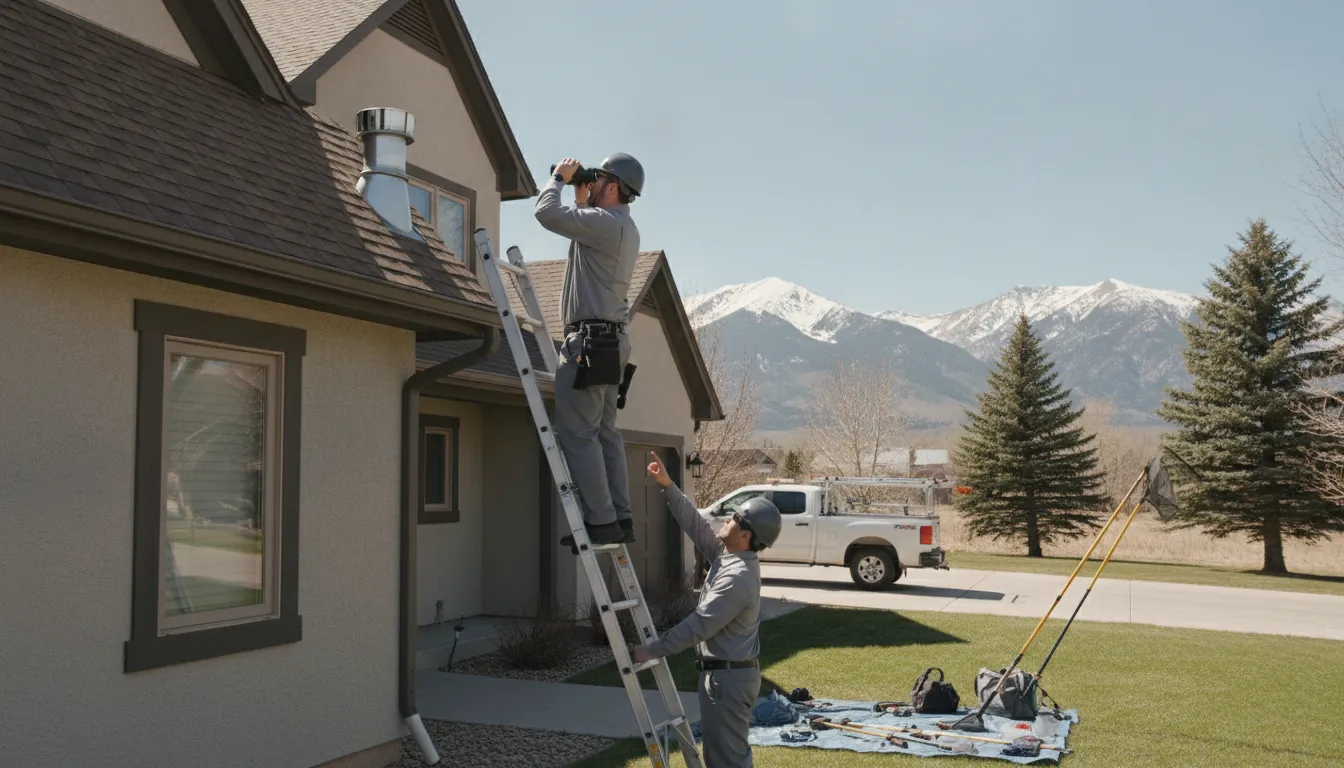
A larger or more complicated home may take longer because the technician needs to inspect and address more areas. It is better to spend the necessary time finding meaningful entry points than to close only the most visible gap and leave another route open. Beeline's approach is tailored to the home's construction and the conditions found during the assessment, rather than based on a one-size-fits-all hour count.
Why the follow-up matters
Exclusion is intended to create a lasting physical barrier, but the work should not end when the last seal is installed. A follow-up assessment checks that the seals remain intact and that no new entry points have appeared. Seasonal re-inspections are also recommended because temperature changes, weather, and shifting rodent behavior can expose new vulnerabilities around a Colorado home.
That ongoing perspective is part of the value of exclusion. Instead of relying indefinitely on trap or bait service, homeowners make a one-time barrier investment designed to reduce recurring access. It does not eliminate the need for reasonable maintenance, but it can make future rodent problems less likely and easier to manage.
DIY Rodent Exclusion vs. Hiring a Professional
DIY sealing can make sense when you have found one obvious, accessible gap and can repair it correctly. The challenge is that rodents rarely use only the opening you noticed. Homeowners commonly miss entry points in rooflines, attics, crawl spaces, vents, and foundation areas. A patch that looks complete from the ground may leave a route into the structure untouched.
Materials and installation matter just as much as finding the gap. The CDC recommends sealing openings with durable barriers, and hardware cloth must be fastened with heavy-duty screws or staples. If it is loosely attached, rodents may pry it away. Caulk can help close smaller gaps, but larger openings usually need a mechanical barrier rather than caulk alone.
| Consideration | DIY mitigation | Professional exclusion |
|---|---|---|
| Inspection thoroughness | Usually limited to visible, reachable gaps. Hidden roof, attic, crawl-space, vent, and foundation entry points can be missed. | A structure-wide assessment can identify less obvious routes, including roofline and chimney areas, crawl-space vents, and foundation gaps. |
| Materials effectiveness | Can work when the right materials are selected and installed securely. Loose hardware cloth or caulk-only repairs may fail. | Uses a plan suited to the opening and the home's construction, with barriers secured for lasting resistance to chewing and prying. |
| Time and effort | Lower initial commitment, but locating every gap, accessing tight areas, and returning for repairs can take considerable time. | More efficient for complex homes because inspection, materials, installation, and follow-up are organized as one service. |
| Cost | Often lower upfront if the problem is small and accessible, but missed openings can lead to repeated work or additional damage. | Comprehensive exclusion in Denver can range from several hundred to over $1,000, depending on the structure and number of entry points. |
| Guarantee | No service guarantee beyond the homeowner's own repair and future monitoring. | Beeline includes a pest-free guarantee and free re-treatments when service requirements are not met. |
Professional plans are tailored to Colorado residential architecture, including the venting and foundation features common across Denver-area homes. Properly sealing gaps may also reduce drafts and improve energy efficiency. If you choose professional help, ask what areas will be inspected, which materials will be used. How existing rodents will be addressed before sealing, and whether follow-up support is included. For a home with recurring activity or difficult-to-reach entry points, that detail can matter more than the lowest initial quote.
Beeline Pest Control's Exclusion Guarantee
Rodent exclusion is a practical investment, but homeowners should not have to guess whether the work was done thoroughly or what happens if the problem continues. Beeline Pest Control backs its service with a pest-free guarantee and free re-treatments when a customer is not satisfied. That promise gives you a clear path forward if follow-up attention is needed. Without suggesting that every home has the same entry points or that prevention eliminates every possible future pest issue.
The process starts with an inspection of the property and the conditions that may be allowing rodents inside. Technicians look beyond the most obvious gap and consider areas such as foundations, vents, rooflines, crawl spaces, and other openings. The goal is to identify practical ways to reduce access, address the current infestation appropriately, and explain which repairs or prevention steps matter most for the home.
Licensed, local service with accountability
Beeline is licensed by the Colorado Department of Agriculture, and its team brings more than 26 years of pest management experience to residential service. The company has been family-owned and operated since 2009, so customers work with a local provider rather than a distant national call center. That matters when exclusion work requires careful communication, a return visit, or a recommendation tailored to the construction and condition of a Denver-area home.
Beeline serves homeowners across a 50-mile radius, including the Denver metro area, Boulder, and Colorado Springs. If you are hearing activity or seeing fresh signs and need help quickly, same-day or next-day availability may be possible for urgent infestations. Availability depends on the schedule and location, but calling early can help prevent a small access problem from becoming a larger one.
For a broader look at removal, prevention, and exclusion, read the Denver Rodent Control: Mice, Rats & Exclusion Guide. Then request an inspection so Beeline can evaluate your home, explain the recommended scope, and provide an honest estimate. The right exclusion plan is not simply about sealing more holes. It is about addressing the conditions at your property and standing behind the service provided.
Talk with a licensed, local team about rodent exclusion for your home. Call Beeline at 303-586-5231 now.
Frequently Asked Questions
How much does rodent exclusion cost in Denver?
Comprehensive rodent exclusion generally costs several hundred dollars to more than $1,000, depending on the number of entry points, the home's construction, and the repairs required. A thorough inspection is the best way to get an accurate estimate because basic rodent removal and structural exclusion are different services. Beeline can explain the recommended work before you approve it.
What is rodent exclusion versus simple removal?
Removal addresses rodents already inside the home through methods such as trapping or other control measures. Exclusion addresses how they got in by sealing gaps and reinforcing vulnerable areas. Effective work often combines removal with exclusion, since sealing an occupied space can trap rodents indoors. The goal is to resolve the current problem while reducing the chance of another entry.
Why is structural sealing necessary for rodent control?
Rodents can use surprisingly small openings. According to the CDC, mice can fit through holes about the size of a dime, while rats can use openings about the size of a quarter. Common inspection points include gaps around pipes, vents, foundations, rooflines, and crawl-space barriers. Sealing those routes addresses the source instead of relying only on repeated visits.
How long does a professional rodent exclusion process take?
The timeline depends on the home's size, the number of entry points, and whether damaged materials need repair. A professional visit typically includes inspection, removal planning, sealing or barrier installation, and a follow-up assessment to confirm the seals hold. Seasonal inspections can also help identify new gaps before they become an active infestation.
Ready to Stop Rodents From Coming Back?
Removal and exclusion work best as part of one plan. Beeline Pest Control starts with a free inspection that identifies the gaps letting rodents back in. Then walks you through the recommended scope, the materials, and an honest estimate before any work begins. You get a clear picture of what exclusion involves and what it should cost for your specific home, not a generic quote.
Because the team is licensed, local, and family-owned. You work directly with people who stand behind the pest-free guarantee and will return for free re-treatments if you are not fully satisfied. Same-day or next-day availability may also be possible for an active infestation.
Schedule a free rodent inspection and get a clear exclusion estimate today. Call Beeline Pest Control at 303-586-5231 now.
Get Your Free Pest Control Quote for Aurora, CO
Ready to make your home pest-free? Simply tell us a little about what you need, and our friendly team at Beeline Pest Control will call you back with a custom, no-obligation quote. Serving homeowners in Aurora, Colorado, we're here to help protect your home from unwanted pests quickly and effectively. Get started on your path to a pest-free home today!
More Blogs
Some other blogs you might be interested in