How to Get Rid of Carpenter Ants in Denver: Professional & DIY Solutions
A pile of fine sawdust beneath your drywall is often the first warning of a carpenter ant invasion. Learn how to get rid of carpenter ants in your Denver home with professional and DIY solutions from Beeline Pest Control.
How to Get Rid of Carpenter Ants in Denver: Professional & DIY Solutions
Learning how to get rid of carpenter ants starts with finding their active nests and clearing out the damp wood that draws them to your home. You can use DIY bait gels for small nests, but large ant problems inside walls need expert help to fully destroy the colony. Our local team at Beeline Pest Control can find these hidden nests, apply safe treatments, and secure your house with a pest-free guarantee. Our licensed Colorado crew uses proven tools to wipe out the main colony, seal entry points, and keep your Denver home safe. We also offer free estimates to help you understand your options and begin the treatment process with peace of mind.
How To Get Rid Of Carpenter Ants: Signs of a Carpenter Ant Infestation in Your Denver Home
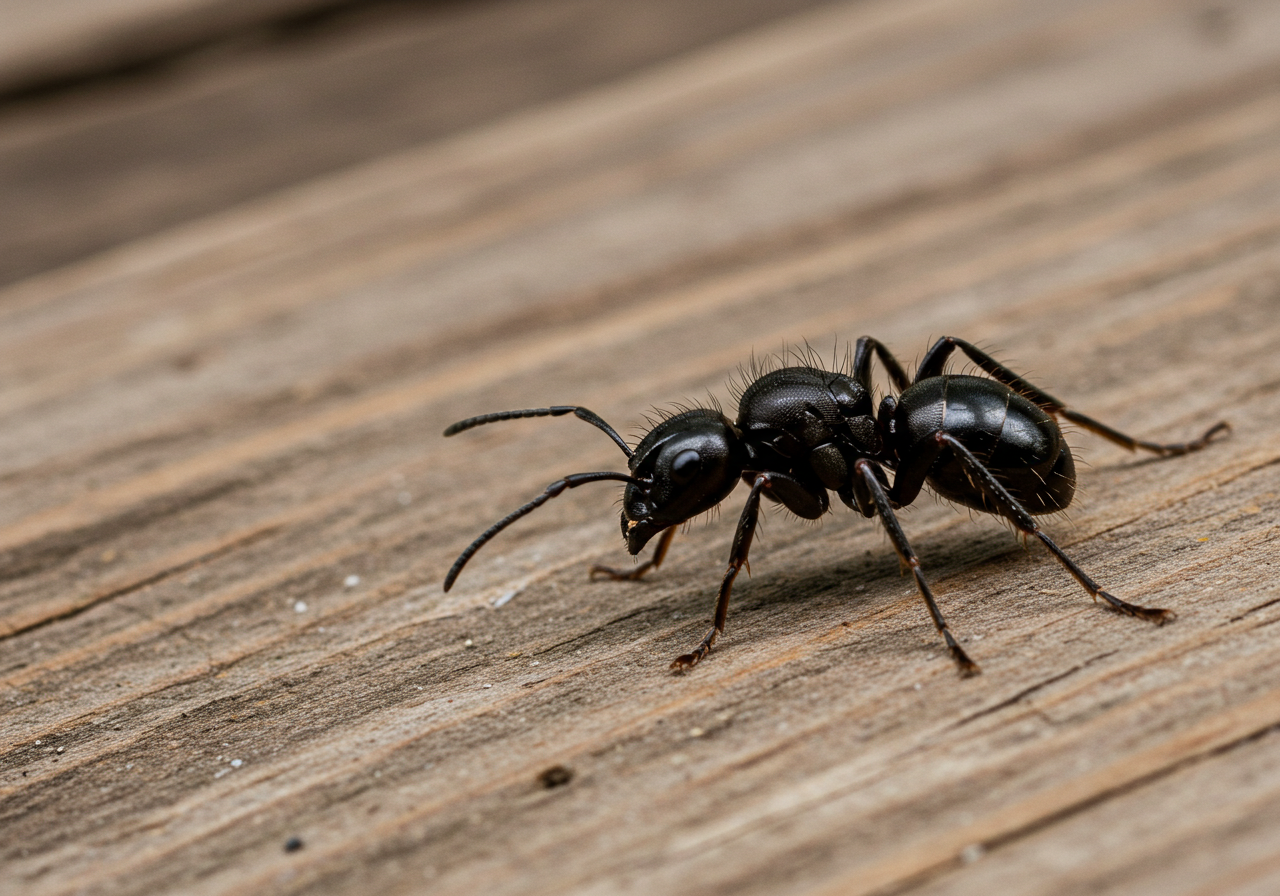
Finding ants in your home can be stressful. Knowing the signs of a carpenter ant infestation helps you protect your house. Before you learn how to get rid of carpenter ants, you should identify carpenter ants in your home. These large insects tunnel into wood to build nests, so finding them early is key to stopping serious structural harm to your home.
Shavings and frass piles
One common sign of carpenter ants is the presence of wood shavings. Unlike termites, these pests do not eat wood but chew through it to carve out clean tunnels for their nests. This is detailed in a Colorado State University Extension report on carpenter ants. The study shows that these pests remove wood rather than eat it.
As they build nests, they push out a debris called frass, which looks like small piles of sawdust. You can find these piles under doors, windows, or vents. The debris often contains dirt, insect parts, and dead ants. If you see these sawdust piles, a nest is likely active nearby.
Rustling sounds inside your walls
As a colony grows, you may start to hear them because carpenter ants are active at night. If you listen closely to your walls, you might hear faint rustling or tapping noises. This sound comes from thousands of worker ants moving inside their wooden tunnels. The noise is often louder when the ants are disturbed or when the room is quiet.
You can locate their nests by tapping on some walls. A hollow sound reveals damaged wood. If you tap an active nest, the rustling noise inside will grow louder.
Winged swarmers versus termites
Seeing large winged ants inside your home is another key sign. These winged pests, called swarmers, fly out to start new nests. Many people confuse winged ants with termites. This happens often because both pests swarm in the spring and early summer.
You can tell them apart by looking at their bodies:
• Ants have a thin, wasp-like waist and elbowed antennae.
• Termite bodies have a thick waist and straight antennae.
• Ants have front wings that are larger than their back wings, while termite wings are all the same size.
Year-round indoor activity
The timing of when you see ants inside is very important. Seeing ants inside during summer may not be a big concern. They are likely just searching for food from a nest in a nearby tree or woodpile.
But seeing ants inside during cold winter months is a clear sign of trouble. Since they are less active in the cold, winter sightings point to an indoor nest. Year-round sightings mean a big colony is living inside your warm walls. You must act fast to stop them before they do more harm.
DIY Methods to Get Rid of Carpenter Ants
You can protect your Denver home from wood pests if you act fast. While some people try quick fixes, a smart plan is the best way to clear these pests. Knowing how to get rid of carpenter ants helps you target the root of the problem.
Colony hunting and habits
Carpenter ants prefer to nest in water-damaged wood that is soft and decayed. Finding where they hide can be tough because they do not eat the wood like termites. Instead, they just chew paths to build their nests.
These pests often travel up to 100 yards from their main outdoor nest to find food in your kitchen. This means the bugs you see inside may come from a tree stump far out in your yard.
Eradication steps for homeowners
To get rid of these insects, you must find and destroy the queen. Experts agree that locating all nests is the hardest part of the job. Follow this plan to find the colony and stop the pest issue.
• Confirm the species. Ants have a pinched waist and bent antennae, while termites have a thick waist and straight antennae.
• Follow foraging trails. Watch for bugs at dusk and track their paths to find where they enter walls or crawl spaces.
• Use gel baits. Set out sweet and protein baits near active trails so worker ants carry the slow-acting bait back to the nest.
• Apply void dust. Drill small holes and inject a non-repellent insect dust into wall voids where you suspect the nest is hidden.
• Fix moisture sources. Repair leaky pipes and replace damp wood to stop pests from nesting in your home.
Why contact sprays fail
Many people buy bug sprays from the store when they see ants. These contact sprays only kill the few ants you can see out searching for food. They do not reach the queen or the main colony hidden deep inside your walls. When you spray, you may also cause the colony to split and form new nests in other rooms.
If you want to clear a big ant problem, you might need a professional ant control service. Local experts have the right tools and gear to find hidden nests. They can treat the entire structure safely so the pests do not return next year.
Why Baits Are More Effective Than Sprays for Carpenter Ants
Homeowners often grab a spray can when they first spot these wood ants. They want a fast, easy fix to protect their wood. But sprays only kill the foragers you see, which is just a tiny part of the problem. If you want to learn how to get rid of carpenter ants, you must see why baits work best.
How baits destroy nests
Baits work slowly so worker ants do not die right away. They take the bait back to the nest and share it with the queen and larvae through food exchange. This slow process is the only way to destroy the entire nesting source. Local carpenter ants often build hidden nests deep inside wall spaces. Baits are vital because they reach these deep areas where sprays cannot go.
Why liquid sprays fail
Liquid contact sprays only coat the outer surfaces of walls and baseboards. They kill the few ants that cross them but fail to reach the main nest. In fact, some sprays can cause budding, where the colony splits and creates new nests to survive. Finding and treating every nest is the hardest and most critical step in stopping these pests. Sprays bypass this step and leave your home structure at risk.
Baits versus sprays
Treatment Method | How It Works | Nests Reached | Colony Results | Safety Risk
Carpenter Ant Baits | Ants eat slow poison and share with the nest. | Reaches main and satellite nests deep in walls. | Kills the queen and kills the whole colony. | Low risk, placed in secure spots.
Liquid Chemical Sprays | Kills foraging ants on contact. | Only reaches ants walking on surfaces. | Only temporary relief; nests survive. | Higher chemical contact risk on walls.
Expert help for Denver homes
Denver's dry air can drive carpenter ants indoors for water, which makes them hard to stop. A large ant problem often needs expert care to find satellite nests and use baits safely. Expert help ensures the whole colony is gone. If you want to protect your home, you can learn how to spot carpenter ants before you start. You can read about local ants at the Colorado State University Extension to learn their habits.
How to Find and Treat Carpenter Ant Nests
To keep your Denver home safe, you must learn where these pests live. Knowing how to get rid of carpenter ants needs finding and destroying their nests. According to state pest studies, locating active nests is the hardest and most vital step in the control process. If you only kill the ants you see on your kitchen counters, the colony will keep growing inside your wooden walls.
Parent nests versus satellite nests
Carpenter ants build two types of nests to grow their colony. The parent nest is almost always outdoors in old wood, like damp tree stumps, dead logs, or firewood piles. These outdoor sites keep the queen and her eggs wet enough to survive. In Colorado, homes with damp crawl spaces or yards near mountain forests are at high risk for these pests.
Once the main colony gets too big, the ants build satellite nests indoors. They move into dry wall voids, attics, and wood near roof leaks. Worker ants will travel up to 100 yards from the parent nest to these indoor sites. This means an active nest inside your walls is often linked to a colony in your yard.
Tips for locating indoor nests
Finding a hidden nest takes time and patience. Because these pests are active at night, you should search for trails at dusk. Watch where the ants go as they carry food back to their colony. You can track their paths back to cracks in your walls or siding.
You can also find nests by listening to your walls. Tap on drywall in areas with water damage, like near sinks or crawl spaces. A hollow sound reveals damaged wood, and you might hear faint clicking from the disturbed ants. For long-term peace of mind, you can use our home pest control services to find these hidden areas before serious damage occurs.
Treating hidden nesting sites
Once you find a nest, you must treat it directly to stop the pest issue. For simple nests, you can inject special insect dusts into wall voids. These dusts cling to the ants and spread through the colony to kill the queen. You must also fix leaks and dry out wet wood to keep pests from coming back.
But treating nests deep inside crawl spaces or tall attics is very hard. If you cannot reach the nest, DIY methods will fail. Our local crew has the training and safety gear to handle tough nesting spots. Expert help ensures you reach both the parent and satellite nests to protect your Colorado home.
Preventing Carpenter Ants from Coming Back
To protect your home, you must keep wood dry. Carpenter ants prefer decayed or water-damaged wood to build their nests. In Denver, the winter freeze-thaw cycles can crack your foundation and let water seep in. You should fix plumbing leaks right away and run downspouts at least five feet from your walls. Keeping moisture out is key when you want to know how to get rid of carpenter ants and stop future colonies.
Eliminating water and wood contact
Ants are small and can fit through tiny cracks in your siding. You should seal gaps around pipes, wires, and windows with strong caulk. Also, trim tree branches that touch your roof or siding. Ants use these branches as easy bridges to march into your attic or crawl spaces.
Firewood is another big risk for pest problems. In Colorado, mountain pine beetle wood is common, and these logs often hide active ant colonies. You must store firewood at least twenty feet away from your foundation and off the ground. Check each log before you bring it inside your house. Never stack wood against your house walls, or you will invite pests inside.
Colorado seasonal care and checks
Preventing pests in Colorado is a year-round job. In the spring, inspect your home for winter damage. Heavy snow and ice can split wood trim, tear gutters, and create damp spots. Check your crawl space and roof line for leaks. Fixing these areas early is the best way to stop pests.
Managing moisture in the fall is also key to saving your home. You should clean out gutters in the fall so melting snow flows away from your roof. The Colorado State University Extension suggests checking for damp wood in dark, wet areas. Keep crawl space vents open and clear of leaves. Taking these steps each year will keep ants from finding a home in your walls.
Frequently Asked Questions
Why do I suddenly have carpenter ants in my house?
You see these pests inside because they are searching for water, food, or damp wood to build a nest. Carpenter ants often enter homes through small cracks in foundations, utility lines, or tree branches that touch your roof. According to the Colorado State University Extension, these pests are most active in spring. This is when new winged swarmers fly out to build new nests. Fixing water leaks and replacing wet wood will help keep them out.
What will keep carpenter ants away?
To keep these pests away, you must remove the food, water, and damp wood they need to survive. Clean up food crumbs in your kitchen and store food in airtight containers. Fix any pipe leaks and replace water-damaged wood inside your walls. Trim your tree limbs so they do not touch your roof or siding. Finally, keep firewood piles at least twenty feet away from your home's foundation.
Can you get rid of carpenter ants naturally?
Natural methods like vinegar sprays can disrupt ant trails, but they will not kill a nest deep in your walls. A study from the University of Minnesota Extension shows that worker ants can travel up to one hundred yards from their main outdoor colony. Natural sprays only kill the few pests you see outside of their nest. To clear the whole colony, you must use slow-acting baits that reach the queen.
How long does it take to get rid of carpenter ants?
The time it takes to clear these pests depends on the size of the colony and the treatment you use. Simple bait traps can take two to four weeks to destroy a small nest. A large infestation with satellite nests inside walls can take several weeks or months to fully wipe out. Professional pest control teams use specialized tools to find and treat hidden nests quickly. This often resolves the problem in just a few days.
Protect your Denver home from destructive carpenter ants today
Leaving an active ant nest alone in your walls can quickly lead to severe structural wood damage that costs thousands of dollars to fix. When you wait to treat them, the bugs keep tunneling through your home, which means larger repair bills and more stress for your family. Taking action now allows you to stop the pests before they spread, protect your precious property value, and keep your local home safe.
Ready to protect your home and get rid of these pests for good? You do not have to deal with this stressful and difficult pest problem on your own. Call (303) 586-5231 to schedule a free inspection and get professional help you can trust.
Get Your Free Pest Control Quote in Aurora, CO Today!
Facing unwelcome pests in your Aurora home? Tell us a little about your pest problem, and Beeline Pest Control will quickly call you back with a free, no-obligation quote. Reclaim your home from pests – fast!
More Blogs
Some other blogs you might be interested in