
Spring Pests Colorado: Your Guide to Ants, Bees, and Spiders
Spring in Colorado brings beautiful weather, but also common pests like ants, bees, and spiders. Learn how to protect your home and family from these invaders with expert tips and solutions from Beeline Pest Control.
Colorado's first warm afternoons can bring more than sunshine. As snow melts and temperatures rise, ants may move indoors, queen wasps begin looking for nesting sites, and spiders become more active as their prey emerges. Waiting until you see a large infestation can make prevention harder.
The most common spring pests Colorado homeowners notice are ants, bees and wasps, and spiders. Start preventive pest control in early spring, ideally before colonies expand or queens establish new nests. An inspection, targeted treatment, and simple exclusion work can help protect your home while keeping family and pet safety in view.
Spring activity does not begin on the same calendar day across the Front Range. Local weather, moisture, and shelter around your home all influence when pests appear, which is why timing matters as much as the treatment itself.
Call 303-586-5231 or schedule online for a free spring pest inspection. Beeline's licensed technicians know what to look for and can treat before ants, bees, or spiders become a problem.
Spring Pests Colorado: Why Spring Pest Activity Starts Early in Colorado
Colorado's Front Range can shift from winter conditions to pest-friendly weather in a matter of days. Warm afternoon stretches bring insects out of sheltered areas, while moisture from late-winter snowmelt softens the soil and supports early movement. In the Denver area, that combination can prompt ant colonies to search for food and shelter before many homeowners expect to see them. Local pest observations have linked early ant activity with these warm, wet conditions.
Warm weather changes the spring pest timeline
The region's warmest winter on record, followed by stretches of unusual warmth in March, has made an earlier pest season a reasonable concern. The National Pest Management Association's forecast also warns that pest activity may start sooner and hit harder across much of the country this year. A pattern discussed in a Colorado spring pest forecast. That does not mean every home will experience an infestation. It does mean waiting for a large number of insects to appear can put homeowners behind the activity curve.
What early activity looks like around a home
Some of the first signs are easy to miss. Pavement ants may create small sand volcanoes in cracks along a driveway or foundation. Odorous house ants can trail indoors toward food and moisture; when crushed, they may give off a distinctive rotten-coconut smell. These clues can help distinguish an active entry route from an isolated insect.
Wet spring weather can also drive millipedes and centipedes toward homes, especially where damp soil, leaf litter, or foundation gaps provide access. Colorado State University Extension notes that these nuisance invaders commonly enter buildings during wet periods in mid-spring. Reducing moisture and sealing entry points can limit opportunities for them to get inside.
Because conditions vary across Denver, Boulder, Colorado Springs, and nearby communities, an inspection is more useful than relying on the calendar alone. Look for trails, sand piles, damp areas, and gaps around windows or doors, then address the entry points before spring activity expands.
Ants: The First Spring Invaders in Colorado
When warm afternoons arrive and snowmelt leaves the soil damp, ant colonies begin searching for food, water, and shelter. That makes ants some of the earliest spring pests Colorado homeowners notice. A few ants indoors may signal a nearby trail or colony, so identifying the species helps determine the right response.
Pavement ants leave clues outdoors
Pavement ants are small, dark ants commonly seen around foundations, sidewalks, and driveways. Look for tiny sand piles, sometimes resembling little sand volcanoes, pushed up through cracks in the driveway or along paving stones. Those piles mark active nesting areas and can help you trace where ants are entering the property.
Odorous house ants move indoors
Odorous house ants often follow trails into kitchens, bathrooms, and other areas where they can find moisture or food. If one is crushed, it may give off a distinct rotten-coconut smell. Avoid relying on repeated spraying alone, which can scatter activity and make trails harder to control. Our odorous house ant guide explains more identification and control steps for Colorado homes.
Carpenter ants deserve prompt attention
Carpenter ants are different from pavement and odorous house ants because they can excavate galleries in damp or deteriorating wood. Finding larger ants, sawdust-like material, or repeated activity near window frames, roof edges, or moisture-damaged areas warrants a closer inspection. Our Denver carpenter ant control guide covers professional and do-it-yourself considerations.
Spring treatment matters because colonies are building momentum. An inspection followed by an early perimeter treatment can address active trails and help stop colonies before they expand or establish satellite colonies around the home. Treatment should be paired with prevention, not used as a substitute for it.
Start by sealing structural entry points, including gaps around baseboards, loose window seals, and openings where plumbing enters walls. Repair moisture problems, keep food sealed, and remove debris or vegetation touching the foundation. These small improvements make the home less accessible to ants and other pests. For a broader month-by-month view, see our Colorado ant season guide.
Bees and Wasps: When Queens Emerge and Build
As Colorado flowers begin to bloom, bee activity increases. Wasps also become more visible, but their spring behavior is different. Queen wasps emerge in spring and begin building a new nest, usually starting with a small structure that can expand rapidly as workers join the colony. That makes early spring an important window for spotting activity before a nest becomes large and difficult to manage.
Bees are not always a pest problem
Many solitary bees are gentle pollinators that live alone rather than defending a large communal nest. They may appear around flowering plants, garden beds, or small openings in soil and wood, but their presence does not automatically call for treatment. Avoid disturbing them when possible, especially if they are simply visiting flowers. If bees are entering a wall, attic, chimney, or another part of the home, professional identification can help determine the safest response.
Social wasps and hornets defend their nests
Social wasps and hornets live in colonies and become defensive when people approach the nest. A nest hidden under an eave, inside a wall void, or near a doorway can create a stinging risk for children, pets, and anyone doing yard work. Watch for repeated wasp traffic to one location, small paper-like nest construction, or insects entering a crack in the exterior.
Early spring is the best time to address a small nest or a queen starting a colony. Removing the problem at this stage can help prevent the population from growing to thousands later in the season. For identification and safe next steps, see Beeline's wasp nest removal guide and its advice on wasp and bee control.
Why DIY nest removal can backfire
Spraying or knocking down a nest without knowing its location, size, or species can trigger defensive behavior and expose you to multiple stings. Treatments may also fail when the nest is inside a wall or another inaccessible space. A trained technician can inspect the activity, identify the insect, and select a targeted treatment that protects people, pets, and the surrounding area. If bees need relocation rather than control, review Beeline's safe bee hive removal information.
Spiders in Colorado Springs: What to Expect
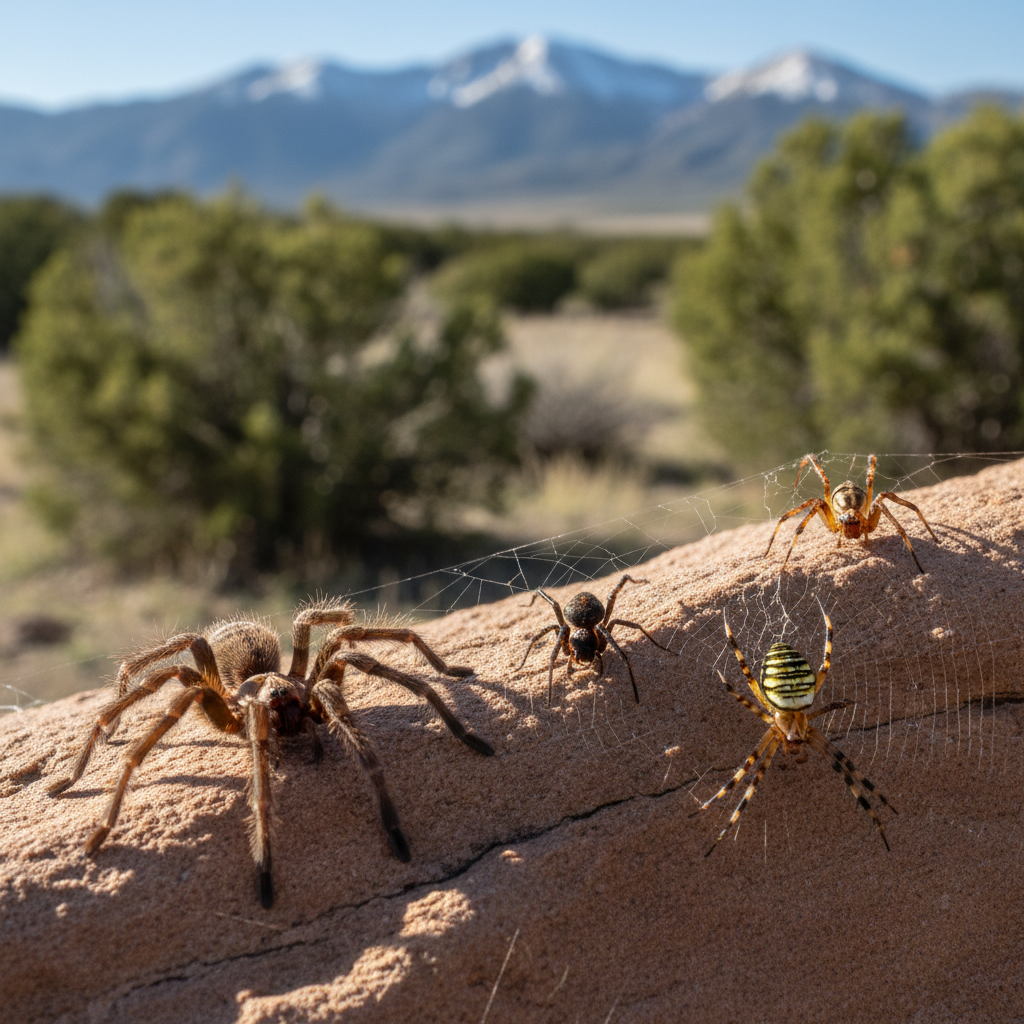
Spiders can become more noticeable indoors as spring warms up across Colorado Springs and the Front Range. In most cases, their presence does not mean your home has an established indoor infestation. Many spiders found in Colorado homes are incidental transients. They wander inside while looking for prey or shelter and generally do not reproduce in buildings, according to Colorado State University pest guidance.
Why spiders show up in spring
Spring pest activity follows the activity of other insects. As small flying and crawling insects become available, spiders may follow them toward entry points, garages, basements, crawl spaces, or other sheltered areas. A spider indoors is usually hunting, not seeking people. That is reassuring for most homeowners, but repeated sightings can indicate that insects are getting inside or that outdoor harborage is close to the structure.
Funnel weavers are a common example. Most found in homes are seasonal transients that typically wander indoors in late summer or early fall, although they can be encountered at other times of year. Their appearance in spring does not automatically signal a dangerous species or a serious household problem.
Practical ways to reduce spider activity
Start with simple exclusion and cleanup measures:
- Vacuum spiders, webs, and egg sacs when you find them, especially in corners, window wells, basements, and garages.- Remove leaves, firewood, cardboard, and other debris from around the foundation.- Seal cracks around windows, doors, baseboards, utility lines, and other potential entry points.- Reduce the insects that attract spiders by addressing lighting, moisture, and general pest activity near the home.
Colorado State University lists cleaning breeding sites, vacuuming, trapping, and selective insecticide use among the primary spider-control measures. For a broader checklist, see our Denver pest prevention guide. If spider activity continues despite cleanup and sealing, a professional inspection can identify the entry points and prey insects driving the problem. Then recommend a targeted treatment rather than unnecessary spraying throughout the home.
Colorado Spring Pests at a Glance
| Pest | When They Emerge | Key Signs | Best Action |
|---|---|---|---|
| Ants (pavement, odorous, carpenter) | Late February - April | Sand piles in cracks, indoor trails, rotten-coconut smell | Seal entry points, early perimeter treatment |
| Bees and Wasps | March - May | Queen sighting, small paper nests, buzzing near eaves | Professional inspection, early nest removal |
| Spiders | March - June | Webs in corners, visible spiders in basements or garages | Vacuuming, sealing gaps, reducing prey insects |
Building Your Spring Pest Prevention Plan
A practical plan starts before spring pests become an indoor problem. In Colorado, March through May is an important window for preventive perimeter treatments and early ant control, before colonies have more time to expand. Walk through these steps in order, then bring in a professional when you want a more thorough inspection or treatment plan.
- Inspect the exterior and foundation
Walk around your home and look closely at the foundation, window frames, door thresholds, siding, and areas where utility lines or plumbing enter the structure. Note cracks, loose seals, torn screens, and gaps around pipes. Check the garage and basement as well. Small openings can give ants and other pests a direct route indoors, especially when they are seeking food, moisture, or shelter.
- Seal entry points promptly
Use exterior-rated caulk for cracks and stationary gaps. Add or replace weatherstripping around doors and windows, and repair damaged screens. Sealing structural entry points, including gaps at baseboards, window seals, and plumbing penetrations. Is an essential preventive measure that can make it harder for ants and many other pests to get inside. Learn more about sealing entry points for ant prevention.
- Remove moisture and outdoor shelter
Clear leaf piles, fallen branches, mulch that has settled against the foundation, and other yard debris. Empty containers that collect rain or snowmelt, and correct drainage problems that leave standing water near the home. Wet debris can provide shelter for insects and nuisance invaders, while standing water can attract pests and create conditions they prefer.
- Trim vegetation away from the home
Keep shrubs, vines, and tree branches from touching the siding or roofline. Vegetation that contacts the structure can provide a bridge for crawling pests and hold moisture against the exterior. Pruning it back also makes cracks, nests, and other activity easier to spot during routine checks.
- Schedule an early-spring perimeter treatment
Once the property is inspected and obvious entry points are addressed, schedule a professional perimeter treatment in early spring. Beeline Pest Control uses a three-step methodology: inspection, treatment, and protection. That means identifying conditions around your home, applying an appropriate treatment, and helping protect the property against recurring activity. Call 303-586-5231 or book a free estimate and inspection to discuss your home. Beeline also backs its service with a satisfaction guarantee and free re-treatment when needed.
Ready to protect your home this spring? Call Beeline Pest Control at 303-586-5231 or request your free estimate online. We back every service with our 100%% satisfaction guarantee.
Frequently Asked Questions
What are the most common spring pests in Colorado?
Ants, bees and wasps, and spiders are among the most noticeable spring pests in Colorado. Ant activity often begins when warm afternoons and snowmelt create favorable conditions. Spiders become more visible as prey insects emerge, while queen wasps may begin building new nests. Wet spring weather can also drive millipedes and centipedes toward homes.
When should I start pest control in Colorado?
Start with an inspection and prevention plan in early spring, before pest activity becomes established around the home. Sealing entry points, correcting moisture issues, and addressing outdoor harborage early can reduce later pressure. Treatment timing should reflect current weather, the pests present, and conditions around your property.
How can I get rid of ants in Colorado spring?
Begin by identifying where ants are entering and sealing cracks around foundations, windows, doors, and utility openings. Remove food and moisture sources, then use a targeted treatment for active trails and nesting areas. If ants keep returning, a professional inspection can distinguish pavement ants, odorous house ants, and carpenter ants so the treatment addresses the colony instead of only visible workers.
Are spiders a problem in Colorado in the spring?
Many spiders found inside Colorado homes are incidental visitors seeking prey or shelter rather than establishing large indoor populations. Reduce activity by sealing gaps, removing webs and breeding sites, and limiting insects around the structure. Selective treatment may be useful when spider activity is persistent or concentrated.
Do wasps come out in the spring in Colorado?
Yes. Queen wasps emerge in spring and begin building new nests, so early activity may appear around eaves, sheds, garages, or sheltered outdoor areas. Do not disturb a nest if its location or species is uncertain. A professional can assess the situation and remove or treat it with appropriate safety precautions.
Schedule Your Spring Pest Treatment Plan
Early spring is a practical time to address pest activity before ants, bees, wasps, or spiders become more established around your home. Beeline Pest Control can help you choose a treatment approach that fits your property and seasonal concerns. To schedule your spring pest treatment plan, call 303-586-5231 and speak with the team about next steps.
Get Your Free Aurora Pest Control Quote Today!
Ready to say goodbye to pests in your Aurora home? Fill out our short form to request a free, no-obligation quote from Beeline Pest Control. Our local experts will review your needs and call you back quickly with a personalized plan and transparent pricing to protect your family and property. Get started now!
More Blogs
Some other blogs you might be interested in