
Spring Pest Control Boulder: What Homeowners Need to Know
As spring blooms in Boulder, so do common pests! Get expert insights and practical tips every homeowner needs to know to keep your property protected. Learn how Beeline Pest Control helps you prepare and defend your home against unwelcome spring invaders.
When Boulder shifts from cold nights to warmer spring days, pests do not wait for summer to arrive. Homes near the foothills can see ants, spiders, rodents, and wasps become more active as they respond to changing temperatures and look for food, water, or shelter.
Effective pest control Boulder homeowners can rely on starts with early inspection, practical exclusion, and targeted treatment when needed. Integrated Pest Management, which the University of Colorado Boulder describes as a long-term prevention strategy, helps address the cause of pest activity while considering family, pet, and environmental safety.
Understanding why spring pressure rises is the first step toward protecting your home without alarm. Local conditions, landscaping, and a property's position along the mountain interface all influence which pests appear and how quickly a small problem can grow.
Why Spring Pest Pressure Spikes for Boulder Homeowners
Boulder's spring transition can feel gradual for people, but pests respond quickly to small changes in temperature, moisture, and shelter. At roughly 5,430 feet, Boulder sits where foothill conditions meet established neighborhoods, creating varied microclimates around foundations, retaining walls, gardens, and open spaces. As daytime temperatures rise, insects become active and rodents begin moving from protected winter hiding places.
Early spring is a critical time for pest activity in Colorado as the weather turns and animals become more active. According to the University of Colorado Boulder's Integrated Pest Management program. That timing matters because the Front Range has a relatively compressed active season, generally running from March through October. Pests have a shorter window to feed, reproduce, and find reliable shelter, so activity can become noticeable soon after the first warm stretches.
Overwintering pests move when conditions change
Many pests spend winter in wall voids, crawl spaces, soil, mulch, woodpiles, or other sheltered areas. When temperatures rise, they leave those locations seeking warmth, food, water, and access to the outdoors. Some may remain outside, while others find openings around doors, windows, utility lines, roof edges, or the foundation. A few sightings do not automatically mean an infestation, but repeated activity near the same entry point deserves attention.
Boulder homes can have several spring microclimates
Sun-facing walls may warm earlier than shaded yards. Irrigated landscaping can stay damp while surrounding soil remains dry, and foothill-adjacent properties may experience more movement from wildlife and insects. These differences help explain why one Boulder neighborhood may notice ants or spiders before another, or why activity can begin on one side of a home first.
A practical response combines inspection, exclusion, moisture management, and carefully selected treatment when needed. This prevention-first approach reflects IPM, which CU Boulder describes as a strategy for long-term pest prevention and environmentally responsible removal. For a broader view of timing and prevention, see our guide to seasonal pest control in Boulder.
Common Spring Pests in Boulder: What to Watch For
As temperatures rise, Boulder homeowners often notice more activity around foundations, windows, decks, and rooflines. Early spring is a seasonal turning point for pest activity in Colorado as weather changes and animals become more active. The University of Colorado Boulder recommends an integrated approach that combines pest removal with long-term prevention, rather than relying on a single treatment after an infestation is established.
Ants and spiders
Pavement ants are among the first noticeable spring invaders. Across the Front Range, they typically become active when soil temperatures move above about 50 degrees Fahrenheit, often from March through May. Odorous house ants may follow moisture and food indoors, while carpenter ants are a particular concern near foothill properties where mature trees. Wooded edges, and damp structural materials can create nesting opportunities.
Spiders are also common around homes near the foothills, open space, and landscaped corridors. Boulder Creek, nearby OSMP boundaries, and neighborhoods close to CU Boulder can experience more outdoor pest movement simply because homes sit near vegetation, natural cover, and habitat. Seeing an occasional spider is normal, but repeated activity around windows, garages, or entry points may indicate that insects are gathering nearby.
Rodents, wasps, and stinging insects
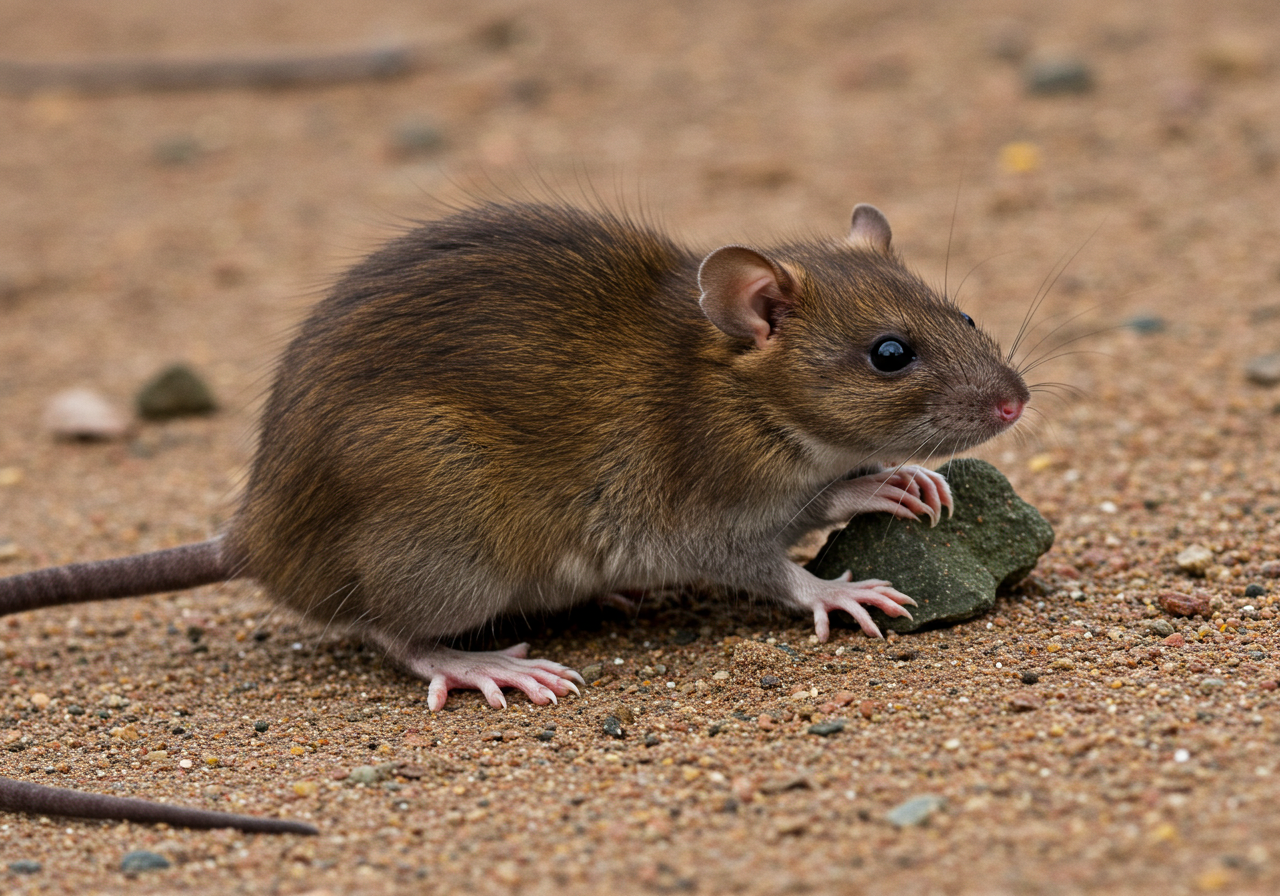
Deer mice and Norway rats can use gaps around doors, utility lines, crawlspaces, and garages to enter homes. Spring sightings should not be ignored, especially near open space or foothill areas. Exclusion is generally more effective before late summer, when rodents begin seeking protected places for cooler-weather shelter.
Wasps and hornets may begin scouting soffits, eaves, deck undersides, and other sheltered locations for nest sites. Do not disturb a growing nest or seal an active entry point without identifying what is inside. A professional inspection can determine whether the activity is from a paper wasp, hornet, or another species and guide a safer response for your household and pets.
Earwigs and crickets
Earwigs often appear in damp mulch, garden beds, and shaded areas before moving toward doors or lower-level rooms. Crickets favor lawns, foundation plantings, and warm exterior walls, and they can become a food source for spiders. Reducing moisture and sealing openings can help limit both pests.
For help identifying ant activity or choosing the right response, see our guide to pest control Boulder. A targeted plan should account for the property, surrounding habitat, and the pest species involved.
How the Boulder Mountain Interface Affects Pest Activity
Boulder sits where established neighborhoods meet foothills, open land, and mountain habitat. That boundary creates a natural transition zone for pests and wildlife. Boulder Open Space and Mountain Parks protects more than 46,000 acres, and portions of that system border residential areas. Homes near Chautauqua, Table Mesa, Gunbarrel, and North Boulder may therefore experience seasonal movement from surrounding habitat into yards, garages, crawl spaces, and other sheltered areas.
Rodents and other wildlife may move closer to homes when temperatures change or natural food and water sources become less available. Spiders can find favorable shelter around rock features, foundations, and undisturbed edges. Ants and wasps may also take advantage of small openings, vegetation, and dependable moisture near a home. This does not mean every foothill-adjacent property will develop a pest problem, but it does make exclusion and early monitoring especially valuable.
Why landscaping can increase local pest pressure
The Front Range is semi-arid, with roughly 14 to 17 inches of annual precipitation in the Boulder area. Irrigation changes that equation around a home by creating pockets of moisture and plant growth that are more attractive than the surrounding landscape. Overwatered beds, dense ground cover, leaking hose connections, and standing water can support ants, voles, mosquitoes, and other pests. Mulch and thick vegetation close to the foundation can also provide cover as pests move between open space and a structure.
Practical prevention starts with reducing those easy pathways. Keep vegetation managed near walls and rooflines, correct irrigation leaks, direct downspouts away from the foundation, and seal gaps around doors, utility lines, vents, and crawl spaces. A seasonal inspection can identify conditions that are easy to miss from inside the home.
A prevention-first approach for Boulder homes
Integrated Pest Management, or IPM, combines monitoring, exclusion, habitat changes, and carefully selected treatments rather than relying on one tactic. The University of Colorado Boulder describes IPM as a strategy for long-term prevention and environmentally responsible pest removal. Its guidance also emphasizes selecting and applying pest control materials in ways that minimize risks to people, beneficial organisms, and the environment. Learn more about CU Boulder's IPM approach.
For identification and home-and-garden prevention guidance, Colorado State University Extension provides insect guides and IPM resources for Colorado residents. Explore CSU Extension pest resources. When recurring activity continues despite basic exclusion, a licensed professional can help determine whether the source is the building, the landscape, or nearby habitat.
Spring Pest Prevention Tips for Your Boulder Home
A spring inspection is a practical way to find small openings and moisture problems before they become an invitation for ants, rodents, mosquitoes, and other pests. An Integrated Pest Management (IPM) approach combines prevention, monitoring, and targeted treatment. The University of Colorado Boulder describes IPM as a long-term strategy that can reduce risks to human health and the environment. While Colorado State University Extension provides home and garden IPM resources for Colorado residents.
- Seal the routes pests use to enterInspect the edges of exterior doors, window frames, the foundation, utility penetrations, and areas around pipes. Seal visible gaps with an appropriate exterior-grade material, and install or replace door sweeps where daylight or drafts show beneath an entry door. Check crawlspace vents for damaged screens and repair them so rodents and insects cannot use those openings as shelter.
- Complete rodent exclusion before fallDo not wait until you hear scratching in the walls. Front Range pest authority research identifies the period before September as the most effective time to complete rodent exclusion. Before cooler weather increases the pressure to find indoor shelter. Secure vents, roofline openings, garage gaps, and other access points, then address attractants such as accessible food, birdseed, and unsecured trash. Beeline's rodent control service can help identify vulnerable areas when a home needs a more thorough assessment.
- Keep the roofline and foundation less invitingTrim branches and dense vegetation back from the roofline so insects and rodents have fewer bridges to the house. Keep mulch and damp organic material from sitting directly against the foundation. A narrow, maintained gap makes it easier to spot activity and reduces the sheltered, humid conditions many pests prefer.
- Manage water around the propertyMake sure downspouts discharge away from the foundation and correct low spots where irrigation or rainwater collects. Remove standing water from buckets, toys, planters, and other containers to reduce mosquito breeding opportunities. Repair leaking outdoor faucets and review crawlspaces, basements, and sprinkler zones for persistent moisture.
- Choose prevention materials thoughtfullyIPM is not simply about applying more products. It means selecting materials and methods that solve the specific problem while minimizing effects on people, pets, beneficial organisms, and the broader environment. Start with exclusion, sanitation, habitat changes, and monitoring. If treatment is necessary, use a targeted, professionally guided application appropriate for the pest and location. For more seasonal planning, review this guide to seasonal pest control in Boulder.
These steps will not eliminate every pest risk, especially for homes near Boulder open space or the foothills. But they make the property harder to enter and easier to monitor throughout the active season.
What to Expect From Professional Pest Control in Boulder
When pests return each spring, professional service should feel straightforward, local, and accountable. Beeline Pest Control is a family-owned and operated company serving the Denver metro area, including Boulder. The business was founded in 2009, and its team brings 26 years of pest management experience to residential service calls.
That local connection matters for Boulder homeowners. A company familiar with Front Range homes can account for foothill properties, changing weather, older construction, and the seasonal movement of ants, rodents, spiders, and wasps. Beeline's Colorado Department of Agriculture-licensed technicians assess the situation, explain the recommended approach, and focus on effective treatment and practical prevention. The goal is to treat your home as if it were their own, with appropriate attention to family, pet, and environmental safety.
Boulder homeowners also have choices among established providers. EnviroPest highlights a Colorado history dating to 1965, and Axiom is another company homeowners may find in local searches. Beeline offers a different kind of relationship: a Boulder-neighbor local provider with direct accountability, rather than an impersonal experience with a large chain or distant service organization.
What the service process includes
- Inspection and explanation: The technician identifies likely entry points, activity areas, and conditions contributing to the problem.
- A tailored plan: Treatment recommendations are based on the pest, the property, and the level of activity, rather than a one-size-fits-all assumption.
- Follow-through: Beeline backs its work with a 100% satisfaction guarantee and free re-treatment if pests persist.
Beeline vs. Other Boulder Pest Control Options
Factor | Beeline Pest Control | National Chains
Years serving Boulder area | Established 2009, 26 years experience | Varies by franchise
Accountability | Family-owned, direct owner involvement | Corporate management hierarchy
Service guarantee | 100% satisfaction, free re-treatment | Varies by location
Local knowledge | Front Range, mountain interface, Boulder neighborhoods | National protocols
Beeline provides free estimates for Boulder homeowners, and same-day availability may be possible when an active problem needs prompt attention. To discuss your situation or request an estimate, contact Beeline Pest Control. For a closer look at ant prevention and treatment, read the guide to pest control Boulder.
Frequently Asked Questions
When is the best time for spring pest control in Boulder?
Early spring is a practical time to inspect your home and address entry points before pest activity builds. As Colorado weather changes, insects and wildlife become more active, and homes near the foothills may see movement from surrounding open space. A prevention-first plan can address conditions before they become a larger indoor problem. CU Boulder identifies seasonal changes as an important time for pest activity.
What common pests emerge in Boulder during spring?
Homeowners commonly watch for ants, spiders, rodents, wasps, earwigs, and crickets. The exact mix depends on the property, moisture, landscaping, and proximity to the foothills. Ants may follow warmer soil and irrigation, while rodents can use small gaps around foundations, vents, doors, or utility openings to enter.
Does spring weather affect ant activity?
Yes. Warmer soil, irrigation, and new plant growth can make yards and foundation edges more attractive to ants. Check for trails near doors, windows, plumbing penetrations, and the foundation. Reducing moisture and sealing entry points helps, while repeated indoor sightings may indicate activity outside the structure.
How can I prevent mice from entering my Boulder home?
Seal gaps around the foundation, doors, crawlspace vents, and utility lines, then check that door sweeps fit tightly. Keep food in sealed containers and reduce clutter near walls. Foothill-adjacent homes benefit from early exclusion work because prevention is easier before rodents establish indoor access.
Are residential pest control treatments safe for pets?
Safety depends on the product, application, placement, and label directions. Ask the technician exactly what preparation and re-entry steps are required, and keep pets away from treated areas as directed. An Integrated Pest Management approach selects and applies materials to minimize risks to people, beneficial organisms, and the environment, according to CU Boulder.
Ready to Schedule Your Boulder Pest Estimate?
A seasonal inspection can help identify entry points and pest activity before small issues become harder to manage. Schedule a free pest control estimate for your Boulder home by calling Beeline Pest Control at 303-586-5231. We will listen to your concerns, discuss practical options, and help you choose a thoughtful next step for your household.
Get Your Free Pest Control Quote in Aurora, CO
Ready to make your Aurora, CO home pest-free? Just tell us a little about your pest problem below. Our friendly Beeline Pest Control team will quickly call you back with a personalized, no-obligation quote. Start your journey to a pest-free home today!
More Blogs
Some other blogs you might be interested in