Hobo Spider Colorado Fall Pest Survival Guide
As Colorado's autumn chill sets in, hobo spiders often seek warmth indoors. Discover practical tips and expert advice from Beeline Pest Control to identify, prevent, and protect your home from these unwanted fall invaders. Keep your family safe and your home pest-free this season!
When Colorado nights turn colder, the pests that stayed out of sight during summer start looking for protected spaces indoors. Gaps around doors, foundations, windows, and utility lines can become convenient entry points for spiders, mice, rats, and stink bugs across the Denver metro and Front Range.
For hobo spider Colorado concerns, focus first on sealing entry points, reducing clutter and moisture, and avoiding needless panic. Funnel weaver spiders are among the most common spiders found in Colorado homes. And male hobo spiders are more noticeable in fall as they wander in search of females, according to Washington State University research. Professional identification and targeted treatment can help when activity persists.
Don’t let Colorado pests take over your home this fall. Call Beeline Pest Control at 303-586-5231 or schedule a free estimate today.
The same seasonal shift that brings wandering spiders into view also encourages rodents to seek warmth and stink bugs to shelter for winter. Understanding why each pest enters, and where to look first, makes fall prevention more practical and effective.
Why Colorado Pests Seek Shelter Indoors in the Fall
When Colorado nights turn colder, pests respond to the same basic pressures as any other living creature: they need a place to survive, find food, or reproduce. Homes offer warmer temperatures, protection from wind and snow, and plenty of hidden spaces around foundations, garages, windows, and wall voids. That seasonal movement can make fall pest activity feel sudden, even when the pests were developing outdoors for weeks.
Spiders become more noticeable during fall mating season
If you see a large, fast-moving funnel-weaver spider indoors, the timing may explain it. Male hobo spiders wander in fall while searching for females, which is when people encounter them most often. Funnel weavers are also among the most common spiders found in Colorado homes. Their increased movement does not necessarily mean a home is infested, but gaps near doors, foundations, and other ground-level openings can give wandering spiders an easy route inside.
Appearance alone is not a reliable way to identify a hobo spider. Several funnel weavers look similar, and precise identification may require microscopic examination. Keeping that distinction in mind helps homeowners respond calmly instead of assuming every fall spider is dangerous.
Rodents move toward warmth, food, and cover
Mice and rats are less interested in the changing season itself than in the resources it threatens. As temperatures drop, they look for warm, sheltered spaces where they can nest and find dependable food. A small gap around a utility line, garage door, roofline, or foundation may be enough for entry. Once inside, rodents can remain hidden in attics, crawl spaces, wall voids, and cabinets, where signs may not appear until activity increases.
Stink bugs search for places to overwinter
Stink bugs and other occasional invaders use buildings as winter shelter. In fall, they may gather around sunny exterior walls before slipping through cracks, screens, roofline gaps, or other openings. They are usually a nuisance rather than a serious household threat, but indoor clusters can be frustrating and difficult to remove without addressing the entry points.
These three patterns, spider movement, rodent shelter-seeking, and stink bug overwintering, call for different prevention strategies. For a broader month-by-month approach, review our guide to seasonal pest control in Colorado.
Hobo Spiders in Colorado: Identification, Behavior, and Safety
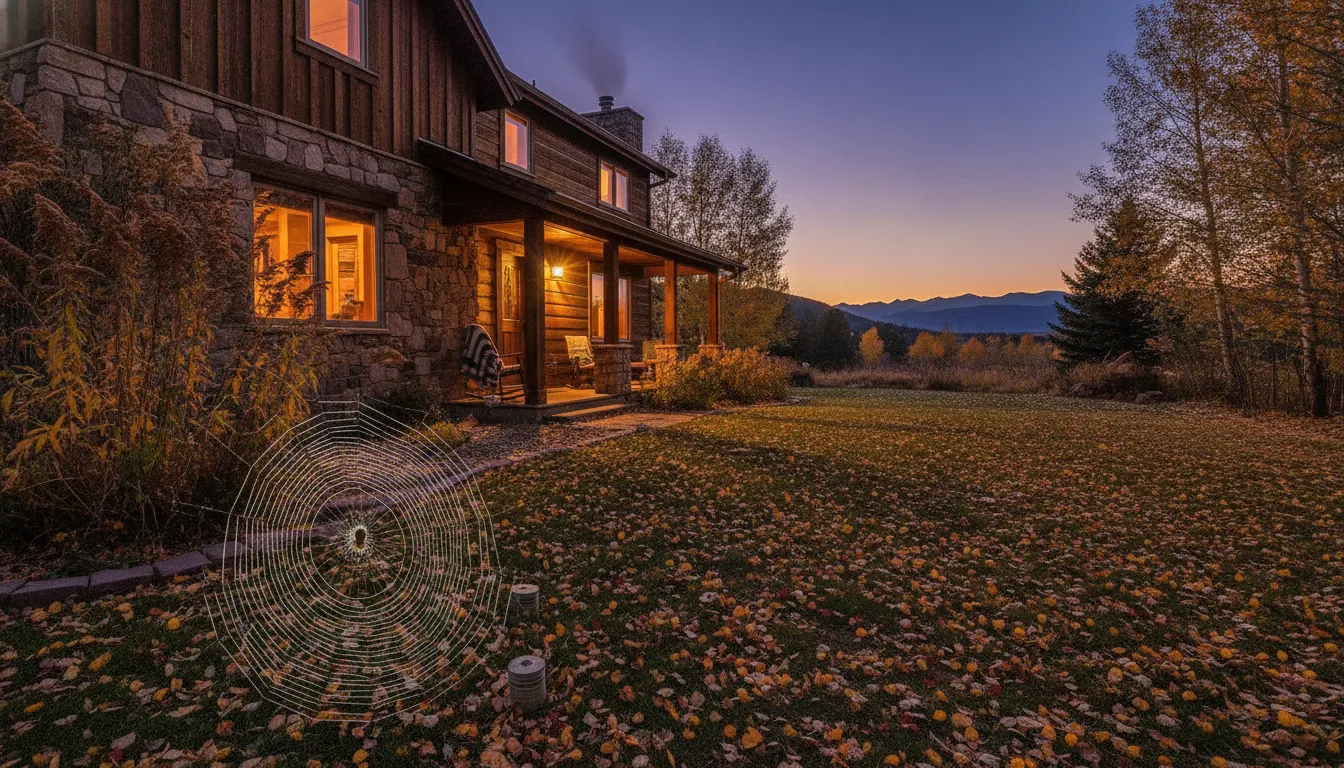
Fall brings spiders, rodents, and stink bugs indoors as temperatures drop in the Denver metro area.
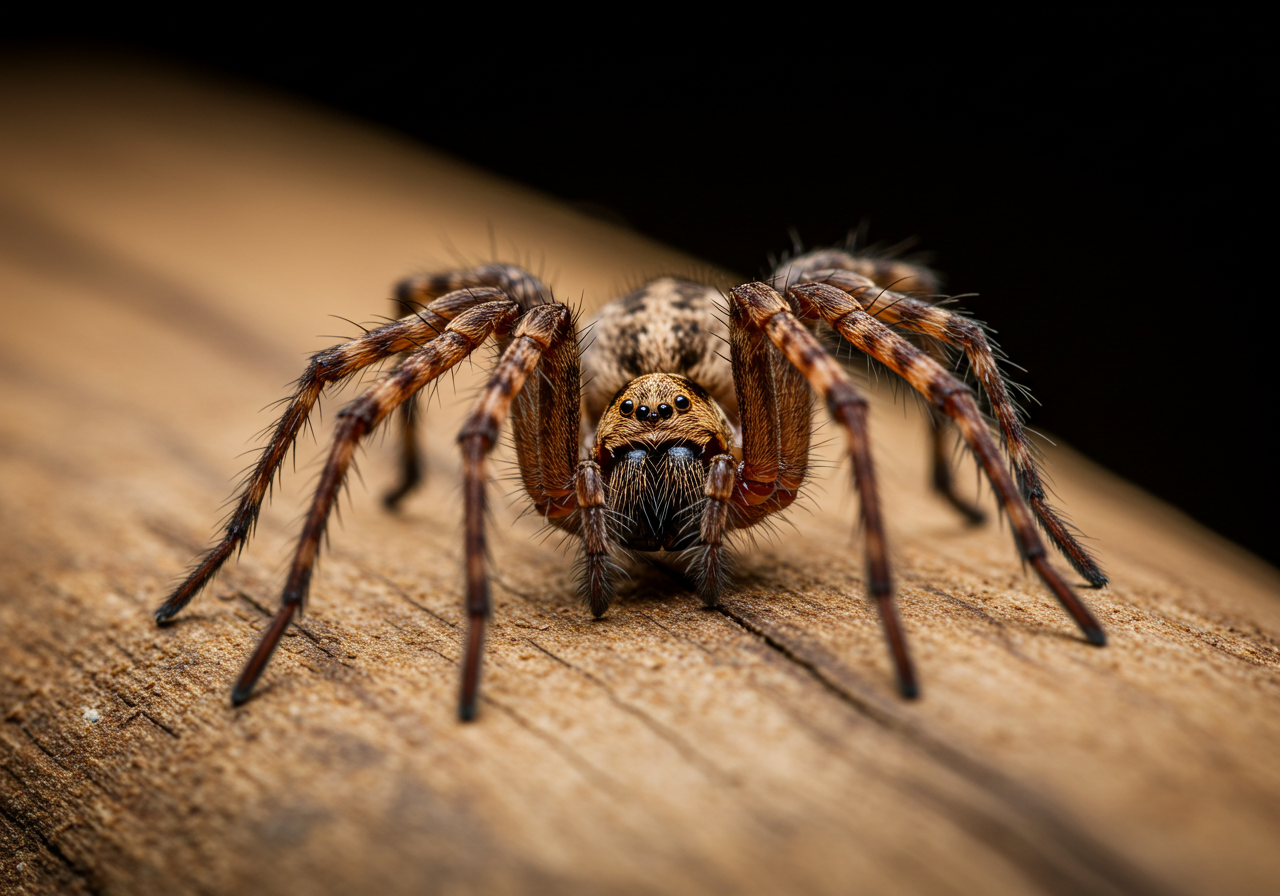
Hobo spiders are funnel weavers in the family Agelenidae. In Colorado, they are often recognized by a brown body, a herringbone or chevron-like pattern on the abdomen. And a total length of roughly 1 to 1.75 inches when the legs are included. Those features can help you make a preliminary identification, but appearance alone is not enough for certainty. Precise identification may require microscopic examination because hobo spiders share characteristics with several related funnel weavers.
Look for funnel webs near the ground
Rather than building the round, symmetrical webs many people picture, hobo spiders create dense, funnel-shaped webs. The web widens outward to catch prey and narrows into a protected retreat. Check ground-level cracks, crevices, foundation voids, crawl-space edges, wood piles, and other sheltered areas around a home. Colorado State University Extension describes funnel weavers as among the most common spiders found in Colorado homes. So finding a funnel web does not automatically mean you have identified a hobo spider.
These spiders are also fast runners and are frequently mistaken for wolf spiders. A quick-moving brown spider is not enough to tell the two apart. Wolf spiders generally hunt rather than wait in a funnel web, while funnel weavers are associated with the distinctive web-and-retreat structure. If an exact identification matters, save a clear photo or ask a pest professional to examine the spider instead of relying on a general internet image.
Why sightings increase in late summer and fall
Hobo spiders are most noticeable in late summer and autumn. Male spiders wander in search of females during the fall, which brings them into garages, basements, and other ground-level areas where homeowners are more likely to see them. Their movement can look alarming, but it reflects seasonal behavior rather than an attempt to pursue people.
For practical prevention, reduce clutter near foundations, remove exterior webs, and seal gaps around doors, siding, and foundation walls. A seasonal approach can also help address the insects and shelter conditions that support spider activity. See our guide to seasonal spider control in Colorado for additional ways to protect your home through changing weather.
Hobo spider bite myths and safety
Historical reports often portrayed hobo spiders as highly dangerous and blamed their bites for necrotic, or tissue-damaging, lesions. Current research does not support that claim. Washington State University states that there is no evidence hobo spider bites cause necrotic lesions in humans. And Colorado State University Extension identifies funnel weavers as common household spiders rather than a special threat to people. Still, avoid handling any spider. If you experience a concerning bite reaction, seek medical advice and, when possible, document the spider without touching it.
Wolf Spider vs Brown Recluse vs Hobo Spider: What's in Your Home?
Colorado homeowners often group several fast-moving, brown spiders together, but appearance alone can be misleading. A spider's size, web style, location, and behavior offer useful clues. Even then, precise hobo spider identification may require microscopic examination, so a photo or visual guess is not a definitive diagnosis.
| Species | Size | Markings | Behavior | Danger Level | Colorado Prevalence |
|---|---|---|---|---|---|
| Wolf spider | Medium to large | Usually brown or gray, with a robust, hairy body and patterned legs | Active hunter that runs across floors and outdoor surfaces; it does not rely on a capture web | Generally harmless to people, though a bite can be painful if the spider is handled | Common in Colorado, especially near ground-level outdoor areas and buildings |
| Brown recluse | Small to medium | Tan to brown, sometimes associated with a violin-shaped marking, but markings are not enough for confirmation | Secretive and reclusive, typically staying in quiet, undisturbed areas | Often feared, but the species is extremely rare in Colorado and is not native to the state | Very uncommon; Colorado State University notes that brown recluse spiders are not found in Colorado |
| Hobo spider | Medium to large | Brown body with subtle patterning; may be confused with wolf spiders or other funnel weavers | Fast runner that builds a funnel-shaped web in cracks, crevices, and ground-level voids; herringbone-like web pattern may be visible | No evidence shows that hobo spider bites cause necrotic lesions in humans, despite older claims about that risk | Present in Colorado, but similar funnel weavers are also common. The barn funnel weaver is one of the state's most widely distributed indoor species |
Funnel weavers, including hobo spiders and the closely related barn funnel weaver, are among the spiders most often found in Colorado homes. The barn funnel weaver, Tegenaria domestica, is probably the most widely distributed funnel weaver species recorded indoors in the state. See the hobo spider prevention options if recurring webs or multiple spiders are appearing indoors.
When identification matters, avoid handling the spider. Capture a clear image from a safe distance or leave the specimen for a licensed pest professional to examine. That approach is more reliable than assuming every brown spider is a brown recluse or every funnel web belongs to a hobo spider.
Sources: Washington State University on hobo spiders; Colorado State University Extension on funnel weaver spiders; Colorado State University on household spiders.
Fall Rodent Season: Keeping Mice and Rats Out This Autumn
When Colorado nights turn colder, mice and rats look for the same things your family values: warmth, food, and a protected place to settle in. Small gaps around foundations, doors, utility lines, vents, and roof edges can become easy entry routes. Once inside, rodents may remain hidden in wall voids, attics, crawl spaces, garages, or behind appliances.
Signs rodents may be getting inside
Rodent activity is often easier to hear or see before you see the animal itself. Watch for small droppings near food storage, cabinets, or along walls. Gnaw marks on cardboard, wood, insulation, or wiring can also signal an active problem. At night, scratching or scurrying in walls and ceilings is another reason to investigate. A stale or musky odor, nesting material, or greasy marks along baseboards may provide additional clues.
For prevention, seal cracks and openings with durable materials rather than relying on temporary patches. Check door sweeps and weatherstripping, keep food in secure containers, clean up pet food promptly, and reduce clutter around the home. Trim vegetation away from the structure and keep firewood, debris, and stored materials elevated and away from exterior walls. These steps make your property less inviting, but they cannot always address an entry point or an established infestation.
A targeted plan for fall rodent control
Beeline starts with a thorough inspection to identify activity, nesting areas, food sources, and likely access points. Your technician can then recommend targeted treatment based on the conditions around your home. Depending on the situation, that may include exterior bait stations, interior traps, and perimeter repellent. Treatments are selected and applied by trained, state-licensed professionals with attention to household and pet safety.
After the immediate activity is addressed, an ongoing maintenance plan can help protect your home through changing seasons. Regular visits allow the team to monitor stations, look for new signs, and respond before a small issue becomes disruptive. If you notice droppings, gnawing, or sounds in the walls, review rodent control services and request a professional inspection. Beeline's current offer provides $30 off rodent removal with code NORODENTS30.
Stink Bugs and Other Fall Invaders Along the Front Range
As Colorado's Front Range cools in fall. Some pests stop treating your home as a place to visit and start treating it as a place to spend the winter. Stink bugs are a familiar example. They gather around warm, south-facing walls and look for small openings around windows, doors, siding, rooflines, and utility penetrations. Once they find a sheltered gap, they may move indoors in noticeable numbers.
Stink bugs are usually a nuisance rather than a sign of structural damage. However, crushing them can release the odor that gives them their name, and a large number around windows or in upper rooms can quickly become frustrating. Vacuuming visible insects can help in the moment, but it does not address the entry points that allowed them inside.
Cluster flies and boxelder bugs follow similar patterns
Stink bugs are not the only occasional fall invaders along the Front Range. Cluster flies may collect on sunny exterior walls before moving into wall voids, attics, or other protected spaces. Boxelder bugs also gather on warm surfaces and can enter through cracks as temperatures drop. Their behavior can vary by property, but the seasonal pattern is similar: warmth, shelter, and access to a protected overwintering site draw them close to homes.
What homeowners can expect from treatment
Beeline's occasional invader control service is designed around the property, not just the insects homeowners can see. A trained technician can evaluate likely entry areas, identify conditions that encourage pest activity, and recommend targeted treatment and exclusion steps. Depending on the situation, that may include treating exterior harborage areas and helping reduce access around common entry points.
Do not assume every fall insect requires the same response. If activity is concentrated around one wall, window, attic, or room, note where and when it appears before your inspection. That information can help your technician distinguish a seasonal nuisance from a recurring access problem and build a practical plan for your home.
Your Colorado Fall Pest Prevention Checklist
Colorado's cooler nights make cracks, clutter, moisture, and sheltered spaces more attractive to spiders and other fall invaders. A short inspection and cleanup routine can reduce the places pests use to enter, hide, and find food.
Seal the home's entry points
Walk the exterior and check around windows, doors, siding, utility penetrations, and the foundation. Caulk narrow gaps, repair damaged screens, and close larger openings with an appropriate repair material. Pay special attention to ground-level cracks and crevices, where funnel-weaving spiders may build webs. Reducing clutter and sealing entry points are practical ways to help prevent spiders from getting indoors, according to Utah State University Extension (source guidance on hobo spider prevention).Improve door and window protection
Install or replace door sweeps, and add weather stripping where you can see daylight or feel a draft around a closed door. Check that window screens fit tightly and have no tears. These small repairs limit easy access while helping your home stay more comfortable as temperatures fall.Reduce moisture and indoor clutter
Fix dripping faucets, leaks, or damp areas around the foundation, crawl space, and basement. Inside, keep storage areas orderly and lift boxes or fire-season supplies off the floor when possible. Outside, remove leaf piles, excess yard debris, and unused materials that create protected hiding places.Trim vegetation away from the structure
Cut back branches, vines, and dense plants that touch siding, windows, or the roofline. Clear webs and debris from corners, eaves, and foundation edges as part of routine maintenance. Keeping vegetation and harborages away from the exterior can make the home less inviting to crawling pests.Store firewood away from the foundation
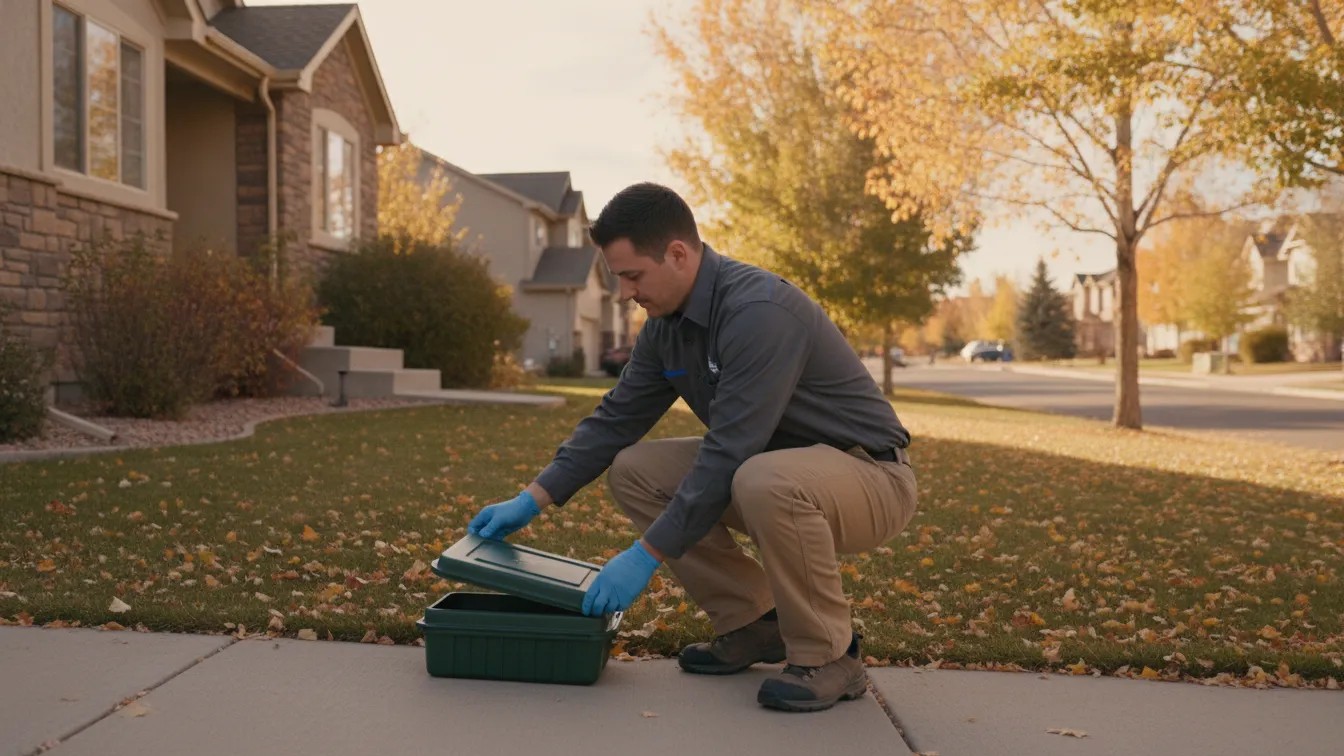
Keep firewood elevated and positioned away from the house rather than stacked against siding or foundation walls. Bring in only the amount needed for immediate use. This reduces the chance of carrying spiders and other overwintering pests indoors with each load.Schedule a professional fall treatment
If you continue seeing spiders, rodents, or other invaders after making these changes, schedule an inspection before activity increases. A professional can identify overlooked entry points and apply targeted, family- and pet-conscious treatments. Beeline's general pest control services provide a practical next step for protecting your Colorado home through fall.
Frequently Asked Questions
Are hobo spiders common in Colorado homes?
Funnel weaver spiders, including hobo spiders, are among the most common spiders found in Colorado homes. They are often noticed in late summer and fall, when male hobo spiders wander in search of females. Ground-level cracks, crevices, and protected voids are common places to find their funnel-shaped webs. Source: Colorado State University Extension.
How can I tell whether a spider is a hobo spider?
Appearance alone usually cannot confirm the identification. Hobo spiders can be confused with other funnel weavers and wolf spiders, and precise identification typically requires microscopic examination. If the identification matters, avoid relying on a quick phone photo or color pattern alone. A pest professional can help assess the spider, web location, and conditions around your home. Source: Utah State University Extension.
Are hobo spider bites dangerous?
Current evidence does not support the historical claim that hobo spider bites cause necrotic skin lesions in humans. That does not mean every bite or skin reaction should be ignored. Clean the area, avoid scratching it, and seek medical advice if pain, swelling, spreading redness, or other concerning symptoms develop. Source: Washington State University Extension.
What should I do if spiders, mice, and stink bugs keep entering?
Start by sealing gaps around doors, siding, foundations, and window screens, then reduce clutter and remove webs around the home. Also address moisture and the insects that spiders feed on. If activity continues, an inspection can identify entry points and whether you need targeted fall pest control rather than repeated spot removal. Source: Utah State University Extension.
Schedule Your Colorado Fall Pest Control Service
As temperatures drop, a professional fall pest control visit can help address seasonal entry points before spiders, rodents, and other invaders settle in. Beeline Pest Control provides practical guidance and carefully applied solutions for Colorado homes. To schedule your fall pest control service today, call 303-586-5231 and speak with the team about the concerns around your home. Save $30 on rodent removal with promo code NORODENTS30.
Free Pest Control Quote for Your Aurora, CO Home
Ready to get rid of pests in your Aurora, Colorado home? Fill out our quick form! Beeline Pest Control offers fast, effective solutions. We'll provide a free, no-obligation quote to help you reclaim your space from unwanted bugs and rodents.
More Blogs
Some other blogs you might be interested in