Best Rodent Control Denver: What to Look For
Compare the best rodent control Denver options by inspection quality, safety, prevention, licensing, follow-up, and clear service estimates for your home.
Rodent problems rarely end with removing the animal you happened to notice. Droppings, gnaw marks, scratching, or a musty nesting smell can point to activity in spaces you cannot see. And mice can enter through gaps as small as one-quarter inch. The right provider should investigate the home, identify how rodents are getting inside, and explain how the plan will prevent the problem from returning.
Call 303-586-5231 for a free rodent inspection or estimate.
When comparing options for the "best rodent control denver" homeowners can trust, look for a thorough inspection. Targeted treatment, exclusion work, clear safety instructions, and dependable follow-up, not a one-time visit with vague promises. The CDC recommends regular inspection and sealing gaps because rodents are easier to control before they become established: CDC rodent-control guidance.
Before choosing a company, compare what each provider actually inspects, treats, repairs, and communicates. That practical distinction is what separates great rodent control from average service.
What Separates Great Rodent Control From Average?
A strong rodent-control provider does more than place bait and leave. The work should connect evidence, treatment, prevention, and follow-up into one plan that fits the property. That matters because rodents can carry diseases that spread directly or indirectly to people, according to the CDC's rodent-control guidance. A careful provider also helps you understand what was found, what will happen next, and how success will be checked.
Inspection comes before treatment
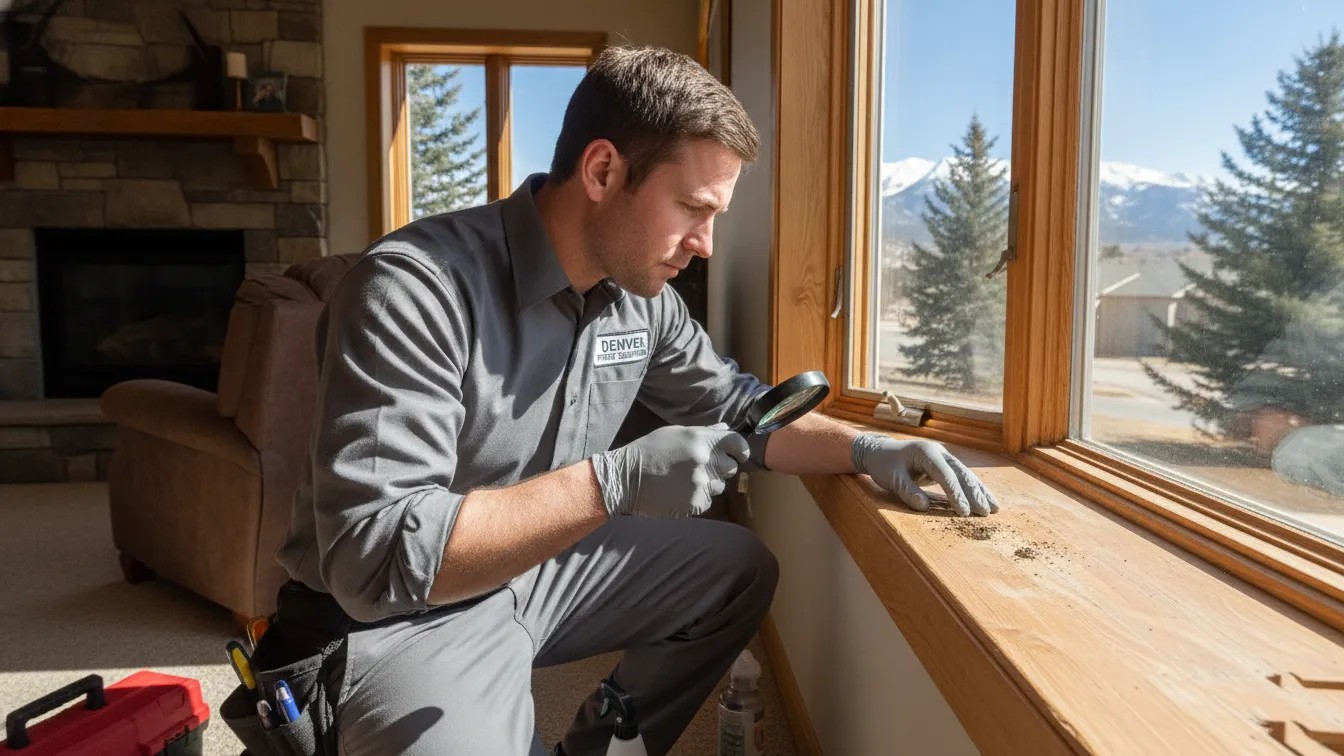
A thorough inspection covers both the inside and outside of the home. The technician should look for entry points, droppings, gnaw marks, nests, activity areas, and the extent of the infestation. Locations can include areas around pipes and vents, behind appliances, attics, basements, and crawl spaces. Reappearing droppings after safe cleaning are a stronger sign of active presence, while gnaw marks alone may reflect earlier activity. The rodent control services process should begin with this evidence, not a generic recommendation made before anyone evaluates the property.
Diagnosis leads to exclusion and targeted treatment
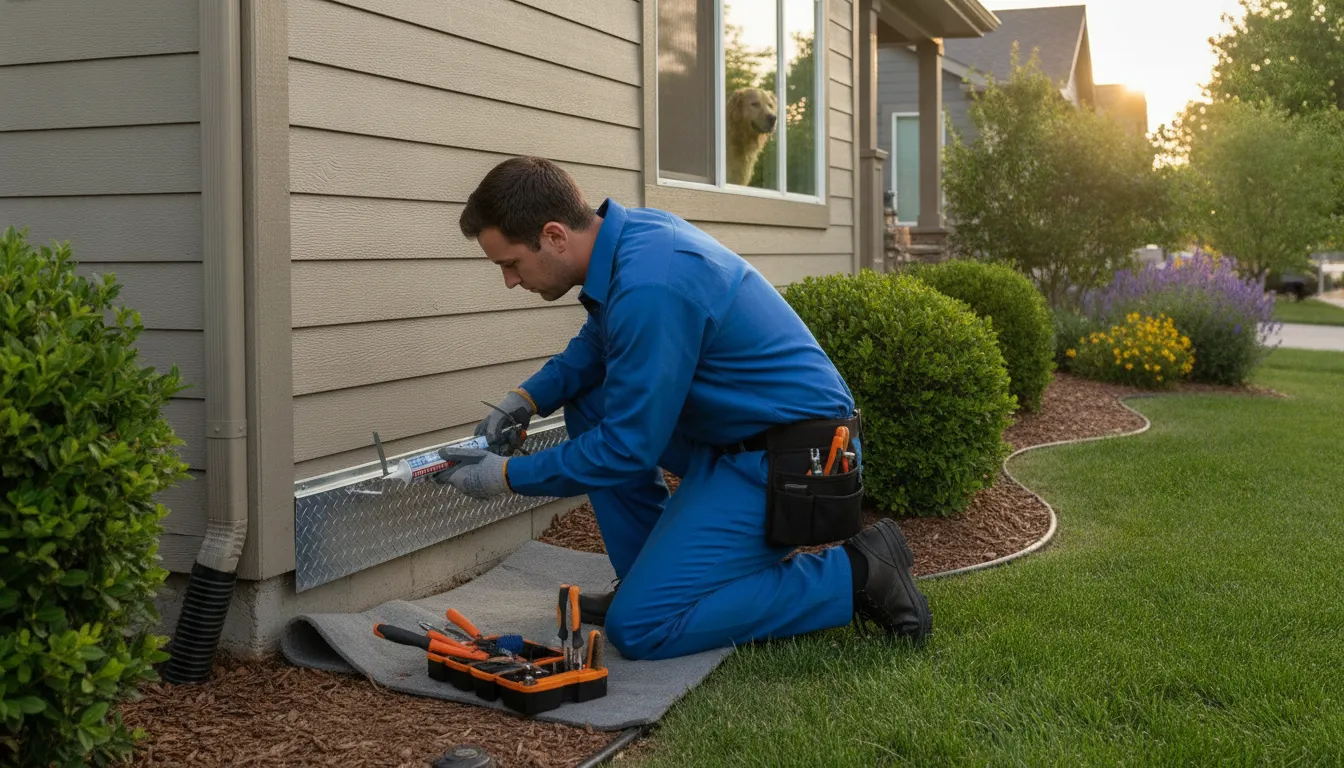
Inspection findings should shape the response. Mice can fit through a gap about one-quarter inch wide, so a provider who overlooks small openings may leave the main problem untouched. Sealing gaps and holes is a core prevention step. Small holes may require steel wool secured with caulk, while larger openings may call for metal, hardware cloth, or cement materials. Ask whether the plan addresses how rodents enter, not only how they are removed.
Treatment may include tamper-resistant exterior bait stations, interior traps or bait stations where needed, and a protective perimeter application. The right combination depends on pest biology, property conditions, and household concerns, including pets and children. One-time baiting is incomplete when it does not address access points, food or shelter conditions, or the possibility of renewed activity.
Monitoring and communication continue after the visit
Reliable control includes a way to evaluate progress. Maintenance, renewed exterior protection, and seasonal monitoring may be appropriate depending on the property and activity. The provider should explain what signs to watch for, what areas need attention, and when follow-up is recommended. Beeline describes its process as detailed inspection, targeted treatment, and ongoing protection, supported by company-employed technicians for consistency and accountability. That combination is a more useful standard for comparing providers than a quick promise of immediate removal.
Questions to Ask a Rodent Control Company in Denver
A good conversation should leave you with a clear picture of what will happen at your home, who will do the work, and how the company will know the problem is under control. Before you schedule, ask:
- Are your technicians licensed and insured, and is the company licensed by the State Department of Agriculture? Licensing and insurance are basic accountability checks. Beeline's technicians are licensed and insured, and the company is licensed by the State Department of Agriculture. Learn about Beeline Pest Control and its local service model.
- What will the inspection include? Look for more than a quick glance at the kitchen or garage. A thorough inspection should assess interior and exterior areas, entry points, droppings, gnaw marks, nests, activity areas, and the extent of the infestation. Ask whether the technician will check likely access points around pipes, vents, appliances, attics, basements, and crawl spaces.
- How will you determine whether the activity is current? Droppings that reappear after safe cleaning can indicate active rodent presence, while gnaw marks alone may reflect activity from the past. The provider should explain what evidence was found and what it means, rather than using vague language to justify treatment.
- What treatment methods do you use, and where will they be placed? Ask whether the plan may involve interior traps, interior bait stations, tamper-resistant exterior bait stations, or other targeted methods. You should understand why each method fits your home and whether children or pets affect placement.
- What will you do to prevent rodents from returning? Effective service should address entry points and contributing conditions, not only the rodents present today. Ask whether the company recommends exclusion, monitoring, maintenance, or seasonal follow-up. Mice can enter through openings about one-quarter inch wide, so small gaps matter.
- How will you protect my family, pets, and property? Ask for product information, application details, preparation steps, re-entry guidance, and cleanup instructions. A responsible provider customizes treatment to the property and to concerns involving pets, children, and environmental preferences. Rodent control should be safety-focused, not described as risk-free.
- Who will return if the problem continues, and what does the guarantee cover? Confirm the follow-up schedule, how to report renewed activity, and whether free re-treatment applies. Beeline reports a 100% satisfaction guarantee with free re-treatment when customers are not satisfied, plus a pest-free guarantee where applicable.
- How quickly can you respond? Ask when the first inspection can occur and whether same-day emergency service is available when needed. Beeline typically accommodates standard requests within 24 to 48 hours, with same-day service potentially available for emergencies.
The answers should be specific enough for you to compare providers confidently. For a closer look at what a professional visit can include, review Beeline's rodent control services.
How to Compare the Best Rodent Control Denver Providers
Choosing a rodent control provider is less about finding the biggest name and more about finding a process that fits your home. Compare what happens before treatment, who remains accountable, how entry points and activity are addressed, and what follow-up looks like after the first visit. A low-friction option is not necessarily a complete solution if it leaves the source of the problem unresolved.
| Decision factor | Local direct-service provider | National chain | DIY approach |
|---|---|---|---|
| Inspection | Often allows a property-specific review of interior and exterior areas, entry points, droppings, gnaw marks, nests, and activity areas. | Ask whether the visit includes a detailed inspection or mainly focuses on applying a standard treatment. | You can look for visible signs, but attics, crawl spaces, wall voids, and other difficult areas may be missed. |
| Accountability | You can ask who owns the company, who supervises the work, and whether technicians are company employees. A direct-service model can support consistency. | Confirm who will perform the work, who handles concerns, and whether service is consistent across visits. | Responsibility stays with the homeowner, including deciding when the problem needs professional help. |
| Prevention | Look for exclusion guidance, targeted treatment, monitoring, and maintenance rather than removal alone. Beeline describes its process as inspection, targeted treatment, and ongoing protection. | Review whether the plan explains entry-point prevention and follow-up, not just recurring applications. | Sealing gaps and improving food storage can help, but larger holes, concealed activity, or inaccessible contamination may require a specialist. |
| Safety | A qualified provider should explain product placement, precautions, and how the plan accounts for children, pets, and property conditions. Beeline says treatments are customized to those concerns. | Request clear written directions and ask questions before signing up for an ongoing plan. | You must select, place, and handle traps or products correctly. Never assume a product is appropriate simply because it is available over the counter. |
| Follow-up | Ask how activity will be monitored and what happens if signs continue. Beeline may include maintenance, exterior repellent renewal, and seasonal monitoring. | Read the service agreement carefully for visit frequency, escalation steps, and communication expectations. | You monitor results yourself and decide when to adjust the approach or call a professional. |
Beeline's local model is one option to evaluate. The company serves residential and commercial properties across the Denver metro area and Front Range, uses company-employed technicians, and reports licensed and insured technicians with State Department of Agriculture licensing. You can review its rodent control services to see how inspection, treatment, and ongoing protection are structured.
Before hiring anyone, ask for the inspection findings, recommended treatment, prevention steps, safety instructions, expected response, and follow-up terms in plain language. That comparison gives you a more useful basis for choosing than brand size or a broad promise of fast results.
Red Flags When Hiring a Pest Company
A rodent problem deserves more than a quick visit and a few traps. Watch for warning signs that a company is treating the symptom without understanding the property, the entry points, or the conditions allowing mice or rats to remain active.
A vague inspection
Be cautious if the technician cannot explain what they inspected or what evidence they found. A meaningful evaluation should consider both interior and exterior areas, including attics, basements, crawl spaces, spaces around pipes and vents, areas behind appliances, and other likely entry points. Droppings, gnaw marks, nests, and activity areas help establish whether the issue is current and how extensive it may be. The CDC recommends regular inspection, since rodents are easier to control before they become established.
One treatment for every property
Rodent biology, building conditions, and household concerns vary. A one-size-fits-all plan that skips the diagnosis may overlook a gap as small as one-quarter inch, which is wide enough for a mouse to enter. Ask whether the provider will explain why it recommends traps, bait stations, exclusion work, or another measure. A sound plan should be targeted to the property rather than selected from a fixed script.
No prevention or monitoring plan
Removal alone does not address how rodents got inside. A provider should identify practical prevention steps, such as sealing gaps and reducing food, water, and shelter sources. Ask what happens after the initial treatment, how activity will be checked, and who handles follow-up if signs return. Weak answers often signal that the company is focused on a single visit instead of lasting control.
Call 303-586-5231 for a free rodent inspection or estimate.
Unclear safety directions
Do not accept vague statements such as "it is completely safe." Ask what products or devices may be used, where they will be placed, what precautions apply to children and pets, and when treated areas can be re-entered. If you find droppings or nesting material, avoid sweeping or vacuuming it. The CDC advises wetting rodent waste with disinfectant before wiping and contacting a pest professional when rodents have entered areas that cannot be reached for cleaning: CDC rodent cleanup guidance.
Pressure tactics or weak follow-up
Be wary of a company that pushes you to approve work before explaining the findings, scope, and next steps. You should have time to understand the plan and ask questions. Also look for clear communication about scheduling, return visits, monitoring, and what to do if activity continues. A company that avoids written details or cannot identify a responsible point of contact may be difficult to reach when you need help. Look for licensed and insured technicians, customized treatment, and a defined process that includes inspection, targeted treatment, and ongoing protection.
Pricing Transparency: What Your Estimate Should Explain
A rodent estimate should be more than a number delivered after a quick look around the house. It should explain what the technician found, what work is recommended, and how the plan addresses both current activity and future entry. The total scope can vary from one Denver home to another, so a useful estimate makes those differences visible instead of hiding them behind a vague service label.
Inspection scope and evidence
Start by asking where the inspection took place. A thorough assessment should consider accessible interior and exterior areas, likely entry points, droppings, gnaw marks, nests, activity areas, and the apparent extent of the problem. Areas around pipes, vents, appliances, attics, basements, and crawl spaces can all matter because rodents do not limit themselves to the rooms where homeowners first notice a sign. Beeline describes its inspection process in those terms on its rodent control services page.
The estimate should also distinguish evidence of current activity from evidence of past activity. For example, droppings that reappear after safe cleaning can indicate active rodent presence, while gnaw marks alone may only show that rodents were active in the area at some point. That distinction helps determine whether the next step should focus on immediate treatment, exclusion, monitoring, or a combination.
Access, exclusion, and treatment
Ask whether the recommended work accounts for access conditions and entry-point repairs. Mice can fit through a hole about one-quarter inch wide, so a plan that only addresses visible animals may leave the underlying route open. A transparent estimate should identify the areas that can be reached, explain any limitations, and state whether exclusion work is included, recommended separately, or outside the provider's scope.
It should then describe the treatment approach in plain language. Depending on the property and activity, this may include tamper-resistant exterior bait stations, interior traps or bait stations where needed, and a perimeter application. The provider should explain where treatment will occur, what preparation is required, and any family or pet safety directions. Treatments should be adapted to pest biology, property conditions, and household concerns rather than presented as a one-size-fits-all package.
Monitoring, frequency, and follow-up
Finally, look for a clear follow-up plan. Ask how activity will be checked, whether stations or traps will be revisited, how often service is expected, and what happens if signs continue. Ongoing protection may involve maintenance, renewal of exterior repellent, or seasonal monitoring. For seasonal context, see Beeline's winter rodent prevention guide. A written estimate that separates inspection, targeted treatment, exclusion, monitoring, and follow-up gives you a much better basis for comparing providers, including anyone claiming to offer the best rodent control in Denver.
Why Denver Homeowners Choose Beeline for Rodent Control
Choosing a rodent control company is about more than getting a trap placed quickly. Denver homeowners need a provider who can identify how mice or rats are getting inside, explain the treatment plan, and help reduce the chance of the problem returning. Beeline Pest Control brings a local, owner-led approach to that work. The company is family-owned, serves residential properties across the Denver metro area and Front Range, and has operated since 2009. Learn about Beeline Pest Control and its direct-service model.
That local accountability is supported by experience and qualifications. Owner Jarom Walz has 26 years of pest management experience. Beeline also states that its technicians are licensed and insured, while the company is licensed by the State Department of Agriculture. Those details give homeowners clear questions to ask when comparing providers, including who will perform the work and who is responsible for the service after the initial visit.
A defined process from inspection through prevention
Beeline uses a three-stage rodent process: detailed inspection, targeted treatment, and ongoing protection. The first stage looks at interior and exterior areas, entry points, droppings, gnaw marks, nests, activity areas, and the extent of the infestation. This creates a more useful starting point than treating the most obvious sign and leaving hidden access points unaddressed.
Treatment is customized to the pest biology, property conditions, and homeowner concerns. Depending on what the inspection finds, the plan may include tamper-resistant exterior bait stations, interior traps or bait stations where needed, and a protective perimeter repellent application. Beeline describes this as integrated pest management, combining targeted treatment with exclusion, trapping, monitoring, and environmental modifications. The goal is to address current activity while improving the conditions that allowed rodents to enter.
Ongoing protection may include maintenance, renewal of exterior repellent, and seasonal monitoring. That matters in Colorado, where changes in weather can shift rodent pressure around homes. A provider who explains follow-up gives you a clearer view of what happens after the first treatment and how future activity will be handled.
Support when the problem needs prompt attention
Beeline reports a 100% satisfaction guarantee with free re-treatment when a customer is not satisfied, plus a pest-free guarantee where applicable. Same-day emergency service may be available, and standard requests are typically accommodated within 24 to 48 hours. Availability can vary, so homeowners should confirm timing when they call.
For a local company that combines direct-service technicians, customized treatment, and prevention planning, Beeline is one option to consider when looking for the best rodent control Denver homeowners can find for their specific property.
Call Beeline Pest Control at 303-586-5231 for a free estimate or inspection.
Frequently Asked Questions
How can I tell whether a Denver rodent problem is still active?
Look for fresh droppings, new gnaw marks, nesting material, scratching sounds, or activity in areas where food and shelter are available. Droppings that reappear after safe cleaning are a stronger sign of ongoing activity than an old, isolated mark. The CDC recommends regular inspection because rodents are easier to control before they become established: CDC rodent-control guidance.
What should a professional rodent inspection include?
A thorough inspection should examine both the interior and exterior, identify entry points, document signs of activity, and assess areas such as attics, basements, crawl spaces, kitchens, and spaces around pipes and appliances. Mice can fit through openings about one-quarter inch wide, so a useful inspection looks beyond obvious holes and considers how the building is being entered.
What methods do professionals use to control mice and rats?
The method depends on the species, activity, access points, and property layout. A provider may use mechanical traps, carefully placed bait stations, exclusion work, monitoring, or a combination of these approaches. Ask how children and pets should be protected and request clear product-use and follow-up instructions. Beeline describes a three-stage process of inspection, targeted treatment, and ongoing protection.
How long should I wait before calling a rodent control company?
Do not wait for the problem to become severe. Contact a professional when you find repeated signs, hear activity in inaccessible areas, or cannot safely clean contaminated spaces. The CDC advises contacting a pest control specialist when rodents have entered areas that cannot be reached for cleaning. Prompt evaluation can also help identify gaps before more rodents enter.
What should be included in a rodent control estimate?
A useful estimate should explain what the inspection found, which treatment steps are recommended, whether entry points need to be sealed, how monitoring or follow-up works, and what is included in the service. Ask whether the plan covers mice, rats, or both, and request safety directions in writing. Comparing scope and accountability is more useful than comparing a price without knowing what the service includes.
Ready to Choose Reliable Rodent Control?
A thorough inspection can help you understand the source of rodent activity and the steps needed to protect your home. For practical guidance from a local team, call Beeline Pest Control at 303-586-5231 to request a free rodent inspection or estimate for your Denver-area home.
Get a Free Pest Control Quote for Your Aurora Home
Ready to reclaim your home from pests? Beeline Pest Control is your trusted local expert in Aurora, Colorado. Fill out our simple form, and one of our friendly specialists will call you back with a personalized, no-obligation quote. Discover effective and affordable pest solutions tailored for your home and get the peace of mind you deserve. Fast, reliable service is just a click away!
More Blogs
Some other blogs you might be interested in