
How to Get Rid of Mosquitoes in Yard for Good
Find out how to get rid of mosquitoes in yard with practical tips for removing breeding spots, using natural repellents, and keeping your outdoor space comfortable.
Fighting mosquitoes can feel like an overwhelming and endless battle, but it becomes much simpler when you understand what they need to survive. At their core, mosquitoes are driven by two simple things: they need standing water to lay their eggs, and they need cool, shady places to rest during the day. That’s it. Every effective control method comes down to systematically removing these two elements from your property. This guide breaks down exactly how to get rid of mosquitoes in your yard by turning this simple knowledge into a powerful, step-by-step action plan you can start today.
Key Takeaways
- Eliminate standing water weekly: This is the single most effective way to stop mosquitoes. A quick walk around your property to empty water from toys, planters, and gutters disrupts their entire life cycle.
- Maintain your yard to remove hiding spots: Mosquitoes rest in tall grass and dense shrubs during the day. Keeping your lawn mowed and foliage trimmed allows more sunlight and airflow, making your yard a less comfortable place for them to hang out.
- Know when to call a professional: If DIY methods aren't enough to solve a persistent mosquito problem, professional treatments can offer a more comprehensive solution. Experts can identify hidden issues and use targeted applications for lasting relief.
What's Drawing Mosquitoes to Your Yard?
If it feels like your yard is the most popular spot on the block for mosquitoes, it’s probably not your imagination. Mosquitoes don’t choose their hangouts by accident; they’re actively seeking out specific conditions that make your property the perfect place to live and breed. Understanding what attracts them is the first step toward taking back your outdoor space. Think of it like this: your yard is sending out invitations, and mosquitoes are RSVPing "yes" every time.
The good news is that you can stop sending those invites. By identifying and eliminating the things that draw them in, you can make your yard far less appealing to these buzzing pests. It often comes down to a few key factors, from the air you breathe to the water collecting in a forgotten flowerpot. Let's walk through exactly what makes your yard a mosquito magnet and what you can do about it.
Why They're Attracted to You
Ever wondered why mosquitoes seem to find you, even in a crowd? It’s because they’re drawn to the very air you breathe. Mosquitoes are highly attracted to the carbon dioxide we exhale, which they can detect from a distance. They also have a keen sense of smell and are drawn to compounds in our sweat and on our skin. When you’re gardening or playing outside, your body heat and personal scent act like a dinner bell. While you can't stop breathing, knowing you're the main attraction explains their persistence and why comprehensive pest control services are so important for your yard.
The Importance of Standing Water
If there’s one thing to remember about mosquitoes, it’s that they need stagnant water to reproduce. A female can lay hundreds of eggs at once, and they can hatch in as little as one inch of water. This is why eliminating standing water is the most effective way to reduce the mosquito population in your yard. Walk your property and look for anything holding water: clogged gutters, birdbaths, kiddie pools, tire swings, plant saucers, and even grill covers. A weekly habit of dumping out collected water dramatically disrupts their life cycle, a great tip you can find on our blog.
How Colors and Heat Play a Role
Beyond scent and water, mosquitoes also use their vision to find a meal. They are attracted to dark colors, which stand out against the horizon. Choosing light-colored clothing when you’re outside can make you a less obvious target. Mosquitoes are also most active in warm, humid weather, particularly around sunrise and sunset when temperatures are ideal. Planning outdoor activities outside these peak times can help you avoid the worst of the swarm. As a family-owned business, we know keeping your loved ones safe is the top priority, and these small adjustments can make a big difference.
Find Mosquito Breeding Grounds in Your Yard
To win the war against mosquitoes, you have to think like one. And what do mosquitoes love more than anything? Standing water. It’s the only place they can lay their eggs, which means your first line of defense is to find and eliminate these watery nurseries. A female mosquito can lay up to 100 eggs at a time, and they can hatch in as little as a few days. That’s why a quick walk around your property can make a huge difference.
By identifying and dealing with these breeding grounds, you disrupt the mosquito life cycle right at the source. It’s the most effective step you can take to reduce the mosquito population in your yard before needing more comprehensive home pest control. Let’s walk through where to look, from the most obvious culprits to the sneaky spots you might have missed.
Obvious Spots Where Mosquitoes Lay Eggs
Some mosquito breeding grounds are hiding in plain sight. Start your search by checking the most common areas where water collects. Bird baths are a classic example; while they’re lovely for your feathered friends, they become a problem if the water isn’t changed at least once a week. The same goes for landscape ponds. If you have one, consider adding small fish that eat larvae or treating the water with special pellets. Old tires are another major offender, as they hold water and heat up in the sun, creating a perfect incubator for mosquito eggs. Make sure any unused tires are stored indoors or disposed of properly.
Hidden Breeding Spots You Might Overlook
Now it’s time to look for the less obvious spots. Mosquitoes don’t need a pond to reproduce; a bottle cap full of water is enough. Take a close look at anything that can hold even a small amount of water. This includes children’s toys, kiddie pools, tire swings, and wheelbarrows. Check the saucers under your potted plants and the folds of your grill cover. The best habit you can form is to empty or turn over anything that can collect water after you use it. This simple action prevents these items from becoming accidental mosquito nurseries and keeps your family protected.
Key Areas to Check Each Season
Regular maintenance is key to keeping your yard free of breeding grounds. Make it a habit to walk your property after it rains to dump out any fresh puddles. For items that constantly collect water, like tire swings or planters, you can drill small drainage holes in the bottom to let water escape. Don’t forget to look up! Your gutters are a prime spot for mosquitoes. If they’re clogged with leaves, they can hold stagnant water for weeks. Checking your gutters a few times a year, especially in the spring and fall, will keep them clear and mosquito-free. You can find more home maintenance tips to keep your property pest-free all year.
Get Rid of Standing Water for Good
Mosquitoes need water to reproduce, and it doesn’t take much. A bottle cap full of water is enough for a female to lay hundreds of eggs. The most effective step you can take to reduce the mosquito population in your yard is to eliminate their breeding grounds. By getting rid of standing water, you interrupt their life cycle and make your outdoor space far less inviting. It’s a simple concept, but it requires a bit of detective work and consistent effort. Let’s walk through how to turn your yard into a dry zone for mosquitoes.
Start a Weekly Water-Dumping Routine
Think of this as a weekly treasure hunt where the prize is a mosquito-free evening. Once a week, take a walk around your property with the specific goal of finding and dumping any standing water. Check the obvious spots first: buckets, wheelbarrows, old tires, and empty flower pots. Don’t forget the less obvious places, like children’s toys, grill covers, and tarps where rainwater can pool. Mosquitoes can go from egg to adult in about a week, so making this a regular habit is key to breaking their breeding cycle. This simple routine is a cornerstone of any effective home pest control strategy.
Clear Your Gutters and Improve Drainage
It’s easy to forget about your gutters, but clogged ones are a paradise for mosquitoes. When leaves and debris build up, they create dams that trap water, providing a perfect, out-of-sight breeding ground. Make it a point to clean your gutters a few times a year, especially after the fall. For other items that tend to collect water, like plant saucers or tire swings, you can drill small drainage holes to let water escape. Improving drainage ensures that even after a heavy Colorado rainstorm, your yard dries out quickly and doesn't become a nursery for the next generation of mosquitoes.
Manage Pools, Ponds, and Bird Baths
Water features are a beautiful addition to any yard, but they require a little extra attention to keep them from becoming mosquito magnets. If you have a bird bath, commit to changing the water at least once a week to wash away any eggs or larvae. For ornamental ponds, you can introduce small fish that love to eat mosquito larvae. If fish aren't an option, consider adding a small fountain or aerator to keep the water moving, as mosquitoes prefer still surfaces. Properly maintaining these features allows you to enjoy them without inviting unwanted pests to join the party.
Treat Water You Can't Remove
Sometimes, you have standing water that you can't just dump out, like in a rain barrel or a low-lying area with poor drainage. For these situations, you can use products called larvicides. These often come in small, donut-shaped pucks called "mosquito dunks" that you simply toss into the water. They contain a naturally occurring bacterium that kills mosquito larvae but is completely harmless to pets, birds, fish, and other wildlife. Using larvicides is a targeted approach that stops mosquitoes before they can even fly. For larger or more persistent issues, professional mosquito treatments can offer a more comprehensive solution.
Try These Natural Mosquito Repellents
If you prefer a more natural approach, you have several great options for making your yard less inviting to mosquitoes. These methods work by creating an environment that mosquitoes actively avoid, using plants, scents, and even other animals to your advantage. While these strategies can significantly reduce the mosquito population around your home, they work best when combined with eliminating standing water. Think of them as powerful layers in your overall mosquito defense plan, perfect for families looking for eco-friendly solutions.
Plant Mosquito-Repelling Greenery
Your garden can be more than just beautiful; it can be a frontline defense against mosquitoes. Certain plants contain essential oils that naturally deter these pests. Studies on the effectiveness of plant-based repellents have found that the strong scents from specific herbs and flowers can keep mosquitoes at a distance.
Consider planting citronella grass, lavender, marigolds, basil, or rosemary in pots on your patio or directly in your garden beds near seating areas. Not only will you add color and fragrance to your yard, but you’ll also create a natural barrier that makes it harder for mosquitoes to find you. It’s a simple, effective, and beautiful way to protect your outdoor spaces.
Use Essential Oils and DIY Sprays
You can harness the power of mosquito-repelling plants in another way: through essential oils. Creating your own DIY repellent spray is a simple project that lets you control the ingredients. Research on plant-based insect repellents shows that formulas containing ingredients like soybean oil, geranium oil, and coconut oil can provide hours of protection.
To make a basic spray, mix a few drops of an essential oil like lemon eucalyptus, lavender, or tea tree oil with a carrier oil (like coconut or soybean oil) and a little water in a spray bottle. You can apply this to your skin or spray it on outdoor furniture. Always do a patch test on your skin first to make sure you don’t have a reaction.
Encourage Natural Predators
One of the most effective and eco-friendly ways to control mosquitoes is to let nature do the work for you. Mosquitoes have plenty of natural predators, and you can make your yard a welcoming home for them. Attracting animals that eat mosquitoes is a fantastic long-term strategy for keeping their numbers down without using any chemicals.
For example, a single bat can eat hundreds of insects, including mosquitoes, in just one hour. Installing a bat house in your yard can encourage them to stick around. Dragonflies are another voracious mosquito predator, often called "mosquito hawks." If you have a pond, they will likely find it, but you can also attract them by planting specific aquatic plants along the edges.
Make Your Yard a No-Fly Zone for Mosquitoes
Once you’ve tackled their breeding grounds by eliminating standing water, the next step is to make your yard an uncomfortable place for adult mosquitoes to hang out. During the heat of the day, mosquitoes seek out cool, damp, and shady places to rest and hide from the sun. Think of dense bushes, tall grass, and piles of yard debris as their personal five-star resorts.
By making your yard less hospitable, you can send them packing. A well-maintained yard is not just about looking good; it’s a key part of an effective pest control strategy. Simple changes to your landscaping and yard care routine can dramatically reduce the number of mosquitoes that stick around, making your outdoor spaces more enjoyable for you and your family. Let’s look at a few practical ways to turn your yard into a place mosquitoes will want to avoid.
Landscape to Reduce Mosquito Hiding Spots
Mosquitoes can’t handle direct sun for long, so they spend their days resting in dense, shady vegetation. Overgrown bushes, thick ground cover, and crowded flower beds create the perfect cool, humid microclimate for them to survive until their evening hunt begins.
To make your yard less inviting, focus on tidying up your landscaping. Trim back any overgrown areas and thin out dense foliage to let more sunlight and air flow through. A cleaner, more open yard offers fewer places for mosquitoes to hide, forcing them to move on to a neighbor’s less-maintained property.
Improve Airflow with Smart Spacing
Did you know that mosquitoes are terrible flyers? Even a gentle breeze can make it impossible for them to get around. You can use this weakness to your advantage. If you’re relaxing on your patio or deck, simply setting up an oscillating fan can create a protective, mosquito-free bubble.
You can also improve natural airflow throughout your yard. When planting new shrubs or flowers, give them plenty of space instead of crowding them together. This not only promotes healthier plants but also helps keep the ground dry and creates breezy corridors that mosquitoes will struggle to fly through.
Keep Grass and Shrubs Trimmed
A simple mowing routine is one of your best defenses. Mosquitoes love to rest in tall grass, so keeping your lawn cut short is an easy win. Regularly trim your shrubs and hedges, especially the lower branches, to reduce the shady, protected areas they love.
Don’t forget to clean up, either. Piles of leaves, grass clippings, and wood are ideal hiding spots for mosquitoes and other pests. By maintaining a tidy yard, you’re not just improving its appearance; you’re actively removing the habitats that allow mosquito populations to thrive. This is a crucial step in any preventative pest control plan.
Set Up Effective Mosquito Traps and Barriers
Once you’ve tackled the standing water in your yard, you can take your defense a step further by setting up traps and physical barriers. These proactive measures help reduce the number of adult mosquitoes buzzing around and block them from entering your home and outdoor living areas. Think of it as creating a multi-layered defense system to reclaim your yard.
Choose and Place the Right Mosquito Traps
Adding mosquito traps to your yard can significantly cut down on the adult population. You can find commercial options like bug zappers or more advanced trapping systems that use light, heat, and carbon dioxide to attract and capture mosquitoes. For a simple DIY solution, try creating a trap with a bucket, water, a handful of straw, and a mosquito dunk. The decomposing straw attracts female mosquitoes looking for a place to lay eggs, and the mosquito dunk kills the larvae before they can mature. Place any traps away from your patio or deck to draw mosquitoes away from where you and your family relax.
Use Screens to Protect Outdoor Spaces
Physical barriers are your best friend when it comes to keeping mosquitoes out. Your first line of defense is ensuring the screens on your windows and doors are in perfect condition. Take a few minutes to walk around your home and inspect them for any tears or holes, as even a tiny opening is a welcome sign for a mosquito. If you want to enjoy your porch or deck without constantly swatting bugs, consider screening it in. This project can create a comfortable, bug-free outdoor space for you to enjoy all season long, giving you an oasis from biting insects.
Maintain Traps for the Best Results
Traps and barriers aren't a "set it and forget it" solution; they require a little upkeep to remain effective. If you’re using commercial traps, be sure to empty them regularly. For DIY bucket traps, you’ll need to replace the mosquito dunk every 30 days. This maintenance mindset should extend to your entire yard. Continue to empty and clean anything that holds water, like bird baths, pet bowls, and kiddie pools, at least once a week. It’s also a good idea to check your gutters a few times a year to ensure they’re clear of debris and draining properly. If keeping up with everything feels like too much, our home pest control services can provide the backup you need.
When to Call a Professional for Mosquito Control
Trying to manage mosquitoes on your own can feel like a never-ending battle. While DIY methods are a great first step, sometimes they just don’t cut it, especially when you’re dealing with a persistent swarm. If you’ve done everything you can to eliminate standing water and make your yard less inviting, but you’re still getting eaten alive, it might be time to call in the experts. A professional service doesn’t just spray and leave; they assess your property to find the root of the problem and create a targeted plan.
Hiring a professional gives you access to more effective treatments and specialized equipment that aren’t available to the public. More importantly, it gives you peace of mind. A trained technician knows how to apply treatments safely and effectively, so you can get back to enjoying your yard without worrying about pests. When your efforts aren't delivering the results you need, professional pest control services can provide a more powerful and lasting solution.
How Beeline's Targeted Treatments Work
When you work with a professional, you get a solution designed specifically for your yard. At Beeline Pest Control, we know that every property is unique. Our experts start by identifying mosquito breeding grounds and resting areas, including the hidden spots you might have missed. From there, we develop a customized treatment plan that targets mosquitoes at every stage of their life cycle. This comprehensive approach ensures we’re not just getting rid of the adult mosquitoes you see flying around, but also preventing new ones from hatching. Our goal is to provide an effective solution that keeps your family safe and your yard comfortable.
Understanding Barrier Sprays and Larvicides
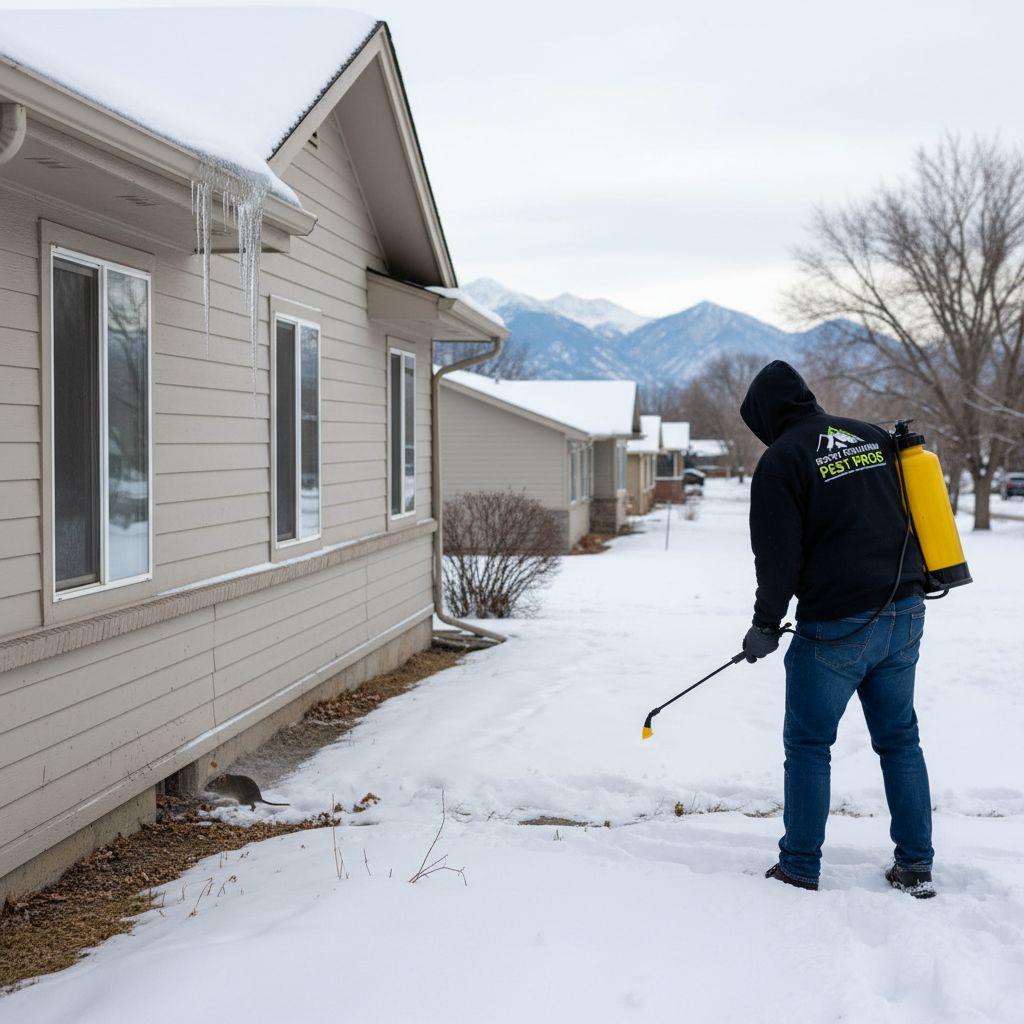
Two of the most effective tools in professional mosquito control are barrier sprays and larvicides. A barrier spray is applied to the foliage around your yard, like bushes, shrubs, and under trees where adult mosquitoes rest during the day. This treatment creates an invisible barrier that eliminates mosquitoes on contact and continues working for weeks. Larvicides, on the other hand, target mosquitoes before they can become biting adults. If you have standing water that you can't get rid of, like in a pond or a drainage area, we can treat it with larvicides. These products are designed to kill mosquito larvae without harming other wildlife.
Signs It's Time to Call for Help
Not sure if you need to make the call? If you’re nodding along to any of these points, it’s probably time to bring in a professional. If you’ve diligently emptied every bucket and birdbath but the mosquitoes persist, your problem may be larger than a few puddles. You should also consider professional help if you’re planning a big outdoor event and need your yard to be guest-ready. And if you or a family member has a severe allergy to mosquito bites or you’re concerned about mosquito-borne illnesses, a professional plan offers an essential layer of protection. When you need reliable results, our family-owned team is here to help.
Create a Long-Term Mosquito Prevention Plan
Winning the battle against mosquitoes isn't about a single spray or trap; it's about creating a yard that simply isn’t welcoming to them. A consistent, long-term prevention plan is your best bet for enjoying your outdoor space without uninvited, buzzing guests. By combining regular maintenance with a few smart yard modifications, you can disrupt the mosquito life cycle and significantly reduce their numbers. This approach focuses on making your yard less attractive for them to live and breed in, giving you lasting peace of mind.
Follow a Seasonal Maintenance Checklist
The most effective way to control mosquitoes is to eliminate their breeding grounds. Since they need water to lay their eggs, a simple seasonal checklist can make a huge difference. At least once a week, take a walk around your property and dump out any standing water. Check flowerpot saucers, kids' toys, wheelbarrows, and even the folds in your grill cover. For water you can't get rid of, like in a birdbath, change it every few days. A consistent routine is key, as it interrupts the mosquito breeding cycle before the larvae can mature into biting adults.
Adopt an Integrated Pest Management Strategy
Integrated Pest Management (IPM) sounds technical, but it’s really just about understanding your opponent to outsmart them. Mosquitoes are most active at dawn and dusk, so you can plan your gardening or patio time accordingly. They’re drawn to the carbon dioxide we exhale and our body heat. While you can’t stop breathing, you can use this knowledge to your advantage. For example, placing fans on your deck can help disperse the CO2 you exhale, making you harder for mosquitoes to find. It’s a simple strategy that works with their natural behavior to make your yard less inviting.
Make Lasting Changes to Your Yard
A few permanent adjustments to your landscape can create an environment that mosquitoes will want to avoid. Start by keeping your lawn mowed and trimming back overgrown shrubs and hedges. Adult mosquitoes love to rest in these cool, shady, and damp areas during the heat of the day. Clearing away piles of leaves or yard debris also eliminates their favorite hiding spots. Improving drainage in low-lying areas of your yard can prevent puddles from forming after it rains. These lasting changes are part of a comprehensive approach to home pest control that makes your yard a safer, more comfortable place for your family.
Avoid These Common Mosquito Control Mistakes
Getting rid of mosquitoes can feel like a constant battle, and it’s frustrating when your efforts don’t seem to make a dent. Often, it’s not about working harder, but about working smarter. A few common missteps can undermine even the most dedicated mosquito control plan. By understanding what these mistakes are, you can adjust your strategy for a much more peaceful, bite-free yard. Let’s walk through some of the most frequent slip-ups homeowners make and how you can easily correct them.
Forgetting About Small Water Sources
It’s easy to spot and drain obvious water sources like a kiddie pool or a bucket left out in the rain. But mosquitoes are incredibly resourceful and don’t need much water to lay their eggs. In fact, a single bottle cap filled with water is a potential breeding ground. You have to think like a mosquito and hunt down every last drop of standing water. This means regularly checking flowerpot saucers, clogged gutters, children's toys, tarps, and even the folds of a grill cover. A weekly patrol of your yard to dump any collected water can make a huge difference in disrupting the mosquito life cycle and reducing their numbers.
Applying Treatments at the Wrong Time
Timing is crucial when it comes to mosquito control. Mosquitoes are most active during the cooler, more humid hours of dawn and dusk. If you’re spraying your yard or applying repellents in the middle of a hot, sunny afternoon, you’re likely missing the majority of them while they rest in cool, shady spots. For the best results, focus your efforts during their peak activity times. This is also why professional pest control services are so effective; technicians understand mosquito behavior and apply treatments when and where they will have the greatest impact. Treating potential breeding sites with larvicides before the mosquito season is in full swing is another smart, proactive step.
Relying Only on Repellents
Citronella candles and personal bug sprays are great for keeping mosquitoes away from you for a few hours, but they don’t solve the underlying problem. Repellents create a temporary, invisible barrier; they don’t reduce the number of mosquitoes living and breeding in your yard. A truly effective plan requires a multi-layered approach. While repellents have their place, they should be part of a larger strategy that includes eliminating standing water, maintaining your landscaping, and, if needed, professional treatments. If you find yourself constantly reapplying spray just to enjoy your backyard, it’s a clear sign that you need a more comprehensive mosquito control solution.
Frequently Asked Questions
I dumped all the standing water I could find, but I still have mosquitoes. What am I missing? This is a common frustration, and it usually means the mosquitoes are either breeding in a hidden spot or resting in your yard. A mosquito can lay eggs in a space as small as a bottle cap, so be sure to check less obvious places like clogged gutters, the saucers under potted plants, or even the folds of a grill cover. It's also possible that adult mosquitoes are using your dense shrubs or tall grass as a place to hide during the day. A comprehensive approach that includes both eliminating water and maintaining your landscaping is often the key.
Are mosquito-repelling plants like citronella enough to protect my yard? While plants like citronella, lavender, and marigolds can certainly help, they work best as a complementary strategy, not a standalone solution. These plants release scents that can confuse mosquitoes and make it harder for them to find you, especially in a small area like a patio. However, they don't eliminate the mosquito population at its source. For the best results, use these plants as one layer of defense in combination with getting rid of standing water and keeping your yard tidy.
How much does regular yard maintenance, like mowing the lawn, actually help? It helps a great deal. Adult mosquitoes avoid the sun and heat by resting in cool, damp, and shady places during the day. Tall grass, overgrown shrubs, and piles of leaves create the perfect hiding spots for them. By keeping your lawn mowed, trimming back dense foliage, and cleaning up yard debris, you remove their daytime shelters. This makes your yard a much less comfortable place for them to live, forcing them to move elsewhere.
Are professional mosquito treatments safe for my family and pets? Yes, when applied correctly by trained professionals. Reputable pest control companies prioritize the safety of your family and pets. We use targeted treatments and apply them strategically to areas where mosquitoes live and rest, minimizing exposure to other areas. The products are designed to break down over time, and technicians can advise you on any necessary precautions, such as waiting for the product to dry before letting kids or pets back into the treated area.
When should I consider calling a professional instead of handling it myself? If you feel like you've tried everything but are still losing the battle, it's a good time to call for help. You should also consider a professional if you're dealing with a large or persistent mosquito population, if you're planning a big outdoor event, or if someone in your family has a severe allergy to mosquito bites. A professional can identify the root cause of the problem and use specialized treatments to provide more effective and lasting relief.
Free Pest Control Quote for Aurora Homeowners!
Tired of sharing your Aurora, Colorado home with unwanted pests? Beeline Pest Control offers reliable and effective solutions to keep your family and property safe. Getting your personalized quote is easy! Just provide a few details in the form below, and our friendly local team will call you back to discuss your pest control needs and provide a free, no-obligation estimate. Discover why homeowners in Aurora trust Beeline for peace of mind and a truly pest-free environment. Let's get started – your solution is just a click away!
More Blogs
Some other blogs you might be interested in