Ants in Your House? Common Reasons & Simple Ways to Keep Them Out!
Schedule a free inspection if you spot ants in house. Learn what attracts them, how they enter, and proven prevention tips to protect your Denver home.
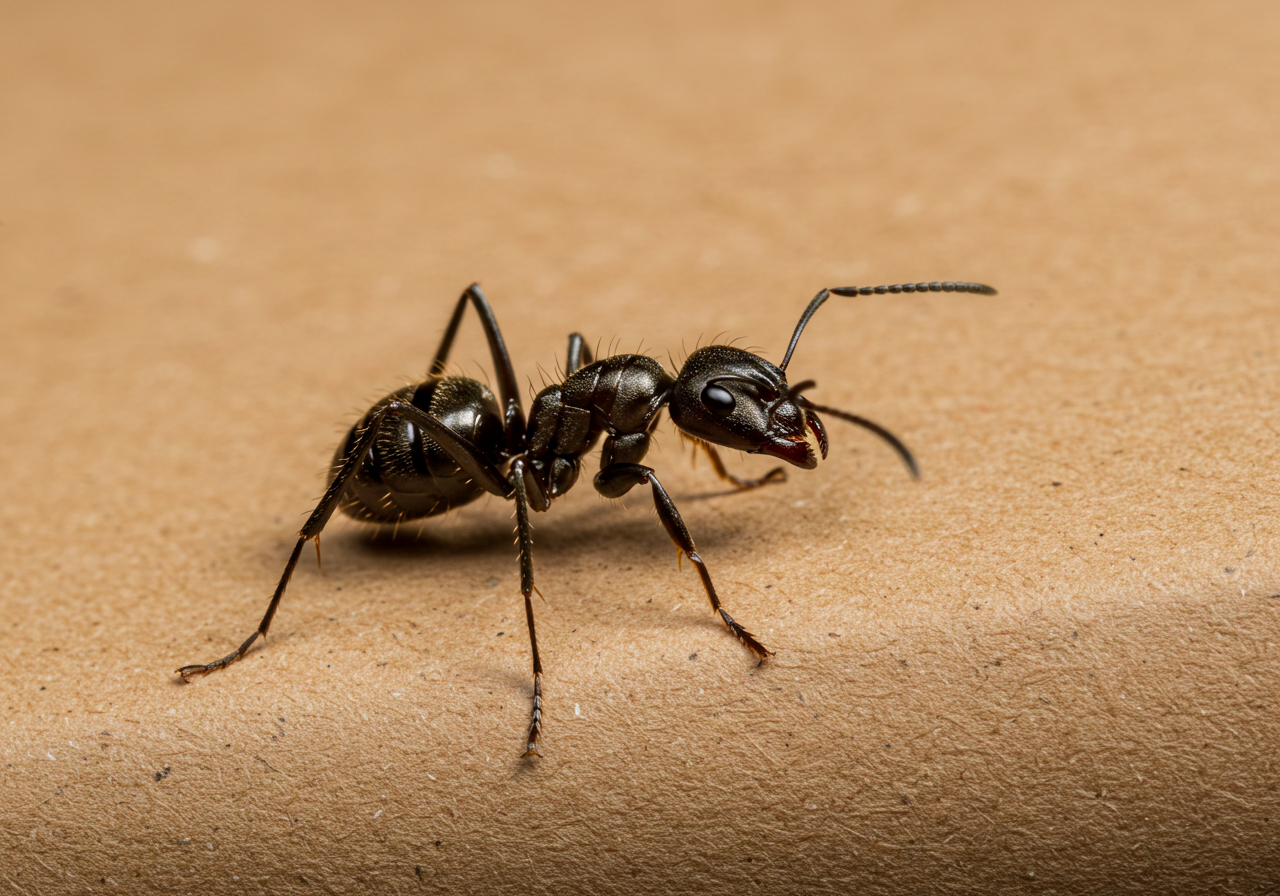
Finding a single black ant on your clean kitchen counter usually means hundreds more are hiding nearby. This common sight is the first warning of a household invasion.
Nuisance ants in house structures crawl inside through tiny foundation cracks because they are searching for three things: food, water, and safe shelter. These common insects are easy to tell from other pests by their elbowed antennae, narrow waists, and three very distinct body segments. Finding active trails near your clean kitchen counters is a tough problem for many busy families in the Denver metro area. As the Centers for Disease Control and Prevention notes, managing your home to remove pest access is the best way to keep pests out. Cleaning up food crumbs, fixing leaks, and sealing entry doors are simple, easy steps that will prevent future pest problems.
Many local homeowners wonder why these pests chose their living spaces in the first place. Knowing What Attracts Ants Into Your Home? is the first step to keeping them out of your kitchen for good. The path to a pest-free home begins with
Ants In House: What Attracts Ants Into Your Home?
Finding ants in your home is never fun. To keep them out, you must know what brings them inside. You may see just a few scouts at first, but they can quickly lead a whole colony to your kitchen.
According to the CDC, integrated pest management stops pests by cutting off their food, water, and shelter. This plan looks for safe, long-term ways to protect your home. If you block these three key needs, you can stop pests before they even move in.
Sweet and greasy food sources
Food is the number one draw for ants. Researchers at NC State University show that most house-invading ants enter buildings while searching for food. They love sweets, grease, proteins, and even pet food left on the floor.
When an ant finds a meal, it does not eat alone. It carries a small piece back to the nest and leaves a scent trail. This trail tells other worker ants where to find the food. Soon, a single crumb can lead to a long line of pests on your counter.
To stop them, you should store food in tight jars and bins. You must also clean up crumbs and spills fast to remove their food source. If there is no easy meal, scouts will move on. It is also wise to wash pet bowls daily and keep trash bins closed tight.
Moisture and water supply
Water is just as vital to ants as food. Since Colorado has a dry climate, indoor moisture sources are a massive draw for pests. Ants will seek out leaky pipes, water drips under sinks, and wet pet bowls. They need water to survive and grow their nests.
In the Denver metro area, sprinkler leaks or AC water lines often pull ants close to your home's walls. Once the pests are near the edge, they will find tiny gaps to creep inside to reach the wet areas.
You should check under sinks and around stoves for damp spots. Fixing these minor leaks can make your home much less appealing to pests. Keeping your crawlspace dry is another great way to prevent problems.
Warm nesting sites and shelter
Finally, ants need a safe place to live and build their nests. They look for warm shelter in wall voids, under kitchen stoves, and behind fridges. These hidden spots protect them from the weather and keep them safe from other bugs.
Once inside, they can build a nest that is hard to reach with DIY spray. If you only kill the scouts you see, the queen will simply produce more workers. The nest will keep growing inside your walls.
This is why identifying ants in your home early is so key to protect your house. Knowing which species you have helps you find where they are nesting. Once you locate the nest, you can take steps to get rid of them for good.
Moisture Problems That Draw Ants Inside
Colorado has a dry, semi-arid climate. Because of this dry air, water is hard for pests to find outside. Your warm home becomes a prime target when it has wet spots. Any small leak can act like a magnet, leading to active ants in the house.
Common Indoor Water Sources
Inside your house, ants look for steady water sources. Leaky pipes under kitchen or bathroom sinks are common culprits. Dripping faucets and sweating air lines also give plenty of water for a nest. In many cases, a simple leak behind a wall stays hidden but pests find it fast.
Pest research shows that ants are drawn to moisture inside walls and crawlspaces. Even small puddles from a sweating AC line can feed hundreds of pests. To stop them, you must find and fix these wet areas. Keeping your home dry is a key step in preventing house ants from settling in.
The Threat of Carpenter Ants
While some ants just want a quick drink, others use wet areas to build nests. Carpenter ants are a major threat to homes along the Front Range. These pests do not eat wood, but they hollow it out to make their nests. They need wet, soft wood to start their nests, making water damage a major risk.
A leaky pipe near wood framing can lead to bad wood rot and damage. Once carpenter ants find wet wood, they quickly chew through it. They will expand their nest into dry wood over time. Fixing roof leaks and pipe drips right away is the best way to protect your home's structure.
Checking Outdoor Drainage
Sometimes the moisture problem starts outside but leads pests inside. Poor drainage can pool water near your foundation. When soil stays wet, ants will nest close to your walls. From there, they find tiny gaps to crawl into your warm rooms.
Make sure your gutters carry rain away from the foundation. Keep crawlspaces dry by using plastic covers on the dirt floor. If your yard slope drains toward the house, you may need to adjust the soil. Clearing these damp zones near the foundation stops pests before they enter.
How Ants Get In: Common Entry Points Around Your Home
If you are identifying ants in your home, you might wonder how they got inside. In Colorado, our unique clay soil makes this problem worse. This soil expands when wet and shrinks when dry. Over time, this shifting damages concrete structures.
This constant cycle shifts your home, which creates tiny cracks in your foundation. Pests can squeeze through gaps as small as 1/64 of an inch. To block these insects, you must seal cracks and crevices in your concrete walls and floor. Regular caulking keeps these pests from finding a way inside.
Foundation cracks from soil shifts
Foundation settling is a primary source of entry points. When clay soil shifts, it pulls away from concrete slabs and basement walls. This movement leaves gaps that ants use to travel from the dirt straight into your house. Even a hairline crack can host a busy trail of scout ants.
Utility lines, windows, and siding
Ants also enter through utility line gaps. Pipes, cables, and wires must pass through your outer walls. If the builder did not seal the spaces around these lines, ants will find them. They travel along the lines and slip right into your kitchen, bathroom, or laundry room.
Windows, doors, and siding are other common entry points. Gaps in the caulk around window frames or worn door sweeps give pests an easy path. To prevent house ants, you should inspect these spots every spring. Check where siding meets the foundation and look for weep holes in brick walls.
Perimeter inspection tips
Finding these tiny entry points needs a careful look at your home's outer walls. To protect your home, you must perform a routine inspection of indoor and outdoor areas to find pest-conducive conditions. Walk around your house on a sunny day with a bright flashlight. Check closely where different building materials meet.
Look closely at the ground level and check every utility line for active trails. Trim all tree branches and shrubs back at least three feet from your walls. This prevents pests from using your plants as bridges to climb past your ground barriers. Keeping this clear space also makes it easier to spot new entry points.
When Are Ants Most Active in Colorado Homes?
In Colorado, ants follow a clear seasonal schedule. Most species are active from March to October each year. During these warm months, they often invade local homes to search for food, water, and shelter. This is especially true along the Front Range, where shifting weather patterns drive pests indoors. Knowing this timeline can help you protect your home before pests become a major issue.
Spring swarmers and early activity
As the ground warms in March and April, ants wake from their winter rest. This is when colonies send out winged ants, known as swarmers, to start new nests. Seeing these winged pests inside is a clear sign of an active nest nearby. For help with identifying ants in your home, you can check our guide on identifying ants in your home. Early spring is also when heavy Front Range rains soak the soil. This rain floods outdoor nests and drives worker ants indoors. These displaced workers quickly search for dry ground, often finding it inside crawlspaces and foundation walls.
Summer heat and rainstorms
July and August bring hot, dry weather to the Denver metro area. This heat dries out the soil, forcing ants to search for damp spaces. According to North Carolina State University Extension, house-invading ants enter buildings mostly to find food and water. When local heat waves hit, scout ants look for indoor moisture near sinks, tubs, and pipes. These scouts lay down invisible scent trails that lead hundreds of other workers straight to these wet areas.
If a heavy summer storm hits after a long dry spell, you might ask yourself: Why am I suddenly getting ants in the house? This sudden arrival happens because rain washes away their outdoor food paths. That sends entire colonies inside to find quick shelter. They will pool in kitchens and bathrooms, seeking both safety and sweet treats.
Fall foraging before winter dormancy
In September and October, ants get ready for the cold winter ahead. They spend these weeks searching for rich foods to build up their energy stores. This fall push often leads ants into kitchens and pantries where sweet or greasy crumbs are easy to find. Once the first hard freeze hits Colorado, outdoor ants go dormant. But if a colony has already set up a nest inside your warm walls, they may remain active all year long. They will continue to look for food in your home even when the ground outside is frozen solid.
Proven Ant Prevention Tips That Keep Them Out
Understanding integrated pest management
Finding ants in house is a common stress for Colorado families. The best way to keep them away is to stop them before they find a way inside.
Learning about preventing house ants in Colorado is the first step. This plan relies on Integrated Pest Management, or IPM, to protect your home. The Centers for Disease Control and Prevention notes that IPM removes their access to food, water, and shelter.
A key part of this method is checking your home for problems. Regular checks of your indoor and outdoor areas can find conditions that attract pests. The CDC notes that routine inspections help you find these issues before ants move in.
Simple ways to block and clean
- Store all pantry items in airtight glass or plastic containers so ants cannot smell or reach the food inside.
- Wipe down kitchen counters daily with a 50/50 water and vinegar solution to erase the scent trails scouts use to guide the colony.
- Seal cracks in your foundation, walls, and around window frames with caulk to block the tiny gaps ants use to enter.
- Repair leaky pipes, dripping faucets, and sweating AC lines promptly to remove the moisture that attracts ants.
- Keep tree branches and shrubs trimmed at least three feet from your home's exterior walls so ants cannot use them as bridges.
- Take out the trash daily and rinse outdoor bins regularly to eliminate sweet smells that draw foraging ants.
- Schedule a professional pest inspection each spring to catch ant activity before a full infestation develops.
Yard care tips to keep ants away
Your yard is the first line of defense against outdoor pests. Start by trimming your trees and bushes away from your siding. Keep all branches and plants trimmed at least three feet from your foundation.
This prevents ants from using green leaves as a bridge to climb onto your home. You should also keep mulch layers thin near the house, as thick mulch holds moisture. Finally, take out the trash daily and wash your outdoor bins to stop sweet smells.
While these simple steps can help, some colonies are hard to stop on your own. An expert team can spot hidden entry points and conditions that you might miss. Our trained team at Beeline Pest Control knows how to build a full plan to keep your home safe.
We look for pest signs and pest-conducive conditions to stop bugs before they enter. Contact us today to schedule a detailed check of your property.
When to Call Professional Ant Control
Sometimes, simple cleaning is not enough to stop ants in house. If you spray pests but they keep coming back, you may have a larger colony nearby. Knowing when to stop DIY work can save you time and money.
Signs of an ongoing ant problem
You should watch for clear clues that your local pests have moved in for good. Spotting multiple ant trails every day is a major warning sign. You might also find fine sawdust near wood trim, which points to carpenter ants.
The most urgent clue is finding winged ants inside your rooms. These wing-bearing pests are swarmers, which show that a deep nest is already living in your walls. If you see these signs of an ant infestation, consumer sprays will not do the job.
Why correct species identification is key
It is vital to know the exact type of pest you have before you try to clear them out. A study by Cornell University shows that finding the exact species is key for good pest control. This is because different ants have unique habits and food choices.
If you do not know what kind of ant is in your home, you will likely use the wrong bait. Some ants love sugar, while others hunt for grease or proteins. If you use the wrong product, the scouts will simply ignore the bait, and the colony will keep growing.
Benefits of professional pest control
| Approach | DIY Methods | Professional Pest Control |
|---|---|---|
| Effectiveness | Kills visible scouts only | Destroys the nest at the source |
| Products | Consumer-grade sprays and baits | EPA-approved professional-grade treatments |
| Expertise | General pest knowledge | Species identification and targeted solutions |
| Guarantee | No guarantee | Satisfaction guarantee with free re-treatment |
| Safety | Risk of misapplication | Licensed, careful application for family and pet safety |
Calling in state licensed experts is the most reliable way to stop ants in house. Professional crews do not just spray active trails on your counters. Instead, they find and destroy the nest to stop the issue at its source.
Experts use safe, EPA-approved products that are effective and applied with care. This means your family and pets stay safe while the ants are wiped out. A professional job also comes with a real guarantee of success.
At Beeline Pest Control, we bring 26 years of local expertise to your home. Our local team is licensed by the Colorado Department of Agriculture, and we understand the unique pests of the Denver metro area. We do not just apply a quick fix; we find the root of the problem.
We offer a full satisfaction guarantee, which means we will come back for free re-treatment if the ants return. Let us help you protect your home with safe, reliable, and friendly service.
Frequently Asked Questions
Why am I suddenly getting ants in my house?
Sudden weather shifts like heavy spring rains or extreme summer heat often drive ants indoors in search of safety and food. When scout ants find a food or water source, they leave a scent trail. This scent trail guides the rest of the colony directly into your living spaces, turning a tiny entry point into a major highway very quickly.
What attracts ants to a house?
Ants enter homes to find easy access to food, water, and shelter. According to a guide from the experts at North Carolina State University, most house-invading ants enter homes while searching for food. Spilled sugars, grease spots, pet food bowls, leaking pipes, and damp areas in crawlspaces easily draw these pests inside.
How do I prevent ants from entering my house?
To keep ants out, seal small foundation cracks, gaps around windows, and openings around wall pipes. Keep your kitchen clean by wiping up spills promptly and storing pantry items in airtight containers. According to the CDC, blocking access to food, water, and shelter is the foundation of pest control. Regularly trimming trees and shrubs away from your walls also removes easy pathways they use to crawl inside.
How can I get rid of ants in my house naturally?
You can use a mix of white vinegar and water to wipe down kitchen counters and trash cans. This simple home remedy cleans food spots and wipes out the scent trails scout ants use to guide their colony. You can also place fresh citrus peels or cinnamon near entry spots to help deter them.
Why should you not kill ants in your house?
Squishing single scout ants does not stop an ant problem because the nest remains active. In fact, spraying scout ants with harsh sprays can make the colony split into multiple new nests. According to Cornell University, knowing your specific ant species is key since different species have unique habits and food preferences.
Ready to Protect Your Denver Home from Ants and Keep Them Out?
Leaving ants alone can let a small nesting group grow into a huge pest problem that spreads behind your walls, crawl spaces, and floors. Waiting to seek help only gives these bugs more time to find food, make new trails, and ruin clean spaces in your home. Setting up an expert check today protects your family and keeps your house clean before the colony gets too large. Our family-owned team uses safe ways to clear out the bugs and stop them from coming back to your house.
Ready to get rid of ants for good? Call 303-586-5231 today to schedule a free pest inspection with our local team.
Free Pest Control Quote in Aurora, CO | Beeline Pest Control
Tired of pests in your Aurora home? Get a quick, no-obligation quote from Beeline Pest Control! Simply fill out our short form, and our expert team will contact you to discuss your pest control needs and provide a personalized estimate for effective pest removal services right here in Aurora, Colorado. Say goodbye to unwanted pests today!
More Blogs
Some other blogs you might be interested in